
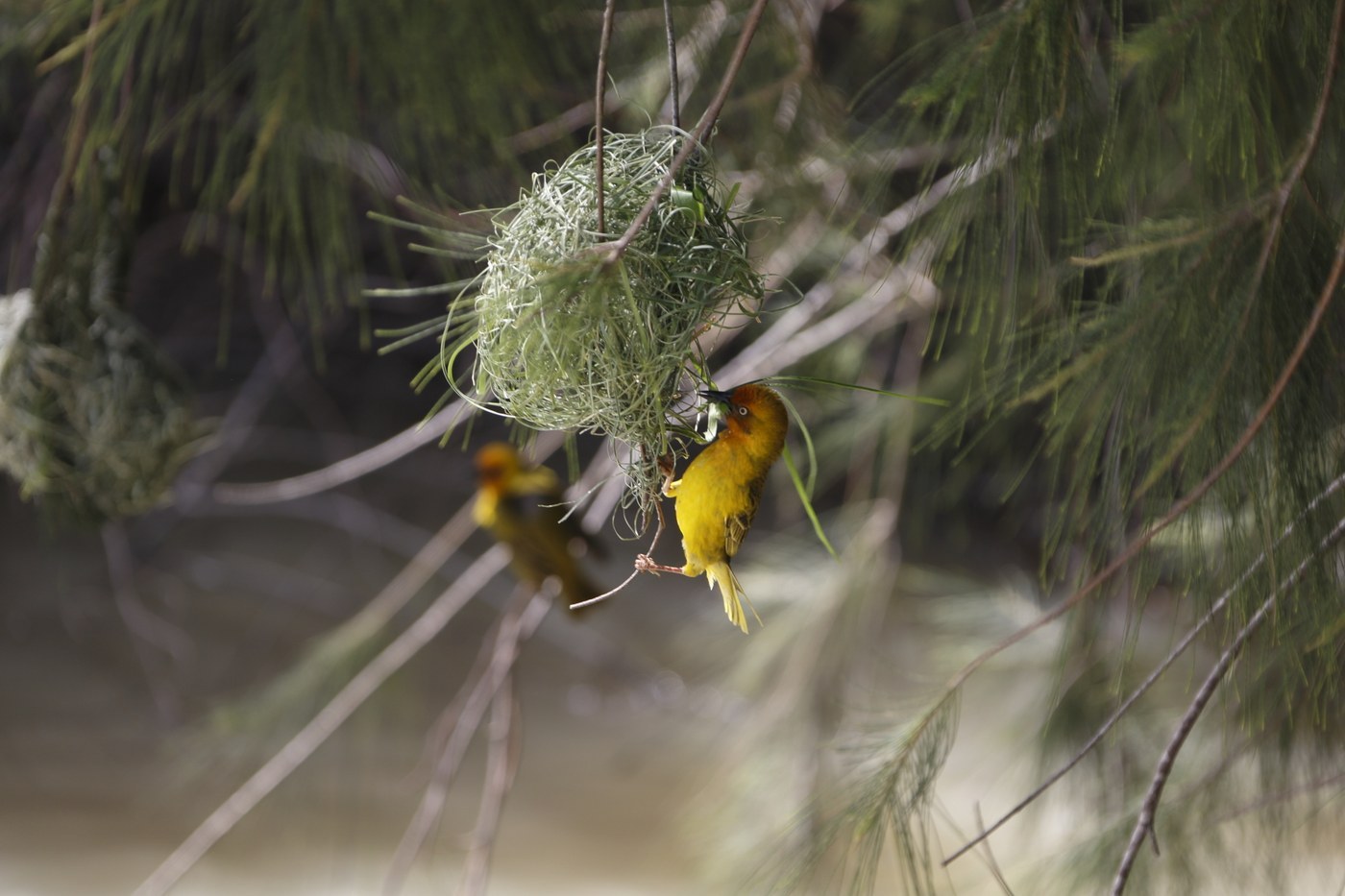
Cape Weaver
Ploceus capensis
The Cape Weaver is a bright yellow South African endemic songbird renowned for the male's intricately woven, hanging nest colonies.
- Size
- Body length about 17 cm
- Habitat
- Wetlands, farmland, gardens, and fynbos margins in South Africa and Lesotho
- Type
- songbird
Spotted a bird like this?
Identify any bird from a photo, free.
Overview
The Cape Weaver is a common endemic of southern Africa, belonging to the large weaver family known for elaborate woven nests. It is a familiar sight around wetlands, gardens, and farmland within its restricted range.
Appearance
- Breeding males are bright golden yellow overall with an olive wash on the back
- A pale, yellowish-white eye is a distinctive feature
- Females and non-breeding males are duller olive-yellow
- Stout, conical, weaver-type bill
How to identify it
Key field marks
- Overall bright yellow plumage
- Pale eye, unusual among African weavers
- Stout conical bill and lack of a black facial mask
Similar species
The Southern Masked Weaver has a black face mask and red eye; the Village Weaver also shows a black face mask. The Cape Weaver lacks any black mask and is told apart by its plain yellow head and pale eye.
Habitat & range
Range
Endemic to South Africa (mainly the Western and Eastern Cape, with range expanding) and parts of Lesotho.
Habitat
Found around wetlands, reedbeds, farmland, gardens, and the margins of fynbos vegetation.
Movement
Resident and non-migratory, though birds may move locally outside the breeding season.
Behavior & voice
Behavior
A colonial nester, often gathering in noisy groups at reedbeds or trees overhanging water.
Voice
Gives harsh chattering and swizzling notes typical of weavers, often in a chorus from the colony.
Feeding
Feeds on seeds, grain, insects, and nectar, sometimes visiting flowering aloes and other nectar sources.
Nesting and breeding
Males weave elaborate kidney-shaped nests from reeds and grass strips, suspended from branches often over water, and are polygynous, building several nests to attract multiple females.
Frequently asked questions
Where is the Cape Weaver found?
It is endemic to South Africa, mainly the Western and Eastern Cape, and parts of Lesotho.
How do you tell a Cape Weaver from other weavers?
The Cape Weaver lacks a black facial mask and has a distinctive pale, yellowish-white eye, unlike masked weavers with black faces and red eyes.
What kind of nest does the Cape Weaver build?
Males weave an intricate, kidney-shaped nest from reeds and grass, usually hung from branches over water.
Is the Cape Weaver monogamous?
No, males are polygynous, building multiple nests to attract several females in a breeding season.
Cape Weaver guides
In-depth guides for identifying, finding, and understanding Cape Weaver.
Other birds you may enjoy
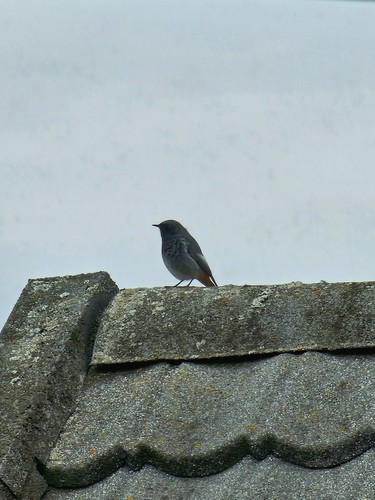
Black Redstart
13-14.5 cm (5.1-5.7 in) long, 23-26 cm wingspan
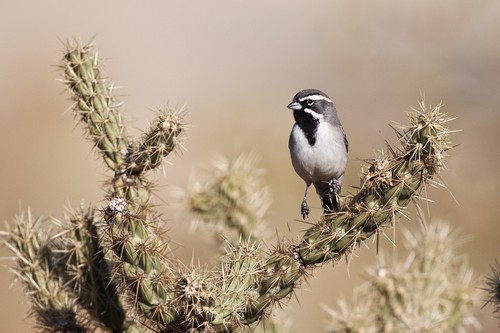
Black-throated Sparrow
12-14 cm (4.7-5.5 in) long, about 19-20 cm (7.5-8 in) wingspan
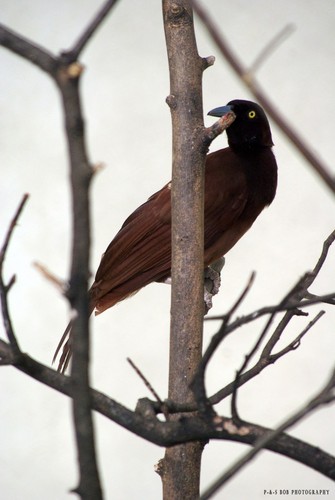
Greater Bird-of-paradise
Body about 43 cm; males with additional flank plumes up to 50 cm and long tail wires
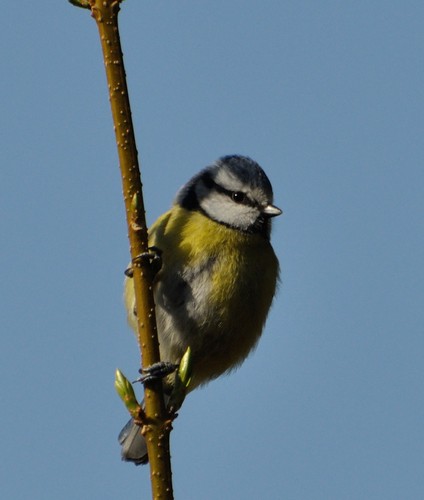
Blue Tit
11-12 cm (4.3-4.7 in) long, 17-20 cm wingspan
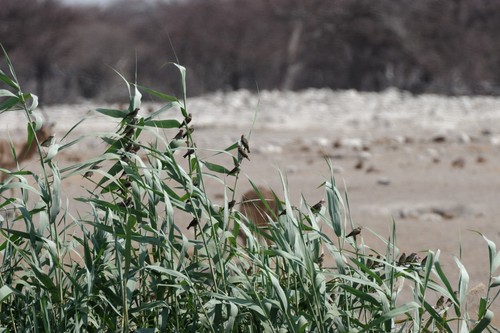
Red-billed Quelea
11.5–13 cm long, wingspan about 20–22 cm
White-plumed Antbird
13-14 cm (5-5.5 in) long
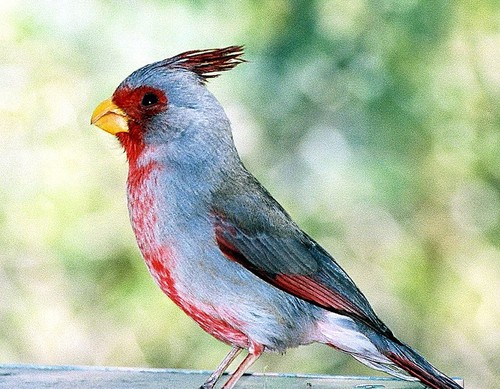
Pyrrhuloxia
19-22 cm (7.5-8.7 in) long, 30 cm wingspan
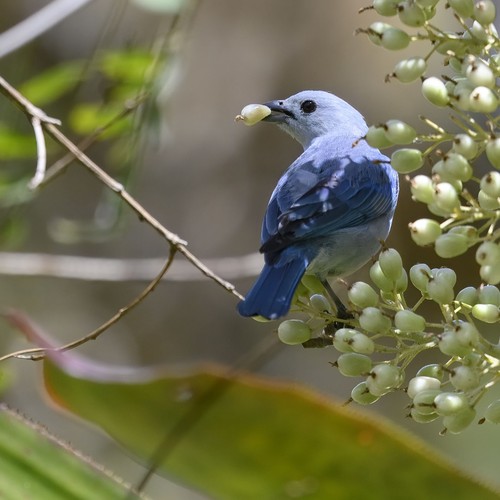
Blue-gray Tanager
16-18 cm (6-7 in) long
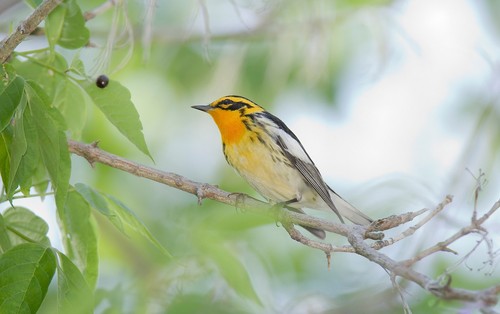
Blackburnian Warbler
11-13 cm (4.3-5.1 in) long, 20-22 cm wingspan
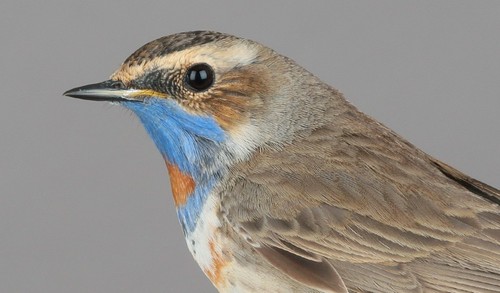
Bluethroat
13-14 cm (5.1-5.5 in) long, 20-22 cm wingspan
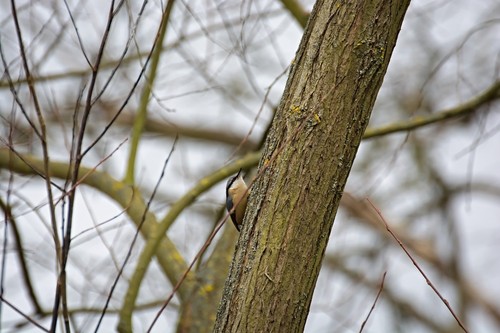
Eurasian Nuthatch
12-14.5 cm (4.7-5.7 in) long, 22.5-27 cm wingspan
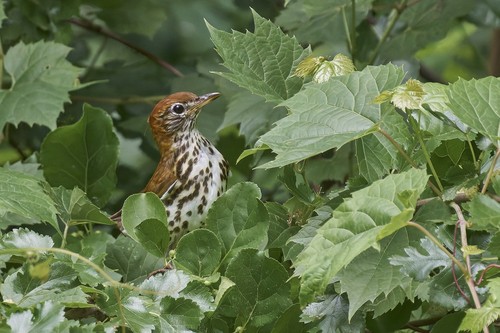
Wood Thrush
19-21 cm (7.5-8.3 in) long, about 33 cm (13 in) wingspan