
Cape Petrel
Daption capense
A striking black-and-white checkered petrel of the Southern Ocean, often called the Pintado Petrel, well known for following ships far from land.
- Size
- 38-40 cm (15-16 in) long, wingspan 81-91 cm (32-36 in)
- Habitat
- Southern Ocean waters, breeding on Antarctic and subantarctic coasts and islands
- Type
- seabird
Spotted a bird like this?
Identify any bird from a photo, free.
Overview
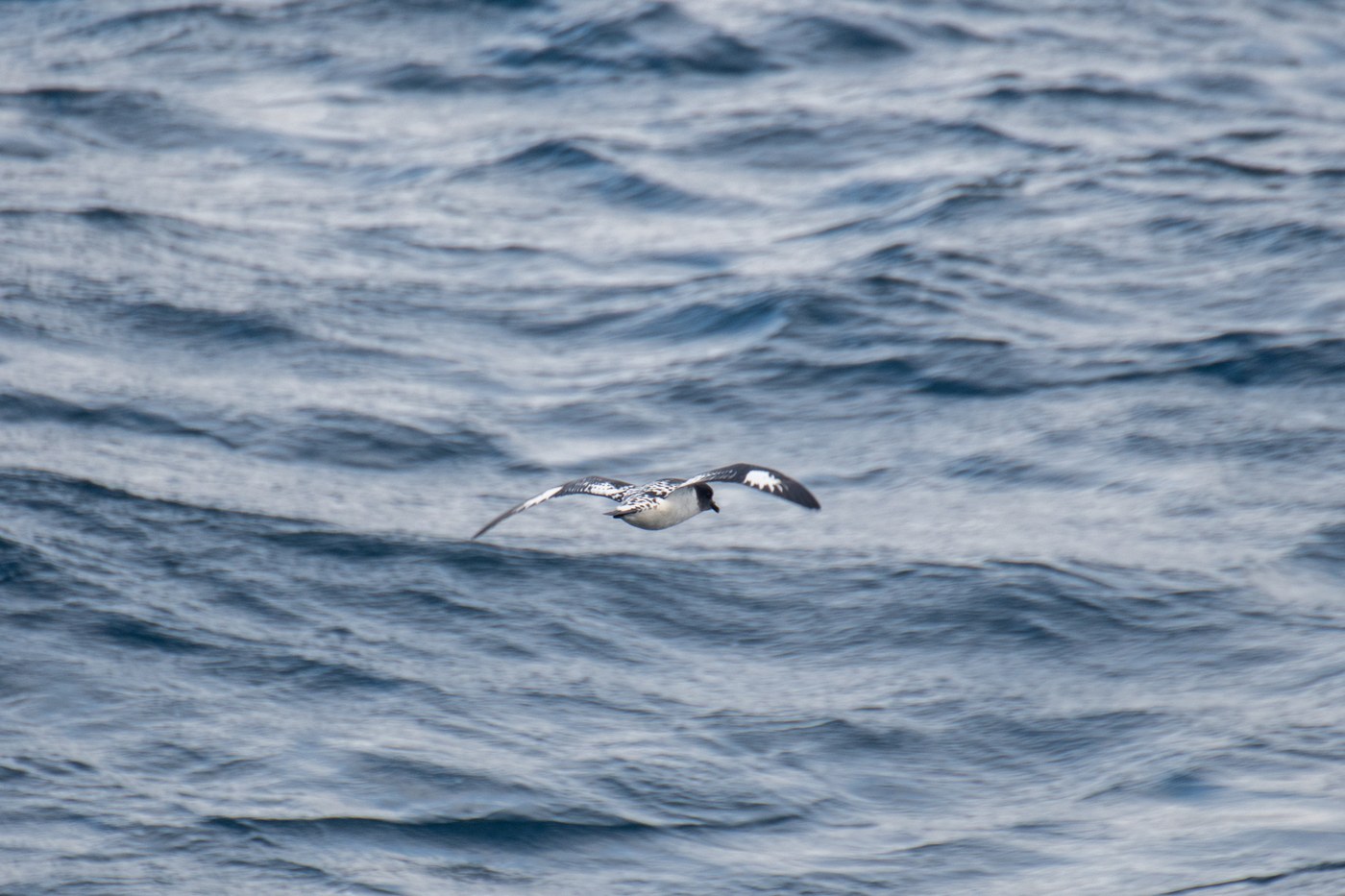
The Cape Petrel, also widely known as the Pintado Petrel or Cape Pigeon, is one of the most visually striking tubenose seabirds, with a bold, checkered black-and-white pattern spread across its back, upperwings, and tail that makes it unmistakable even at a distance.
The head and neck are solid blackish-brown, contrasting with the mottled black-and-white body, and the underparts are mostly white. This piebald pattern has inspired both of its common names, "pintado" being Spanish and Portuguese for "painted."
Cape Petrels are highly gregarious and are among the most reliable seabirds to be seen following ships in the Southern Ocean, often approaching close to vessels in large, noisy, swirling flocks.
How to identify it
Key field marks
- Bold, checkered black-and-white pattern on the back, upperwings, and tail
- Solid blackish-brown head and neck
- White underparts, stocky build, and rapid, fluttering flight interspersed with glides
Similar species
- No other Southern Ocean seabird shares this distinctive checkered "pintado" pattern, making the Cape Petrel essentially unmistakable within its range.
- At a distance, confusion is unlikely with any other tubenose species due to the unique combination of pattern and stocky shape.
Habitat & range
Cape Petrels breed on cliffs and rocky slopes across Antarctica, the Antarctic Peninsula, and numerous subantarctic islands, including South Georgia and the South Shetland Islands. Colonies are often located on steep, exposed rock faces.
Outside the breeding season, the species disperses widely across the Southern Ocean and can range as far north as the subtropics, frequently accompanying ships over vast stretches of open water.
Behavior & voice
Voice
Cape Petrels are noisy both at colonies and while following ships, giving harsh, cackling, and chattering calls, especially when competing for food scraps in flocks.
Feeding
They feed on krill, small fish, and squid, taken from the surface, and readily scavenge offal and discards from fishing and research vessels, often gathering in large, active flocks around ships.
Nesting and breeding
Pairs nest on bare rock ledges and cliff faces, laying a single egg directly on the rock or in a shallow scrape. Both parents share incubation and chick-feeding duties, and chicks can spit foul-smelling stomach oil in self-defense.
Frequently asked questions
Why is the Cape Petrel also called the Pintado Petrel?
"Pintado" means "painted" in Spanish and Portuguese, referring to its bold, checkered black-and-white plumage pattern.
How can you identify a Cape Petrel?
Look for its unmistakable checkered black-and-white back and upperwings, contrasting with a solid dark head and white underparts.
Where does the Cape Petrel breed?
It breeds on cliffs and rocky slopes across Antarctica and subantarctic islands such as South Georgia.
Why is the Cape Petrel often seen near ships?
It readily follows vessels in the Southern Ocean to scavenge offal and food discards, often in large, noisy flocks.
What does the Cape Petrel eat?
It eats krill, small fish, and squid, and also scavenges food behind ships.
Cape Petrel guides
In-depth guides for identifying, finding, and understanding Cape Petrel.
Other birds you may enjoy
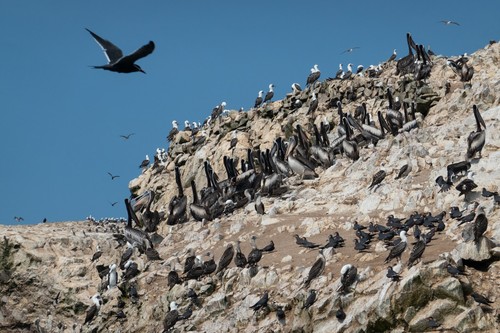
Peruvian Pelican
137-152 cm (54-60 in) long, up to 228 cm wingspan
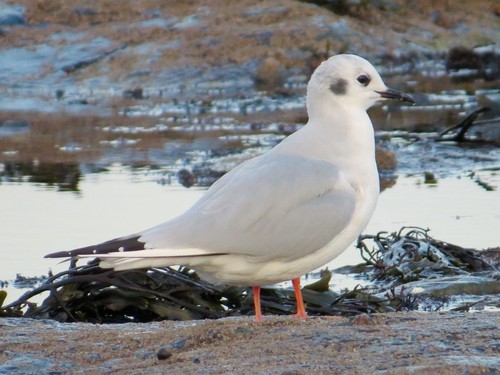
Bonaparte's Gull
28-33 cm (11-13 in) long, 76-84 cm wingspan
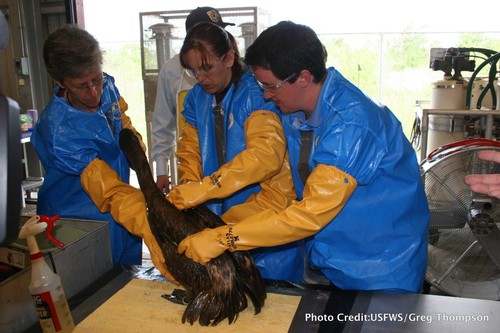
Brown Pelican
106-137 cm (42-54 in) long, 200-230 cm wingspan
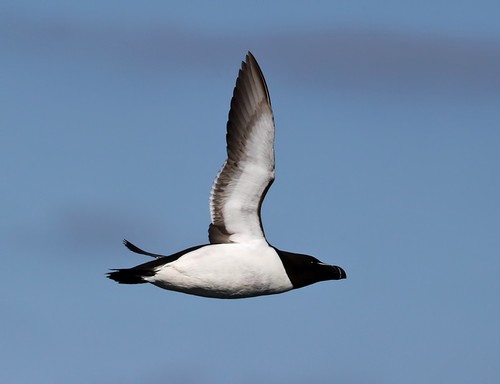
Razorbill
37-39 cm (15-15.5 in) long, 63-68 cm wingspan
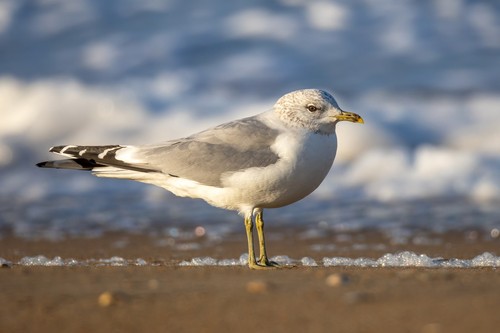
Common Gull
40-46 cm (16-18 in) long, 110-130 cm wingspan
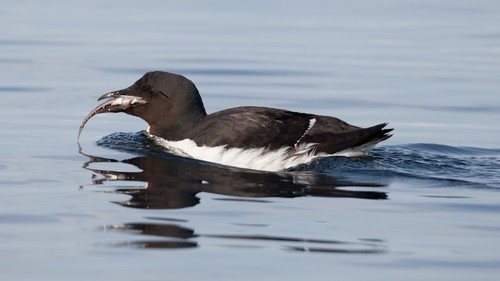
Thick-billed Murre
40-48 cm (16-19 in) long, 65-75 cm wingspan
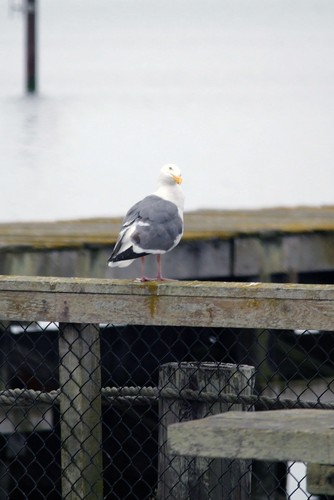
Western Gull
55-68 cm (22-27 in) long, 130-144 cm wingspan
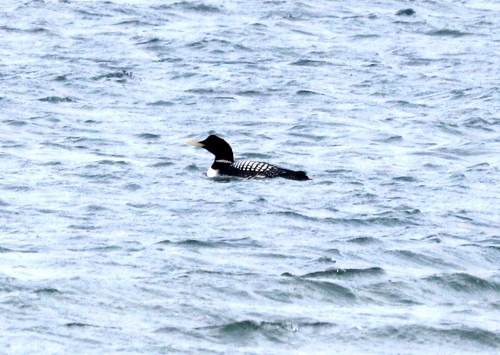
Yellow-billed Loon
76-97 cm (30-38 in) long, 135-152 cm wingspan
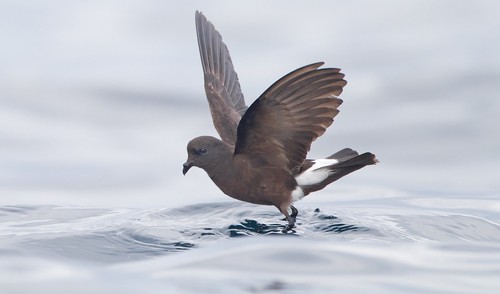
Wilson's Storm-Petrel
15-19 cm (6-7.5 in) long, wingspan 38-42 cm (15-16.5 in)
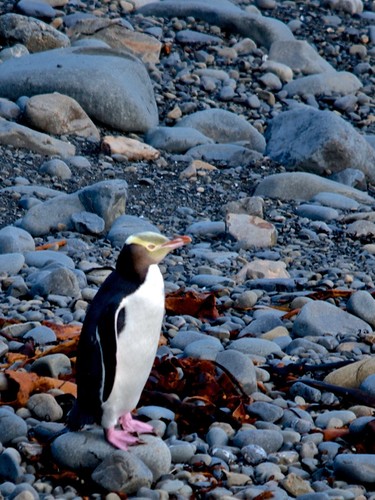
Yellow-eyed Penguin
62-79 cm (24-31 in) tall, 3-8.5 kg (6.6-18.7 lb)
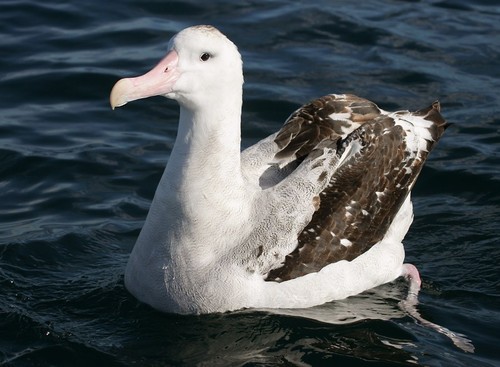
Wandering Albatross
107-135 cm (42-53 in) long, wingspan up to 3.5 m (11.5 ft)
Tufted Puffin
35-41 cm (14-16 in) long, about 63-70 cm wingspan