
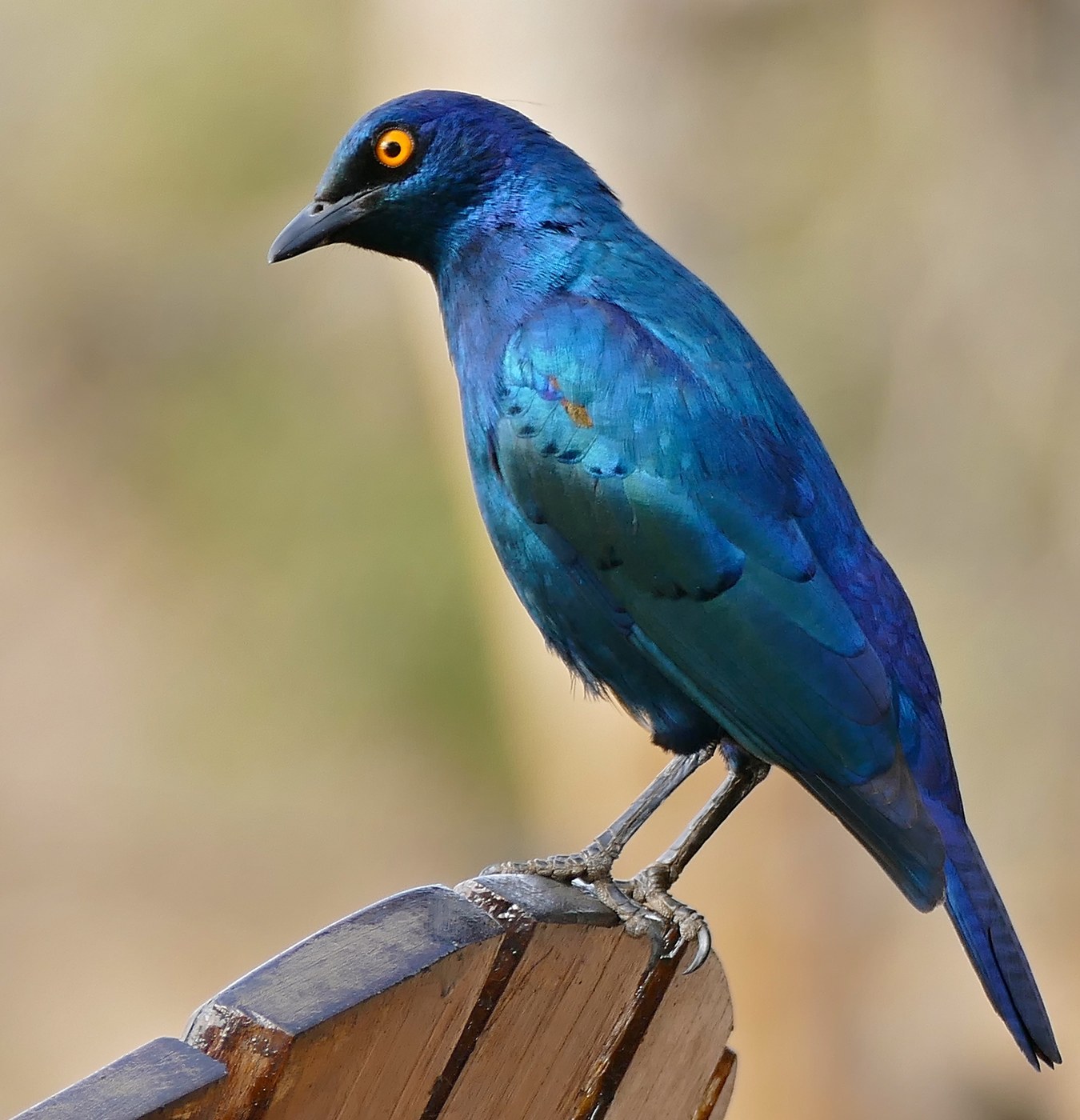
Cape Glossy Starling
Lamprotornis nitens
A stocky southern African starling whose plumage shimmers with brilliant iridescent blue-green in the sun.
- Size
- 20–23 cm long; wingspan about 35–40 cm
- Habitat
- Savanna, open woodland, farmland, parks and suburban gardens
- Type
- songbird
Spotted a bird like this?
Identify any bird from a photo, free.
Overview
The Cape Glossy Starling is a common, gregarious starling of southern Africa, prized for its dazzling iridescent plumage. Both sexes look alike, appearing almost entirely metallic blue-green with a violet sheen across the wing coverts, catching different hues depending on the angle of light.
It is a stocky, short-tailed starling with a slightly decurved bill and a bold, confident manner, often seen perched conspicuously on fences, wires, or rooftops.
How to identify it
Key field marks
- Medium-sized starling, glossy blue-green overall with a violet-blue wing patch
- Bright orange-yellow eye, a useful mark at close range
- Short, squared tail and stocky build
- Sexes similar; juveniles are duller and sootier with brown eyes
Similar species
- Greater Blue-eared Starling and other glossy starlings look similar but usually show more contrasting ear patches or different eye color and are best separated with care in areas of overlap; the Cape Glossy Starling's orange eye and range in the far south help confirm identity.
- Violet-backed Starling males are unmistakably violet on the upperparts with a white belly, unlike the all-glossy Cape Glossy Starling.
Habitat & range
Habitat and range
The Cape Glossy Starling occurs widely across southern Africa, including South Africa, Botswana, Namibia, Zimbabwe, and southern Mozambique. It favors open savanna, thornveld, farmland, and has adapted readily to human-altered landscapes such as gardens, parks, and urban areas.
Migration
It is largely resident and non-migratory, though local movements occur in response to food availability, particularly around fruiting trees and insect flushes.
Behavior & voice
Behavior
Highly social, Cape Glossy Starlings are typically seen in noisy flocks, foraging on the ground or in trees and often mixing with other starling species. They are bold around people and readily visit gardens and picnic areas.
Voice
The call is a varied series of harsh chattering notes, squeaks, and whistles, often given in chorus by a flock.
Feeding
They feed on the ground and in vegetation, taking insects such as beetles and caterpillars, as well as fruit and nectar from flowering trees.
Nesting and breeding
Cape Glossy Starlings nest in tree cavities or old woodpecker and barbet holes, sometimes using nest boxes. They lay 3–4 pale blue eggs, and pairs may be assisted by helpers at the nest.
Frequently asked questions
What makes the Cape Glossy Starling's feathers shine?
The iridescence comes from microscopic structures in the feathers that refract light, producing shifting blue-green and violet colors rather than pigment alone.
Where is the Cape Glossy Starling found?
It is native to southern Africa, including South Africa, Namibia, Botswana, and Zimbabwe, in savanna and increasingly in gardens and towns.
How can I tell a Cape Glossy Starling from other glossy starlings?
Look for the bright orange eye, uniformly glossy blue-green body without strong ear-covert markings, and its southern African range.
What does the Cape Glossy Starling eat?
It eats insects, fruit, and nectar, and readily forages on lawns and in flowering trees.
Does the Cape Glossy Starling migrate?
No, it is largely resident, though it may move locally to follow food supplies.
Cape Glossy Starling guides
In-depth guides for identifying, finding, and understanding Cape Glossy Starling.
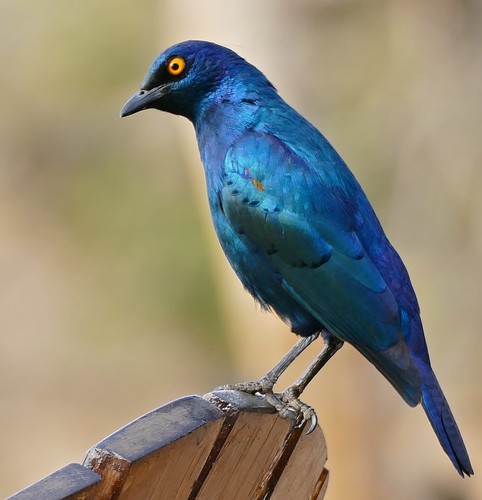
Cape Glossy Starling identified by the community
Real birds identified with Bird Identifier.
Other birds you may enjoy
Black Redstart
13-14.5 cm (5.1-5.7 in) long, 23-26 cm wingspan
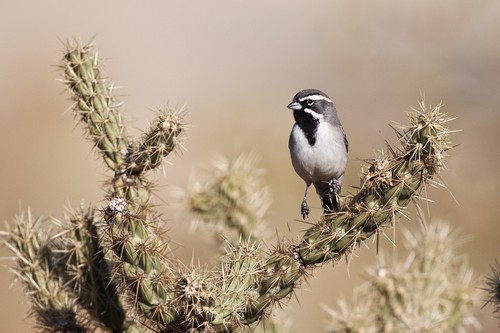
Black-throated Sparrow
12-14 cm (4.7-5.5 in) long, about 19-20 cm (7.5-8 in) wingspan
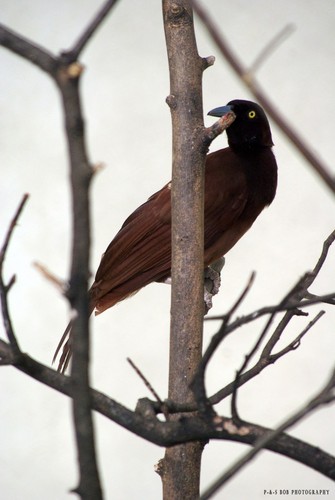
Greater Bird-of-paradise
Body about 43 cm; males with additional flank plumes up to 50 cm and long tail wires
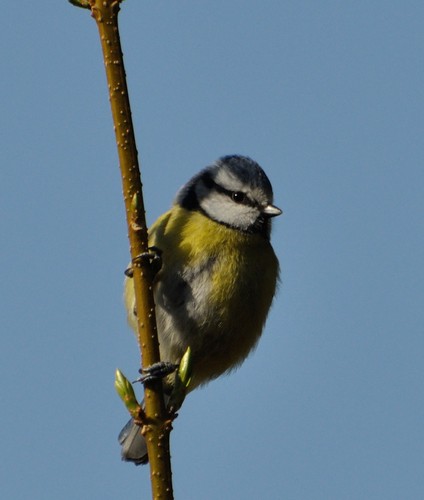
Blue Tit
11-12 cm (4.3-4.7 in) long, 17-20 cm wingspan
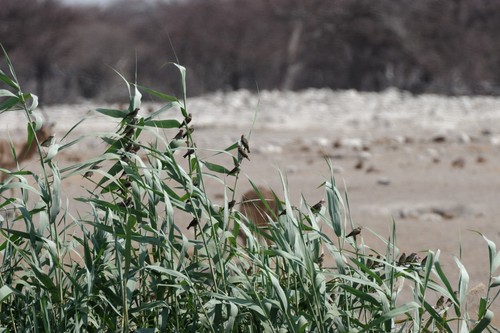
Red-billed Quelea
11.5–13 cm long, wingspan about 20–22 cm
White-plumed Antbird
13-14 cm (5-5.5 in) long
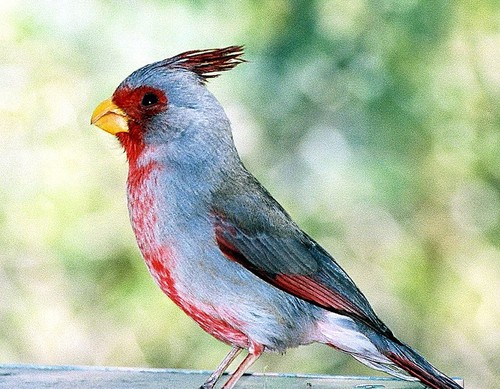
Pyrrhuloxia
19-22 cm (7.5-8.7 in) long, 30 cm wingspan
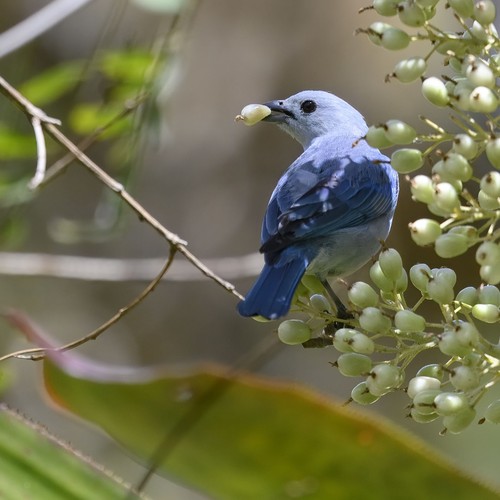
Blue-gray Tanager
16-18 cm (6-7 in) long
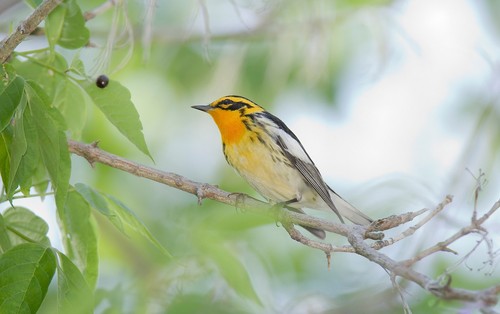
Blackburnian Warbler
11-13 cm (4.3-5.1 in) long, 20-22 cm wingspan
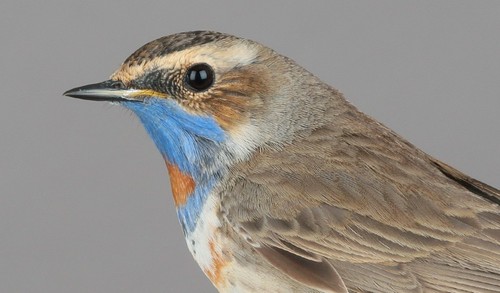
Bluethroat
13-14 cm (5.1-5.5 in) long, 20-22 cm wingspan
Eurasian Nuthatch
12-14.5 cm (4.7-5.7 in) long, 22.5-27 cm wingspan
Wood Thrush
19-21 cm (7.5-8.3 in) long, about 33 cm (13 in) wingspan