
Cape Gannet
Morus capensis
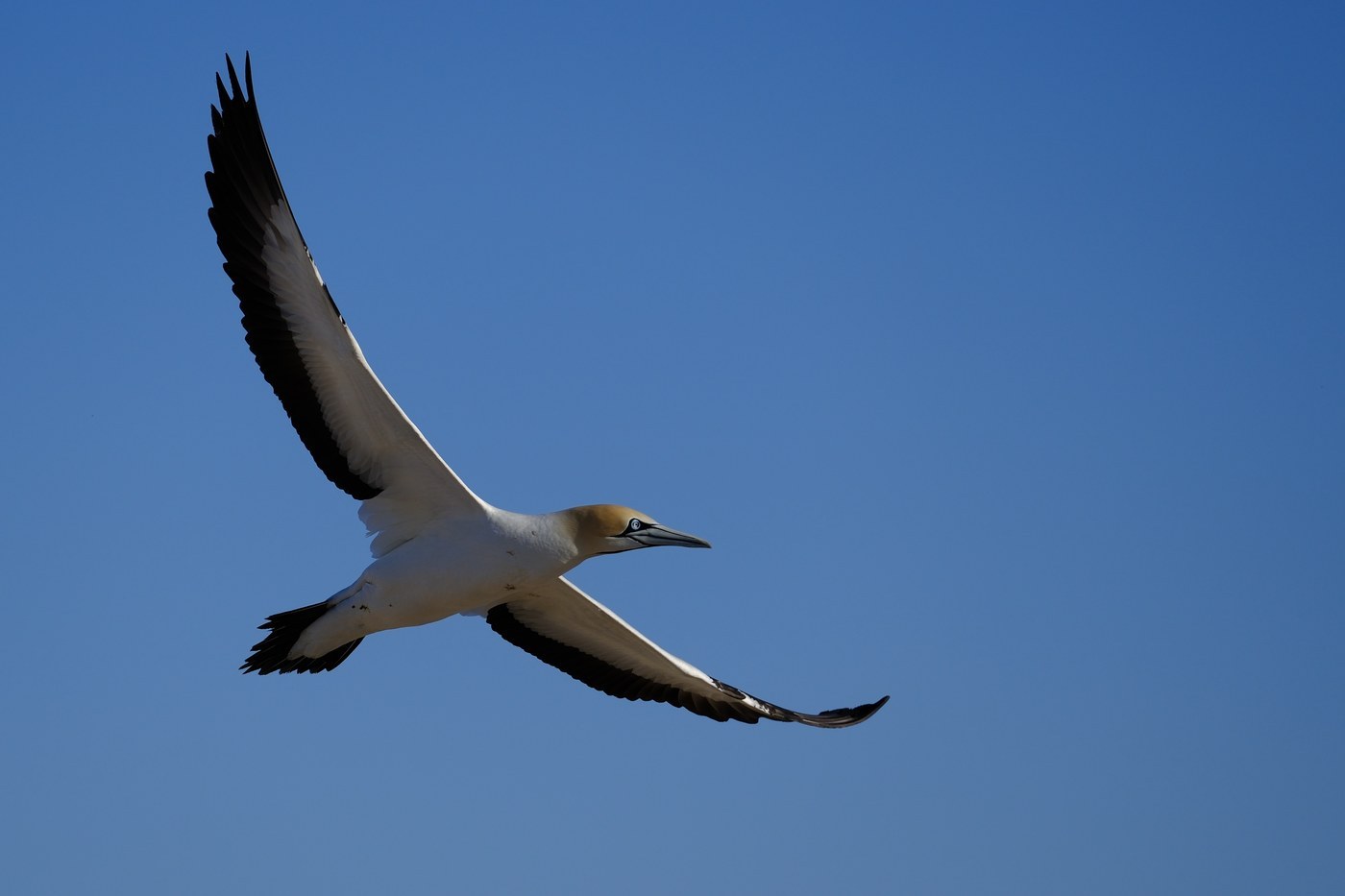
A large white seabird with black flight feathers and a golden crown that breeds in dense colonies on islands off southern Africa.
- Size
- 84-94 cm (33-37 in) long, about 170-180 cm wingspan
- Habitat
- coastal cliffs and offshore islands of southern Africa, adjacent open ocean
- Type
- seabird
Spotted a bird like this?
Identify any bird from a photo, free.
Overview
The Cape Gannet is a large, striking seabird of the southern African coast, closely related to the Northern and Australasian Gannets. Adults are gleaming white with jet-black wingtips and a narrow black line down the throat, giving them a sharply tailored look in flight. The head and nape are washed with a soft golden-yellow that fades gradually into the white body, and the pale blue-grey bill is long, straight, and dagger-like.
Cape Gannets breed in some of the most spectacular seabird colonies in the world, packed shoulder to shoulder on a small number of islands, where the constant activity, noise, and guano-whitened rock make for an unforgettable spectacle.
How to identify it
Key field marks
- Large white body with black wingtips visible in flight
- Golden-buff wash on the crown and nape
- Long, straight, pale bill with a thin black line bordering the gular area
- Pointed tail, often held closed and slightly wedge-shaped
Similar species
- Australasian Gannet is very similar but has black central tail feathers, a feature Cape Gannet lacks.
- Northern Gannet is larger overall and does not overlap in range with Cape Gannet.
- Juveniles of all gannet species are mottled brown and take several years to reach full adult plumage, making them harder to separate; range is the best clue for South African birds.
Habitat & range
Cape Gannets nest almost exclusively on a handful of islands off the coasts of South Africa and Namibia, including Malgas Island, Bird Island, and Lambert's Bay. Outside the breeding season, birds disperse widely along the Benguela and Agulhas current systems, foraging over cold, productive offshore waters rich in shoaling fish.
Some individuals move considerable distances along the African coastline after breeding, occasionally reaching as far as West Africa, but the species remains centered on the southern African marine ecosystem year-round.
Behavior & voice
Behavior
Cape Gannets are spectacular plunge-divers, folding their wings back and dropping from heights of 10-30 meters to spear into shoals of sardines and anchovies, sometimes in large cooperative flocks that create a dramatic curtain of birds hitting the water together.
Voice
At breeding colonies they give loud, harsh, repeated "arrah-arrah" calls used in nest-site defense and pair greeting displays; at sea they are largely silent.
Feeding
They rely heavily on small pelagic fish, and breeding success is closely tied to the availability of sardine and anchovy stocks.
Nesting and breeding
Cape Gannets nest in tightly packed colonies, laying a single egg in a simple mound nest of guano and debris; both parents share incubation and chick-rearing duties over several months.
Frequently asked questions
Where do Cape Gannets live?
They breed on a small number of islands off South Africa and Namibia and forage over the cold, productive waters of the Benguela and Agulhas currents.
How do Cape Gannets catch fish?
They plunge-dive from height, folding their wings back to spear into shoals of sardines and anchovies, often diving in coordinated groups.
How is a Cape Gannet different from an Australasian Gannet?
Cape Gannets lack the black central tail feathers found on Australasian Gannets and their ranges do not naturally overlap.
Why is the Cape Gannet considered Endangered?
Populations have declined due to reduced availability of sardines and anchovies, competition with fisheries, and disturbance at breeding colonies.
Do Cape Gannets migrate?
They are not long-distance migrants but disperse along the southern African coast outside the breeding season, occasionally ranging farther north.
Cape Gannet guides
In-depth guides for identifying, finding, and understanding Cape Gannet.
Other birds you may enjoy
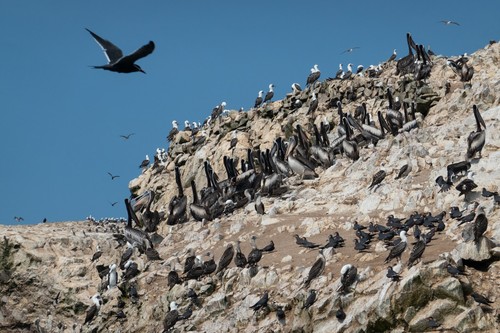
Peruvian Pelican
137-152 cm (54-60 in) long, up to 228 cm wingspan
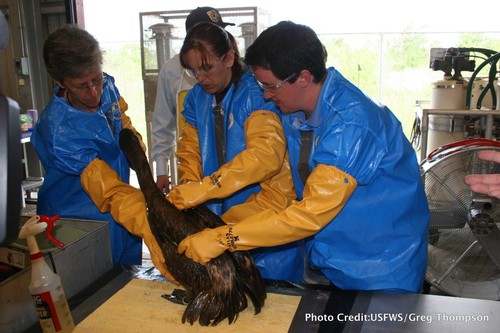
Brown Pelican
106-137 cm (42-54 in) long, 200-230 cm wingspan
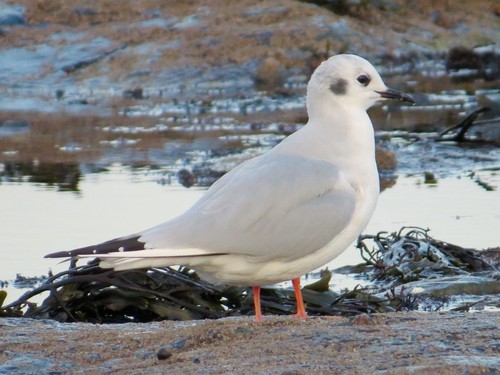
Bonaparte's Gull
28-33 cm (11-13 in) long, 76-84 cm wingspan
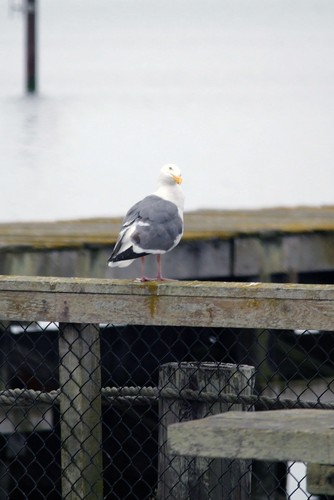
Western Gull
55-68 cm (22-27 in) long, 130-144 cm wingspan
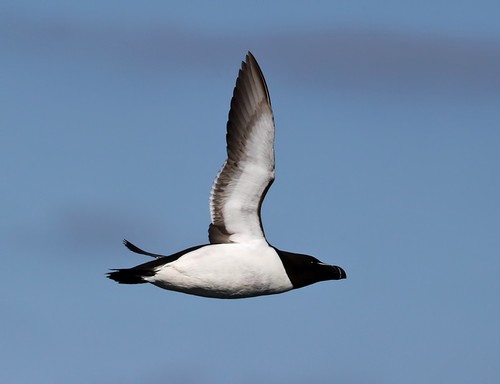
Razorbill
37-39 cm (15-15.5 in) long, 63-68 cm wingspan
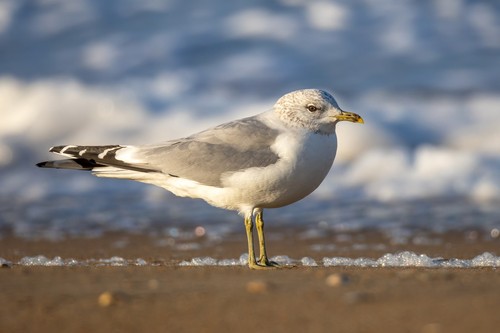
Common Gull
40-46 cm (16-18 in) long, 110-130 cm wingspan
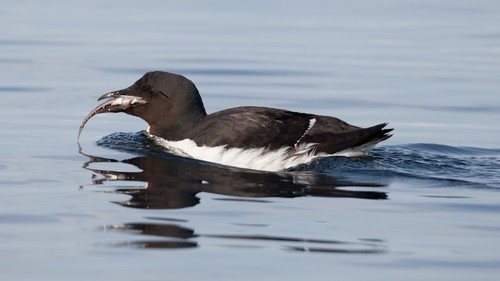
Thick-billed Murre
40-48 cm (16-19 in) long, 65-75 cm wingspan
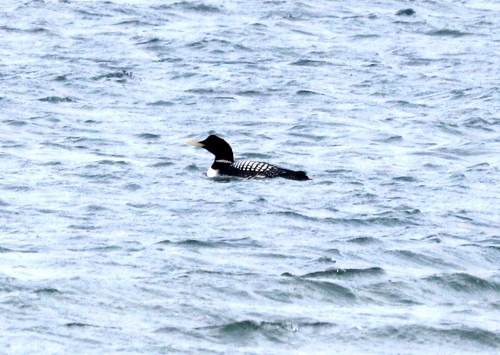
Yellow-billed Loon
76-97 cm (30-38 in) long, 135-152 cm wingspan
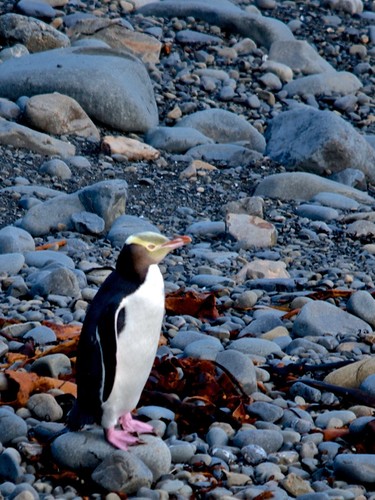
Yellow-eyed Penguin
62-79 cm (24-31 in) tall, 3-8.5 kg (6.6-18.7 lb)
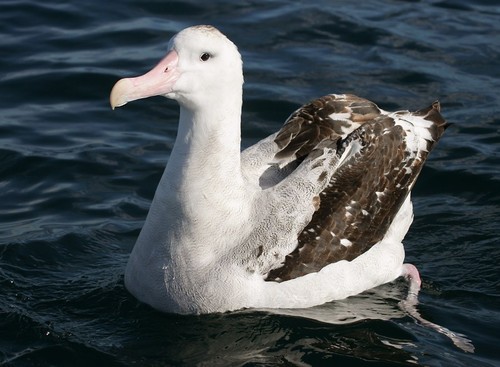
Wandering Albatross
107-135 cm (42-53 in) long, wingspan up to 3.5 m (11.5 ft)
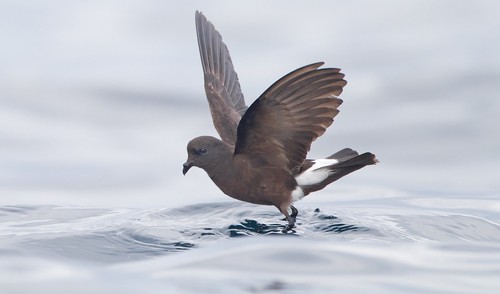
Wilson's Storm-Petrel
15-19 cm (6-7.5 in) long, wingspan 38-42 cm (15-16.5 in)
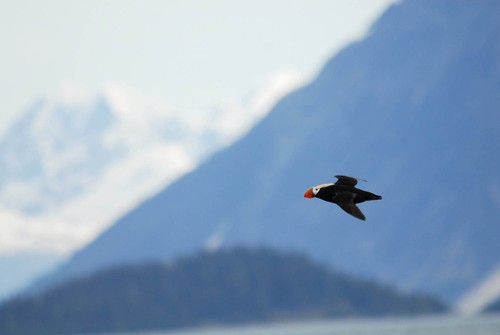
Tufted Puffin
35-41 cm (14-16 in) long, about 63-70 cm wingspan