
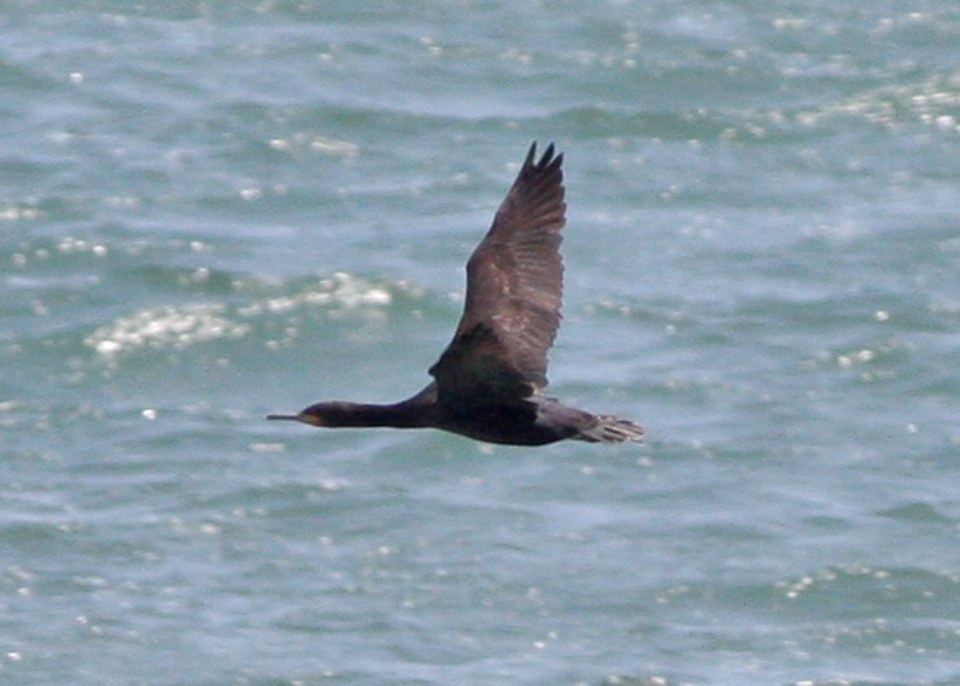
Cape Cormorant
Phalacrocorax capensis
A glossy black cormorant of the southern African coastline that forms some of the largest seabird breeding colonies in the world.
- Size
- 61-64 cm (24-25 in) long, 90-100 cm wingspan
- Habitat
- coastal seas, offshore islands, and rocky shores
- Type
- seabird
Spotted a bird like this?
Identify any bird from a photo, free.
Overview
The Cape Cormorant is a medium-sized, entirely glossy black seabird endemic to the coastal waters of Namibia and South Africa. In breeding condition its plumage takes on an oily bottle-green sheen, and the bare skin at the base of the bill turns a bright orange-yellow. It is a highly gregarious species, famous for forming enormous, dense breeding and roosting colonies numbering in the tens of thousands.
Populations have declined sharply in recent decades due to collapses in the small pelagic fish stocks it depends on, leading to its listing as Endangered.
How to identify it
Key field marks
- All-black glossy plumage with green sheen in breeding season
- Slim, elongated bill
- Bright orange-yellow throat patch and gular skin
- Dense flocks flying low over the sea in long skeins
Similar species
- Bank Cormorant is stockier and darker with less obvious throat color.
- Crowned Cormorant is much smaller.
- White-breasted Cormorant (Great Cormorant) has a white throat and breast, unlike the all-dark Cape Cormorant.
Habitat & range
Habitat
Strictly marine, favoring cold, productive coastal waters over the Benguela upwelling system, offshore islands, and rocky coastlines for breeding.
Range
Endemic to the coasts of Namibia and South Africa.
Migration
Mostly sedentary but disperses locally along the coast in response to shifting fish shoals.
Behavior & voice
Behavior
Extremely social, roosting and breeding in vast dense colonies, and often seen in long, low-flying flocks skimming just above the ocean surface.
Voice
Generally silent at sea; gives harsh croaking calls at breeding colonies.
Feeding
Feeds on schooling fish such as anchovy and sardine, caught by pursuit-diving, sometimes hunting cooperatively in large flocks.
Nesting
Breeds in dense colonies on offshore islands and coastal cliffs, building a simple nest of seaweed and guano; typically lays 2-3 pale blue eggs.
Frequently asked questions
Why is the Cape Cormorant endangered?
Its population has declined due to collapses in the small pelagic fish (anchovy and sardine) stocks it relies on for food, driven by overfishing and shifting ocean conditions.
Where do Cape Cormorants live?
They are found only along the coasts of Namibia and South Africa, within the cold, productive Benguela upwelling system.
How large are Cape Cormorant colonies?
Colonies can historically number in the tens of thousands of birds, among the largest seabird gatherings in the world.
How can I identify a Cape Cormorant?
Look for an all-black, glossy bird with a slender bill and a bright orange-yellow throat patch, often seen in long low flocks over the sea.
Cape Cormorant guides
In-depth guides for identifying, finding, and understanding Cape Cormorant.
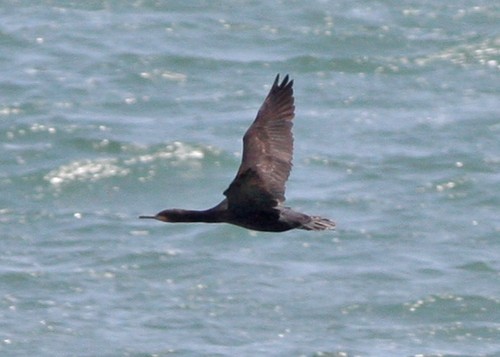
Other birds you may enjoy
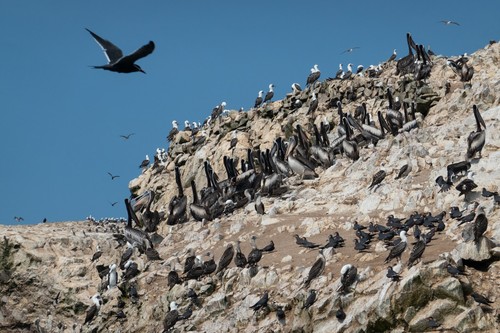
Peruvian Pelican
137-152 cm (54-60 in) long, up to 228 cm wingspan
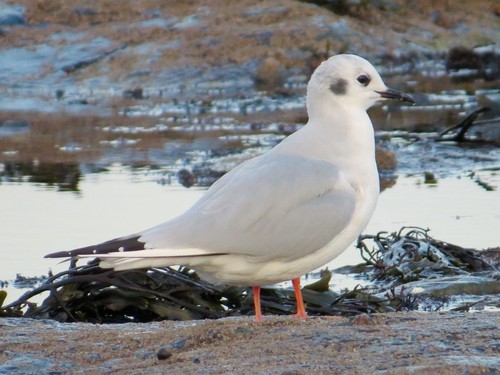
Bonaparte's Gull
28-33 cm (11-13 in) long, 76-84 cm wingspan
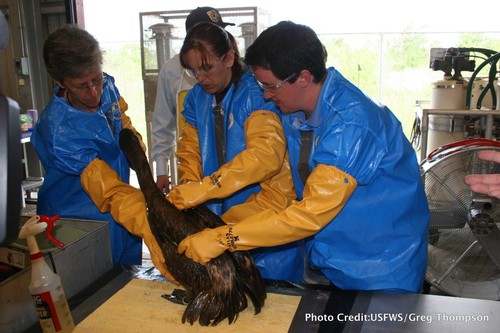
Brown Pelican
106-137 cm (42-54 in) long, 200-230 cm wingspan
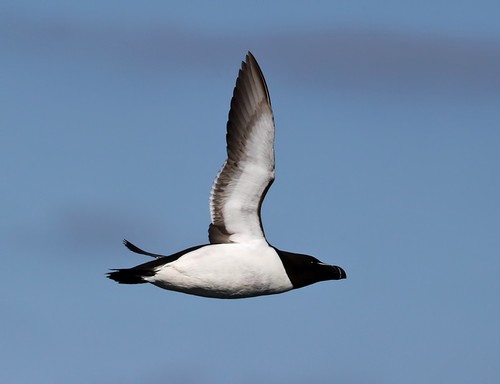
Razorbill
37-39 cm (15-15.5 in) long, 63-68 cm wingspan
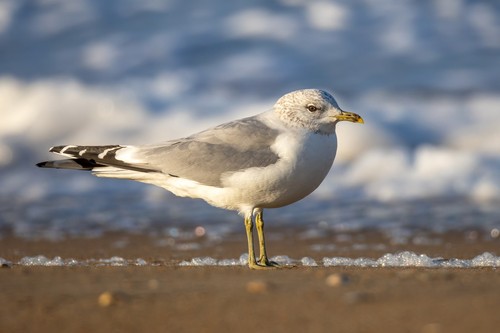
Common Gull
40-46 cm (16-18 in) long, 110-130 cm wingspan
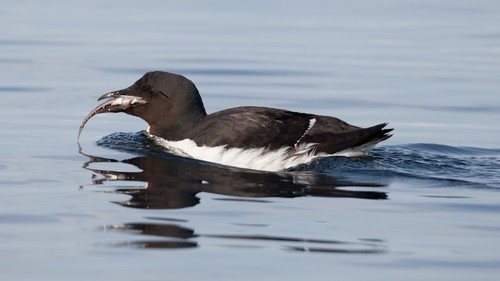
Thick-billed Murre
40-48 cm (16-19 in) long, 65-75 cm wingspan
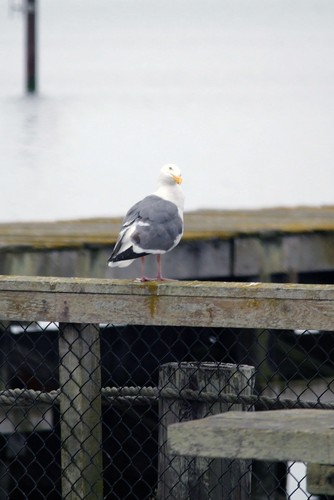
Western Gull
55-68 cm (22-27 in) long, 130-144 cm wingspan
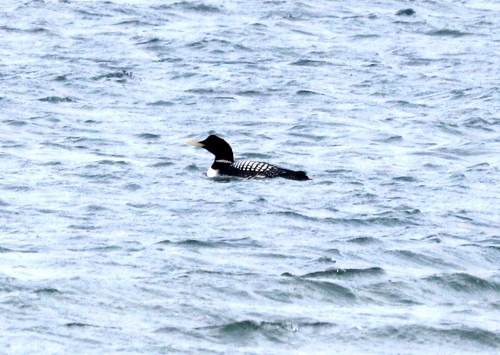
Yellow-billed Loon
76-97 cm (30-38 in) long, 135-152 cm wingspan
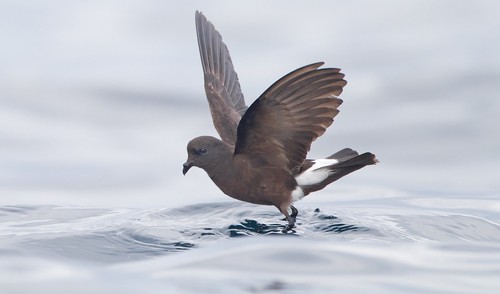
Wilson's Storm-Petrel
15-19 cm (6-7.5 in) long, wingspan 38-42 cm (15-16.5 in)
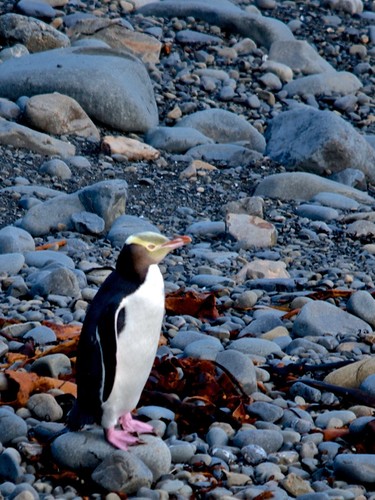
Yellow-eyed Penguin
62-79 cm (24-31 in) tall, 3-8.5 kg (6.6-18.7 lb)
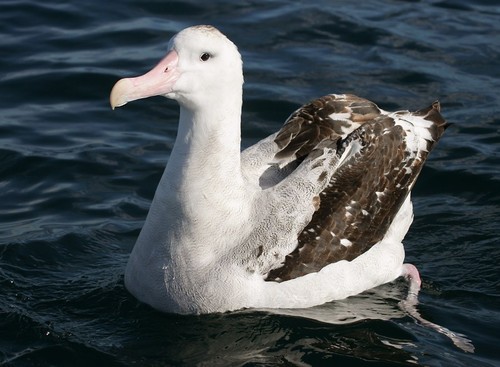
Wandering Albatross
107-135 cm (42-53 in) long, wingspan up to 3.5 m (11.5 ft)
Tufted Puffin
35-41 cm (14-16 in) long, about 63-70 cm wingspan