
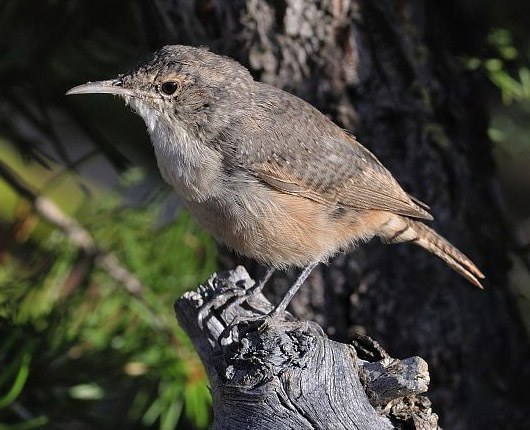
Canyon Wren
Catherpes mexicanus
A rock-clinging wren with a bright white throat and rusty body, famous for its cascading, whistled song echoing through canyons.
- Size
- 11-15 cm (4.3-5.9 in) long, 17-19 cm wingspan
- Habitat
- steep rocky canyons, cliffs, boulder piles, and rock outcrops in arid to semi-arid country
- Type
- songbird
Spotted a bird like this?
Identify any bird from a photo, free.
Overview
The Canyon Wren is a striking bird of rugged rock country, instantly recognizable by the sharp contrast between its brilliant white throat and upper breast and the rich rufous-chestnut of its lower body and tail. The head and back are grayish-brown finely speckled with white and dark markings, and the bill is notably long, thin, and downcurved, an adaptation for probing deep into rock crevices.
More often heard than seen, the Canyon Wren announces its presence with one of the most beautiful and recognizable songs in North America, a descending cascade of clear, silvery whistled notes that echoes dramatically off canyon walls. Its flattened body shape allows it to squeeze into narrow rock crevices while foraging.
How to identify it
Key Field Marks
- Bright white throat and upper breast sharply contrasting with rusty-chestnut lower underparts
- Grayish-brown crown and back finely speckled with white and black
- Long, thin, strongly downcurved bill
- Rufous tail with dark barring
- Flattened, low profile suited to squeezing into rock crevices
Similar Species
Rock Wren shares the same rocky habitat but lacks the sharp white throat, appearing more uniformly pale gray-brown with a shorter, straighter bill and a habit of bobbing on exposed rocks rather than clinging to crevices. The Canyon Wren's song, a ringing descending series of whistles, is entirely distinct from the Rock Wren's buzzy, repetitive trills.
Habitat & range
Habitat
Canyon Wrens are specialists of vertical rock: steep canyon walls, cliff faces, rocky gorges, boulder piles, and sometimes stone buildings, typically in arid or semi-arid landscapes with minimal vegetation.
Range
This species is resident across the canyon country and rocky terrain of the western United States, from the Pacific states east through the Great Basin and Rocky Mountains, and south through the arid Southwest into central Mexico.
Migration
Canyon Wrens are largely non-migratory, remaining on or near their rocky territories year-round, though birds at higher elevations may shift slightly downslope during harsh winters.
Behavior & voice
Behavior
Canyon Wrens creep and flit over vertical rock faces with remarkable agility, probing crevices with their long bills and using their flattened bodies to slip into narrow gaps that other birds cannot reach.
Voice
The song is a distinctive, loud, descending cascade of clear whistled notes, often described as one of the most beautiful bird songs in the West and highly ventriloquial in canyon terrain. The call is a sharp, buzzy 'jeet.'
Feeding
It forages almost entirely on rock surfaces, probing deep into cracks and crevices with its long bill to extract hidden insects and spiders.
Nesting & Breeding
Nests are built in rock crevices, small caves, or occasionally under bridges or in stone buildings, made of moss, grass, and spider webs and lined with softer material. The female lays 4-6 eggs, and pairs often remain on the same territory year after year.
Frequently asked questions
What does a Canyon Wren sound like?
It sings a beautiful, loud, descending cascade of clear whistled notes that echoes distinctively through rocky canyons.
How do you identify a Canyon Wren?
Look for a bright white throat and breast contrasting with rich rusty-chestnut underparts, a long downcurved bill, and a habit of clinging to vertical rock faces.
Where do Canyon Wrens live?
They live year-round on steep rocky canyon walls, cliffs, and boulder piles in arid parts of the western United States and Mexico.
What is the difference between a Canyon Wren and a Rock Wren?
Canyon Wren has a bold white throat and rusty belly with a longer curved bill, while Rock Wren is more uniformly pale gray-brown and bobs on exposed rocks rather than clinging to crevices.
What does a Canyon Wren eat?
It eats insects and spiders extracted from deep rock crevices using its long, thin bill.
Canyon Wren guides
In-depth guides for identifying, finding, and understanding Canyon Wren.
Other birds you may enjoy
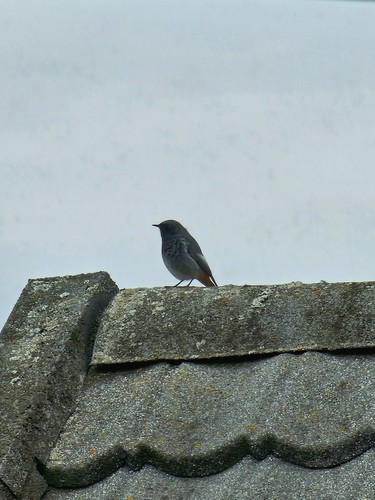
Black Redstart
13-14.5 cm (5.1-5.7 in) long, 23-26 cm wingspan
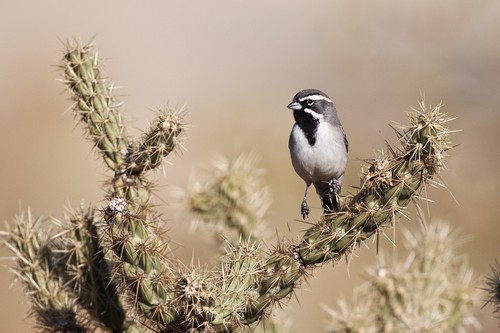
Black-throated Sparrow
12-14 cm (4.7-5.5 in) long, about 19-20 cm (7.5-8 in) wingspan
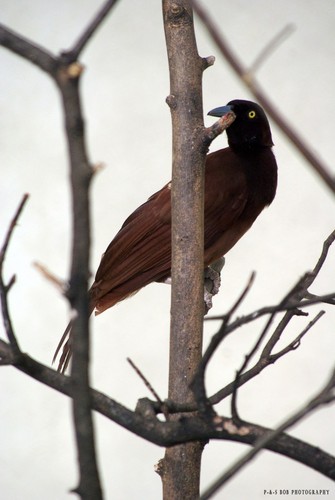
Greater Bird-of-paradise
Body about 43 cm; males with additional flank plumes up to 50 cm and long tail wires
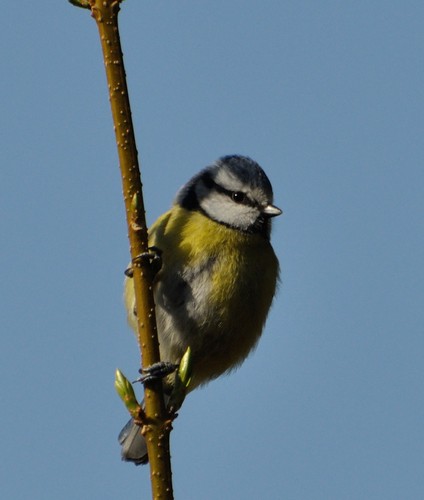
Blue Tit
11-12 cm (4.3-4.7 in) long, 17-20 cm wingspan
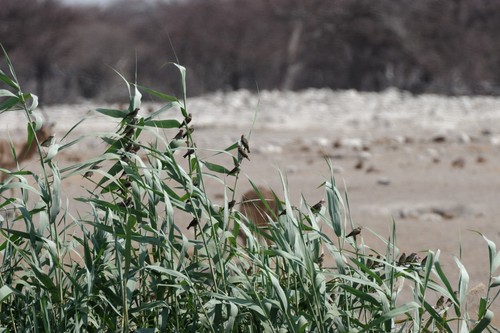
Red-billed Quelea
11.5–13 cm long, wingspan about 20–22 cm
White-plumed Antbird
13-14 cm (5-5.5 in) long
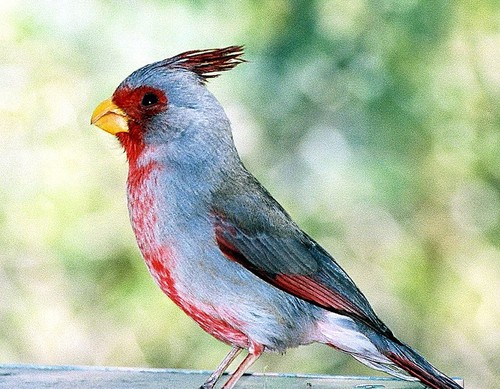
Pyrrhuloxia
19-22 cm (7.5-8.7 in) long, 30 cm wingspan
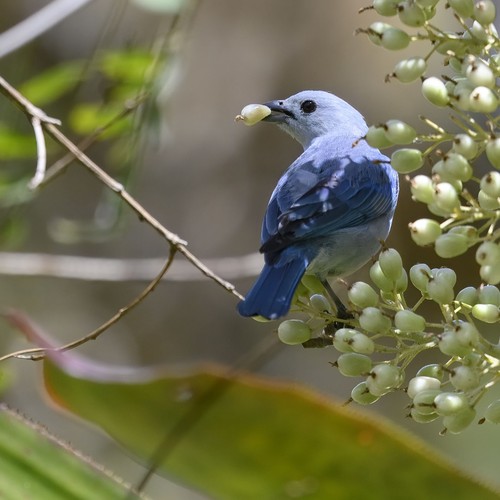
Blue-gray Tanager
16-18 cm (6-7 in) long

Blackburnian Warbler
11-13 cm (4.3-5.1 in) long, 20-22 cm wingspan
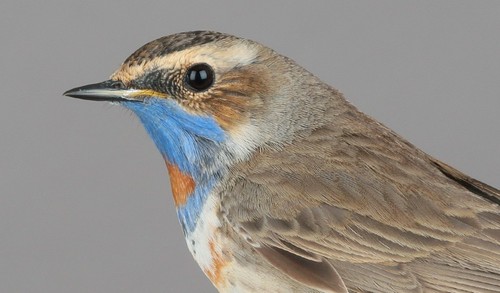
Bluethroat
13-14 cm (5.1-5.5 in) long, 20-22 cm wingspan
Eurasian Nuthatch
12-14.5 cm (4.7-5.7 in) long, 22.5-27 cm wingspan

Wood Thrush
19-21 cm (7.5-8.3 in) long, about 33 cm (13 in) wingspan