
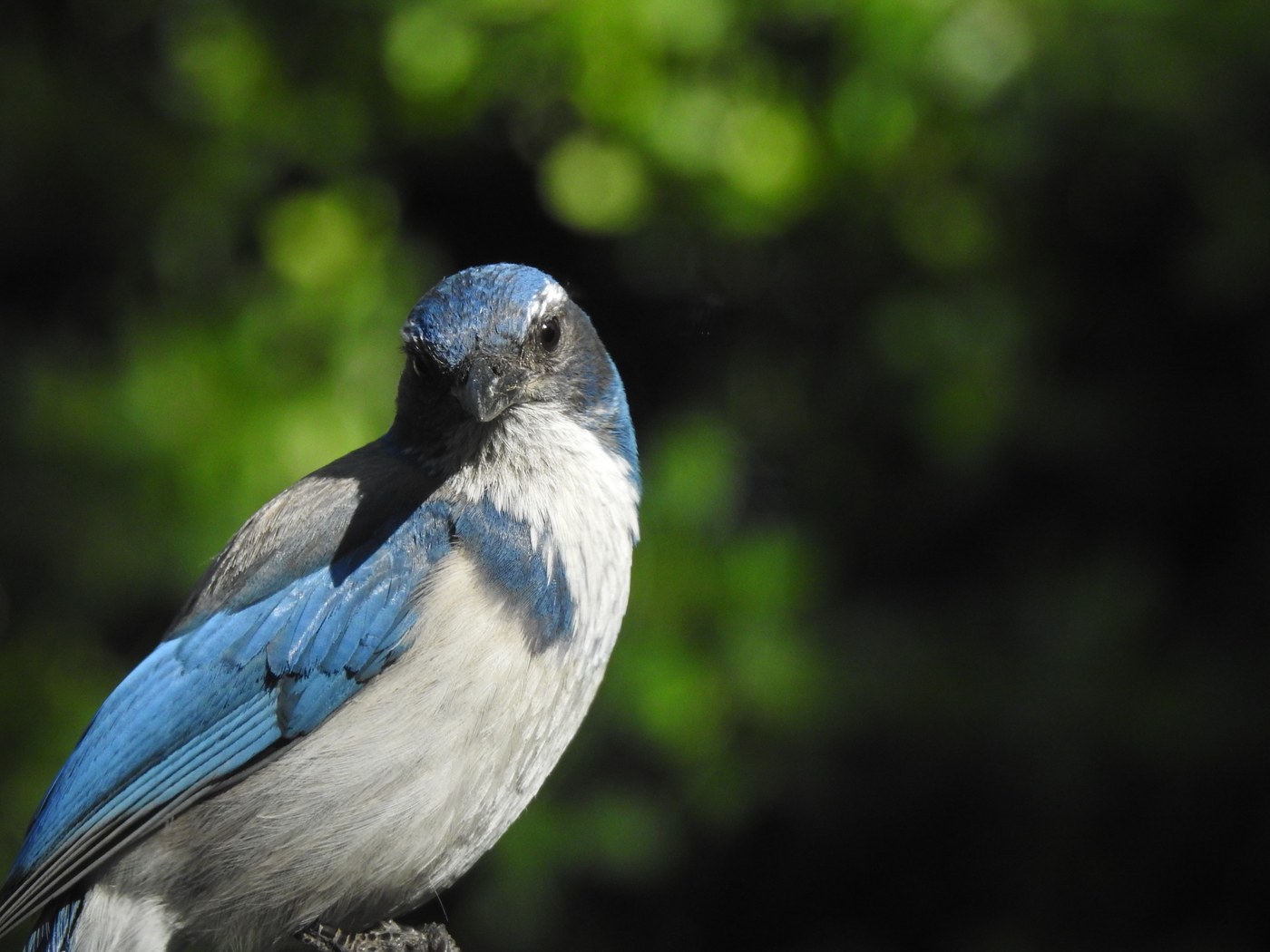
California Scrub-Jay
Aphelocoma californica
A crestless, bold blue-and-gray jay of West Coast oak woodlands and suburban yards, closely tied to acorn crops.
- Size
- 27-31 cm (11-12 in) long, 39-41 cm wingspan
- Habitat
- oak woodlands, chaparral, suburban gardens, and coastal scrub of the West Coast
- Type
- songbird
Spotted a bird like this?
Identify any bird from a photo, free.
Overview
The California Scrub-Jay is a crestless jay with vivid blue head, wings, and tail, a gray-brown back, and pale grayish-white underparts crossed by a distinct blue necklace across the upper breast. A pale eyebrow stripe and grayish cheek patch complete its face pattern.
This species was split from the Woodhouse's Scrub-Jay (formerly combined as the Western Scrub-Jay) in 2016 based on differences in habitat, plumage, and genetics. It is a common, conspicuous resident of oak woodlands and suburban areas along the Pacific coast, well known for its close ecological relationship with oak trees, whose acorns it caches by the thousands each fall.
How to identify it
Key Field Marks
- No crest, unlike Steller's or Blue Jay
- Bright blue head, wings, and tail
- Gray-brown back
- Pale gray-white underparts with a distinct blue necklace band across the chest
- Whitish eyebrow stripe
Similar Species
- Woodhouse's Scrub-Jay is very similar but appears slightly paler and grayer overall with a less defined necklace, and occupies interior pinyon-juniper habitat rather than coastal oak woodland; the two species' ranges meet but rarely overlap.
- Steller's Jay has a prominent black crest and much darker, sootier head, easily distinguishing it from the crestless scrub-jay.
Habitat & range
Habitat
California Scrub-Jays favor oak woodland, chaparral, coastal scrub, and are highly adaptable to suburban gardens, parks, and backyards throughout their range.
Range
Found along the Pacific coast and adjacent lowlands from southern Washington through California into Baja California, generally west of the Sierra Nevada and Cascades.
Migration
This species is non-migratory, with pairs typically maintaining a permanent territory year-round.
Behavior & voice
Behavior
California Scrub-Jays are bold, intelligent, and territorial, famous for their extensive fall caching of acorns, burying thousands each season and later relocating most with excellent spatial memory, an important process for oak forest regeneration.
Voice
Calls include a harsh, scratchy check or shreep, along with various rattles and softer notes used between mates.
Feeding
Acorns are a dietary staple, especially in fall and winter, supplemented by insects, other seeds and fruit, and occasionally eggs or nestlings of smaller birds.
Nesting
Pairs build a twig nest in a shrub or low tree; the female incubates 3-6 pale green, brown-spotted eggs while the male provides food, and both parents feed the young.
Frequently asked questions
How is the California Scrub-Jay different from the Woodhouse's Scrub-Jay?
The California Scrub-Jay is slightly brighter blue with a bolder necklace and lives in coastal oak woodland, while the paler, grayer Woodhouse's Scrub-Jay occupies interior pinyon-juniper habitat; the two were split from the former Western Scrub-Jay in 2016.
Does the California Scrub-Jay have a crest?
No, unlike Steller's Jay or the Blue Jay, it has no crest at all.
Why do California Scrub-Jays bury acorns?
They cache thousands of acorns each fall to eat during leaner months, and forgotten caches help oak trees spread and regenerate.
Where do California Scrub-Jays live?
They live in oak woodlands, chaparral, and suburban areas along the Pacific coast from Washington to Baja California.
California Scrub-Jay guides
In-depth guides for identifying, finding, and understanding California Scrub-Jay.
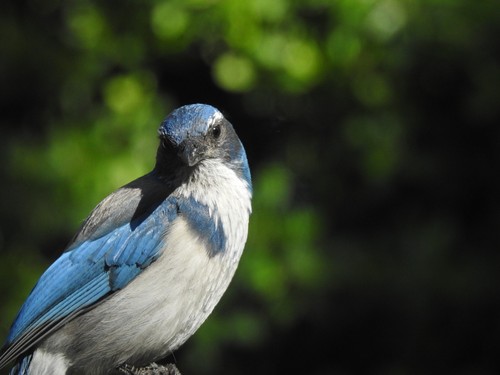
Other birds you may enjoy
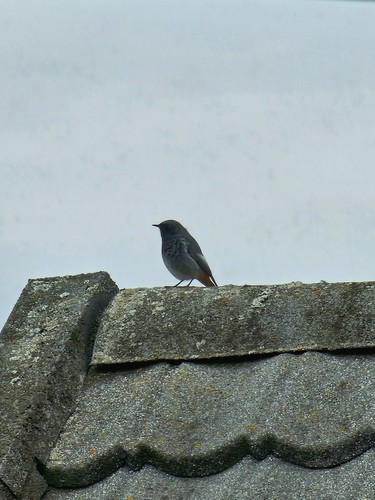
Black Redstart
13-14.5 cm (5.1-5.7 in) long, 23-26 cm wingspan
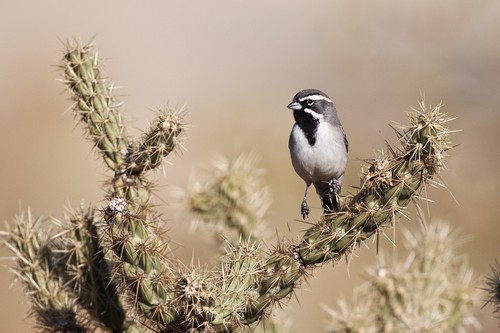
Black-throated Sparrow
12-14 cm (4.7-5.5 in) long, about 19-20 cm (7.5-8 in) wingspan
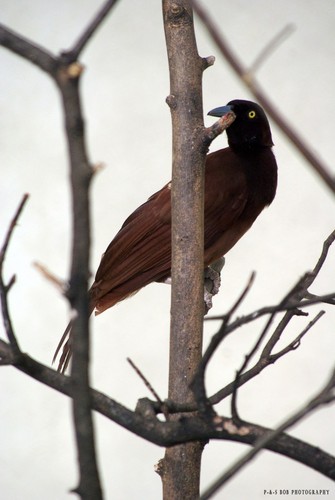
Greater Bird-of-paradise
Body about 43 cm; males with additional flank plumes up to 50 cm and long tail wires
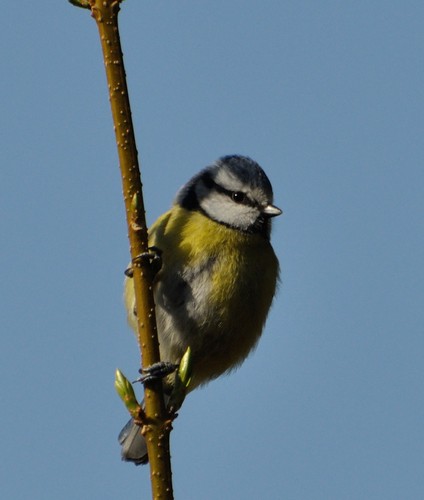
Blue Tit
11-12 cm (4.3-4.7 in) long, 17-20 cm wingspan
Red-billed Quelea
11.5–13 cm long, wingspan about 20–22 cm
White-plumed Antbird
13-14 cm (5-5.5 in) long
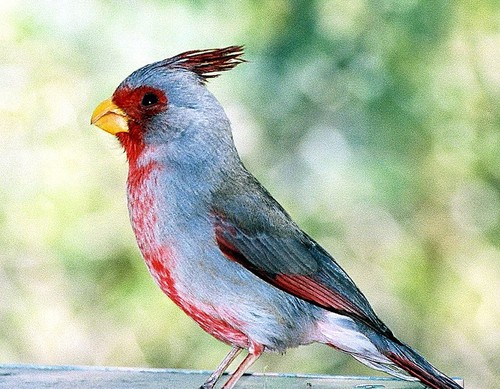
Pyrrhuloxia
19-22 cm (7.5-8.7 in) long, 30 cm wingspan
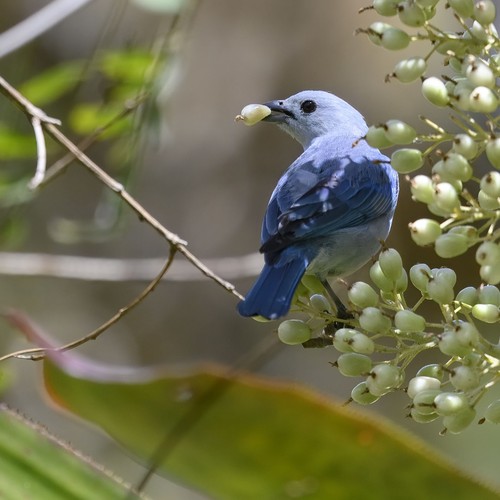
Blue-gray Tanager
16-18 cm (6-7 in) long
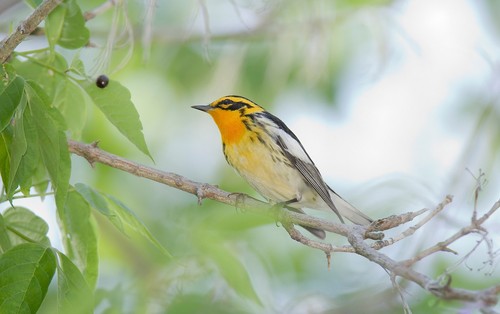
Blackburnian Warbler
11-13 cm (4.3-5.1 in) long, 20-22 cm wingspan
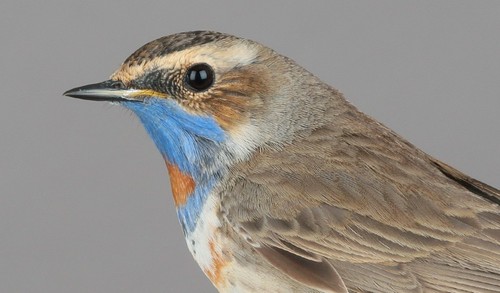
Bluethroat
13-14 cm (5.1-5.5 in) long, 20-22 cm wingspan
Eurasian Nuthatch
12-14.5 cm (4.7-5.7 in) long, 22.5-27 cm wingspan
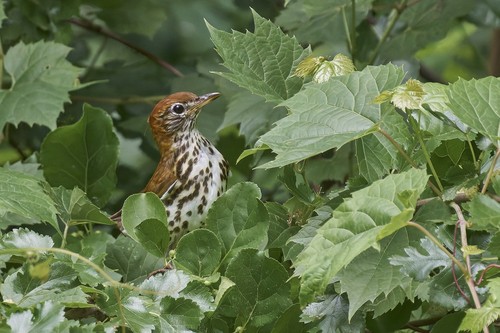
Wood Thrush
19-21 cm (7.5-8.3 in) long, about 33 cm (13 in) wingspan