
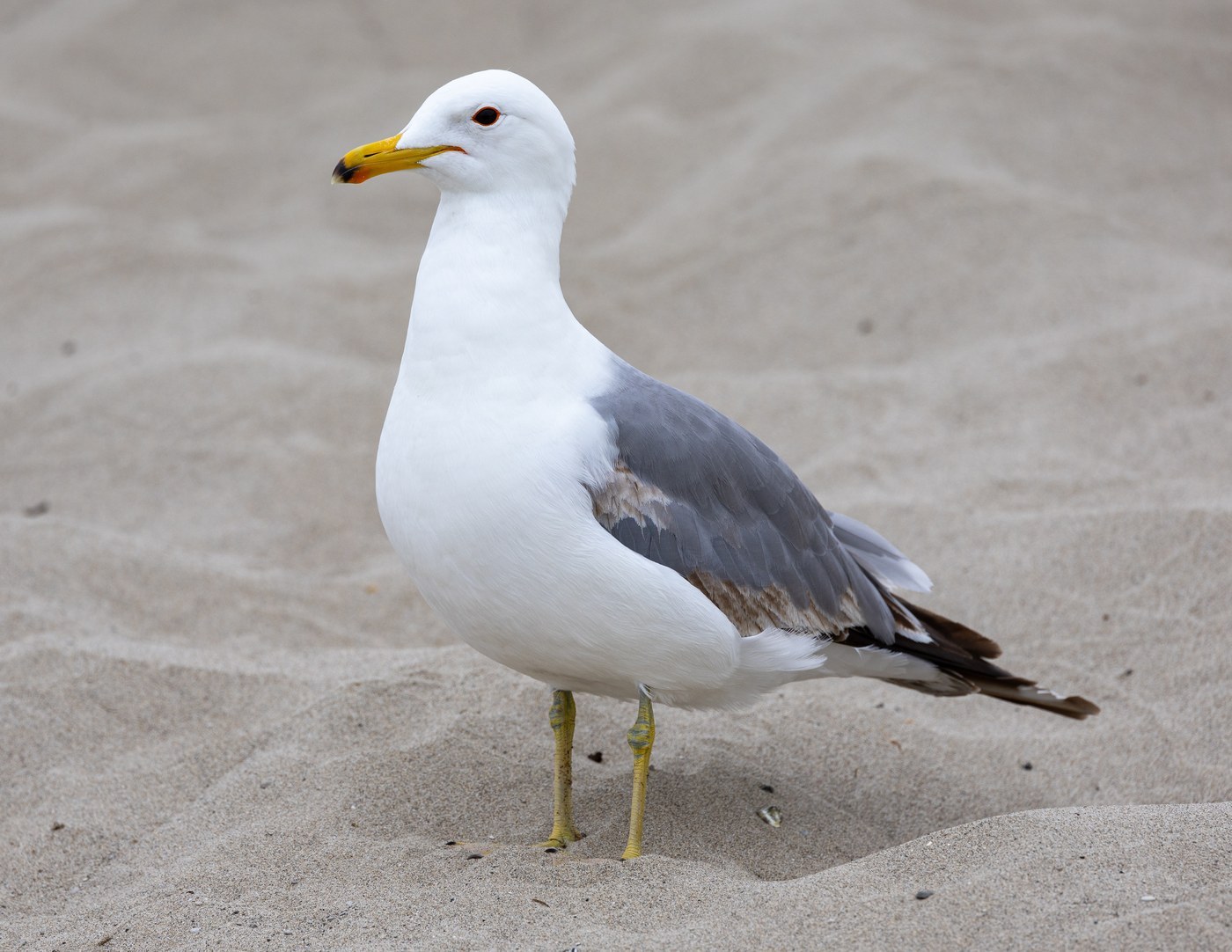
California Gull
Larus californicus
A medium-large western gull celebrated in Utah folklore for eating a devastating cricket infestation that threatened early Mormon settlers' crops.
- Size
- 46-55 cm (18-22 in) long, 122-140 cm wingspan
- Habitat
- inland lakes and marshes for breeding; Pacific coast beaches and bays in winter
- Type
- seabird
Spotted a bird like this?
Identify any bird from a photo, free.
Overview
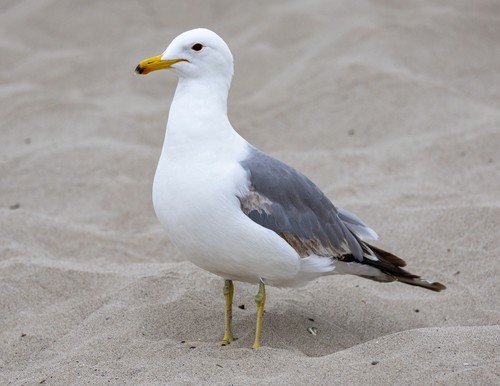
The California Gull is a medium-large gull that nests in huge colonies on isolated islands within interior lakes of the western United States and Canada, then disperses to the Pacific coast for the winter. Adults have a medium gray mantle, slightly darker than a Ring-billed Gull but paler than a Western Gull, with a white head, neck, and underparts.
The bill is yellow with both a red and a black spot near the tip, a helpful distinguishing feature, and the legs are yellow-green to greenish-yellow, sometimes appearing dull yellow. The dark eye gives the face a somewhat softer look than some pale-eyed relatives.
This species holds a special place in American folklore as the state bird of Utah, commemorated for a event in 1848 known as the "Miracle of the Gulls," when large flocks reportedly descended on farmland to consume a swarm of Mormon crickets that threatened the survival of early settlers' crops.
How to identify it
Key field marks
- Medium gray mantle, darker than Ring-billed Gull but paler than Western Gull
- Yellow bill with both a red and a black spot near the tip
- Yellow-green to dull yellow legs
- Dark eye
- Medium-large, fairly slender build
Similar species
- Ring-billed Gull: smaller, paler mantle, yellow bill with a single black ring (no red spot), pale eye.
- Herring Gull: larger, pinkish legs, paler mantle, bill with only a red spot (no black spot).
- Western Gull: noticeably darker mantle and heavier bill, restricted to the immediate Pacific coast.
Habitat & range
Habitat
Breeds colonially on islands in large interior lakes, reservoirs, and marshes across the western United States and southwestern Canada, including famous colonies at Utah's Great Salt Lake and California's Mono Lake. Winters along the Pacific coast in bays, beaches, harbors, and agricultural fields.
Range and migration
Breeding range spans the interior western United States and adjacent Canada; most birds migrate to the Pacific coast from British Columbia south to Mexico for the non-breeding season.
Behavior & voice
Behavior
Highly social and opportunistic, California Gulls forage over farmland, landfills, and lakes, and are notable predators of the eggs and chicks of other colonial waterbirds at their breeding lakes.
Voice
Calls include a range of typical large-gull notes: harsh, laughing "kyow" calls and long calls given with head thrown back during territorial and courtship displays.
Feeding
Opportunistic and varied, including insects (notably brine flies and crickets at alkaline lakes), fish, small mammals, eggs and chicks of other birds, and refuse.
Nesting and breeding
Nests in dense colonies, often on predator-free islands within large lakes, building a ground scrape lined with vegetation. Clutches typically contain two to three eggs, incubated by both parents for about three to four weeks.
Frequently asked questions
Why is the California Gull the state bird of Utah?
It commemorates the 1848 'Miracle of the Gulls,' when flocks of California Gulls reportedly ate a swarm of crickets that was destroying early settlers' crops near the Great Salt Lake.
How do you tell a California Gull from a Ring-billed Gull?
California Gull is larger with a darker gray mantle and a bill showing both a red and a black spot, while Ring-billed Gull is smaller, paler, and has a single black ring around the bill.
Where do California Gulls nest?
They nest colonially on islands within large interior lakes and reservoirs of the western United States and southwestern Canada, notably the Great Salt Lake and Mono Lake.
What do California Gulls eat?
A wide variety of food including insects, fish, small mammals, eggs and chicks of other birds, and human refuse.
California Gull guides
In-depth guides for identifying, finding, and understanding California Gull.
Other birds you may enjoy
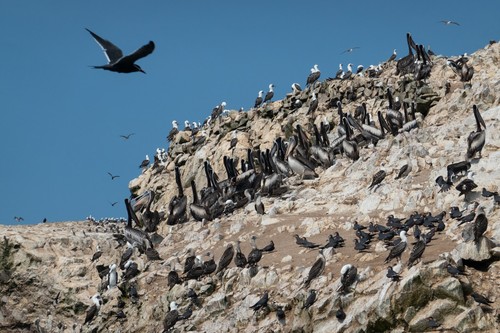
Peruvian Pelican
137-152 cm (54-60 in) long, up to 228 cm wingspan
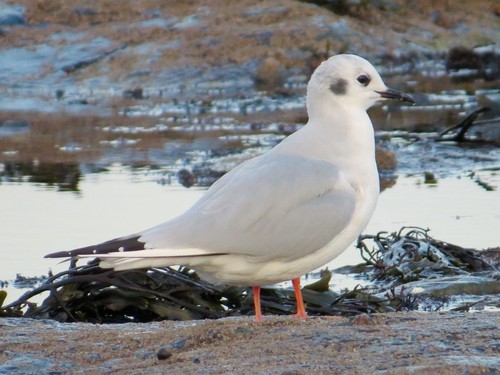
Bonaparte's Gull
28-33 cm (11-13 in) long, 76-84 cm wingspan
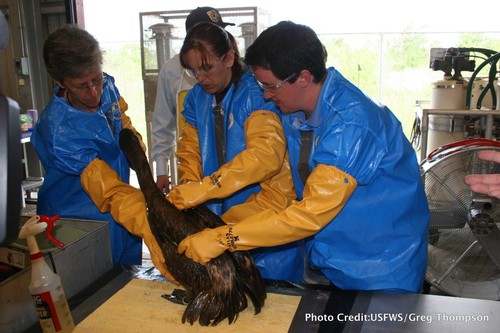
Brown Pelican
106-137 cm (42-54 in) long, 200-230 cm wingspan
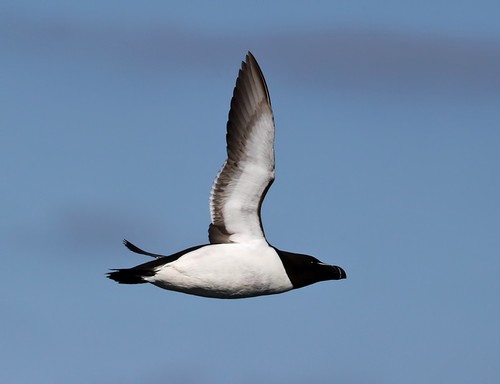
Razorbill
37-39 cm (15-15.5 in) long, 63-68 cm wingspan
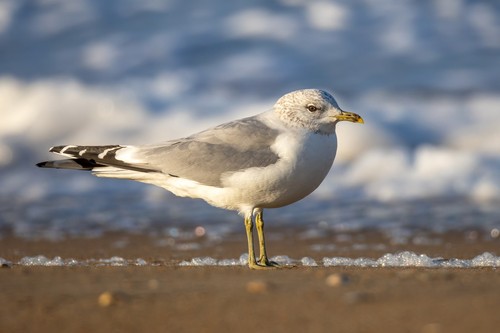
Common Gull
40-46 cm (16-18 in) long, 110-130 cm wingspan
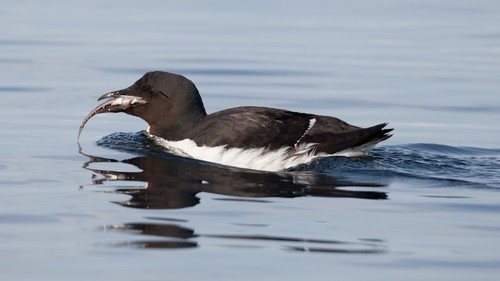
Thick-billed Murre
40-48 cm (16-19 in) long, 65-75 cm wingspan
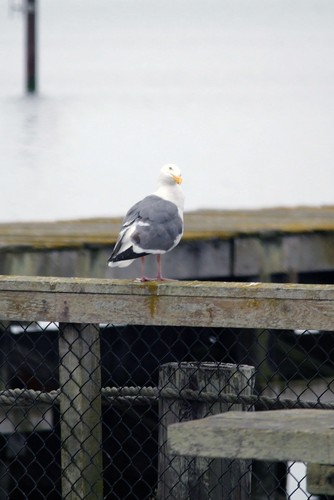
Western Gull
55-68 cm (22-27 in) long, 130-144 cm wingspan
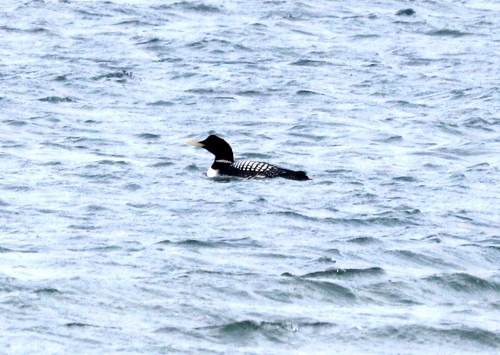
Yellow-billed Loon
76-97 cm (30-38 in) long, 135-152 cm wingspan
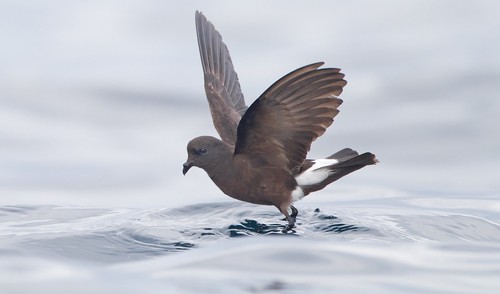
Wilson's Storm-Petrel
15-19 cm (6-7.5 in) long, wingspan 38-42 cm (15-16.5 in)
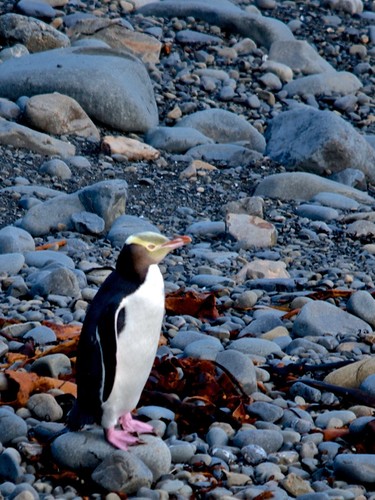
Yellow-eyed Penguin
62-79 cm (24-31 in) tall, 3-8.5 kg (6.6-18.7 lb)
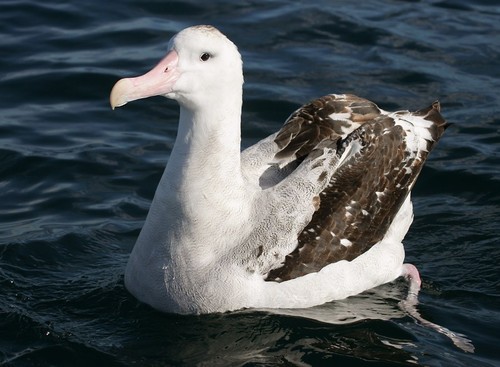
Wandering Albatross
107-135 cm (42-53 in) long, wingspan up to 3.5 m (11.5 ft)
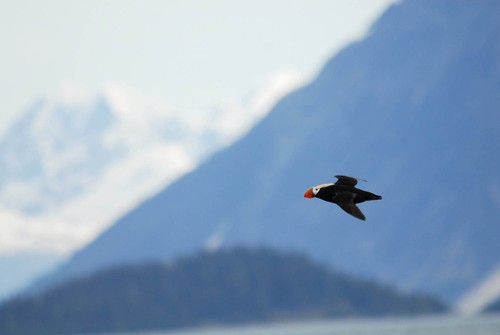
Tufted Puffin
35-41 cm (14-16 in) long, about 63-70 cm wingspan