
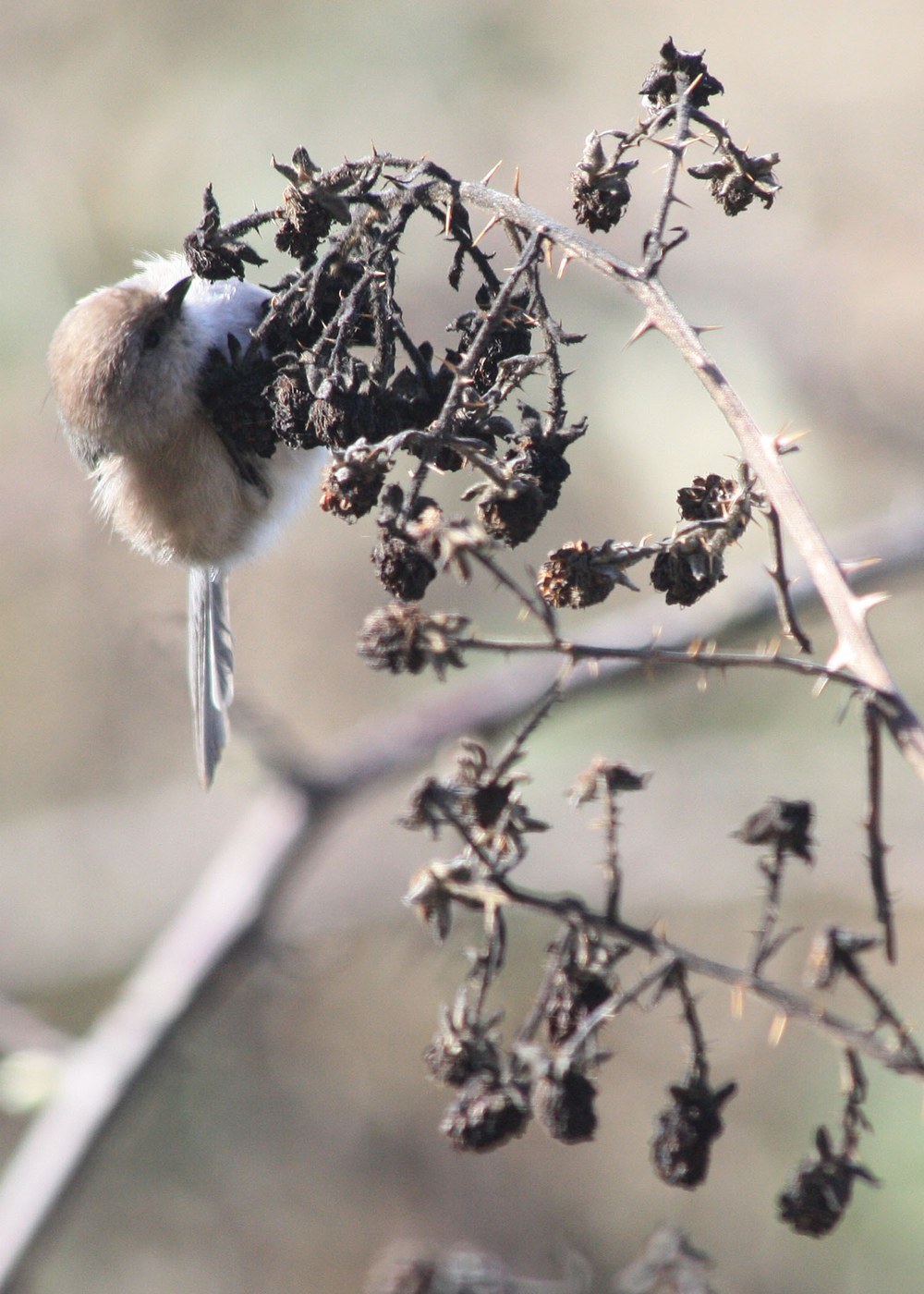
Bushtit
Psaltriparus minimus
A tiny, plain gray-brown songbird that travels in noisy, tumbling flocks and builds an elaborate hanging sock-like nest.
- Size
- 9.5-11.5 cm (3.7-4.5 in) long, 15-18 cm wingspan
- Habitat
- oak woodlands, chaparral, scrub, and gardens of the western United States and Mexico
- Type
- songbird
Spotted a bird like this?
Identify any bird from a photo, free.
Overview
The Bushtit is one of the smallest songbirds in North America, a round-bodied, long-tailed ball of gray-brown fluff with a tiny stubby bill and dark eyes (pale iris in adult females, dark in males and juveniles). Plumage is subtly variable across its range, with some interior populations (formerly considered a separate species, the "Black-eared Bushtit") showing a dark ear patch on males. Despite its plain appearance, the Bushtit is beloved for its highly social behavior and its remarkable engineering feat: a long, hanging, sock-like nest woven from moss, spiderweb, and lichen.
Bushtits are almost never seen alone, moving through shrubs and trees in constantly chattering flocks that can number a dozen or more birds, foraging together with impressive coordination.
How to identify it
Key Field Marks
- Tiny, round-bodied, long-tailed songbird
- Plain gray-brown overall, with brownish cap in some populations
- Tiny stubby dark bill
- Pale eye in adult females; dark eye in males and juveniles
- Almost always seen in active, chattering flocks
Similar Species
- Bewick's Wren: has a longer, more prominent white eyebrow and a cocked tail edged in white, and a thinner, more decurved bill.
- Verdin: has a yellow face/throat (adults) and a sharper, more pointed bill, and is typically solitary rather than flocking.
- Kinglets: have wing bars and a colored crown patch, lacking the Bushtit's uniformly plain, long-tailed silhouette.
Habitat & range
Habitat
Bushtits inhabit oak woodland, chaparral, riparian scrub, pinyon-juniper woodland, and suburban gardens with dense shrubbery, generally avoiding dense unbroken forest.
Range
The species ranges from the Pacific Northwest and Rocky Mountain foothills through California, the Southwest, and Mexico into Guatemala.
Migration
Bushtits are largely non-migratory, remaining resident within their range year-round, though flocks may wander locally in search of food, especially in winter.
Behavior & voice
Behavior
Bushtits are intensely social, moving through vegetation in coordinated, constantly chattering flocks, foraging cooperatively and roosting huddled together for warmth on cold nights; some pairs even receive help from "helper" birds at the nest.
Voice
Calls are soft, high-pitched, contact notes — thin "tsit" or "pit" sounds given continuously by flock members to stay in contact; there is no loud, distinct song.
Feeding
Diet is dominated by small insects and spiders gleaned from foliage and bark, with some seeds and berries taken as well; flocks forage acrobatically, often hanging upside down from twigs.
Nesting
The Bushtit's nest is one of its most remarkable features: an elaborately woven, hanging, sock- or gourd-shaped structure up to 30 cm (1 ft) long, built from moss, spiderweb, lichen, and plant down, with a small entrance hole near the top. Clutches typically number 5-7 eggs, and both parents, sometimes aided by helper birds, care for the young.
Frequently asked questions
Why are Bushtits always seen in groups?
They are highly social year-round, foraging, roosting, and even nesting cooperatively in flocks, which likely helps with predator detection and thermoregulation.
What does a Bushtit nest look like?
It is an elaborate, hanging, sock- or gourd-shaped structure woven from moss, spiderweb, and lichen, often up to a foot long, with a small side entrance near the top.
How can I attract Bushtits to my yard?
Providing dense native shrubs, suet feeders, and a water source can attract foraging flocks, though this is general habitat guidance rather than feeding instructions specific to the species.
How do I tell a male from a female Bushtit?
Adult females have a pale, whitish iris, while males and juveniles have a dark eye; some interior populations of males also show a dark ear patch.
What does the Bushtit eat?
Mostly small insects and spiders gleaned from leaves and bark, supplemented with some seeds and berries.
Bushtit guides
In-depth guides for identifying, finding, and understanding Bushtit.
Other birds you may enjoy
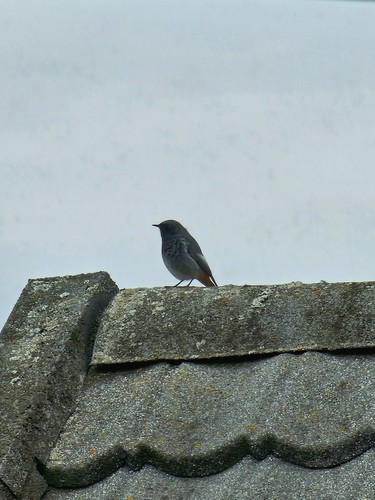
Black Redstart
13-14.5 cm (5.1-5.7 in) long, 23-26 cm wingspan
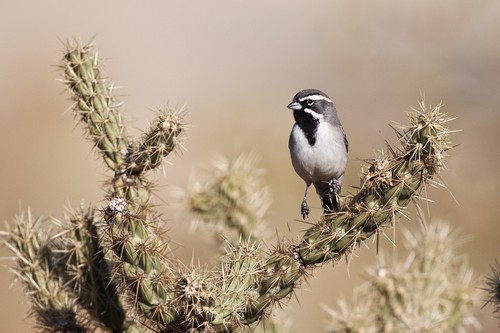
Black-throated Sparrow
12-14 cm (4.7-5.5 in) long, about 19-20 cm (7.5-8 in) wingspan
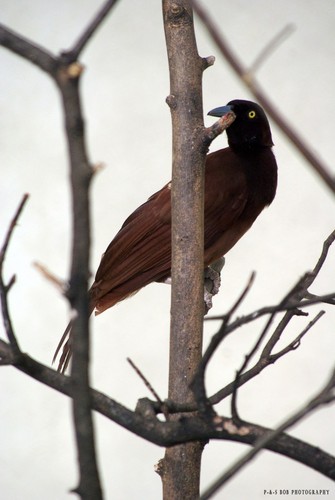
Greater Bird-of-paradise
Body about 43 cm; males with additional flank plumes up to 50 cm and long tail wires
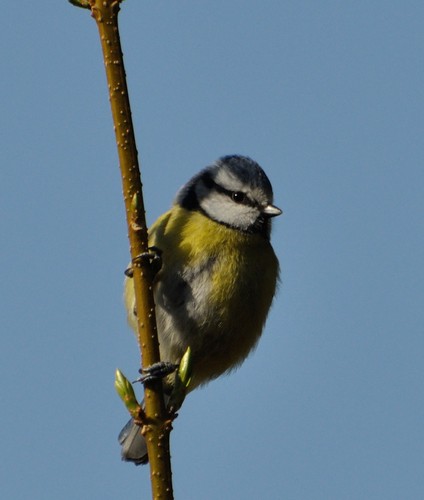
Blue Tit
11-12 cm (4.3-4.7 in) long, 17-20 cm wingspan
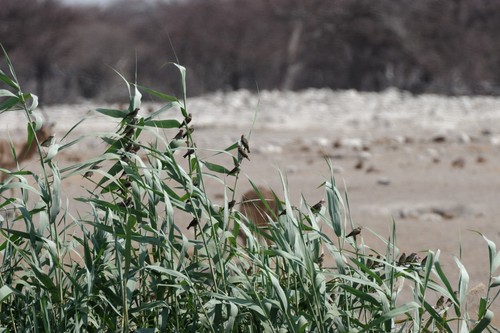
Red-billed Quelea
11.5–13 cm long, wingspan about 20–22 cm
White-plumed Antbird
13-14 cm (5-5.5 in) long
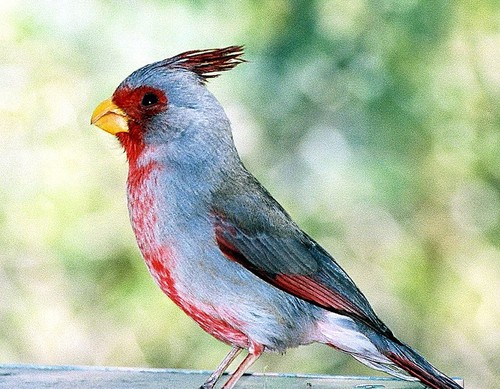
Pyrrhuloxia
19-22 cm (7.5-8.7 in) long, 30 cm wingspan
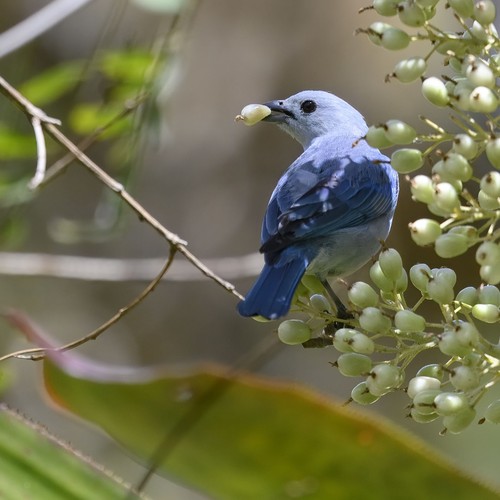
Blue-gray Tanager
16-18 cm (6-7 in) long
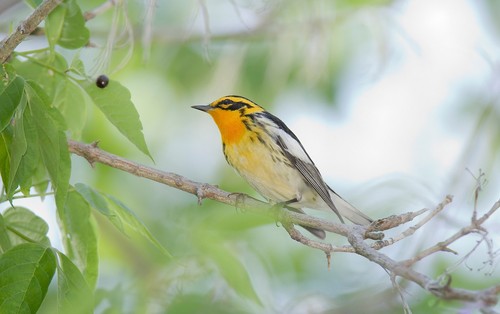
Blackburnian Warbler
11-13 cm (4.3-5.1 in) long, 20-22 cm wingspan
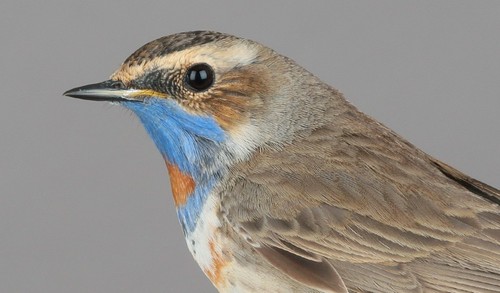
Bluethroat
13-14 cm (5.1-5.5 in) long, 20-22 cm wingspan
Eurasian Nuthatch
12-14.5 cm (4.7-5.7 in) long, 22.5-27 cm wingspan
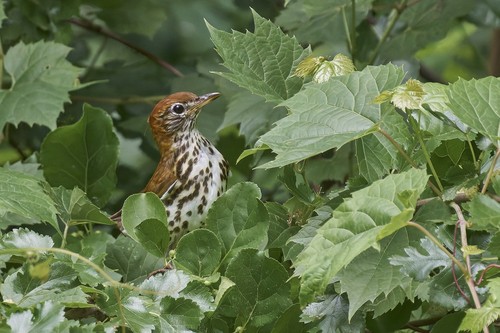
Wood Thrush
19-21 cm (7.5-8.3 in) long, about 33 cm (13 in) wingspan