
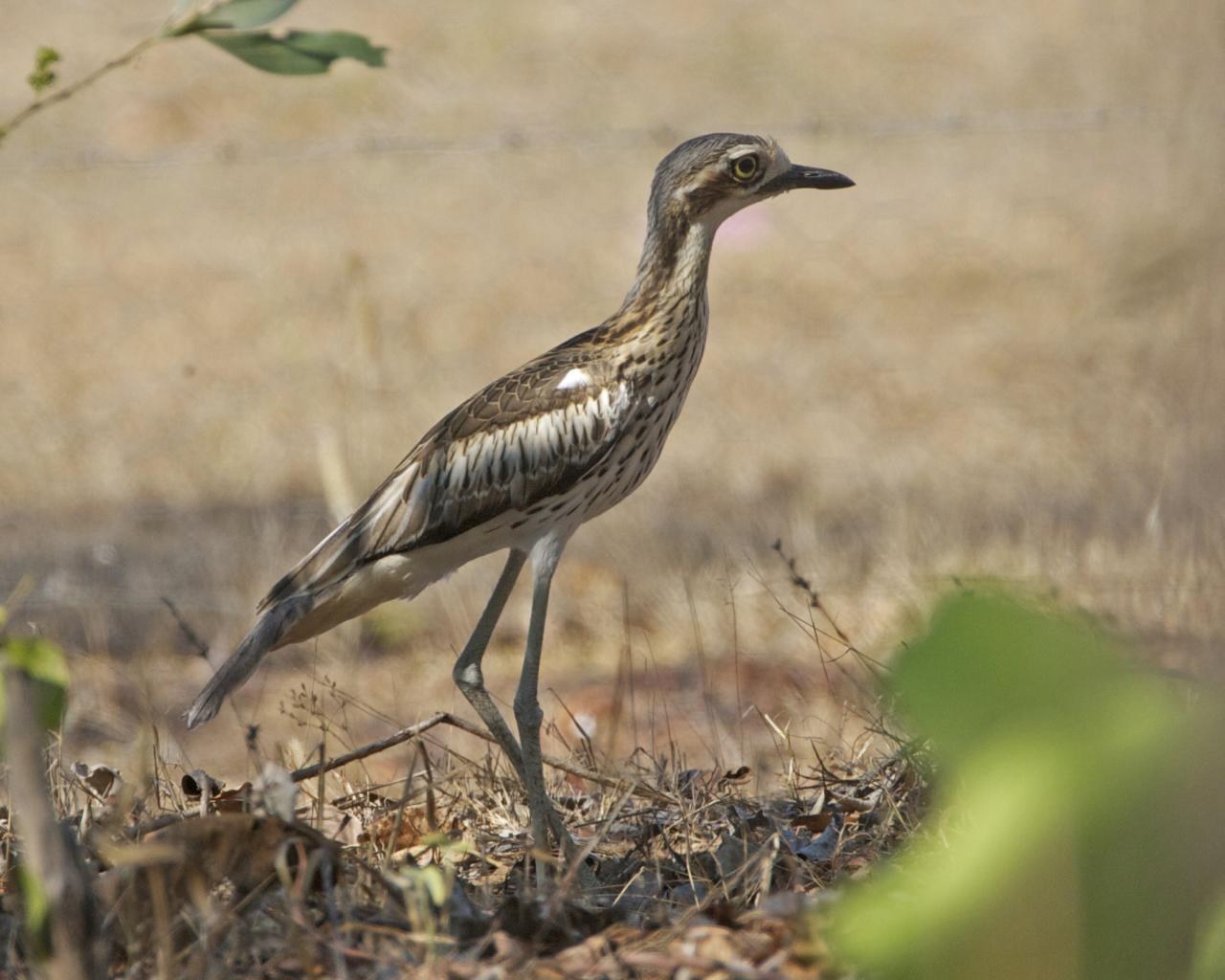
Bush Stone-curlew
Burhinus grallarius
A large, cryptic ground bird with enormous yellow eyes and an eerie, wailing call heard mostly after dark.
- Size
- 54-59 cm (21-23 in) tall
- Habitat
- open woodlands, grassy plains, and pastures with scattered timber
- Type
- shorebird
Spotted a bird like this?
Identify any bird from a photo, free.
Overview
The Bush Stone-curlew is a large, ground-dwelling, mostly nocturnal bird instantly distinguished by its huge, staring yellow eyes and long, thin legs. Its plumage is a finely streaked, mottled grey-brown, providing exceptional camouflage against leaf litter and dry grass, and it stands tall and upright on long legs with a slightly hunched posture.
Unlike true curlews and other shorebirds it resembles in build, the Bush Stone-curlew is not tied to water and is instead a bird of dry, open woodland and grassy country, where it relies on stillness and camouflage rather than flight to avoid predators during the day. When disturbed, it may freeze in a stretched, motionless posture that makes it remarkably difficult to spot.
The species is best known to most Australians through its haunting, wailing call, delivered mainly at night, which has long featured in bush folklore as an eerie and evocative sound of the Australian night.
How to identify it
Key field marks
- Large, upright ground bird with long, thin, greyish legs
- Big, staring yellow eyes
- Finely streaked and mottled grey-brown plumage overall
- Short, straight dark bill
- Often stands motionless or crouches flat when alarmed
Similar species
No other Australian bird shares its combination of huge yellow eyes, cryptic streaked plumage, and upright stance on open ground. The related Beach Stone-curlew is larger, found on coastal mudflats and beaches rather than inland woodland, and has a bold black-and-white face pattern and heavier black bill, quite different from the plain-faced Bush Stone-curlew.
Habitat & range
Habitat
This species favours open eucalypt woodland, grassy plains, and pastoral country with scattered trees and fallen timber, and can also occur in parks and golf courses with suitable cover.
Range
It is found across most of mainland Australia except the most arid interior, though it has become scarce or locally extinct across much of southeastern Australia due to habitat clearing and predation by introduced foxes and cats; it remains relatively common in northern Australia.
Migration
Bush Stone-curlews are largely sedentary, holding stable home ranges, though some local dispersal of young birds occurs.
Behavior & voice
Behavior
It is primarily nocturnal, resting by day in a crouched, cryptic posture under cover and becoming active at dusk to forage. When threatened, it typically relies on camouflage and stillness rather than flushing.
Voice
The call is a loud, mournful, wailing 'wee-loo' delivered mainly at night, often by pairs or groups calling in a chorus that can carry long distances and is a distinctive sound of the Australian bush after dark.
Feeding
Bush Stone-curlews forage at night on the ground for insects, spiders, small reptiles, and occasionally small mammals, walking slowly and pausing to snatch prey.
Nesting and breeding
The nest is a simple scrape on bare ground, often near a log or clump of grass, with little or no lining; one or two eggs are laid, and both parents share incubation and defence of the well-camouflaged eggs and chicks.
Frequently asked questions
What does a Bush Stone-curlew sound like?
It gives a loud, mournful wailing call, often described as 'wee-loo', delivered mainly at night.
Is the Bush Stone-curlew nocturnal?
Yes, it is mostly active at night, resting camouflaged on the ground by day.
Why has the Bush Stone-curlew declined in southeastern Australia?
Habitat clearing and predation by introduced foxes and cats have caused significant declines in southern parts of its range, even though it remains common in the north.
What does a Bush Stone-curlew eat?
It eats insects, spiders, small reptiles, and occasionally small mammals, foraged at night on the ground.
How does a Bush Stone-curlew avoid predators?
It relies heavily on cryptic streaked plumage and a frozen, stretched posture to blend into leaf litter and grass rather than fleeing.
Bush Stone-curlew guides
In-depth guides for identifying, finding, and understanding Bush Stone-curlew.
Other birds you may enjoy
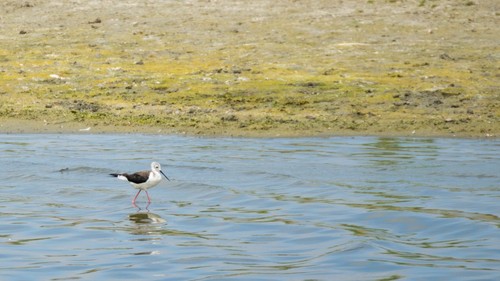
Black-winged Stilt
33-36 cm (13-14 in) long, wingspan 67-83 cm
Willet
33-41 cm (13-16 in) long, 65-70 cm wingspan
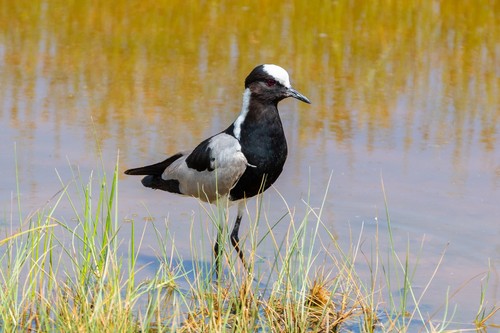
Blacksmith Lapwing
Body length about 30 cm; wingspan 55-65 cm
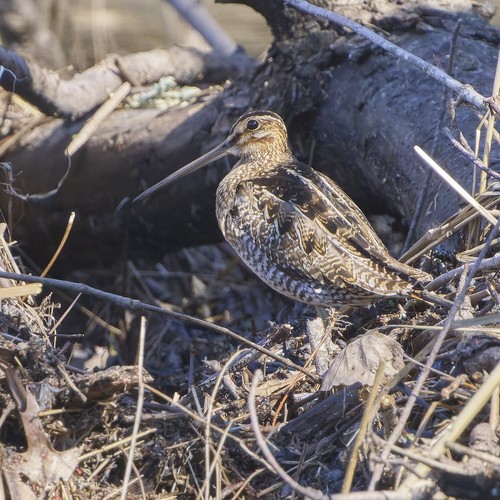
Wilson's Snipe
25-30 cm (10-12 in) long, 39-45 cm wingspan
Western Sandpiper
14-17 cm (5.5-6.7 in) long, 28-37 cm wingspan
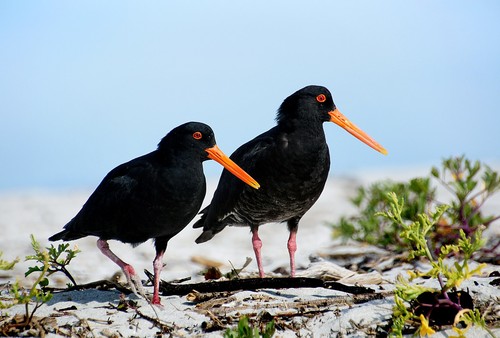
Variable Oystercatcher
46-49 cm (18-19 in) long
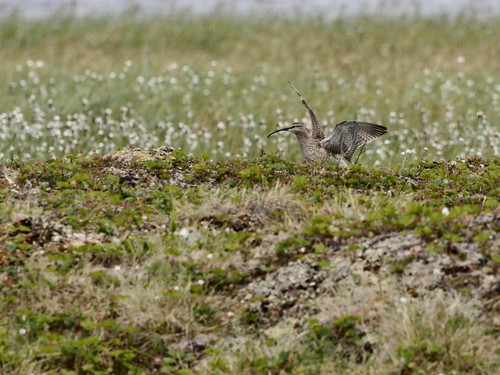
Whimbrel
40-46 cm (16-18 in) long, 76-89 cm wingspan
Wilson's Phalarope
22-24 cm (8.5-9.5 in) long, 37-43 cm wingspan
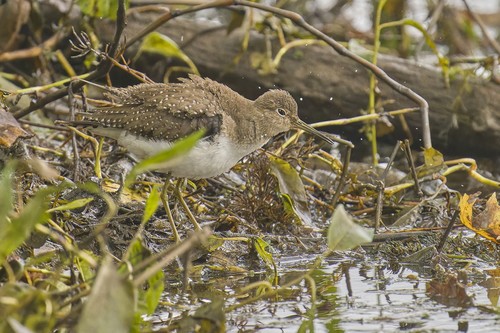
Solitary Sandpiper
19-23 cm (7.5-9 in) long, 50-56 cm wingspan
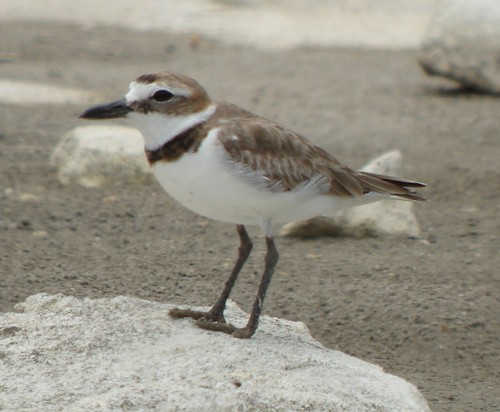
Wilson's Plover
17-19 cm (6.7-7.5 in) long, 45-50 cm wingspan
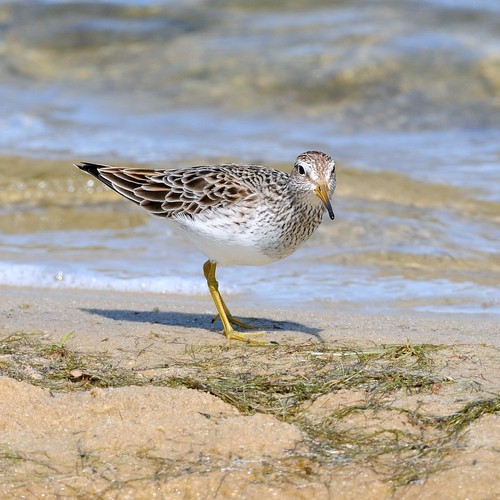
Pectoral Sandpiper
19-23 cm (7.5-9 in) long, 43-49 cm wingspan
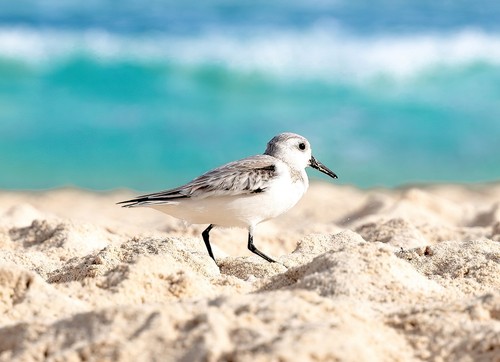
Sanderling
18-20 cm (7-8 in) long, 40-43 cm wingspan