
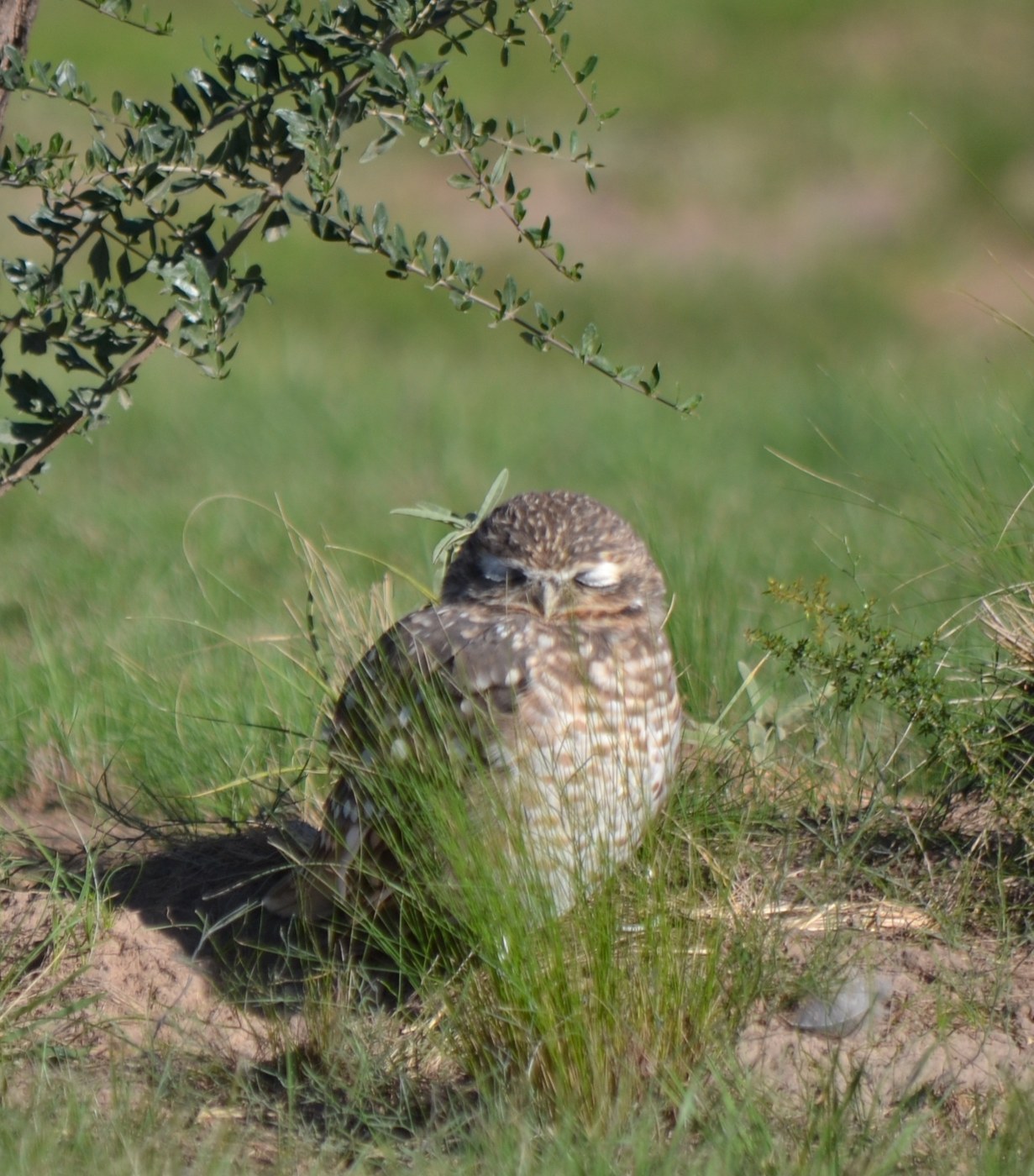
Burrowing Owl
Athene cunicularia
A small, long-legged owl that nests underground in abandoned burrows and is often seen standing bolt upright by day.
- Size
- 19-25 cm (7.5-9.8 in) long, 50-61 cm wingspan
- Habitat
- open grasslands, prairies, deserts, and agricultural fields with abandoned burrows
- Type
- owl
Spotted a bird like this?
Identify any bird from a photo, free.
Overview
The Burrowing Owl is a small, sandy-brown owl with long, bare legs that set it apart from almost every other owl species. Unlike most owls, it is frequently active during daylight hours, often seen standing at the entrance to its burrow bobbing and bowing at intruders.
Adults are earthy brown above with heavy white spotting, and pale, barred underparts. They lack ear tufts, giving the head a smooth, rounded profile, and have bright yellow eyes set in a flat facial disc. Juveniles are plainer, with buffy, unmarked underparts.
This unmistakable little owl has become a symbol of grassland conservation efforts across the Americas, since it depends heavily on burrowing mammals to create the nest sites it cannot dig deeply itself.
How to identify it
Key Field Marks
- Small size with notably long, thin, unfeathered legs
- No ear tufts; round head with white eyebrows
- Brown upperparts heavily spotted with white; barred buffy underparts
- Often seen standing upright at a burrow entrance, bobbing its head
Similar Species
- Short-eared Owl is larger, more mottled overall, and flies with buoyant, moth-like wingbeats low over fields rather than standing on the ground.
- Elf Owl and other small owls are arboreal, cavity-nesting species that lack the Burrowing Owl's long legs and open, treeless habitat.
- No other North American owl habitually stands on the ground in open country the way this species does.
Habitat & range
Burrowing Owls favor short-grass prairie, desert scrub, agricultural land, golf courses, and airport margins - anywhere with open sightlines and existing burrows dug by prairie dogs, ground squirrels, or tortoises. They range from the western and central United States and southern Canada south through Mexico and Central America, with resident populations also in Florida and much of South America.
Northern populations are migratory, wintering in the southern United States and Mexico, while populations in Florida and much of the southern range are largely sedentary.
Behavior & voice
Behavior
Unusually diurnal for an owl, Burrowing Owls are most active at dusk and dawn but regularly forage and stand sentry in daylight. They nest in loose colonies and rely on burrows dug by mammals such as prairie dogs, ground squirrels, or badgers, sometimes lining the entrance with dried manure that may help attract insect prey and mask scent.
Voice
The primary song is a soft, two-note "coo-COOooo," given mainly by males during the breeding season. When threatened, especially as nestlings, they can produce a rattling, buzzy hiss that mimics a rattlesnake - a striking defense against predators investigating the burrow.
Feeding
They hunt from low perches or by hovering, pouncing on large insects, small mammals, and reptiles; much foraging occurs on the ground by walking or running down prey.
Nesting & Breeding
Pairs use an existing mammal burrow, sometimes widening or refurbishing it, and line the chamber with dung and debris. Clutches typically number 6-12 eggs, among the largest of any owl, and both parents help provision the growing brood.
Frequently asked questions
Why does the Burrowing Owl live underground?
It nests in abandoned burrows dug by prairie dogs, ground squirrels, or other mammals because its own legs and feet are not well suited to digging deep tunnels, and burrows offer protection from predators and weather.
Is the Burrowing Owl active during the day?
Yes, it is one of the most diurnal owls, frequently seen standing at its burrow entrance and foraging in daylight, though it hunts most actively at dawn and dusk.
Why does it make a rattlesnake-like sound?
Nestlings and adults inside the burrow can produce a buzzy, rattling hiss that mimics a rattlesnake, likely deterring predators from entering the burrow.
How can I tell a Burrowing Owl from other small owls?
Look for its long, bare legs, lack of ear tufts, and habit of standing upright on open ground near a burrow entrance rather than perching in trees.
Burrowing Owl guides
In-depth guides for identifying, finding, and understanding Burrowing Owl.
Other birds you may enjoy
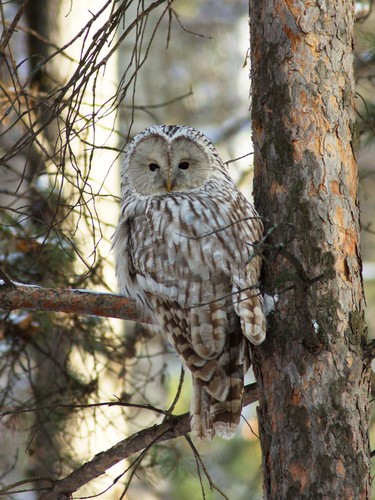
Ural Owl
50-62 cm long, wingspan about 1.0-1.3 m
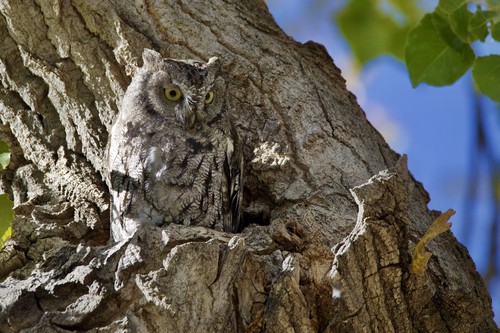
Western Screech-Owl
19-25 cm (7.5-10 in) long, about 55 cm (21.5 in) wingspan
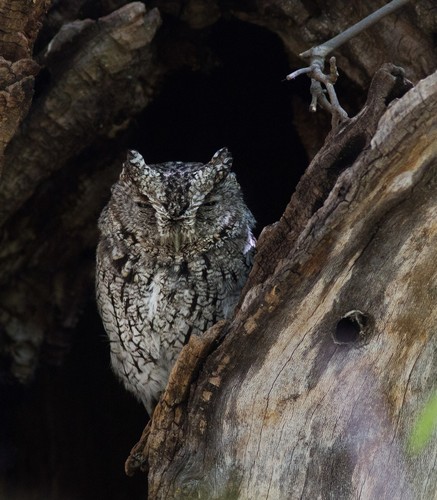
Whiskered Screech-Owl
17-19 cm (6.7-7.5 in) long, 43 cm wingspan
Tawny Owl
37-43 cm (15-17 in) long, 81-96 cm wingspan
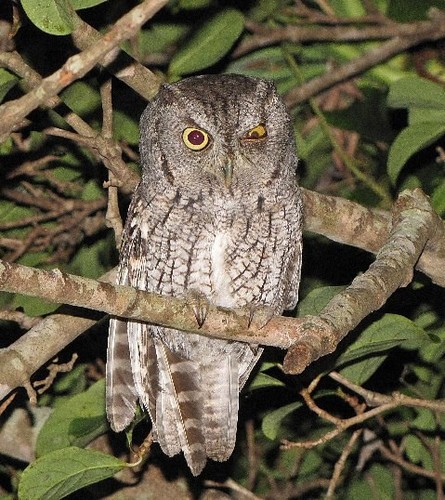
Screech Owl
16-25 cm long, wingspan about 46-61 cm
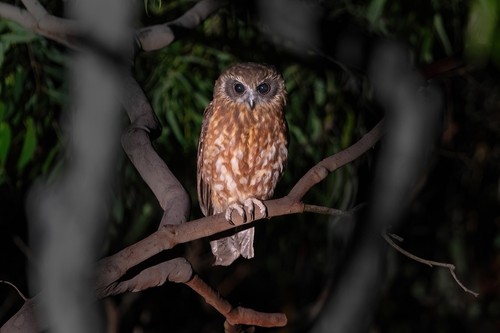
Southern Boobook
27-36 cm (11-14 in) long
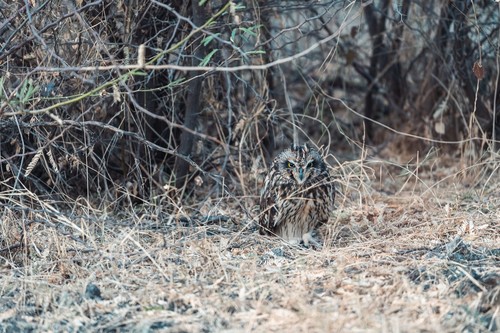
Short-eared Owl
34-42 cm (13-17 in) long, 85-110 cm wingspan
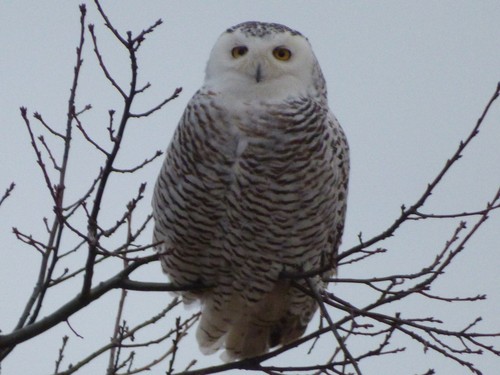
Snowy Owl
52-71 cm (20-28 in) long, 125-150 cm (49-59 in) wingspan
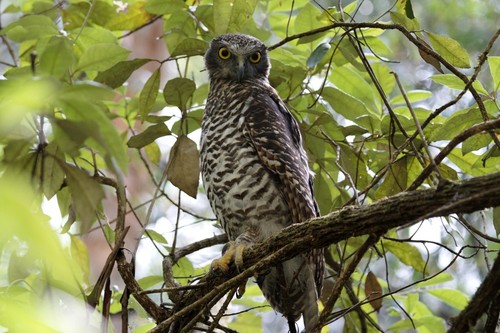
Powerful Owl
60-65 cm (24-26 in) long, 112-135 cm (44-53 in) wingspan
Northern Saw-whet Owl
18-21 cm (7-8.5 in) long, 42-56 cm (17-22 in) wingspan
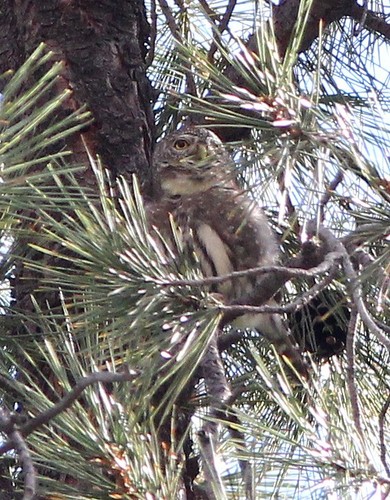
Northern Pygmy-Owl
16-18 cm (6.3-7.1 in) long, 35-39 cm wingspan
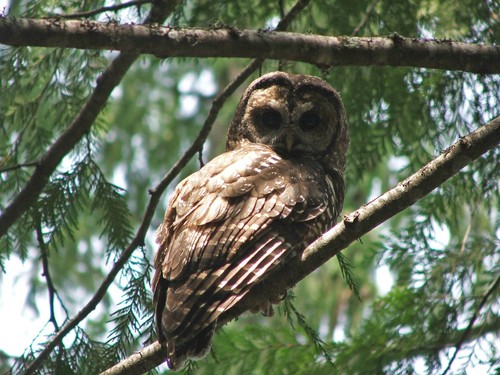
Spotted Owl
43-48 cm (17-19 in) long, 100-114 cm wingspan