
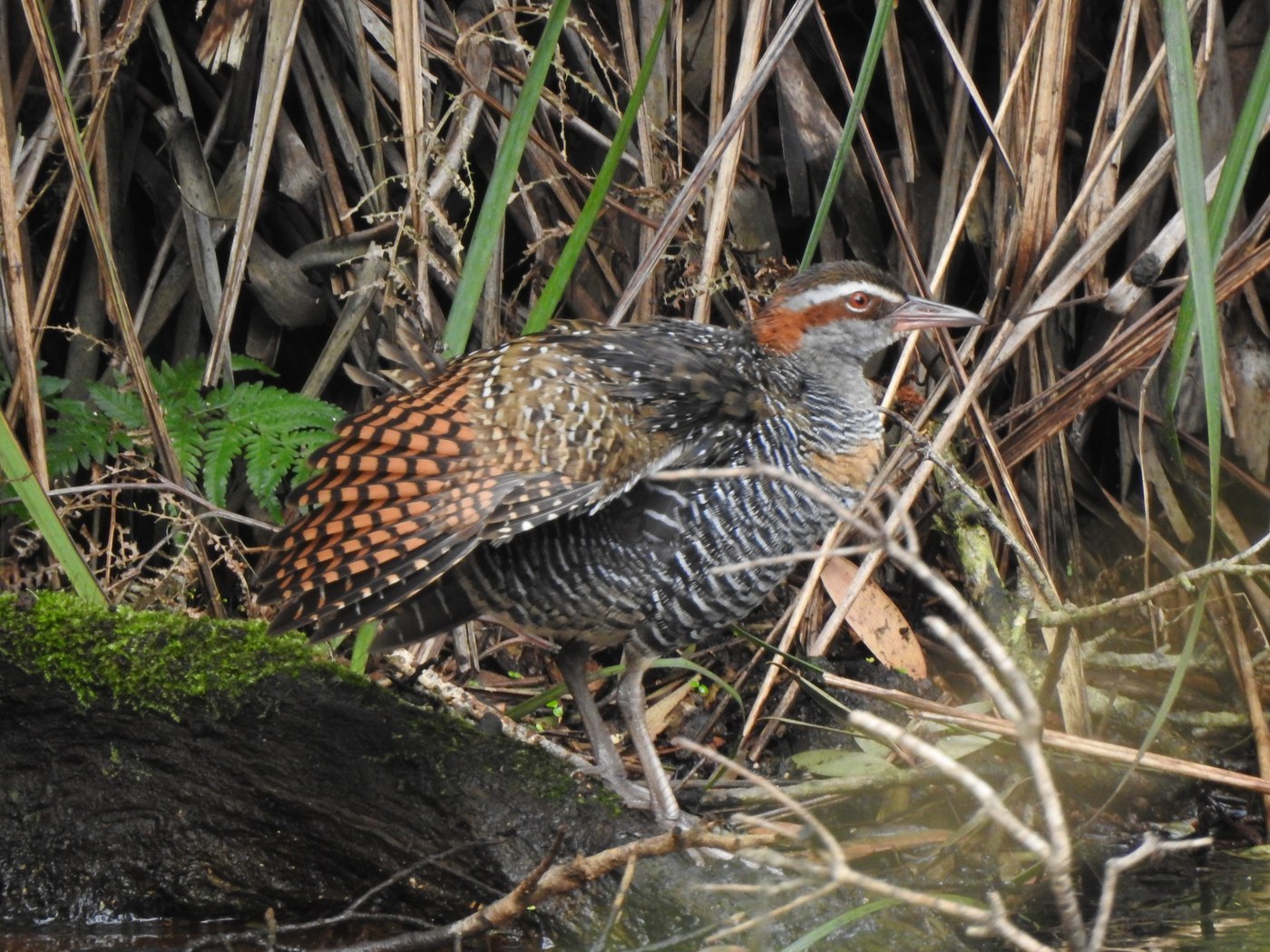
Buff-banded Rail
Hypotaenidia philippensis
A boldly barred, secretive rail with a chestnut nape and buff breast band, found skulking in wetland vegetation across Australia and the Pacific.
- Size
- 28-33 cm (11-13 in) long
- Habitat
- wetlands, mangroves, dense vegetation near water, and sometimes gardens
- Type
- wading-bird
Spotted a bird like this?
Identify any bird from a photo, free.
Overview
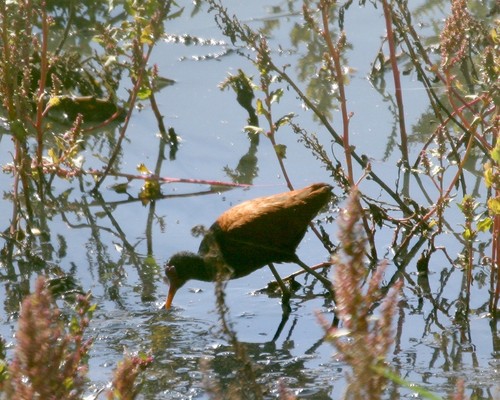
The Buff-banded Rail is a striking but often elusive marsh bird, patterned with fine black-and-white barring across the flanks and belly, a warm chestnut band across the nape and crown, and a broad buffy-orange breast band that gives the species its name. The upperparts are olive-brown streaked with black, and the bill is slender and slightly downcurved.
Despite its bold plumage, this rail is a shy, secretive bird that spends most of its time hidden in dense vegetation close to water, moving with a jerky, deliberate gait and flicking its short tail. It is more often heard than seen, though it will sometimes venture into the open at wetland edges, gardens, and even suburban yards, particularly at dawn and dusk.
The species occurs very widely across Australia, New Guinea, and many Pacific islands, showing considerable variation in plumage and behaviour across its extensive range, and has proven adaptable enough to persist in modified and urban wetland habitats.
How to identify it
Key field marks
- Fine black-and-white barring on the flanks and lower underparts
- Chestnut band across the nape and hindcrown
- Broad buff-orange breast band
- Olive-brown, black-streaked upperparts
- Slender, slightly downcurved bill
Similar species
The Lewin's Rail is smaller, more uniformly dark olive-brown without the bold chestnut nape or buff breast band, and has a shorter, straighter bill. The Australasian Swamphen is much larger with all-dark blue-purple plumage and a heavy red bill, quite unlike the intricately patterned Buff-banded Rail. The Buff-banded Rail's combination of chestnut nape, buff breast, and barred flanks is diagnostic.
Habitat & range
Habitat
This rail favours dense vegetation at the margins of wetlands, swamps, mangroves, and reedbeds, but also uses rank grass, crops, and gardens near water, including in suburban areas.
Range
It is widespread across most of Australia, including many offshore islands, and occurs across a huge range through New Guinea, Indonesia, and numerous Pacific island groups, with many recognised subspecies.
Migration
Most Australian populations are largely sedentary, though the species is a capable disperser, as shown by its colonisation of remote Pacific islands, and local movements can occur in response to changing water levels.
Behavior & voice
Behavior
Buff-banded Rails are typically shy and skulking, staying close to dense cover and freezing or slipping away quietly when disturbed, though some individuals become bold around gardens and campsites where food is available.
Voice
Calls include a sharp, explosive 'sqeak' or squealing note and a variety of grunting and clicking sounds, most often heard at dawn, dusk, or at night from dense cover.
Feeding
It forages by probing and picking through leaf litter, mud, and shallow water for insects, seeds, small crustaceans, and molluscs, and will also take scraps around human habitation.
Nesting and breeding
The nest is a shallow cup of grass and reeds built low in dense waterside vegetation or on the ground; both parents share incubation, and the precocial, downy black chicks leave the nest soon after hatching to follow their parents.
Frequently asked questions
How do I identify a Buff-banded Rail?
Look for its chestnut nape, broad buff-orange breast band, and fine black-and-white barring on the flanks and belly.
Is the Buff-banded Rail shy?
Yes, it is typically secretive and stays close to dense cover, though some individuals become bolder around gardens and campgrounds.
Where does the Buff-banded Rail live?
It occurs in wetlands, mangroves, and dense vegetation near water across Australia, New Guinea, and many Pacific islands.
What does a Buff-banded Rail eat?
It eats insects, seeds, small crustaceans, and molluscs found by foraging in mud, leaf litter, and shallow water.
Does the Buff-banded Rail migrate?
Most populations are sedentary, though the species is a strong disperser and has colonised many remote islands over time.
Buff-banded Rail guides
In-depth guides for identifying, finding, and understanding Buff-banded Rail.
Other birds you may enjoy
Demoiselle Crane
85-100 cm (33-39 in) long, 155-180 cm wingspan
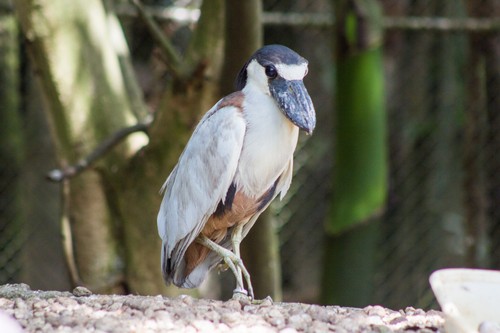
Boat-billed Heron
41-56 cm (16-22 in) long
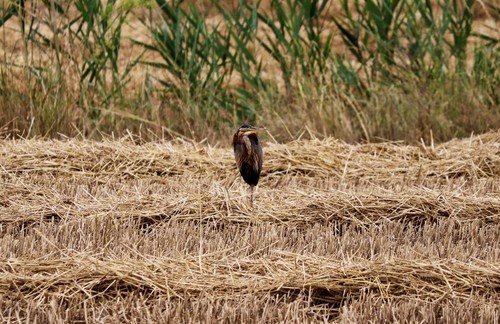
Purple Heron
78-90 cm (31-35 in) long, 120-152 cm wingspan
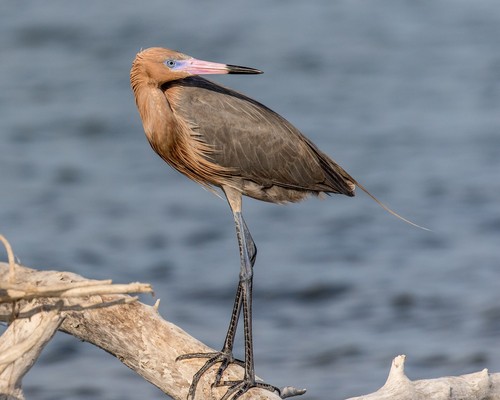
Reddish Egret
68-82 cm (27-32 in) long, 116-125 cm wingspan
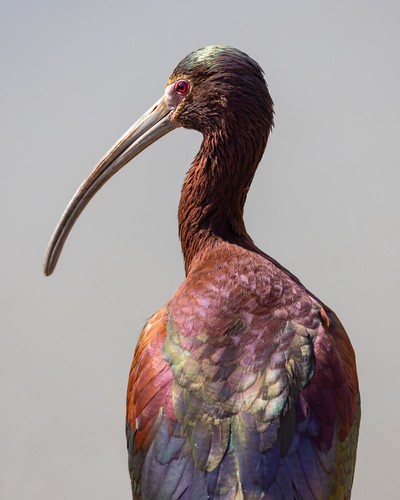
White-faced Ibis
46-56 cm (18-22 in) long, 88-93 cm wingspan
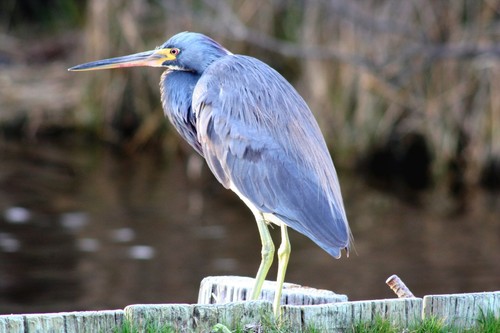
Tricolored Heron
61-76 cm (24-30 in) long, about 96 cm wingspan
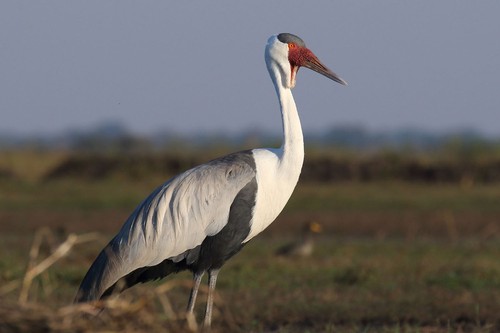
Wattled Crane
120-175 cm (47-69 in) tall, one of the tallest cranes, wingspan up to about 230 cm (7.5 ft)
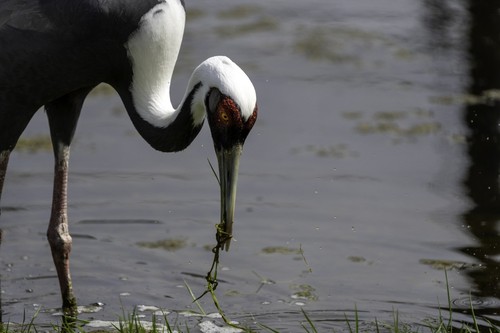
White-naped Crane
112-125 cm (44-49 in) long, 195-210 cm wingspan
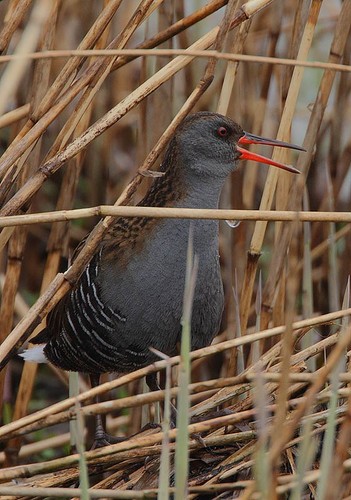
Water Rail
23-28 cm (9-11 in) long, wingspan 38-45 cm
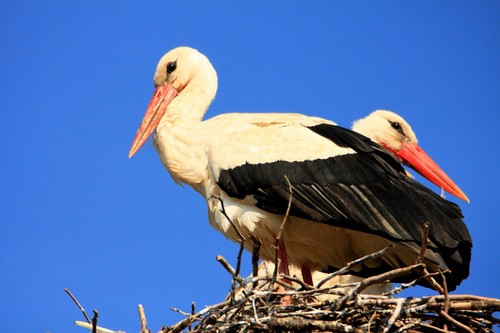
White Stork
100-125 cm (39-49 in) long, 155-215 cm wingspan
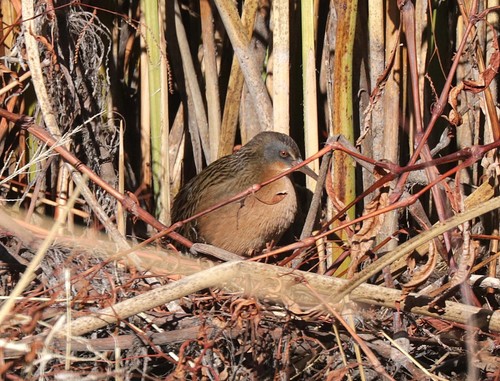
Virginia Rail
20-27 cm (8-11 in) long, wingspan 32-38 cm
Wattled Jacana
17-23 cm (7-9 in) long