
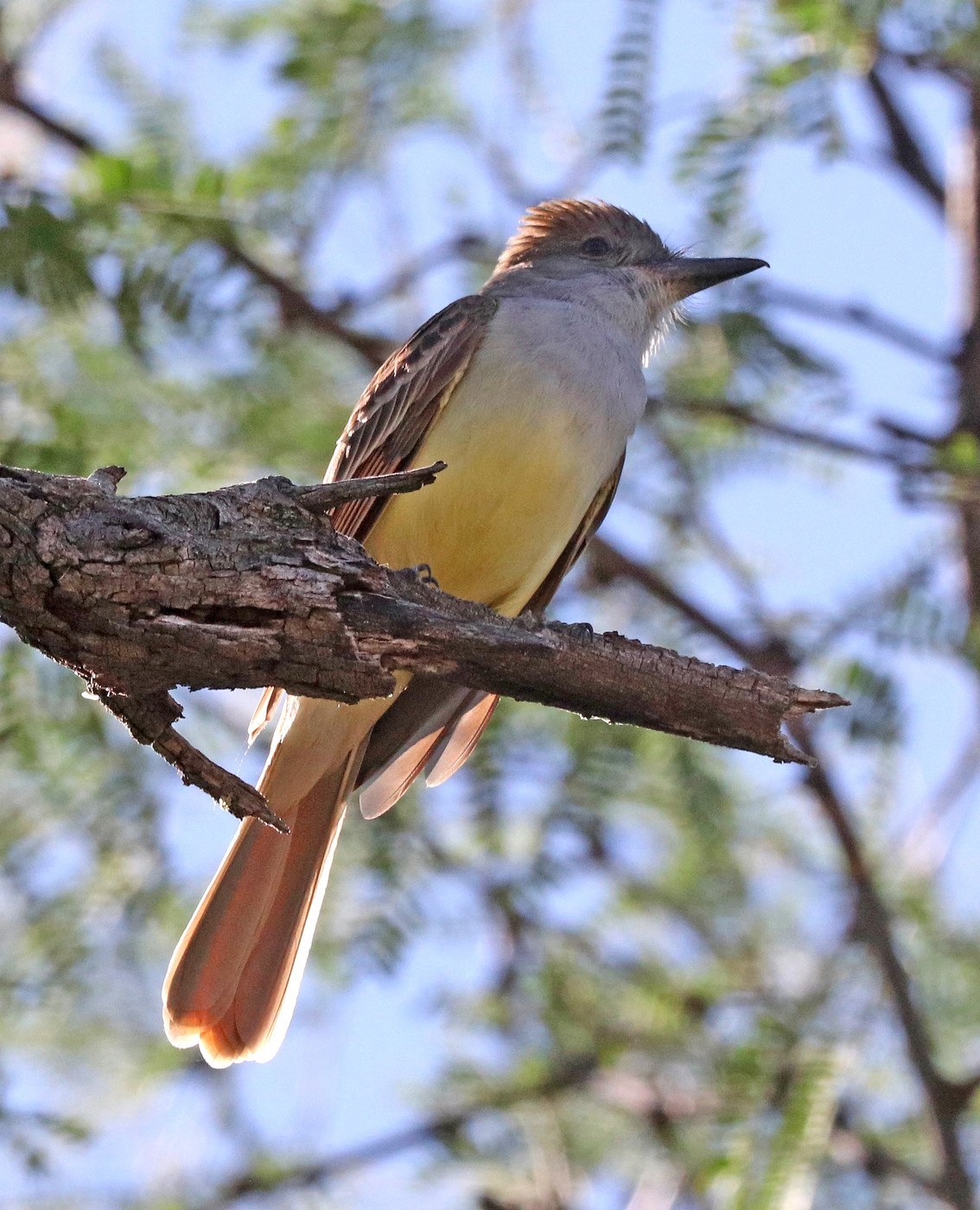
Brown-crested Flycatcher
Myiarchus tyrannulus
The largest of the North American Myiarchus flycatchers, a bushy-crested, cavity-nesting bird of desert washes and saguaro country with a rolling 'whit-will-do' call.
- Size
- 18-20 cm (7-8 in) long, 29-33 cm wingspan
- Habitat
- desert washes, saguaro cactus stands, and riparian woodlands of the southwestern US, Mexico, and Central and South America
- Type
- songbird
Spotted a bird like this?
Identify any bird from a photo, free.
Overview
The Brown-crested Flycatcher is a big, big-billed member of the genus Myiarchus, the group of crested, cavity-nesting flycatchers found across the Americas. It is brownish-olive above with a bushy, somewhat disheveled crest, a gray throat and breast, and a pale yellow belly. Rufous coloring shows in the wings and, especially, the tail—most visible when the bird flies or spreads its tail.
In the US Southwest it is closely tied to saguaro cactus deserts and cottonwood-lined washes, where old woodpecker holes provide nest cavities.
How to identify it
Key field marks
- Large size and heavy bill for a Myiarchus flycatcher
- Bushy, ragged crest
- Gray throat/breast grading to pale yellow belly
- Rufous edging in wings and tail
Similar species
- Ash-throated Flycatcher: smaller, paler overall, with a thinner bill and paler yellow belly; the two overlap in range but Ash-throated favors drier, more open desert scrub.
- Great Crested Flycatcher: more richly colored (brighter yellow belly, more rufous tail), found in the eastern US, ranges barely overlap.
- Dusky-capped Flycatcher: smaller, dark cap, softer whistled call.
Habitat & range
Range and habitat
Brown-crested Flycatcher breeds in the southwestern US (Arizona, southern Texas, southeastern California, southern New Mexico) and south through Mexico, Central America, and much of South America. In the desert Southwest it is strongly associated with saguaro cactus and mesquite/cottonwood washes; elsewhere it uses a variety of tropical and subtropical woodlands.
Migration
US and northern Mexican breeders migrate south for the winter, while populations farther south in the range are largely resident.
Behavior & voice
Behavior
A cavity nester, it typically uses old woodpecker holes in saguaro cacti or trees, and will also use nest boxes. It perches upright and sallies out to catch insects, sometimes hovering to glean prey from foliage.
Voice
A rolling, whistled "whit-will-do" or a sharp "whrrk" call; more musical than the harsher notes of Ash-throated Flycatcher.
Feeding
Mostly large flying and crawling insects such as beetles, grasshoppers, and cicadas; occasionally takes small lizards, and eats some fruit outside the breeding season.
Nesting and breeding
Nests in natural cavities or old woodpecker holes, lined with grass, feathers, and often bits of shed snakeskin or plastic. The female incubates 3-5 eggs for about 2 weeks.
Frequently asked questions
How do you tell Brown-crested Flycatcher from Ash-throated Flycatcher?
Brown-crested is larger and bigger-billed with a brighter yellow belly and more rufous in the tail, while Ash-throated Flycatcher is smaller, paler, and has a thinner bill.
Where does the Brown-crested Flycatcher nest?
It nests in cavities, most often old woodpecker holes in saguaro cacti or trees, and readily uses nest boxes.
What does a Brown-crested Flycatcher eat?
Mostly large insects like beetles, grasshoppers, and cicadas, occasionally small lizards, plus some fruit.
What habitat does the Brown-crested Flycatcher prefer?
Desert washes, saguaro stands, and riparian cottonwood-mesquite woodlands in the Southwest, and a range of tropical woodlands farther south.
Brown-crested Flycatcher guides
In-depth guides for identifying, finding, and understanding Brown-crested Flycatcher.
Other birds you may enjoy
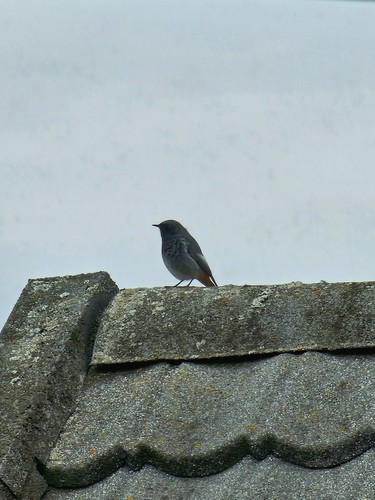
Black Redstart
13-14.5 cm (5.1-5.7 in) long, 23-26 cm wingspan
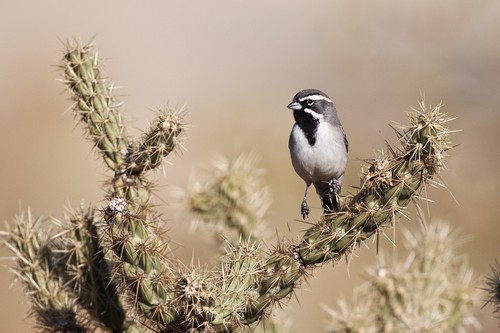
Black-throated Sparrow
12-14 cm (4.7-5.5 in) long, about 19-20 cm (7.5-8 in) wingspan
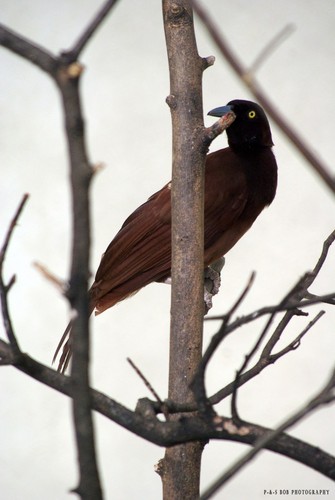
Greater Bird-of-paradise
Body about 43 cm; males with additional flank plumes up to 50 cm and long tail wires
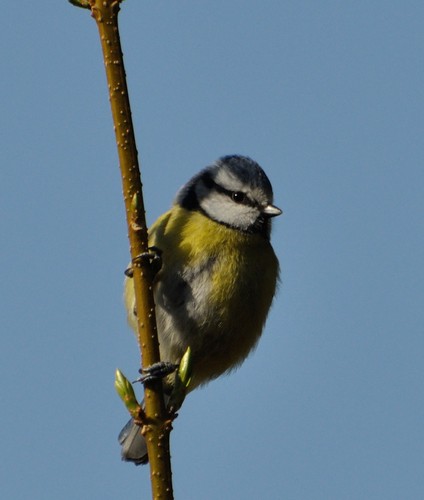
Blue Tit
11-12 cm (4.3-4.7 in) long, 17-20 cm wingspan
Red-billed Quelea
11.5–13 cm long, wingspan about 20–22 cm
White-plumed Antbird
13-14 cm (5-5.5 in) long
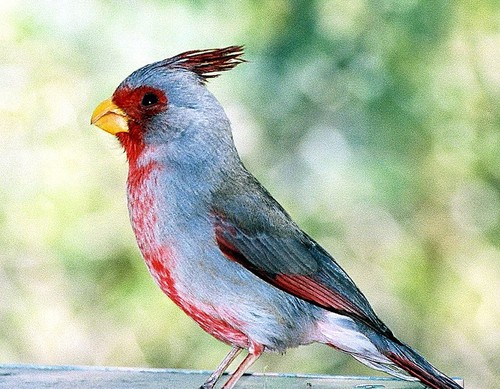
Pyrrhuloxia
19-22 cm (7.5-8.7 in) long, 30 cm wingspan
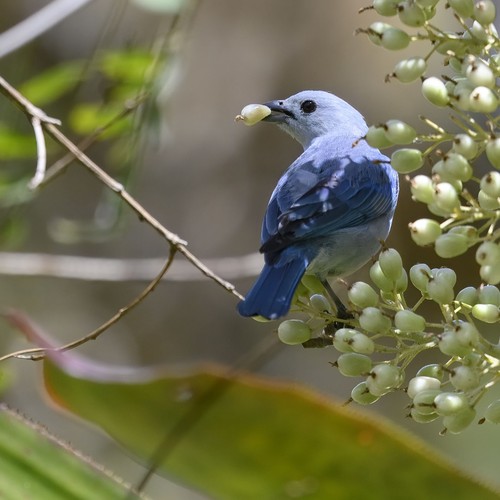
Blue-gray Tanager
16-18 cm (6-7 in) long
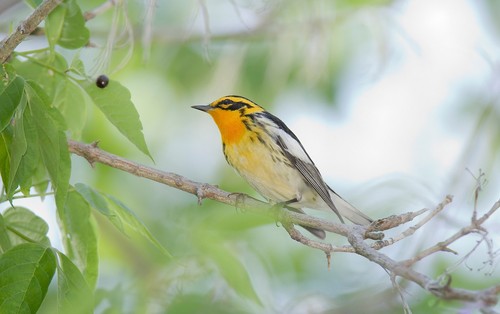
Blackburnian Warbler
11-13 cm (4.3-5.1 in) long, 20-22 cm wingspan
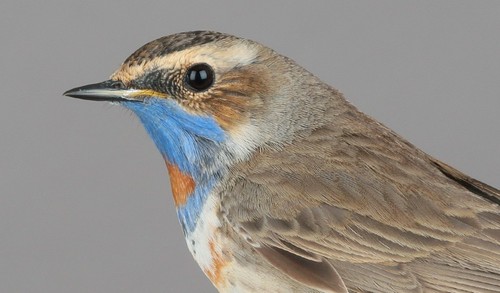
Bluethroat
13-14 cm (5.1-5.5 in) long, 20-22 cm wingspan
Eurasian Nuthatch
12-14.5 cm (4.7-5.7 in) long, 22.5-27 cm wingspan
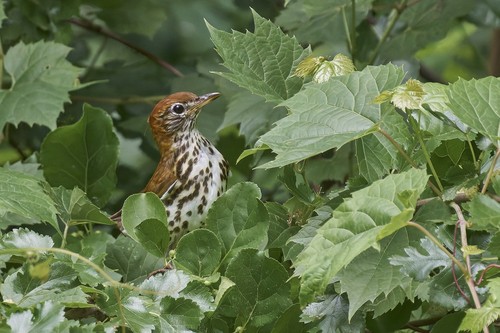
Wood Thrush
19-21 cm (7.5-8.3 in) long, about 33 cm (13 in) wingspan