
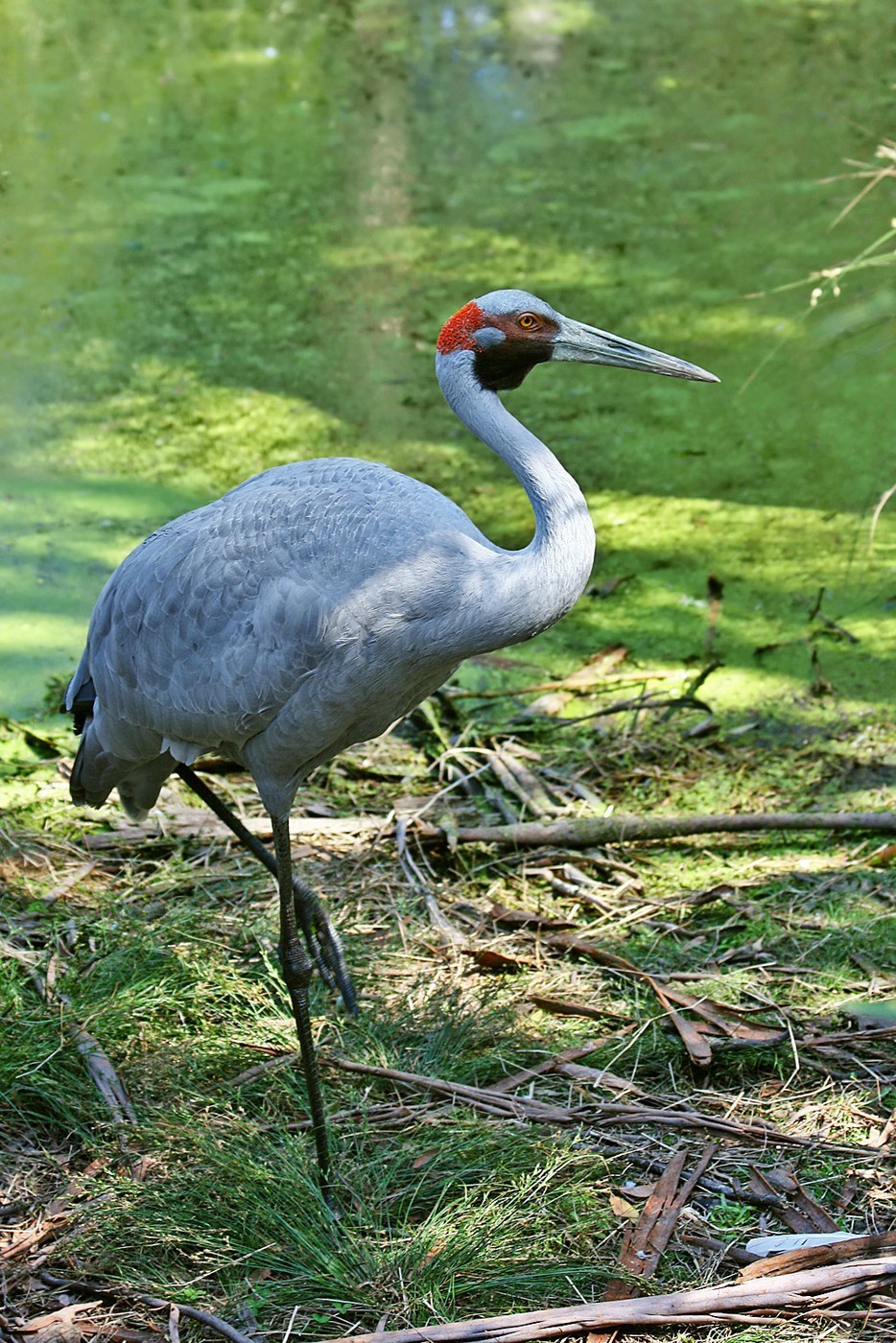
Brolga
Antigone rubicunda
Australia's iconic grey crane, famous for its elaborate group dancing displays, distinguished from the Sarus Crane by its grey crown cap and throat dewlap.
- Size
- 106-138 cm (42-54 in) long, 170-240 cm wingspan
- Habitat
- wetlands, floodplains, and grasslands of northern and eastern Australia and New Guinea
- Type
- wading-bird
Spotted a bird like this?
Identify any bird from a photo, free.
Overview
The Brolga is a large, elegant grey crane found in Australia and southern New Guinea, historically known in folklore as the 'native companion.' It has predominantly pale grey plumage, a bare red head with a distinctive grey-green crown cap, and a small dewlap of loose skin under the chin.
Brolgas are best known for their spectacular group dancing displays, involving synchronized bowing, leaping, wing-flapping, and trumpeting, performed not just during courtship but throughout the year by birds of all ages, making them one of the most celebrated aspects of Australian bird behavior.
How to identify it
Key field marks
- Tall, pale grey body
- Bare red skin on the head, topped by a grey-green crown cap
- Small dewlap of loose skin hanging under the chin
- Long grey-black legs
Similar species
The Sarus Crane, which overlaps in parts of northern Australia, has red skin covering the entire head including the crown (no grey cap) and lacks the throat dewlap; it also tends to have pinker legs. The two species can otherwise look very similar at a distance.
Habitat & range
Brolgas inhabit shallow freshwater and brackish wetlands, floodplains, grasslands, and coastal mudflats across northern and eastern Australia, with a smaller population in the Trans-Fly region of southern New Guinea.
The species is largely resident, though populations in some areas undertake local seasonal movements linked to the wet and dry season cycle, gathering in large flocks at productive wetlands during the dry season and dispersing more widely to breed during the wet season.
Behavior & voice
Brolgas forage in wetlands and grasslands, digging for tubers with their bill, and also eating grains, insects, and small vertebrates such as frogs. They often forage in pairs, family groups, or large non-breeding flocks depending on the season.
Their spectacular dancing displays, involving synchronized bowing, wing-spreading, jumping, and loud trumpeting calls, are performed by pairs and groups year-round, not only for courtship, and have made the Brolga a cultural icon in Australian folklore and art. Nests are large mounds of vegetation built on the ground in shallow wetlands, typically with two eggs, and both parents share incubation and chick-rearing duties.
Frequently asked questions
How is the Brolga different from the Sarus Crane?
The Brolga has a grey-green crown cap on top of its red head and a loose skin dewlap under the chin, both of which the Sarus Crane lacks; the Sarus Crane's red skin covers the entire head.
Why is the Brolga famous for dancing?
It performs elaborate, synchronized group dances involving bowing, leaping, and wing-flapping year-round, not just during courtship, making it one of the most celebrated displays among Australian birds.
Where is the Brolga found?
It occurs across northern and eastern Australia, with a smaller population in the Trans-Fly region of southern New Guinea, in wetlands, floodplains, and grasslands.
What does 'native companion' refer to?
It is a historical common name for the Brolga used in Australian folklore, reflecting the species' cultural prominence and its habit of forming close social flocks.
Is the Brolga endangered?
No, it is listed as Least Concern globally, though some regional populations, particularly in southeastern Australia, have declined due to wetland habitat loss.
Brolga guides
In-depth guides for identifying, finding, and understanding Brolga.
Other birds you may enjoy
Demoiselle Crane
85-100 cm (33-39 in) long, 155-180 cm wingspan
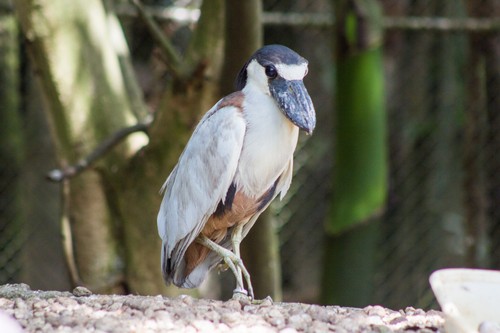
Boat-billed Heron
41-56 cm (16-22 in) long
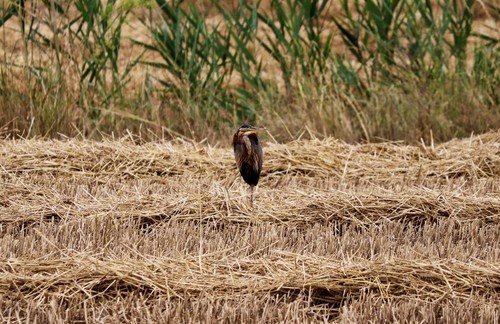
Purple Heron
78-90 cm (31-35 in) long, 120-152 cm wingspan
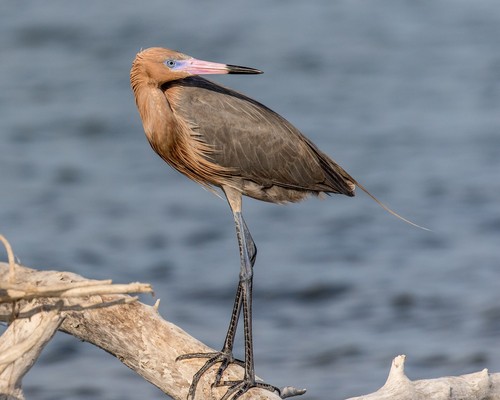
Reddish Egret
68-82 cm (27-32 in) long, 116-125 cm wingspan
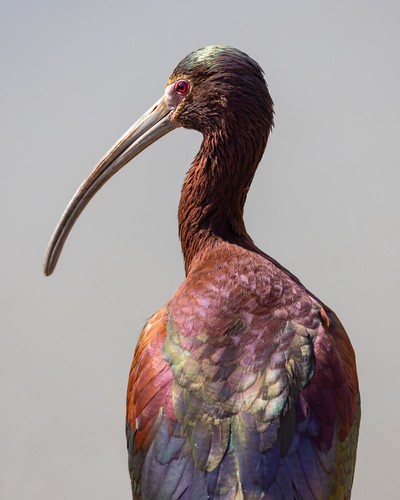
White-faced Ibis
46-56 cm (18-22 in) long, 88-93 cm wingspan
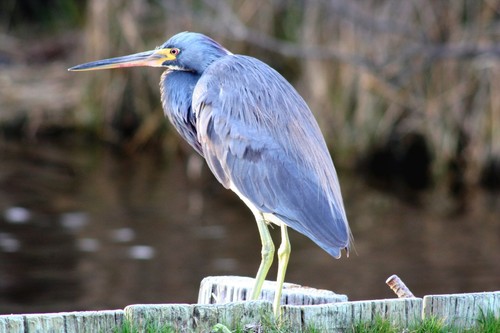
Tricolored Heron
61-76 cm (24-30 in) long, about 96 cm wingspan
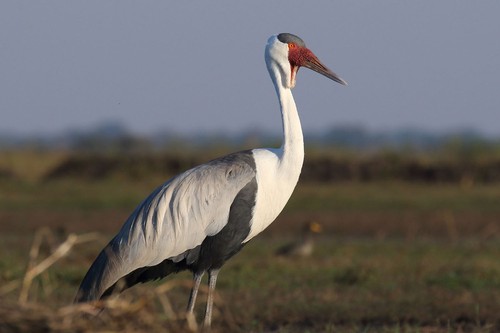
Wattled Crane
120-175 cm (47-69 in) tall, one of the tallest cranes, wingspan up to about 230 cm (7.5 ft)
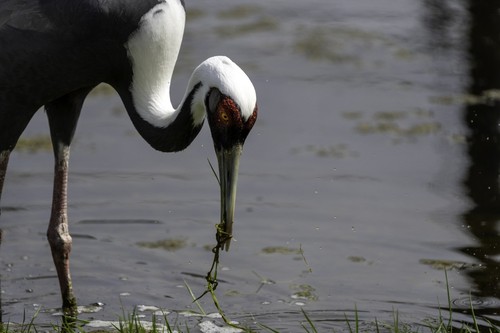
White-naped Crane
112-125 cm (44-49 in) long, 195-210 cm wingspan
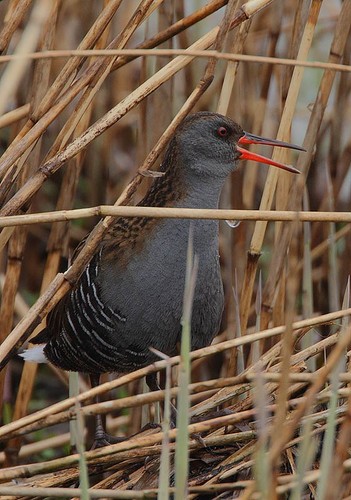
Water Rail
23-28 cm (9-11 in) long, wingspan 38-45 cm
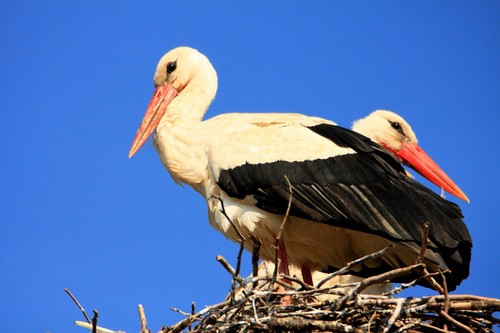
White Stork
100-125 cm (39-49 in) long, 155-215 cm wingspan
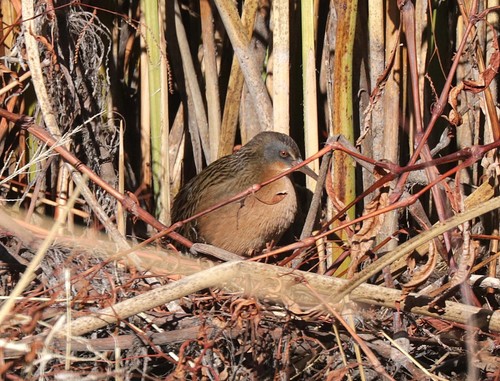
Virginia Rail
20-27 cm (8-11 in) long, wingspan 32-38 cm
Wattled Jacana
17-23 cm (7-9 in) long