
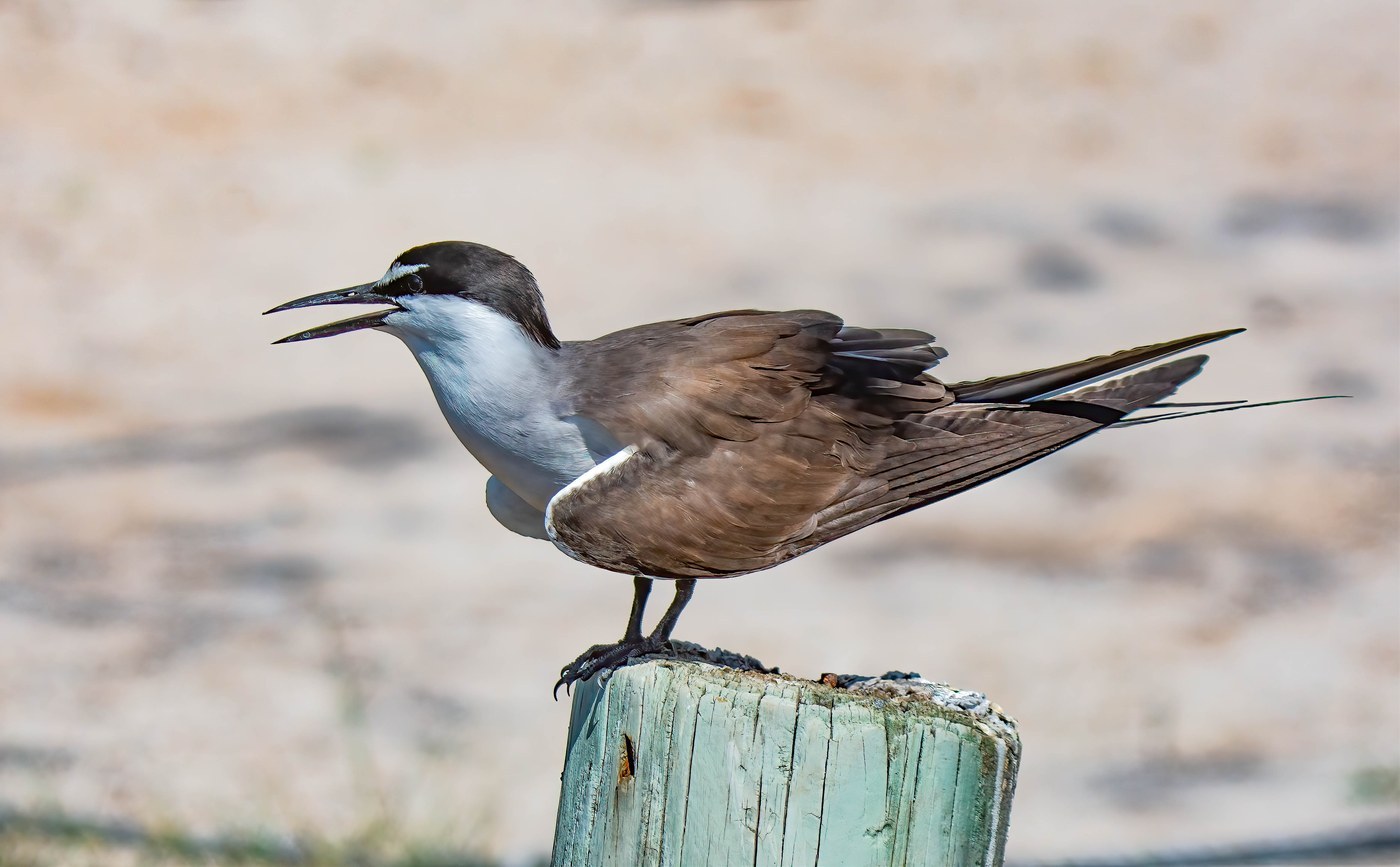
Bridled Tern
Onychoprion anaethetus
A pelagic tropical tern, browner and paler than its close relative the Sooty Tern, with a thin white 'bridle' line extending behind the eye.
- Size
- 30-32 cm (12-13 in) long, 77-81 cm wingspan
- Habitat
- tropical and subtropical oceans, breeding on rocky islands and cliffs
- Type
- seabird
Spotted a bird like this?
Identify any bird from a photo, free.
Overview
The Bridled Tern is a graceful, wide-ranging seabird of tropical and subtropical oceans, closely related to and often confused with the Sooty Tern. It gets its name from the thin white line that runs from the forehead patch back through the eye like a bridle strap.
Appearance
Adults are dark grey-brown above (paler and browner than the blackish Sooty Tern) with white underparts, a white forehead patch extending behind the eye as a narrow line, and a pale grey-white collar across the hindneck that further separates it from the Sooty Tern.
How to identify it
Key field marks
- Grey-brown (not blackish) upperparts
- White forehead patch extending behind the eye as a thin line, the source of its name
- Pale collar around the hindneck
- Deeply forked tail with white outer edges
- Buoyant, graceful flight, often lower over the water than the Sooty Tern
Similar species
The Bridled Tern is most similar to the Sooty Tern but is paler and browner overall, with the eye-line extension and hindneck collar being the clearest distinguishing features at close range.
Habitat & range
Habitat and range
Bridled Terns breed on rocky islands, cliffs, and coral cays across tropical and subtropical waters of the Atlantic, Indian, and Pacific Oceans. Outside the breeding season they are highly pelagic, ranging widely over open ocean and rarely approaching shore except near their colonies.
Some populations are resident near breeding islands year-round, while others disperse over long distances across ocean basins between breeding attempts.
Behavior & voice
Behavior
Bridled Terns feed by picking small fish, squid, and crustaceans from the ocean surface in flight, often associating loosely with drifting debris or schools of predatory fish that push prey upward. They fly with a light, buoyant, somewhat languid style compared to the more powerful Sooty Tern.
Voice
Calls include a low, barking "wep" or growling note, quieter and less far-carrying than the Sooty Tern's cry.
Nesting and breeding
Pairs nest in scattered, less densely packed colonies than Sooty Terns, often tucking a single egg into a rock crevice, under vegetation, or in a sheltered scrape on cliffs and rocky islets.
Frequently asked questions
How do you tell a Bridled Tern from a Sooty Tern?
The Bridled Tern is paler grey-brown above rather than blackish, and has a thin white line extending behind the eye plus a pale collar on the hindneck.
Why is it called the Bridled Tern?
The thin white line running back through the eye resembles the strap of a bridle, giving the species its name.
Where does the Bridled Tern nest?
On rocky islands, sea cliffs, and coral cays in tropical and subtropical oceans, often in rock crevices or sheltered scrapes.
What does the Bridled Tern eat?
Small fish, squid, and crustaceans picked from the ocean surface during flight.
Bridled Tern guides
In-depth guides for identifying, finding, and understanding Bridled Tern.
Other birds you may enjoy
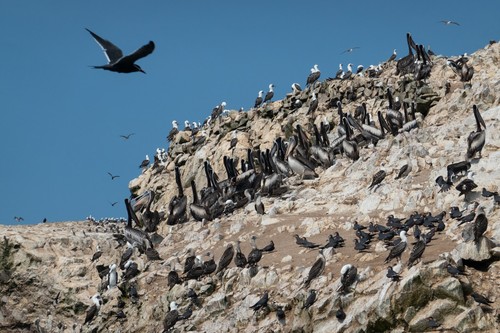
Peruvian Pelican
137-152 cm (54-60 in) long, up to 228 cm wingspan
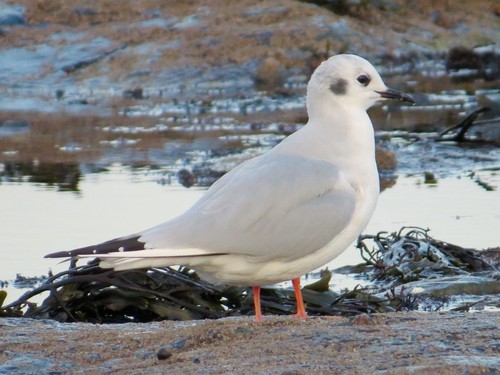
Bonaparte's Gull
28-33 cm (11-13 in) long, 76-84 cm wingspan
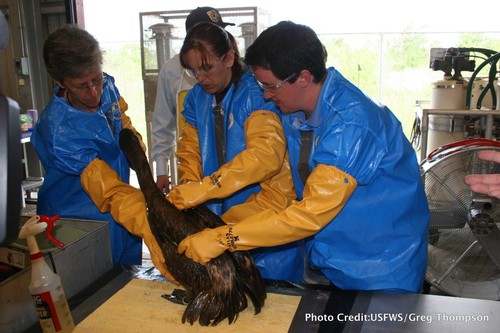
Brown Pelican
106-137 cm (42-54 in) long, 200-230 cm wingspan
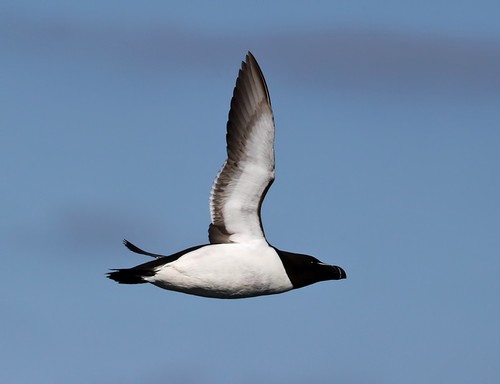
Razorbill
37-39 cm (15-15.5 in) long, 63-68 cm wingspan
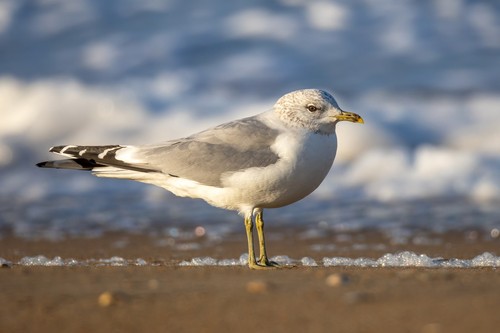
Common Gull
40-46 cm (16-18 in) long, 110-130 cm wingspan
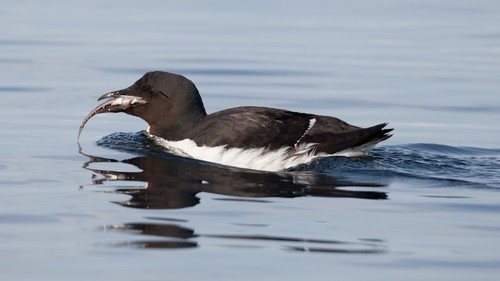
Thick-billed Murre
40-48 cm (16-19 in) long, 65-75 cm wingspan
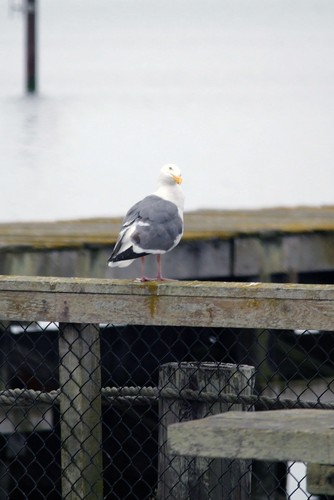
Western Gull
55-68 cm (22-27 in) long, 130-144 cm wingspan
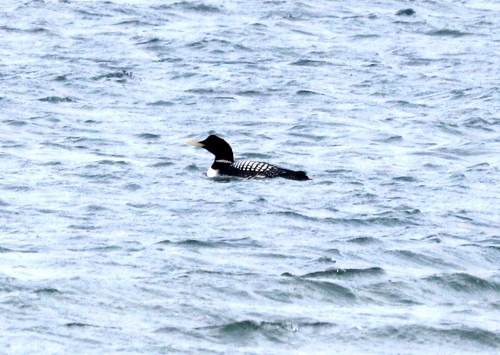
Yellow-billed Loon
76-97 cm (30-38 in) long, 135-152 cm wingspan
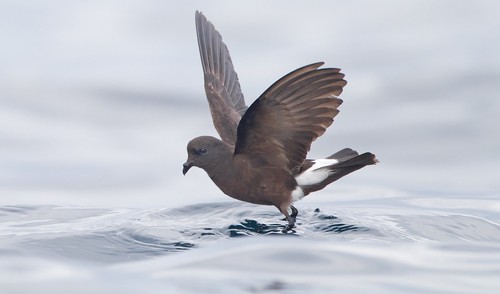
Wilson's Storm-Petrel
15-19 cm (6-7.5 in) long, wingspan 38-42 cm (15-16.5 in)
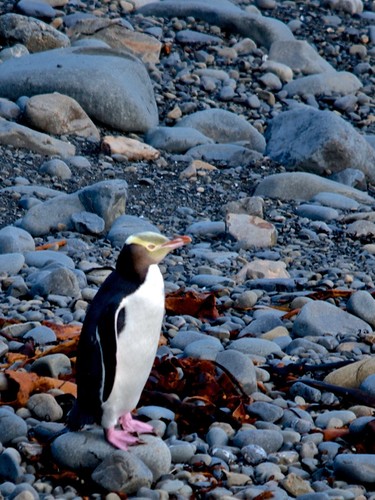
Yellow-eyed Penguin
62-79 cm (24-31 in) tall, 3-8.5 kg (6.6-18.7 lb)
Wandering Albatross
107-135 cm (42-53 in) long, wingspan up to 3.5 m (11.5 ft)

Tufted Puffin
35-41 cm (14-16 in) long, about 63-70 cm wingspan