
Brandt's Cormorant
Urile penicillatus
A stocky, dark cormorant of the Pacific coast known for a buffy throat patch bordered by a striking blue breeding pouch, nesting in dense colonies on coastal cliffs and islands.
- Size
- 74-84 cm (29-33 in) long, about 120 cm wingspan
- Habitat
- rocky coasts, cliffs, and offshore waters of the Pacific coast of North America
- Type
- seabird
Spotted a bird like this?
Identify any bird from a photo, free.
Overview
Brandt's Cormorant is a robust seabird found along rocky Pacific coastlines of North America, closely tied to productive nearshore waters where it forms large, dense breeding colonies. It is bulkier than the Pelagic Cormorant with which it often shares habitat.
Appearance
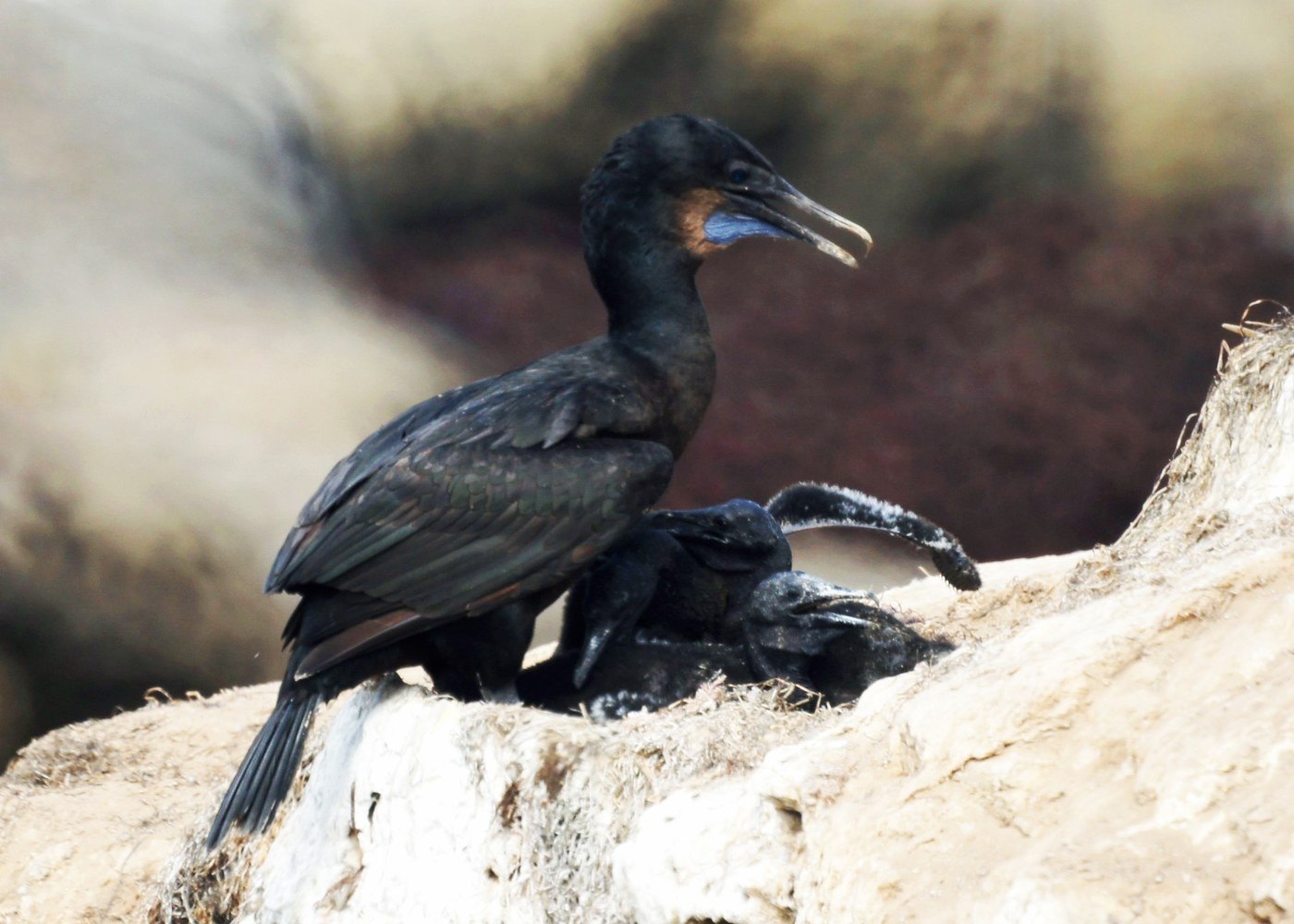
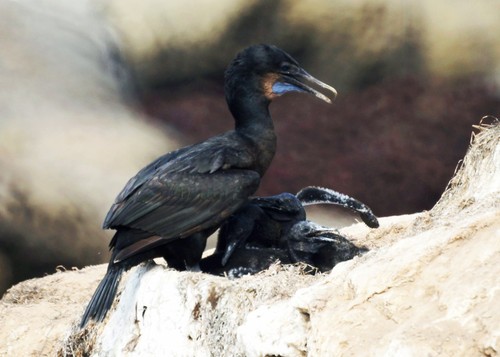
Adults are blackish overall with a bronzy iridescent sheen, and show a distinctive buffy or tan throat patch. During the breeding season, the throat pouch turns a striking cobalt blue and pale, hair-like filoplumes appear scattered over the head and neck.
How to identify it
Key field marks
- Buffy or tan throat patch, bordered by a vivid blue pouch in breeding season
- Bronzy-black overall plumage
- Stockier, thicker-necked build than the Pelagic Cormorant
- Pale filoplumes on the head and neck during breeding
Similar species
Brandt's Cormorant is bulkier than the Pelagic Cormorant, with a thicker bill and neck, and is readily distinguished by its buffy throat patch and (in breeding season) brilliant blue pouch, features absent in the more slender Pelagic Cormorant.
Habitat & range
Habitat and range
Brandt's Cormorant is found along the Pacific coast of North America, from British Columbia south to Baja California, favoring rocky shorelines, offshore islands, and productive upwelling zones rich in schooling fish. It rarely strays far from marine coastal waters.
Most populations are resident along the coast, though some post-breeding dispersal occurs, particularly in response to shifting prey availability.
Behavior & voice
Behavior
Brandt's Cormorants dive from the surface to pursue schooling fish such as anchovies and herring in nearshore waters, often foraging in large, tightly packed flocks that can number in the hundreds when prey is abundant.
Voice
They are largely silent at sea, but give low guttural croaking calls at breeding colonies.
Nesting and breeding
Brandt's Cormorants nest in dense colonies on coastal cliffs, rocky islands, and offshore rocks, building nests from seaweed, grass, and other vegetation. They typically lay three to four eggs, and colony size and breeding success can vary significantly with ocean conditions and prey availability from year to year.
Frequently asked questions
How do you identify Brandt's Cormorant?
Look for a buffy tan throat patch that turns bright cobalt blue during the breeding season, along with a stocky, bronzy-black body.
How is Brandt's Cormorant different from the Pelagic Cormorant?
Brandt's Cormorant is bulkier with a thicker neck and bill, and has a distinctive buffy throat patch, while the Pelagic Cormorant is slimmer with a thin bill and lacks that throat patch.
Where does Brandt's Cormorant live?
Along the Pacific coast of North America from British Columbia to Baja California, closely tied to rocky coastlines and productive nearshore waters.
What does Brandt's Cormorant eat?
Mainly schooling fish such as anchovies and herring, caught by diving in nearshore coastal waters.
Brandt's Cormorant guides
In-depth guides for identifying, finding, and understanding Brandt's Cormorant.
Other birds you may enjoy
Peruvian Pelican
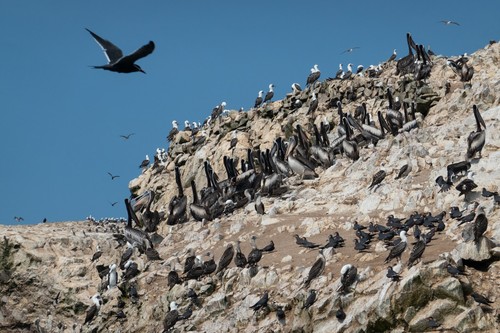
137-152 cm (54-60 in) long, up to 228 cm wingspan
Bonaparte's Gull
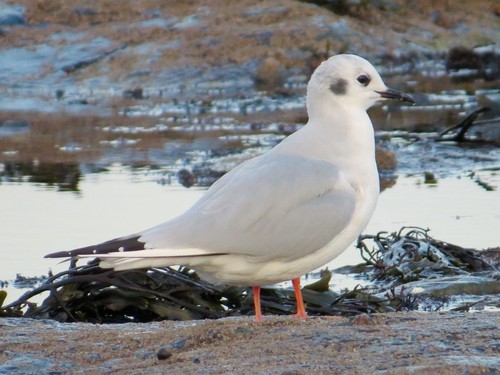
28-33 cm (11-13 in) long, 76-84 cm wingspan
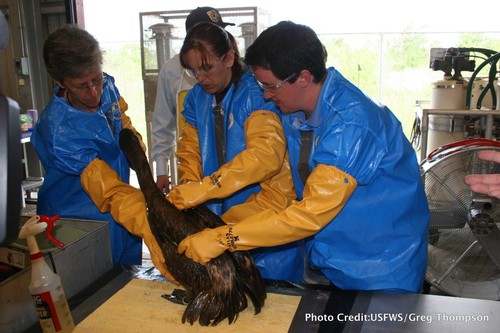
Brown Pelican
106-137 cm (42-54 in) long, 200-230 cm wingspan
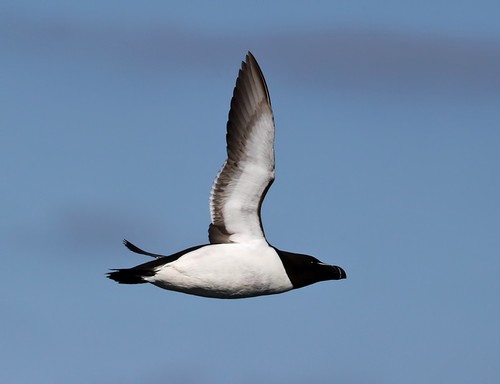
Razorbill
37-39 cm (15-15.5 in) long, 63-68 cm wingspan
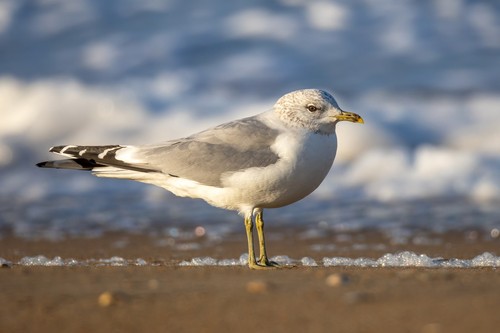
Common Gull
40-46 cm (16-18 in) long, 110-130 cm wingspan
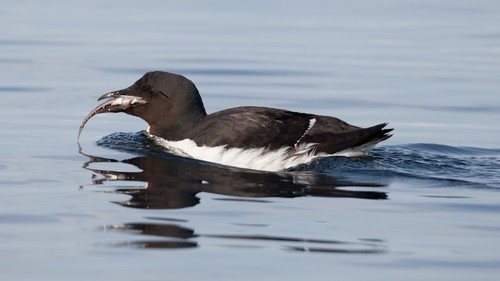
Thick-billed Murre
40-48 cm (16-19 in) long, 65-75 cm wingspan
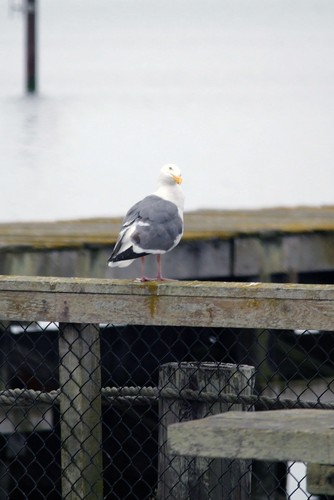
Western Gull
55-68 cm (22-27 in) long, 130-144 cm wingspan
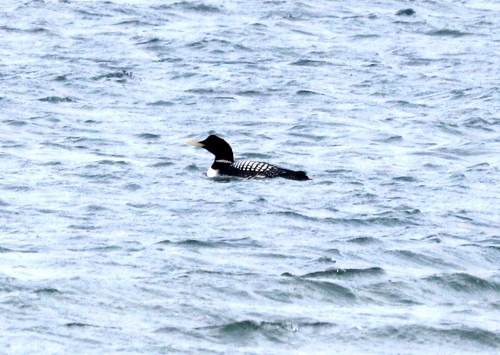
Yellow-billed Loon
76-97 cm (30-38 in) long, 135-152 cm wingspan
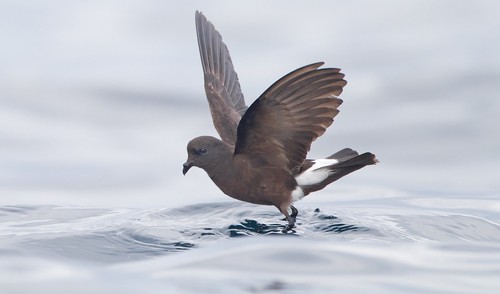
Wilson's Storm-Petrel
15-19 cm (6-7.5 in) long, wingspan 38-42 cm (15-16.5 in)
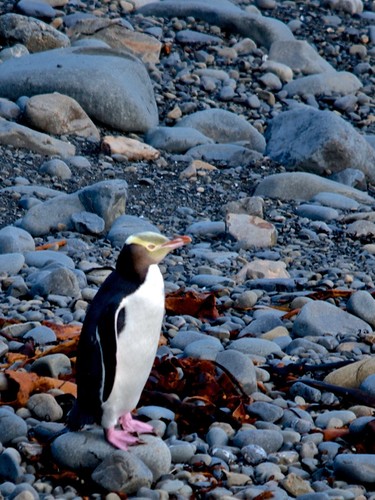
Yellow-eyed Penguin
62-79 cm (24-31 in) tall, 3-8.5 kg (6.6-18.7 lb)
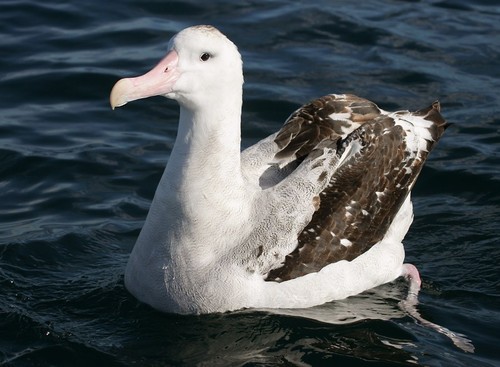
Wandering Albatross
107-135 cm (42-53 in) long, wingspan up to 3.5 m (11.5 ft)
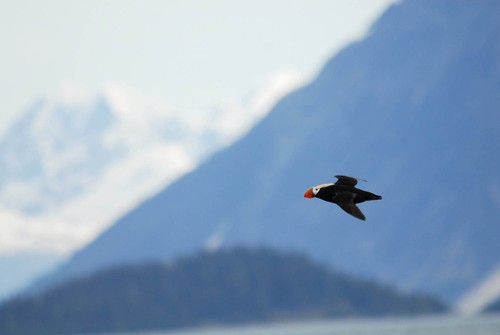
Tufted Puffin
35-41 cm (14-16 in) long, about 63-70 cm wingspan