
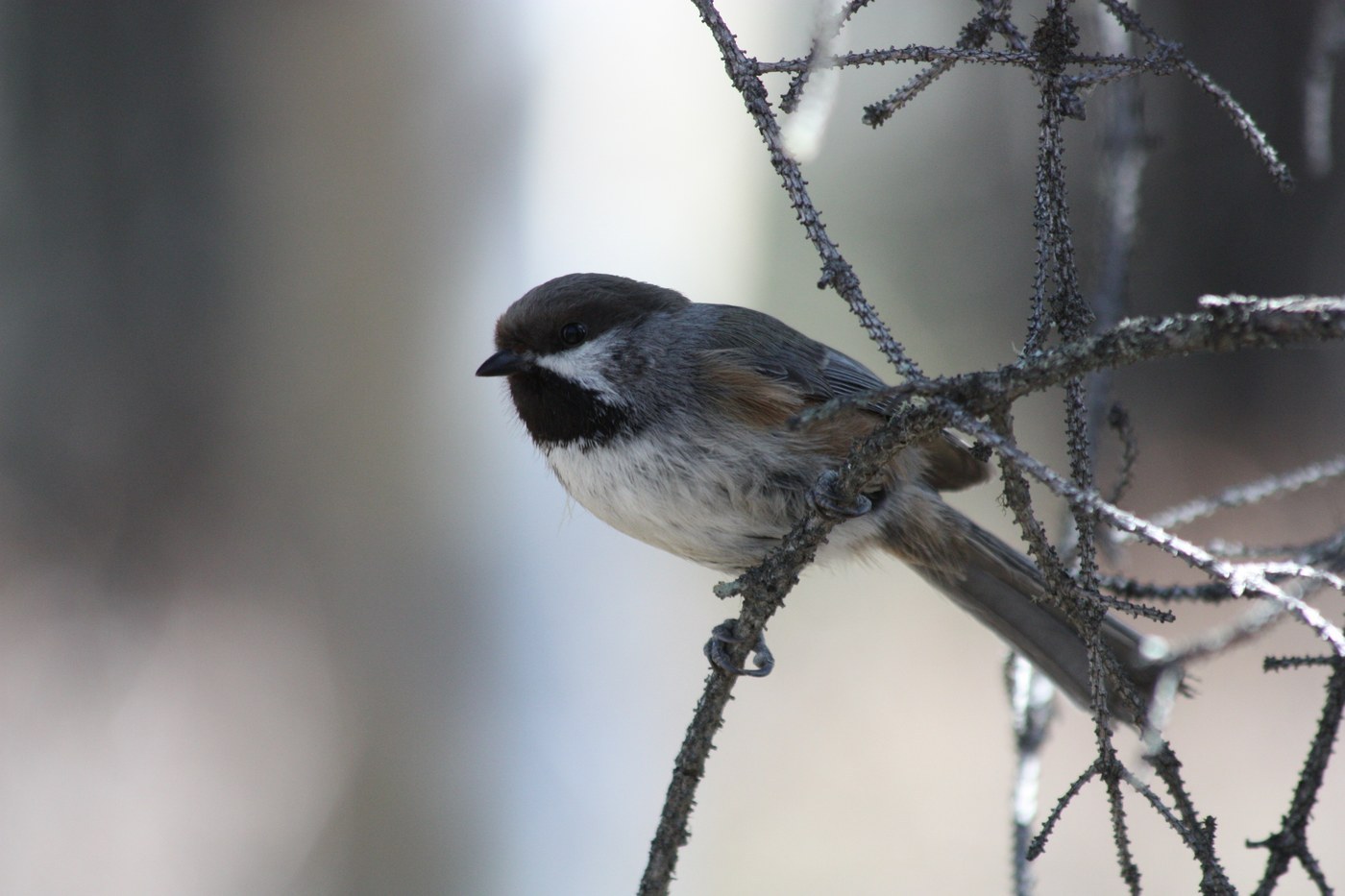
Boreal Chickadee
Poecile hudsonicus
A brown-capped chickadee of the northern boreal forest, quieter and less familiar than its black-capped relative.
- Size
- 13-14.5 cm (5.1-5.7 in) long, 16.5-21 cm wingspan
- Habitat
- boreal spruce and fir forests of Canada, Alaska, and the northern United States
- Type
- songbird
Spotted a bird like this?
Identify any bird from a photo, free.
Overview
The Boreal Chickadee is a hardy inhabitant of the vast northern spruce-fir forest, distinguished from the more familiar Black-capped Chickadee by its warm brown cap (rather than black), grayish-brown back, and rich chestnut-brown wash along the flanks. The face shows a grayish cheek patch and a black bib similar to other chickadees, but the overall tone is duller and browner.
This species is a true boreal specialist, generally shier and quieter than its more familiar relatives, and it is often detected by voice before being seen moving through dense conifer cover.
How to identify it
Key Field Marks
- Brown (not black) cap
- Grayish-brown back
- Rich chestnut-brown flanks
- Black throat bib and grayish cheek patch
- Duller, more subdued coloring overall than Black-capped Chickadee
Similar Species
- Black-capped Chickadee: has a solid black cap and lacks the chestnut flanks.
- Chestnut-backed Chickadee: has a chestnut back as well as flanks, and a smaller range confined to the Pacific coast.
- Mountain Chickadee: has a black cap with a white eyebrow stripe, unlike the Boreal Chickadee's plain brown cap.
Habitat & range
Habitat
Boreal Chickadees inhabit dense boreal coniferous forest, particularly spruce and fir, including muskeg and bog-edge habitats across the north.
Range
The species ranges across the boreal forest belt of Canada and Alaska, dipping into the northernmost United States in states bordering Canada, such as Maine, Minnesota, and Montana.
Migration
Most Boreal Chickadees are non-migratory residents, though occasional irruptive movements bring small numbers slightly farther south in winters following poor cone crops.
Behavior & voice
Behavior
Boreal Chickadees are generally quieter, less bold, and more retiring than Black-capped Chickadees, foraging methodically in dense conifer foliage, often in small mixed flocks with kinglets and nuthatches.
Voice
The call is a slower, hoarser, more nasal "chick-a-day-day" compared to the crisp call of the Black-capped Chickadee; a true whistled song is rarely given.
Feeding
Diet includes insects and spiders gleaned from conifer needles and bark, plus conifer seeds, especially in winter; like other chickadees, they cache food for later use.
Nesting
Nests are built in cavities, often excavated by the birds themselves in soft, rotten wood of dead conifers or birch. Clutches typically hold 4-9 eggs.
Frequently asked questions
How do I tell a Boreal Chickadee from a Black-capped Chickadee?
Look for a brown cap instead of black, along with chestnut-brown flanks and a duller, grayer back — the Boreal Chickadee lacks the crisp black-and-white look of the Black-capped Chickadee.
Where does the Boreal Chickadee live?
Across the boreal spruce-fir forest of Canada and Alaska, dipping into the northernmost tier of the contiguous United States.
Is the Boreal Chickadee shy?
It tends to be quieter and less approachable than the familiar Black-capped Chickadee, often staying within dense conifer cover.
What does the Boreal Chickadee eat?
Insects and spiders in the warmer months, shifting to conifer seeds and cached food during the long boreal winter.
Does the Boreal Chickadee migrate?
Most individuals stay put year-round, though small numbers occasionally move farther south in winters with poor cone crops.
Boreal Chickadee guides
In-depth guides for identifying, finding, and understanding Boreal Chickadee.
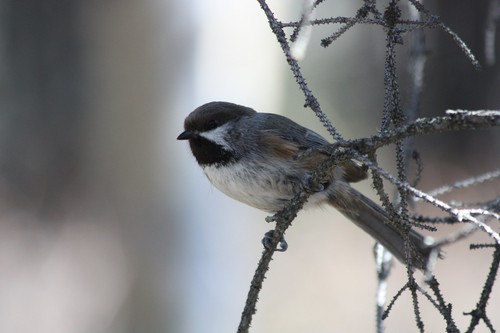
Other birds you may enjoy
Black Redstart
13-14.5 cm (5.1-5.7 in) long, 23-26 cm wingspan
Black-throated Sparrow
12-14 cm (4.7-5.5 in) long, about 19-20 cm (7.5-8 in) wingspan
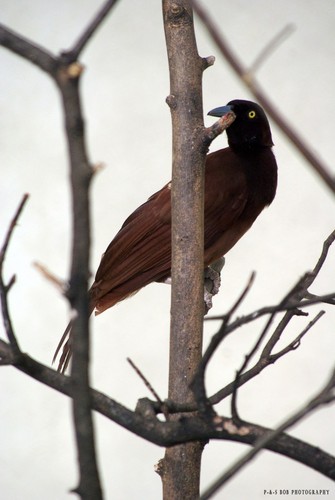
Greater Bird-of-paradise
Body about 43 cm; males with additional flank plumes up to 50 cm and long tail wires
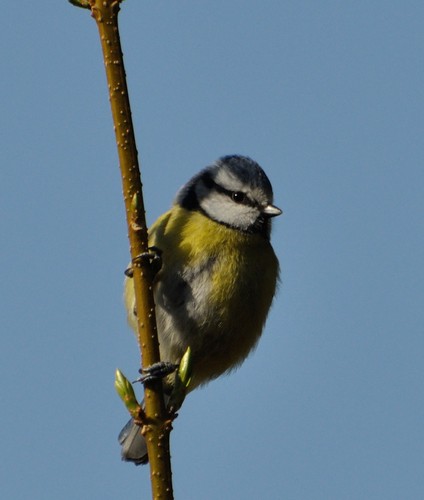
Blue Tit
11-12 cm (4.3-4.7 in) long, 17-20 cm wingspan
Red-billed Quelea
11.5–13 cm long, wingspan about 20–22 cm
White-plumed Antbird
13-14 cm (5-5.5 in) long
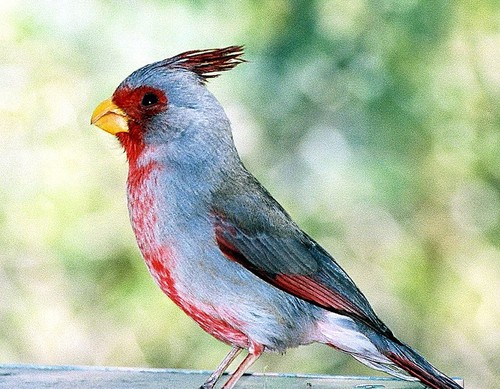
Pyrrhuloxia
19-22 cm (7.5-8.7 in) long, 30 cm wingspan
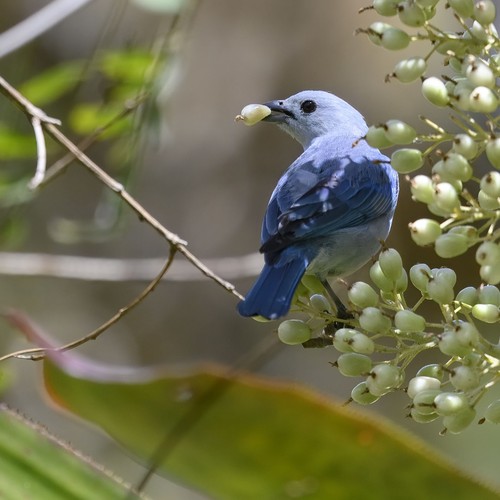
Blue-gray Tanager
16-18 cm (6-7 in) long
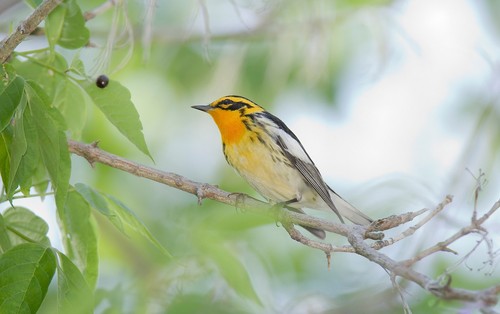
Blackburnian Warbler
11-13 cm (4.3-5.1 in) long, 20-22 cm wingspan
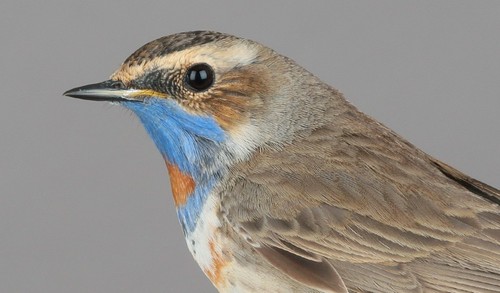
Bluethroat
13-14 cm (5.1-5.5 in) long, 20-22 cm wingspan
Eurasian Nuthatch
12-14.5 cm (4.7-5.7 in) long, 22.5-27 cm wingspan
Wood Thrush
19-21 cm (7.5-8.3 in) long, about 33 cm (13 in) wingspan