
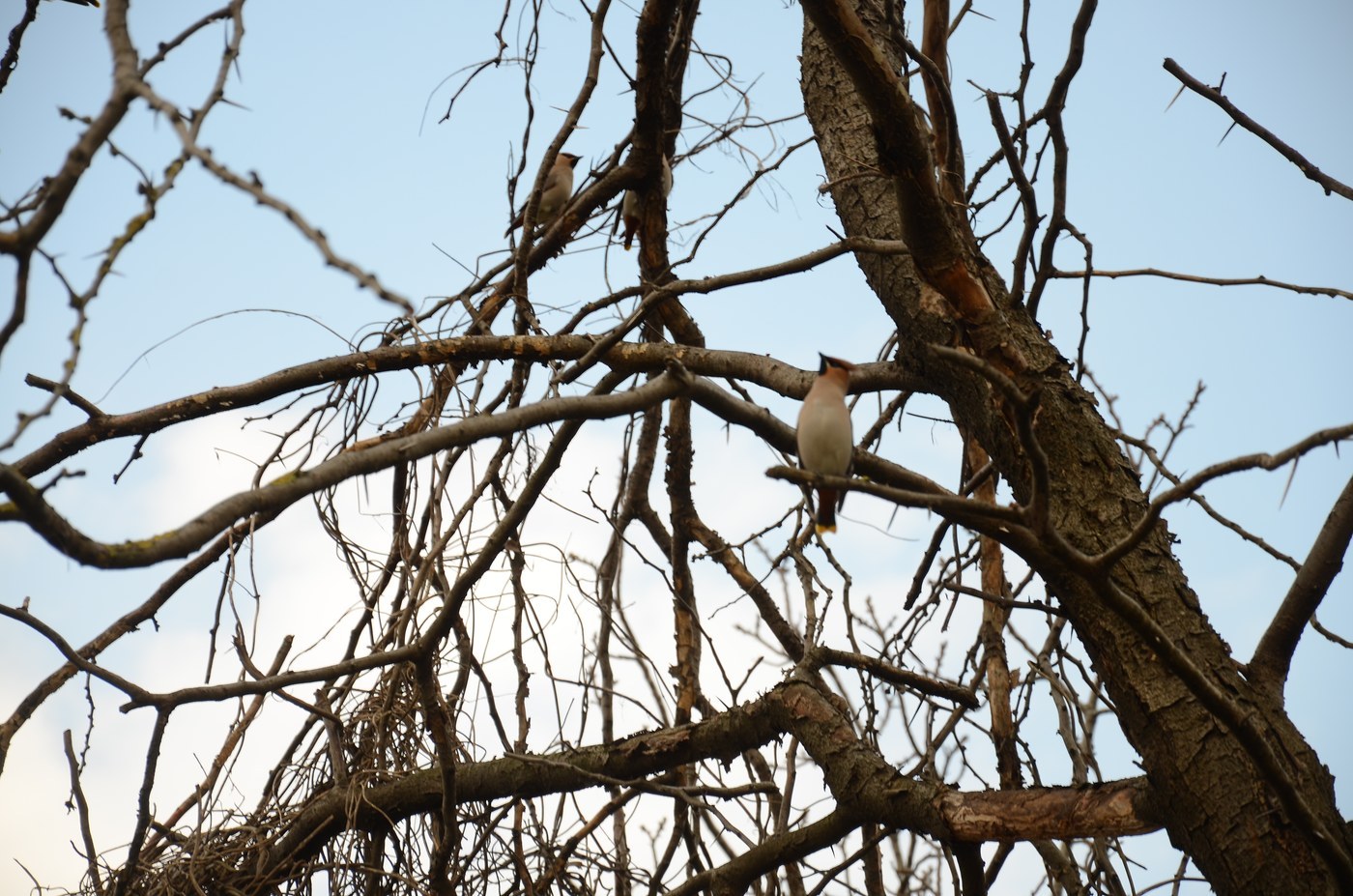
Bohemian Waxwing
Bombycilla garrulus
A sleek, crested, silky-plumaged bird of the northern boreal forest that erupts south in unpredictable, nomadic winter flocks to feast on berries.
- Size
- 19-23 cm (7.5-9 in) long, 32-35 cm wingspan
- Habitat
- boreal forest in summer; open woodlands, parks, and berry-laden trees in winter
- Type
- songbird
Spotted a bird like this?
Identify any bird from a photo, free.
Overview
The Bohemian Waxwing is a sleek, crested songbird named for its smooth, silky, grayish-brown plumage and its nomadic, wandering ("bohemian") habits during the non-breeding season. Adults show a soft gray body, a rich cinnamon face and crest, black mask and throat, chestnut undertail coverts, and striking yellow-tipped tail feathers, with waxy red tips on the secondary wing feathers that give the waxwing family its name. It is larger and grayer overall than the more familiar Cedar Waxwing, with bolder white and yellow wing markings.
Breeding in the far northern boreal forests of North America and Eurasia, Bohemian Waxwings become highly nomadic outside the breeding season, forming large, tight flocks that move unpredictably in search of berry crops, sometimes irrupting far south of their typical winter range in years when northern berry supplies are poor.
How to identify it
Key Field Marks
- Sleek crest, overall soft gray body, cinnamon face, black mask and chin
- Chestnut (rufous) undertail coverts, distinguishing it from the white undertail coverts of Cedar Waxwing
- Bold white and yellow markings on the wing (primaries), plus red waxy tips on secondary feathers
- Yellow-tipped tail
- Larger and grayer overall than Cedar Waxwing
Similar Species
- Cedar Waxwing is smaller, browner (less gray), has white (not chestnut) undertail coverts, and shows less bold white/yellow wing patterning.
- Both species travel in tight, cohesive flocks and can occur together at fruiting trees in winter in the northern United States and Canada.
Habitat & range
Habitat
Breeds in open boreal coniferous and mixed forest, especially near forest edges, clearings, and burns. In winter, found wherever fruiting trees and shrubs are abundant, including parks, hedgerows, and ornamental plantings.
Range
Breeds across the northern boreal regions of Alaska, Canada, and Eurasia (a circumpolar distribution). Winters irregularly across southern Canada and the northern United States, with occasional larger irruptions farther south.
Migration
Highly nomadic and irruptive rather than following a fixed migratory pattern; winter movements and abundance vary greatly from year to year depending on the size of wild berry crops in the north.
Behavior & voice
Behavior
Bohemian Waxwings are intensely social, traveling and foraging in large, tightly coordinated flocks that move together from tree to tree, sometimes stripping a fruiting tree bare within minutes before moving on.
Voice
The call is a high, buzzy, trilled note, similar to but lower and harsher than the thin, high-pitched call of the Cedar Waxwing; the species has no true song.
Feeding
Feeds heavily on berries and small fruits in fall and winter, including mountain ash, juniper, and crabapple, sometimes becoming intoxicated on overripe, fermented fruit; switches to catching flying insects during the breeding season.
Nesting & Breeding
Builds a bulky cup nest of twigs, moss, and lichen, typically placed in a conifer. The female incubates 4-6 eggs, and pairs often nest loosely near other Bohemian Waxwing pairs.
Frequently asked questions
Why is it called the Bohemian Waxwing?
The name reflects its nomadic, wandering winter habits, likened to the free-roaming lifestyle stereotypically associated with Bohemians, combined with the waxy red tips on its wing feathers shared by all waxwings.
How do you tell a Bohemian Waxwing from a Cedar Waxwing?
Bohemian Waxwings are larger and grayer with chestnut (not white) undertail coverts and bolder white and yellow wing markings, while Cedar Waxwings are smaller, browner, and have white undertail coverts.
Why do Bohemian Waxwings sometimes appear far south of their usual range?
They are highly nomadic and irruptive, and in years when berry crops fail in the northern boreal forest, large flocks may move much farther south than usual in search of food.
Can Bohemian Waxwings get drunk on berries?
Yes, they sometimes eat overripe, fermented berries in late winter and can become temporarily intoxicated, occasionally leading to disoriented flight.
What do Bohemian Waxwings eat?
They feed heavily on berries and small fruits during fall and winter, such as mountain ash and juniper, and switch to catching flying insects during the breeding season.
Bohemian Waxwing guides
In-depth guides for identifying, finding, and understanding Bohemian Waxwing.
Other birds you may enjoy
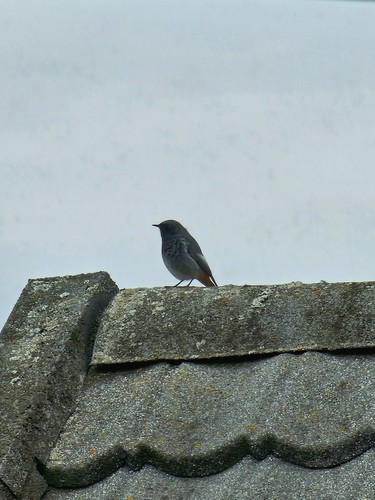
Black Redstart
13-14.5 cm (5.1-5.7 in) long, 23-26 cm wingspan
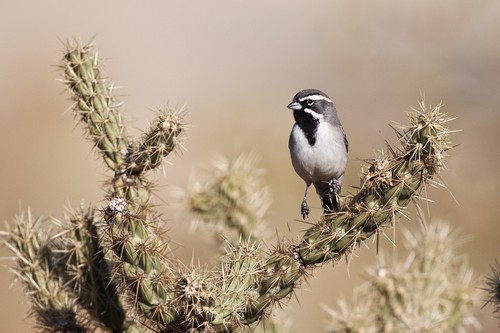
Black-throated Sparrow
12-14 cm (4.7-5.5 in) long, about 19-20 cm (7.5-8 in) wingspan
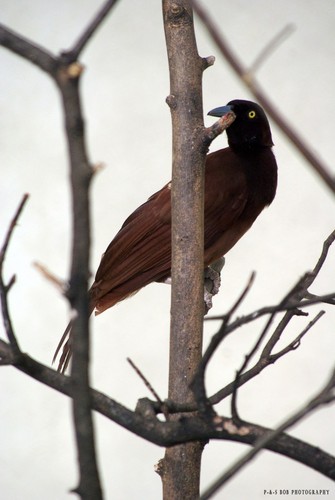
Greater Bird-of-paradise
Body about 43 cm; males with additional flank plumes up to 50 cm and long tail wires
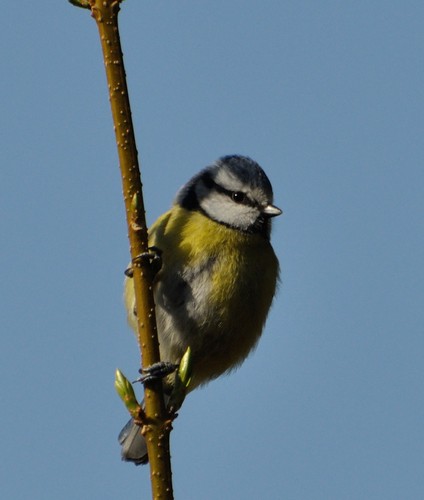
Blue Tit
11-12 cm (4.3-4.7 in) long, 17-20 cm wingspan

Red-billed Quelea
11.5–13 cm long, wingspan about 20–22 cm
White-plumed Antbird
13-14 cm (5-5.5 in) long
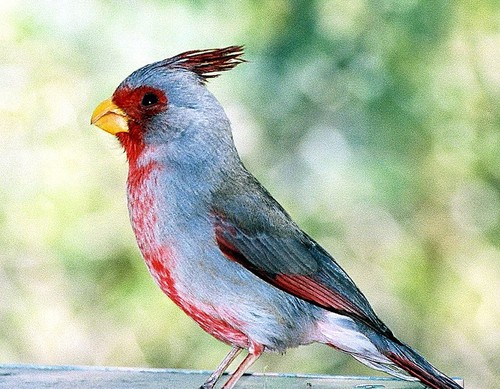
Pyrrhuloxia
19-22 cm (7.5-8.7 in) long, 30 cm wingspan
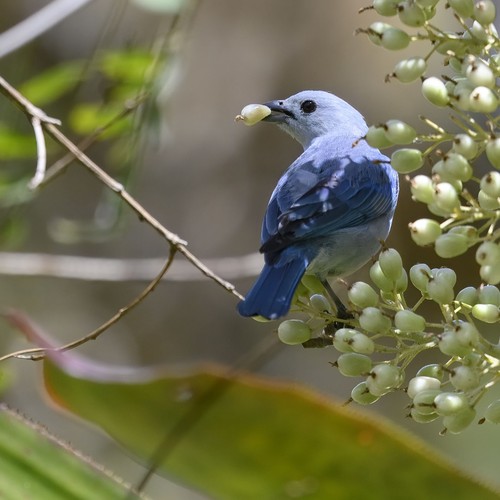
Blue-gray Tanager
16-18 cm (6-7 in) long
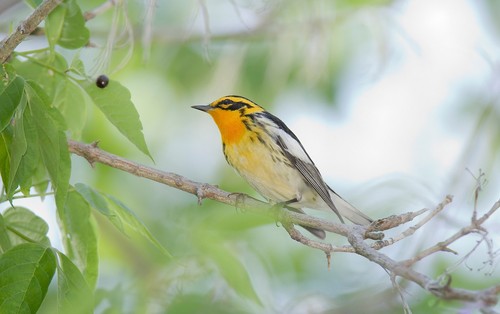
Blackburnian Warbler
11-13 cm (4.3-5.1 in) long, 20-22 cm wingspan
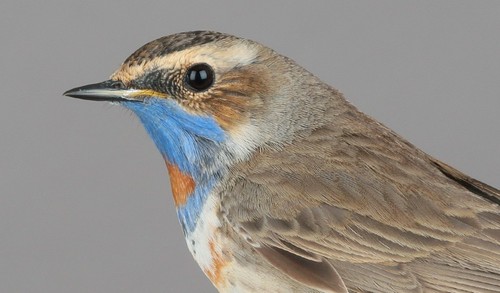
Bluethroat
13-14 cm (5.1-5.5 in) long, 20-22 cm wingspan
Eurasian Nuthatch
12-14.5 cm (4.7-5.7 in) long, 22.5-27 cm wingspan
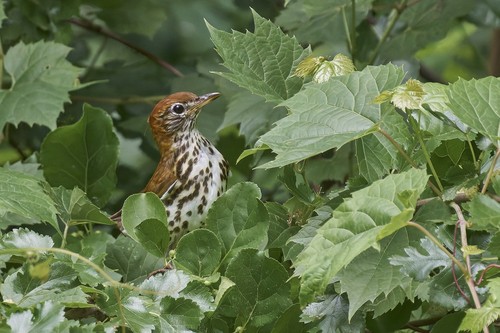
Wood Thrush
19-21 cm (7.5-8.3 in) long, about 33 cm (13 in) wingspan