
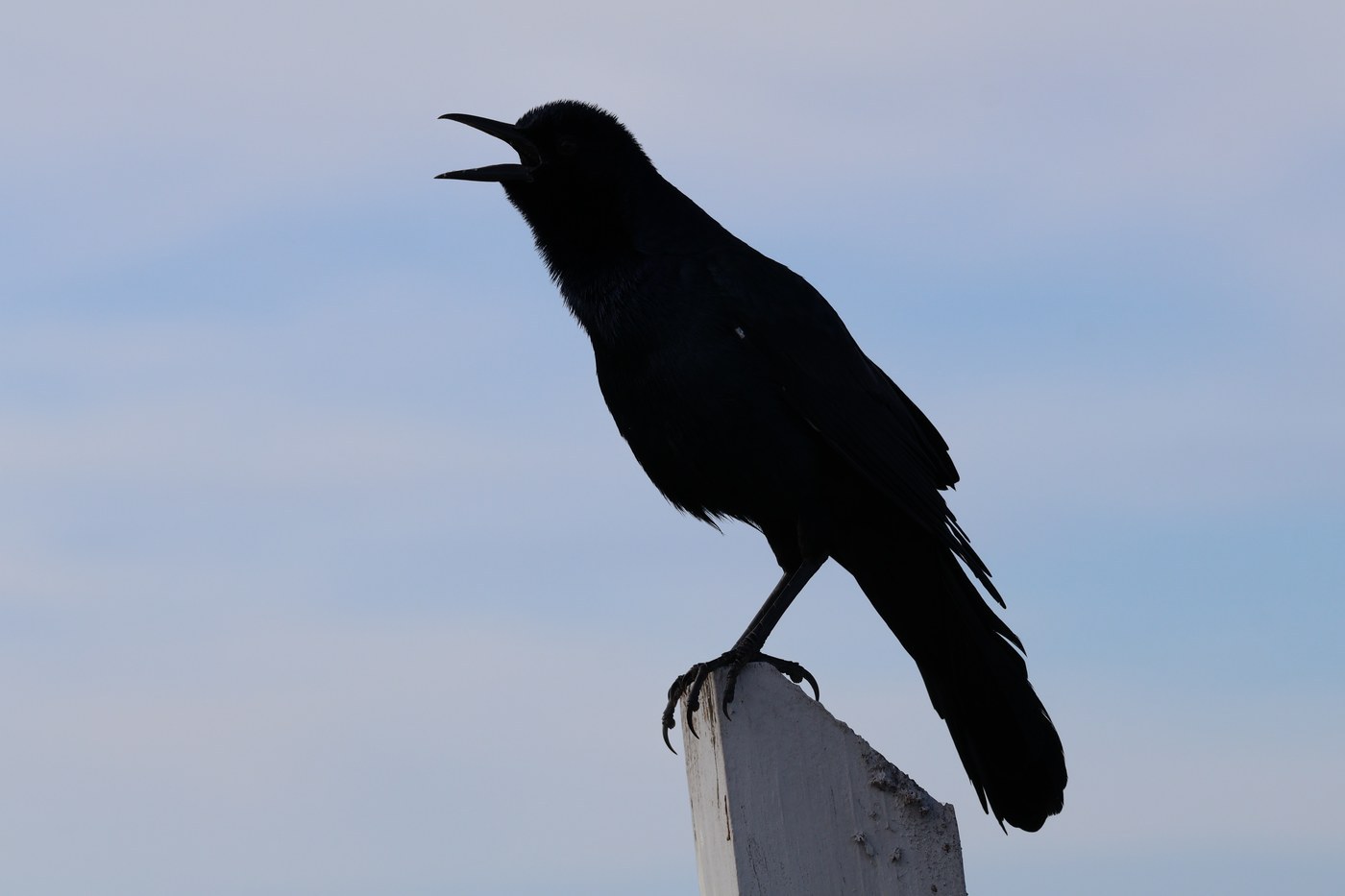
Boat-tailed Grackle
Quiscalus major
A large, glossy coastal grackle with a distinctive keel-shaped tail and dramatic size difference between the sexes.
- Size
- males 37-43 cm (15-17 in) long; females 28-33 cm (11-13 in) long
- Habitat
- coastal salt marshes, mangroves, and urban areas near the coast
- Type
- songbird
Spotted a bird like this?
Identify any bird from a photo, free.
Overview
The Boat-tailed Grackle is a conspicuous, highly vocal blackbird of the southeastern coastal United States, closely tied to salt marshes, mangroves, and increasingly urban areas along the Atlantic and Gulf coasts. Males are considerably larger than females, a striking degree of sexual size dimorphism unusual among North American songbirds, and both sexes possess the long, distinctive keel-shaped tail that gives the species its name.
Males are glossy iridescent blue-black overall, while females are much smaller and a warm buffy brown, with a paler head and breast contrasting against darker wings and tail; eye color varies geographically, appearing pale yellow in most of the range but often dark in Florida populations.
How to identify it
Key field marks
- Long, keel-shaped (boat-shaped) tail, especially pronounced in males
- Male: large size, glossy iridescent blue-black plumage
- Female: much smaller, warm buffy brown overall
- Eye color pale yellow to dark, varying by region
- Rounder head shape than related grackles
Similar species
Great-tailed Grackle overlaps along the Gulf Coast of Texas and Louisiana and is very similar; Boat-tailed Grackle has a rounder head, generally a shorter tail relative to body size, a browner female, and a stronger preference for coastal/estuarine habitat compared to the more inland-tolerant Great-tailed Grackle.
Habitat & range
Habitat
Boat-tailed Grackles are strongly tied to coastal habitats, especially salt marshes, mangroves, and estuaries, but also frequent urban and suburban areas, parking lots, and parks near the coast.
Range
The species is resident along the Atlantic coast from the mid-Atlantic states south through Florida, and along the Gulf Coast west to Texas, where its range overlaps with the similar Great-tailed Grackle.
Migration
Boat-tailed Grackles are non-migratory, remaining in their coastal range year-round.
Behavior & voice
Behavior
Boat-tailed Grackles are highly social, often forming large flocks and colonies, particularly around productive coastal feeding areas; they are opportunistic feeders taking insects, crustaceans, small fish, seeds, and readily scavenging food scraps in urban settings.
Voice
Vocalizations are loud and varied, including harsh rattles, whistles, and squeaky notes, often given in noisy group displays, particularly by males during the breeding season.
Nesting
Boat-tailed Grackles nest colonially, often over water in marsh vegetation or in trees and shrubs near the coast. Males are polygynous, mating with multiple females within a colony, and females alone build the nest and incubate typically 2-4 eggs.
Frequently asked questions
How do you tell a Boat-tailed Grackle from a Great-tailed Grackle?
Boat-tailed Grackle has a rounder head, a browner female, and favors coastal salt marsh and estuarine habitat, while Great-tailed Grackle tends to have a flatter head profile and tolerates a wider range of inland habitats; the two overlap mainly along the Gulf Coast of Texas and Louisiana.
Why are male and female Boat-tailed Grackles so different in size?
The species shows unusually strong sexual size dimorphism, with males considerably larger and glossier than the smaller, warm brown females, a pattern linked to the species' polygynous mating system.
Where does the Boat-tailed Grackle live?
It is a year-round resident of coastal salt marshes, mangroves, and nearby urban areas along the Atlantic coast from the mid-Atlantic to Florida and along the Gulf Coast to Texas.
What does a Boat-tailed Grackle eat?
It is an opportunistic feeder eating insects, crustaceans, small fish, seeds, and food scraps.
Boat-tailed Grackle guides
In-depth guides for identifying, finding, and understanding Boat-tailed Grackle.
Other birds you may enjoy
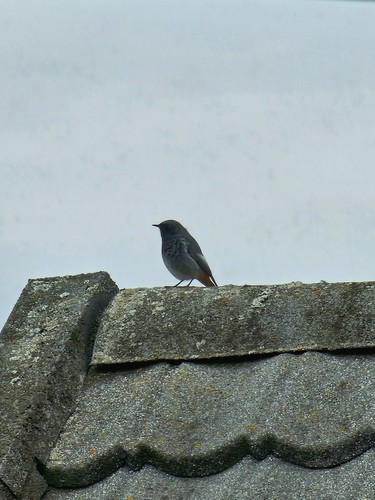
Black Redstart
13-14.5 cm (5.1-5.7 in) long, 23-26 cm wingspan
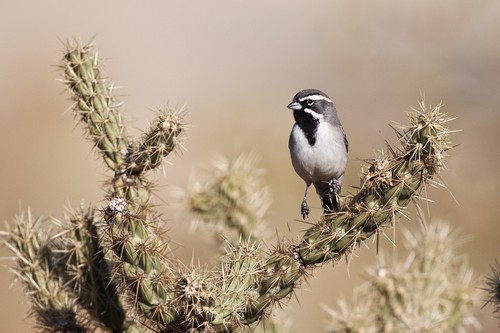
Black-throated Sparrow
12-14 cm (4.7-5.5 in) long, about 19-20 cm (7.5-8 in) wingspan
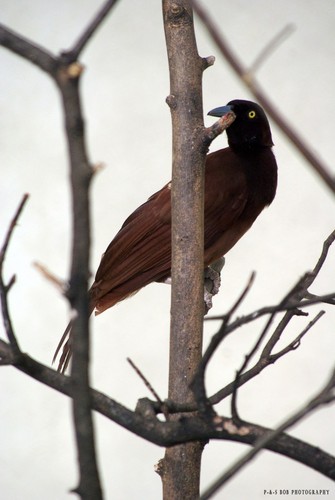
Greater Bird-of-paradise
Body about 43 cm; males with additional flank plumes up to 50 cm and long tail wires
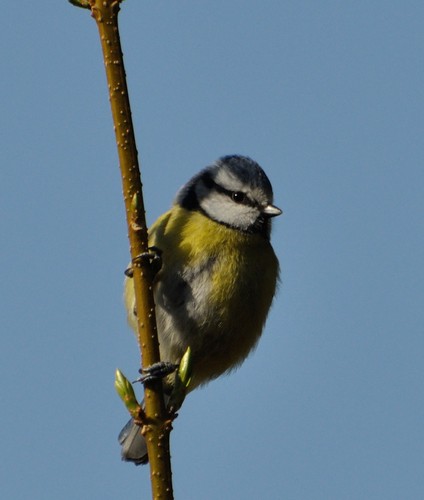
Blue Tit
11-12 cm (4.3-4.7 in) long, 17-20 cm wingspan
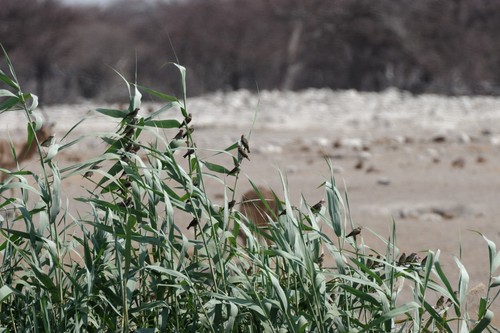
Red-billed Quelea
11.5–13 cm long, wingspan about 20–22 cm
White-plumed Antbird
13-14 cm (5-5.5 in) long
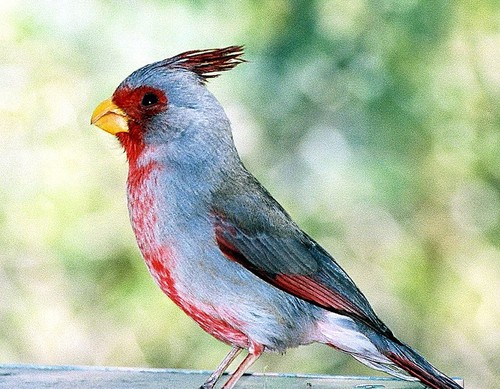
Pyrrhuloxia
19-22 cm (7.5-8.7 in) long, 30 cm wingspan
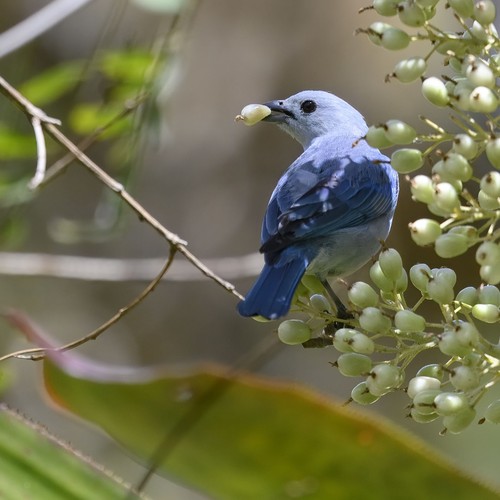
Blue-gray Tanager
16-18 cm (6-7 in) long
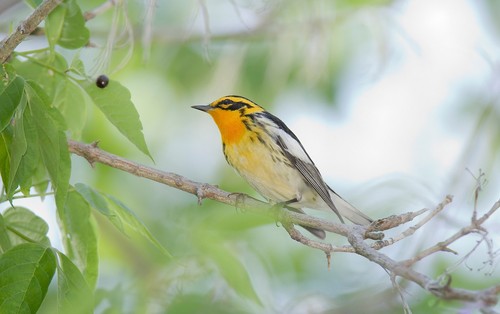
Blackburnian Warbler
11-13 cm (4.3-5.1 in) long, 20-22 cm wingspan
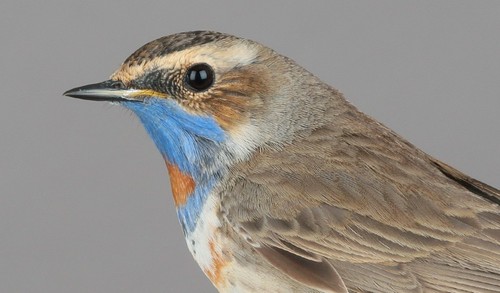
Bluethroat
13-14 cm (5.1-5.5 in) long, 20-22 cm wingspan
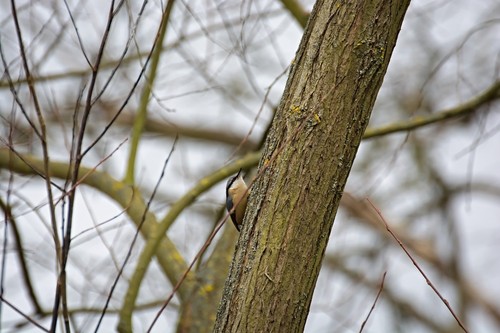
Eurasian Nuthatch
12-14.5 cm (4.7-5.7 in) long, 22.5-27 cm wingspan
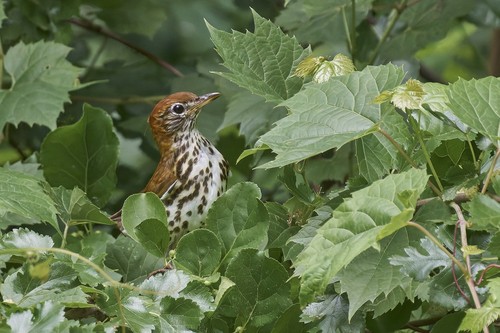
Wood Thrush
19-21 cm (7.5-8.3 in) long, about 33 cm (13 in) wingspan