
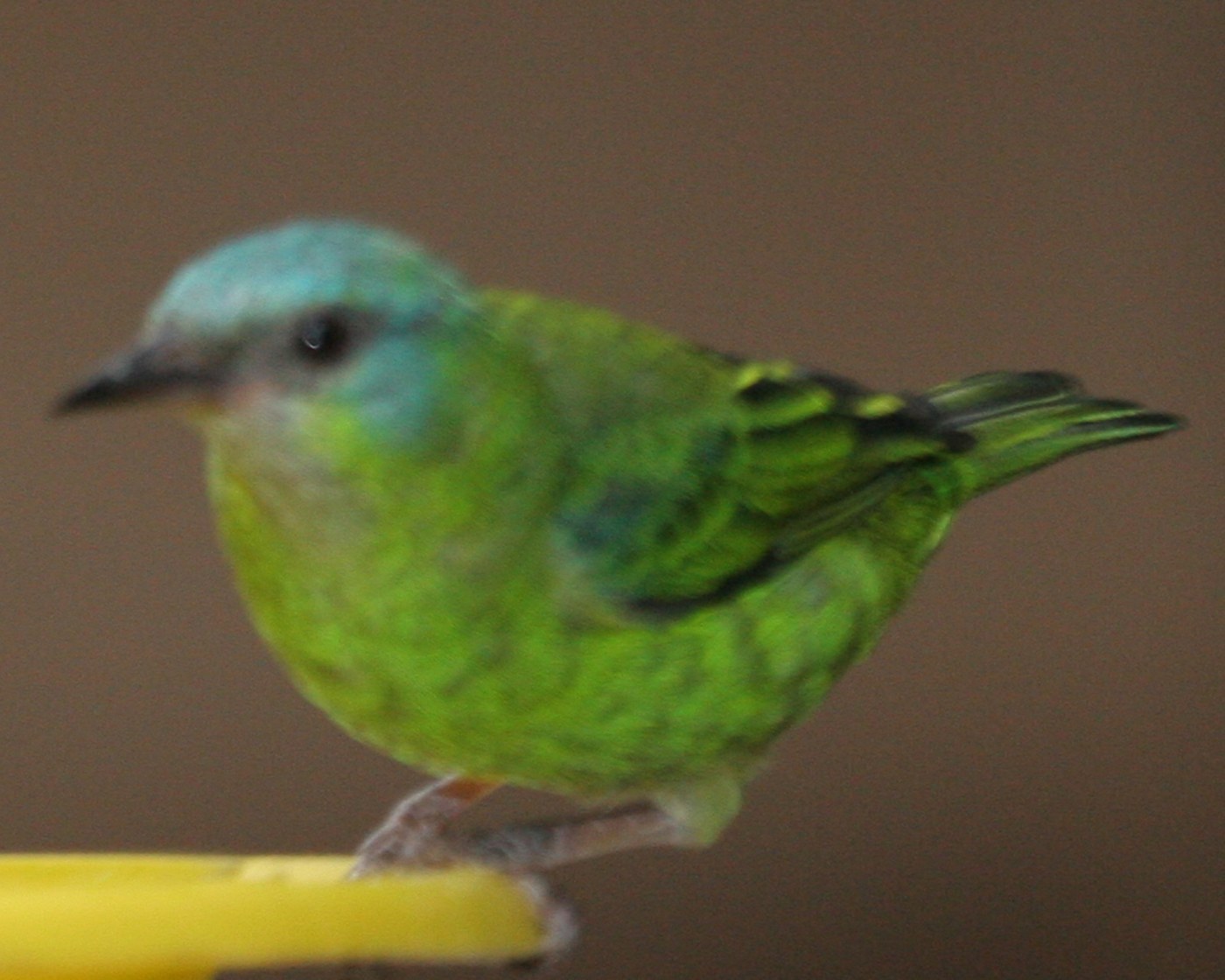
Blue Dacnis
Dacnis cayana
A small, brilliant turquoise-blue tanager relative with a black throat and back, whose olive-green female shows a contrasting blue head.
- Size
- 12-13 cm (4.7-5 in) long
- Habitat
- humid forest edge, canopy, and secondary growth from Central America to Argentina
- Type
- songbird
Spotted a bird like this?
Identify any bird from a photo, free.
Overview
The Blue Dacnis is a small, vividly colored member of the tanager family that brightens forest edges and canopy across much of the American tropics. Males are a striking turquoise-blue overall, with a black back, throat, and flight feathers, and a distinctive red eye that stands out against the blue face.
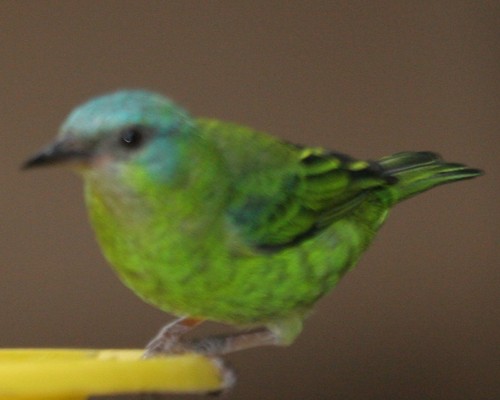
Females present a very different look, being mostly grass-green with a contrasting blue-turquoise head and nape, a pattern that offers better camouflage during nesting while retaining a hint of the male's signature color. Both sexes have a fine, straight, pointed bill typical of the Dacnis genus.
Active and often found in pairs or small groups, Blue Dacnis frequently join mixed-species foraging flocks moving through the canopy and forest edge in search of fruit and insects.
How to identify it
Key field marks
- Male: turquoise-blue body, black back/throat/wings, red eye
- Female: green body with a contrasting blue-turquoise head
- Fine, straight, pointed bill
- Small, compact build
Similar species
Turquoise Dacnis and Viridian Dacnis are similar but occur mainly in different ranges or elevations and show subtly different patterns of black on the male; female Blue Dacnis is distinguished from other female dacnis and honeycreepers by the sharply contrasting blue head against a green body.
Habitat & range
Habitat
Blue Dacnis inhabit humid forest edge, canopy, secondary growth, and plantations, generally favoring semi-open areas over dense forest interior.
Range
The species ranges from Costa Rica and Panama through Colombia, Venezuela, the Guianas, and the Amazon basin, south to Bolivia, Paraguay, and northern Argentina.
Migration
It is largely a non-migratory resident, though some local movements occur in response to fruiting cycles.
Behavior & voice
Behavior
Blue Dacnis are active foragers usually seen in pairs or small groups, often joining mixed-species flocks moving through the canopy and forest edge alongside tanagers and honeycreepers.
Voice
Its calls are thin, high-pitched 'seep' or 'tsip' notes, given while foraging or in flight, unremarkable relative to its bright plumage.
Feeding
It feeds mainly on small fruits, supplemented by insects gleaned from foliage and occasional nectar, foraging actively through the mid-story to canopy.
Nesting and breeding
The female builds a small cup nest hidden in dense foliage and incubates the eggs, with the male sometimes assisting in feeding the nestlings after hatching.
Frequently asked questions
How do you tell a male from a female Blue Dacnis?
Males are turquoise-blue overall with a black back and throat, while females are green with a contrasting blue-turquoise head.
What does the Blue Dacnis eat?
Mostly small fruits, along with insects and some nectar.
Where does the Blue Dacnis live?
From Costa Rica and Panama south through much of tropical South America to northern Argentina.
Does the Blue Dacnis join flocks with other birds?
Yes, it commonly joins mixed-species foraging flocks in the canopy and forest edge.
Blue Dacnis guides
In-depth guides for identifying, finding, and understanding Blue Dacnis.
Other birds you may enjoy
Black Redstart
13-14.5 cm (5.1-5.7 in) long, 23-26 cm wingspan
Black-throated Sparrow
12-14 cm (4.7-5.5 in) long, about 19-20 cm (7.5-8 in) wingspan
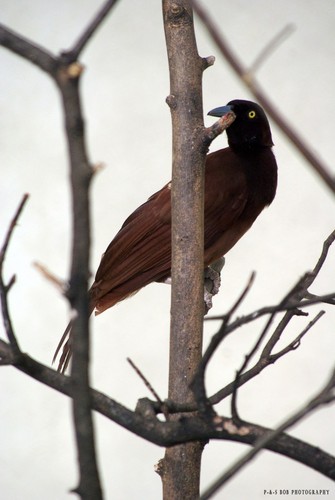
Greater Bird-of-paradise
Body about 43 cm; males with additional flank plumes up to 50 cm and long tail wires
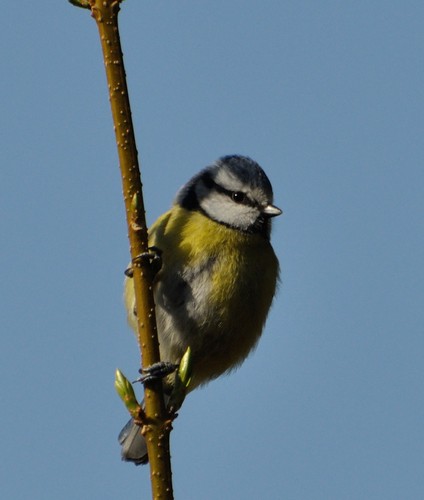
Blue Tit
11-12 cm (4.3-4.7 in) long, 17-20 cm wingspan
Red-billed Quelea
11.5–13 cm long, wingspan about 20–22 cm
White-plumed Antbird
13-14 cm (5-5.5 in) long
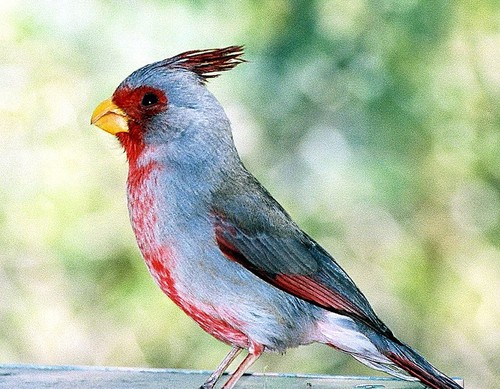
Pyrrhuloxia
19-22 cm (7.5-8.7 in) long, 30 cm wingspan
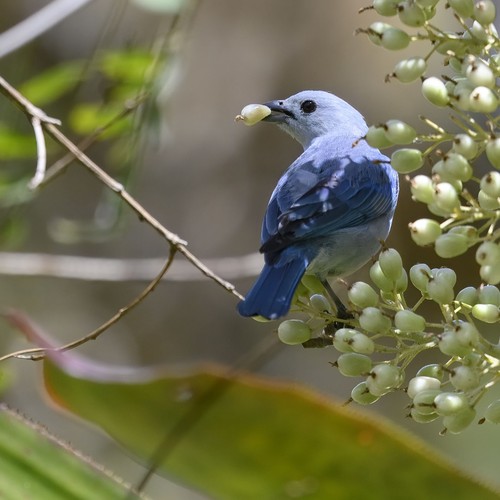
Blue-gray Tanager
16-18 cm (6-7 in) long
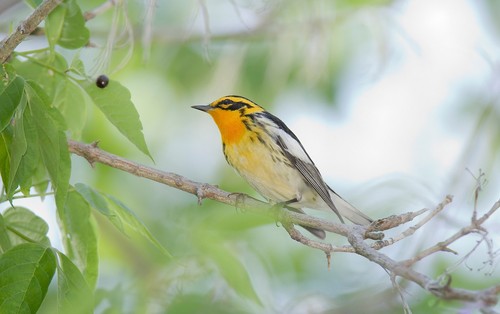
Blackburnian Warbler
11-13 cm (4.3-5.1 in) long, 20-22 cm wingspan
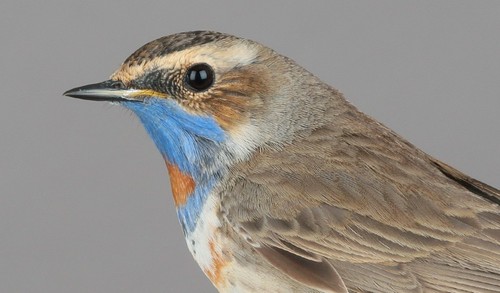
Bluethroat
13-14 cm (5.1-5.5 in) long, 20-22 cm wingspan
Eurasian Nuthatch
12-14.5 cm (4.7-5.7 in) long, 22.5-27 cm wingspan
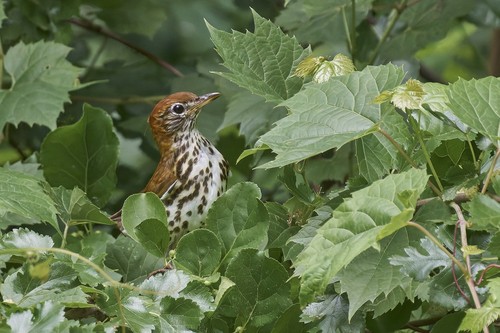
Wood Thrush
19-21 cm (7.5-8.3 in) long, about 33 cm (13 in) wingspan