
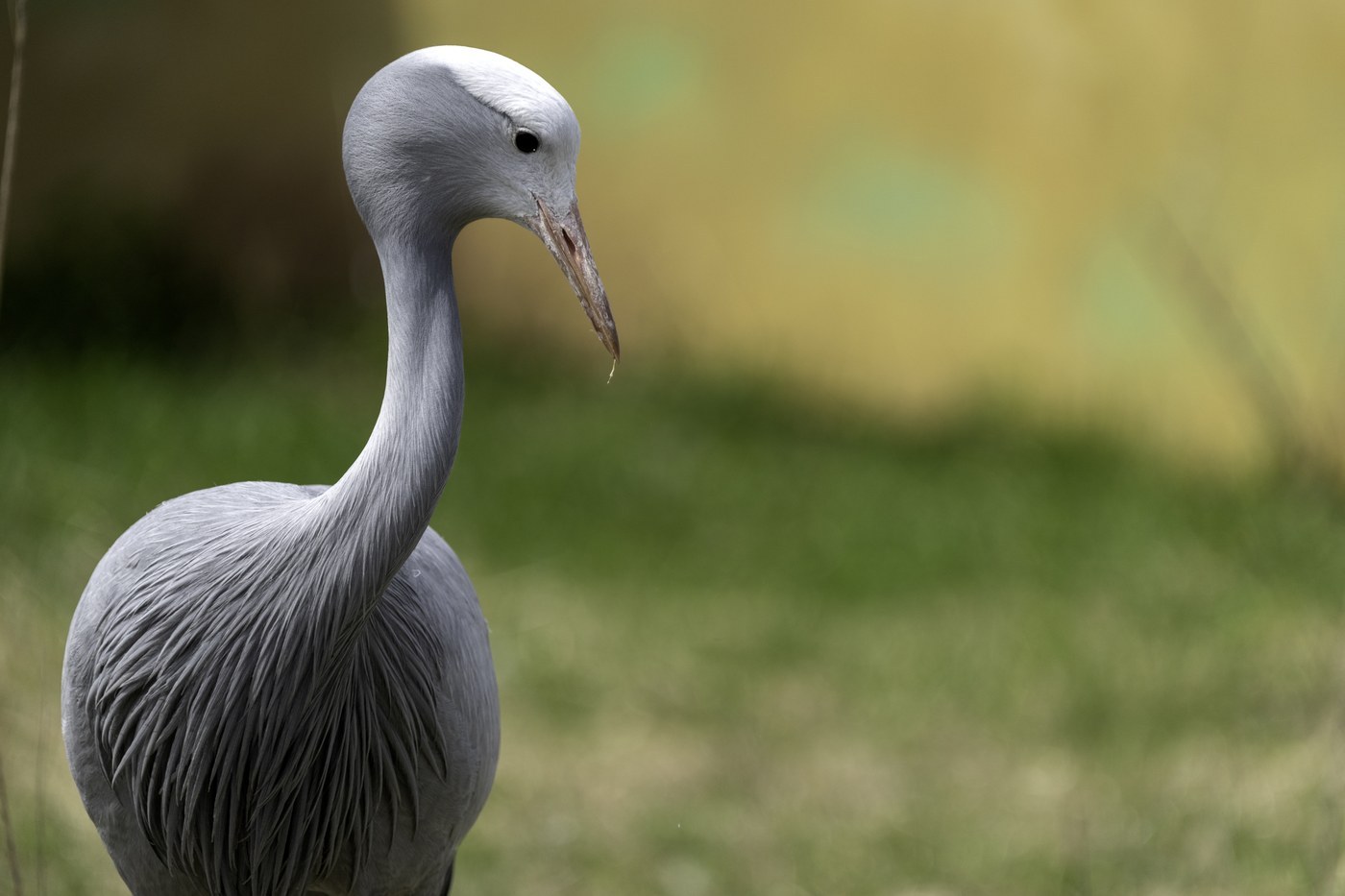
Blue Crane
Grus paradisea
South Africa's national bird, a pale blue-grey crane with an oversized head and dark wingtip plumes that trail like a train.
- Size
- 100-120 cm (39-47 in) tall, wingspan roughly 180-200 cm
- Habitat
- dry grasslands, Karoo scrub, wetland edges, and agricultural fields of South Africa
- Type
- wading-bird
Spotted a bird like this?
Identify any bird from a photo, free.
Overview
The Blue Crane, also known as the Stanley Crane or Paradise Crane, is a tall, pale powder blue-grey crane found almost entirely within South Africa. It has a proportionally large, bulbous head and short bill set on a slender neck, giving it a distinctive silhouette. Rather than bright head ornamentation, its elegance comes from long, dark grey to blackish secondary wing feathers that droop and trail behind the body like a bustle when the bird is standing.
As the national bird of South Africa, the Blue Crane holds deep cultural significance, particularly in Zulu tradition, where its feathers have historically been associated with status and honor. It favors open grassland and farmland rather than deep wetlands, setting it apart from most other crane species.
How to identify it
Key field marks
- Uniform pale blue-grey plumage overall
- Large, rounded head on a slender neck
- Long, dark, drooping wingtip (secondary) plumes trailing near the ground
- Short, straight bill
- Graceful, slightly hunched standing posture
Similar species
The Wattled Crane has obvious white throat wattles and a white foreneck, features the Blue Crane entirely lacks. The Grey Crowned Crane shows a spiky golden crest and much more patterned head, easily separating it from the plain-headed Blue Crane.
Habitat & range
Habitat
Blue Cranes favor dry, open grasslands, Karoo shrubland, and cultivated fields such as wheat and maize, using wetlands mainly for roosting and drinking rather than for feeding.
Range and migration
The species is almost entirely restricted to South Africa's grassland biome, with the largest populations in the Free State, KwaZulu-Natal, and the Overberg region of the Western Cape, plus a small, isolated population in Namibia's Etosha region. Blue Cranes are largely sedentary, making only local, nomadic movements in response to food and water availability.
Behavior & voice
Behavior
Outside the breeding season, Blue Cranes gather in flocks, sometimes numbering in the hundreds, on farmland and grassland. Pairs perform elaborate dancing displays involving bowing, leaping, and wing-flapping, especially during courtship.
Voice
A loud, rattling, croaking call, often given in flight or as a contact call between flock members.
Feeding
An omnivorous diet of seeds, waste grain, grasses, and insects, which brings the species into frequent contact with cultivated farmland.
Nesting and breeding
Nests are simple scrapes on the ground in grassland or at wetland edges, typically holding two eggs. Both parents share incubation and chick-rearing duties.
Frequently asked questions
Is the Blue Crane actually blue?
It is more accurately a pale blue-grey rather than true blue, though the tone can look striking in certain light.
Why is the Blue Crane important to South Africa?
It is South Africa's national bird and holds cultural significance in Zulu tradition as a symbol of status and honor.
Where can you see Blue Cranes?
Mainly in grasslands and farmland of South Africa, especially the Overberg region, KwaZulu-Natal, and the Free State.
Do Blue Cranes migrate?
No, they are largely sedentary and nomadic, moving locally rather than undertaking long-distance migration.
What threats do Blue Cranes face?
Habitat loss, collisions with power lines, and poisoning are among the main threats to the species.
Blue Crane guides
In-depth guides for identifying, finding, and understanding Blue Crane.
Other birds you may enjoy
Demoiselle Crane
85-100 cm (33-39 in) long, 155-180 cm wingspan
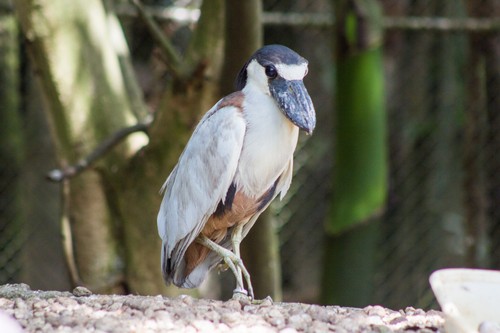
Boat-billed Heron
41-56 cm (16-22 in) long
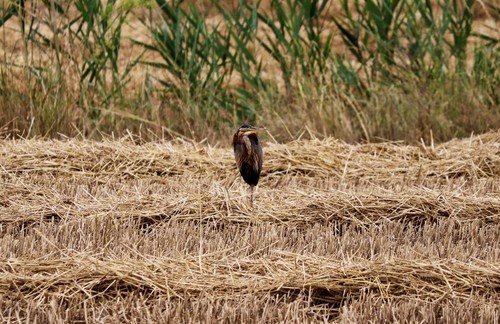
Purple Heron
78-90 cm (31-35 in) long, 120-152 cm wingspan
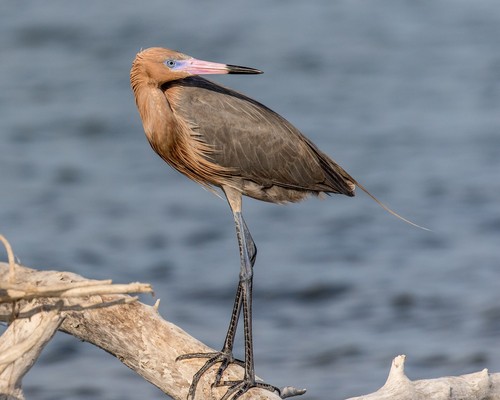
Reddish Egret
68-82 cm (27-32 in) long, 116-125 cm wingspan
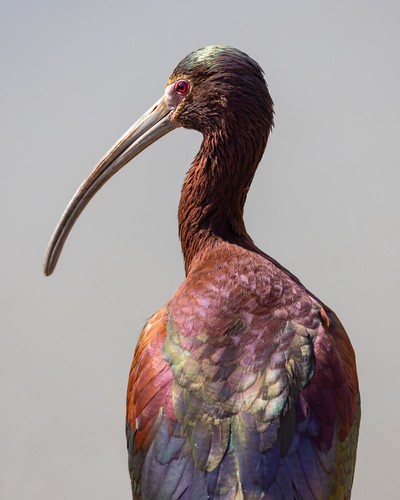
White-faced Ibis
46-56 cm (18-22 in) long, 88-93 cm wingspan
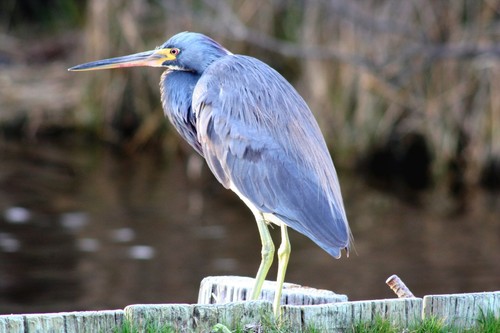
Tricolored Heron
61-76 cm (24-30 in) long, about 96 cm wingspan
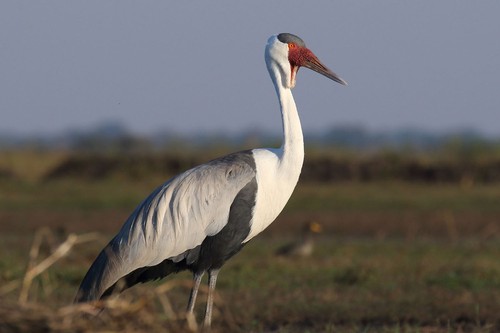
Wattled Crane
120-175 cm (47-69 in) tall, one of the tallest cranes, wingspan up to about 230 cm (7.5 ft)
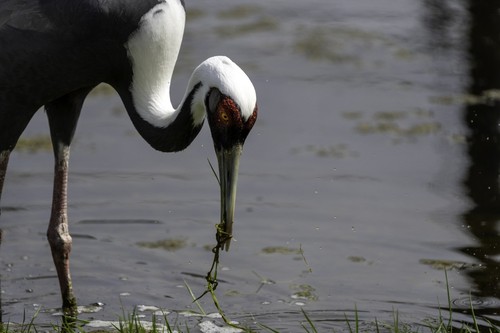
White-naped Crane
112-125 cm (44-49 in) long, 195-210 cm wingspan
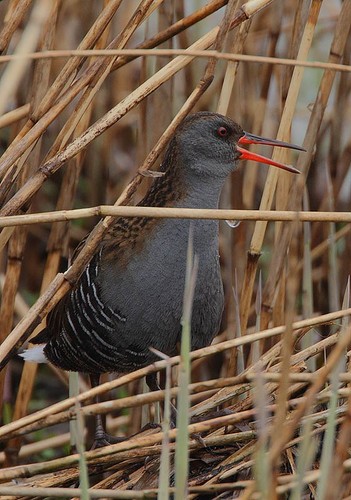
Water Rail
23-28 cm (9-11 in) long, wingspan 38-45 cm
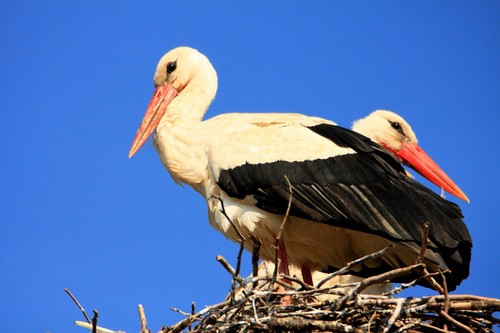
White Stork
100-125 cm (39-49 in) long, 155-215 cm wingspan
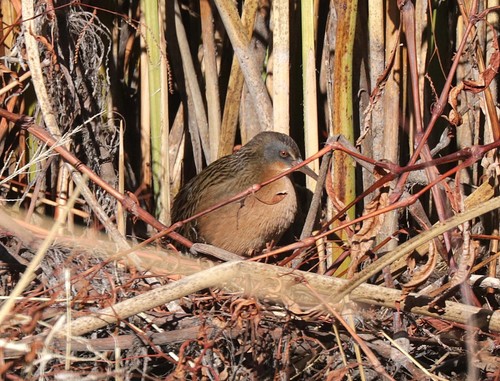
Virginia Rail
20-27 cm (8-11 in) long, wingspan 32-38 cm
Wattled Jacana
17-23 cm (7-9 in) long