
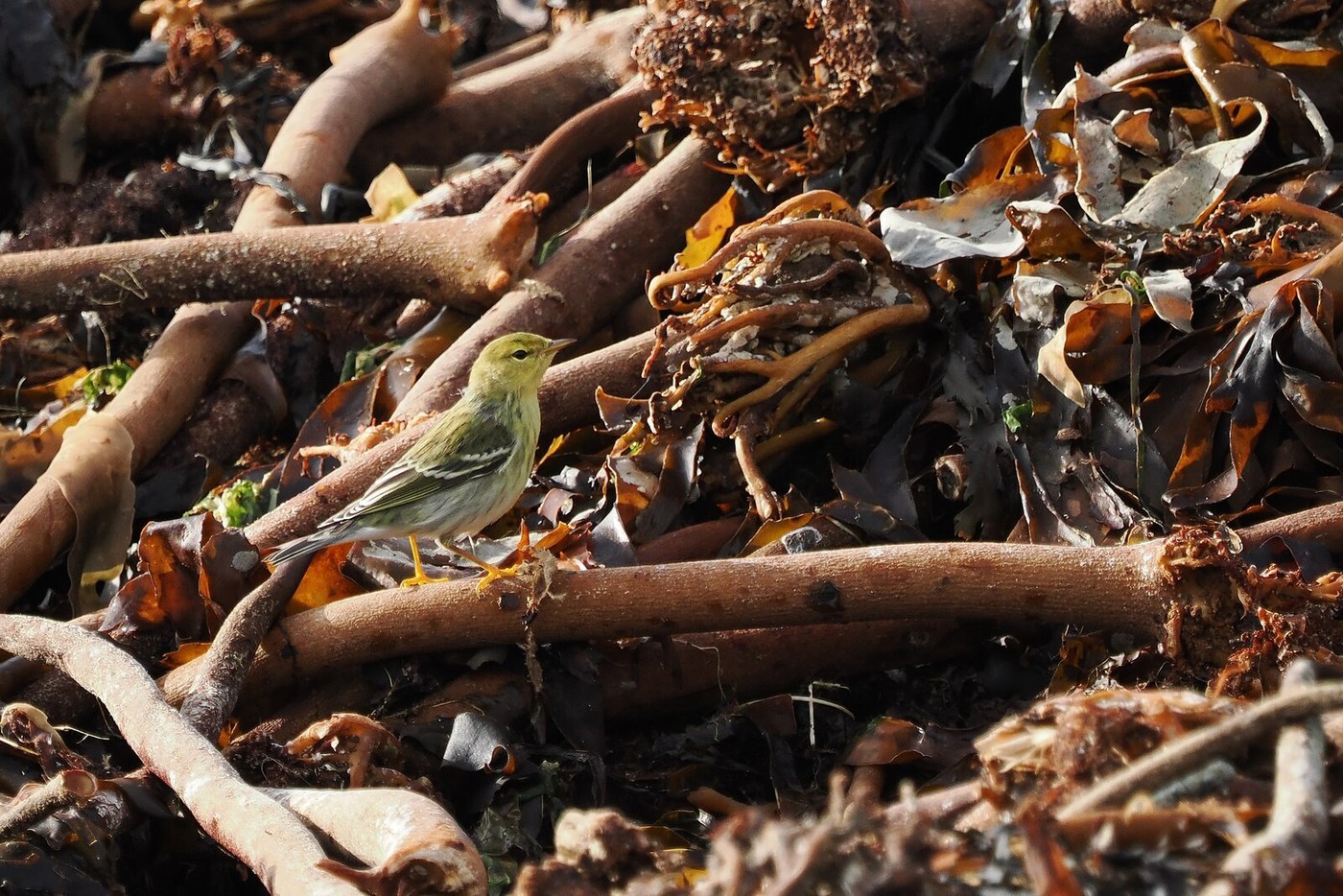
Blackpoll Warbler
Setophaga striata
A boreal-breeding warbler famous for its extraordinary nonstop transoceanic migration flight from the northeastern U.S. to South America.
- Size
- 12-14 cm (4.7-5.5 in) long, 20-23 cm wingspan
- Habitat
- boreal spruce forest and stunted taiga for breeding; forages in a wide range of woodlands during migration
- Type
- songbird
Spotted a bird like this?
Identify any bird from a photo, free.
Overview
The Blackpoll Warbler is a modest-looking bird with an extraordinary life history. Breeding males show a solid black cap contrasting with white cheeks, black malar and moustache streaking, and a streaked black-and-white body, giving a crisp, orderly pattern. Females and fall birds are much duller, olive-gray above and pale yellowish below with faint streaking, often causing identification challenges during fall migration.
All plumages typically show pale legs with the feet often appearing yellowish, a helpful mark when other features are ambiguous. This warbler holds one of the most remarkable migratory feats of any songbird, flying nonstop over open ocean from the northeastern United States to wintering grounds in South America, a journey of several days without stopping.
How to identify it
Key Field Marks
- Breeding male: solid black cap, white cheek, black streaking on white underparts
- Fall/female: dull olive-gray above, pale yellowish below with faint streaking, lacking the bold cap
- Pale legs and feet, often yellowish, useful in dull plumages
- Two white wingbars
- Streaked, unmarked face pattern (in dull plumage) lacking bold contrast
Similar Species
Black-and-white Warbler shows fully striped plumage over the entire body and creeps along tree trunks, unlike the Blackpoll's solid black cap and foliage-gleaning habits. Fall Blackpoll Warblers closely resemble fall Bay-breasted and Pine Warblers; pale legs, a streaked back, and faint breast streaking help separate Blackpoll from these similar species.
Habitat & range
Habitat
Blackpoll Warblers breed in boreal spruce forest and stunted taiga, including areas near treeline in the far north. During migration, they use a broad range of woodland and shrub habitats to refuel.
Range
This species breeds across the northern boreal forest of Canada and Alaska, with a small population in the mountains of the northeastern United States. It winters in the Amazon Basin and other parts of northern South America.
Migration
Blackpoll Warblers undertake one of the most impressive migrations of any songbird: many individuals fly nonstop over the open Atlantic Ocean from the northeastern U.S. and Atlantic Canada to South America, a flight that can last more than 80 hours and cover roughly 2,500-3,000 km without landing.
Behavior & voice
Behavior
During the breeding season, Blackpolls forage in dense spruce and fir foliage, generally moving less frantically than some warblers; during migration, they can be found gleaning actively through a wide range of woodland vegetation while building substantial fat reserves for their oceanic flight.
Voice
The song is an extremely high-pitched, monotonous series of single-pitched notes that increase then decrease slightly in volume, often described as 'tsi-tsi-tsi-tsi-tsi.' The call is a sharp 'chip.'
Feeding
It gleans insects and spiders from needles and foliage during the breeding season, and eats fruit and insects opportunistically while building fat reserves before its long migratory flight.
Nesting & Breeding
The female builds a well-insulated cup nest low in a spruce or fir, often close to the trunk. She lays 3-5 eggs, raising young quickly to take advantage of the short northern breeding season before departing on migration.
Frequently asked questions
How far does the Blackpoll Warbler migrate?
Many Blackpoll Warblers fly nonstop over the open Atlantic Ocean from the northeastern United States and Atlantic Canada to South America, a flight of roughly 2,500-3,000 km lasting more than 80 hours without landing, one of the most extreme migratory feats among songbirds.
How do you identify a breeding male Blackpoll Warbler?
Look for a solid black cap, white cheeks, and crisp black streaking on white underparts, along with pale, often yellowish legs.
How do you tell a fall Blackpoll Warbler from similar species?
Fall Blackpolls are dull olive-gray above and pale yellowish below with faint streaking; pale legs and feet, a streaked back, and overall dull tone help separate it from similar fall warblers like Bay-breasted and Pine Warbler.
Where do Blackpoll Warblers breed?
They breed in boreal spruce forest and stunted taiga across northern Canada and Alaska, with a small population in the mountains of the northeastern United States.
Why is the Blackpoll Warbler's conservation status a concern?
Its population has declined substantially in recent decades, likely tied to habitat loss on the breeding and wintering grounds and pressures during its extraordinarily long migration, leading to a Near Threatened assessment.
Blackpoll Warbler guides
In-depth guides for identifying, finding, and understanding Blackpoll Warbler.
Other birds you may enjoy
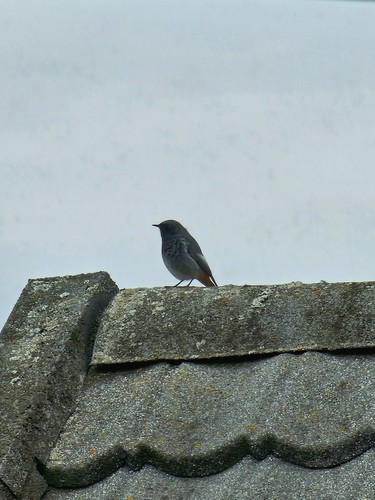
Black Redstart
13-14.5 cm (5.1-5.7 in) long, 23-26 cm wingspan
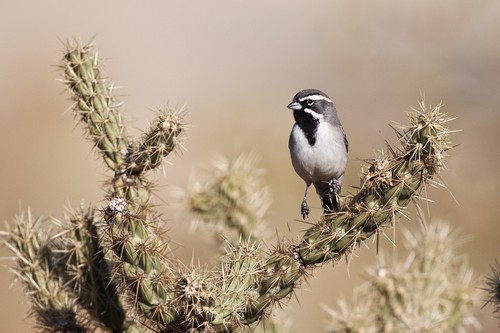
Black-throated Sparrow
12-14 cm (4.7-5.5 in) long, about 19-20 cm (7.5-8 in) wingspan
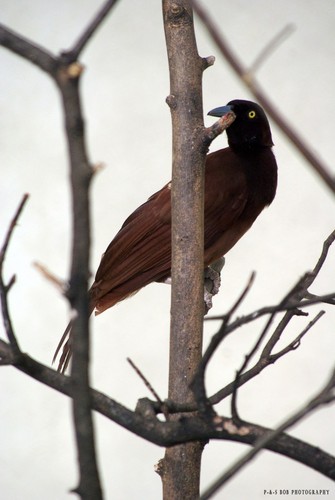
Greater Bird-of-paradise
Body about 43 cm; males with additional flank plumes up to 50 cm and long tail wires
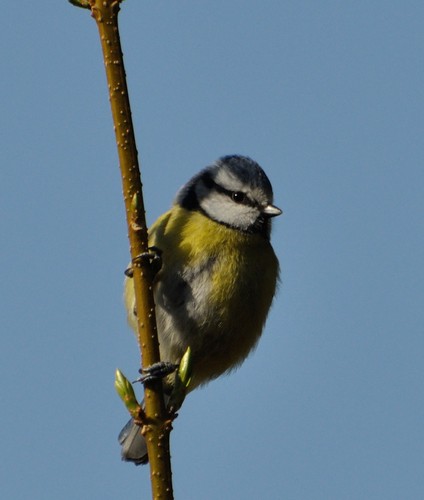
Blue Tit
11-12 cm (4.3-4.7 in) long, 17-20 cm wingspan
Red-billed Quelea
11.5–13 cm long, wingspan about 20–22 cm
White-plumed Antbird
13-14 cm (5-5.5 in) long
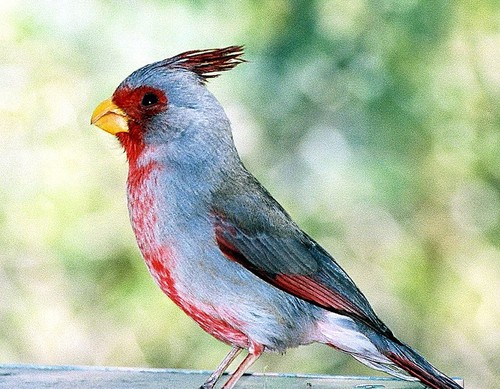
Pyrrhuloxia
19-22 cm (7.5-8.7 in) long, 30 cm wingspan
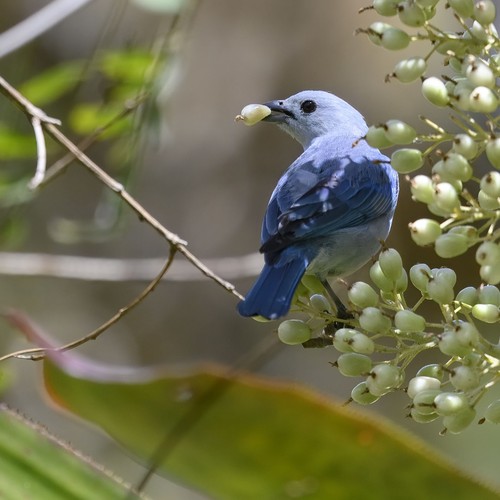
Blue-gray Tanager
16-18 cm (6-7 in) long
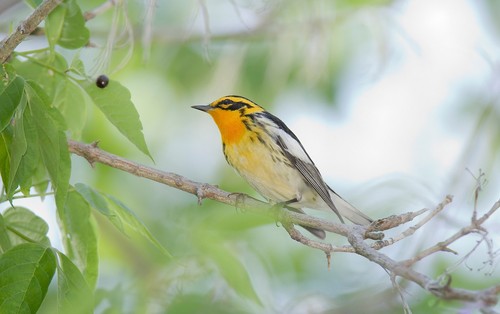
Blackburnian Warbler
11-13 cm (4.3-5.1 in) long, 20-22 cm wingspan
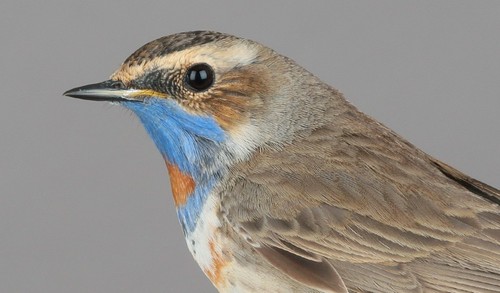
Bluethroat
13-14 cm (5.1-5.5 in) long, 20-22 cm wingspan
Eurasian Nuthatch
12-14.5 cm (4.7-5.7 in) long, 22.5-27 cm wingspan
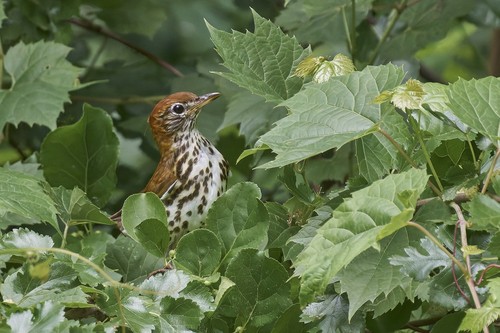
Wood Thrush
19-21 cm (7.5-8.3 in) long, about 33 cm (13 in) wingspan