
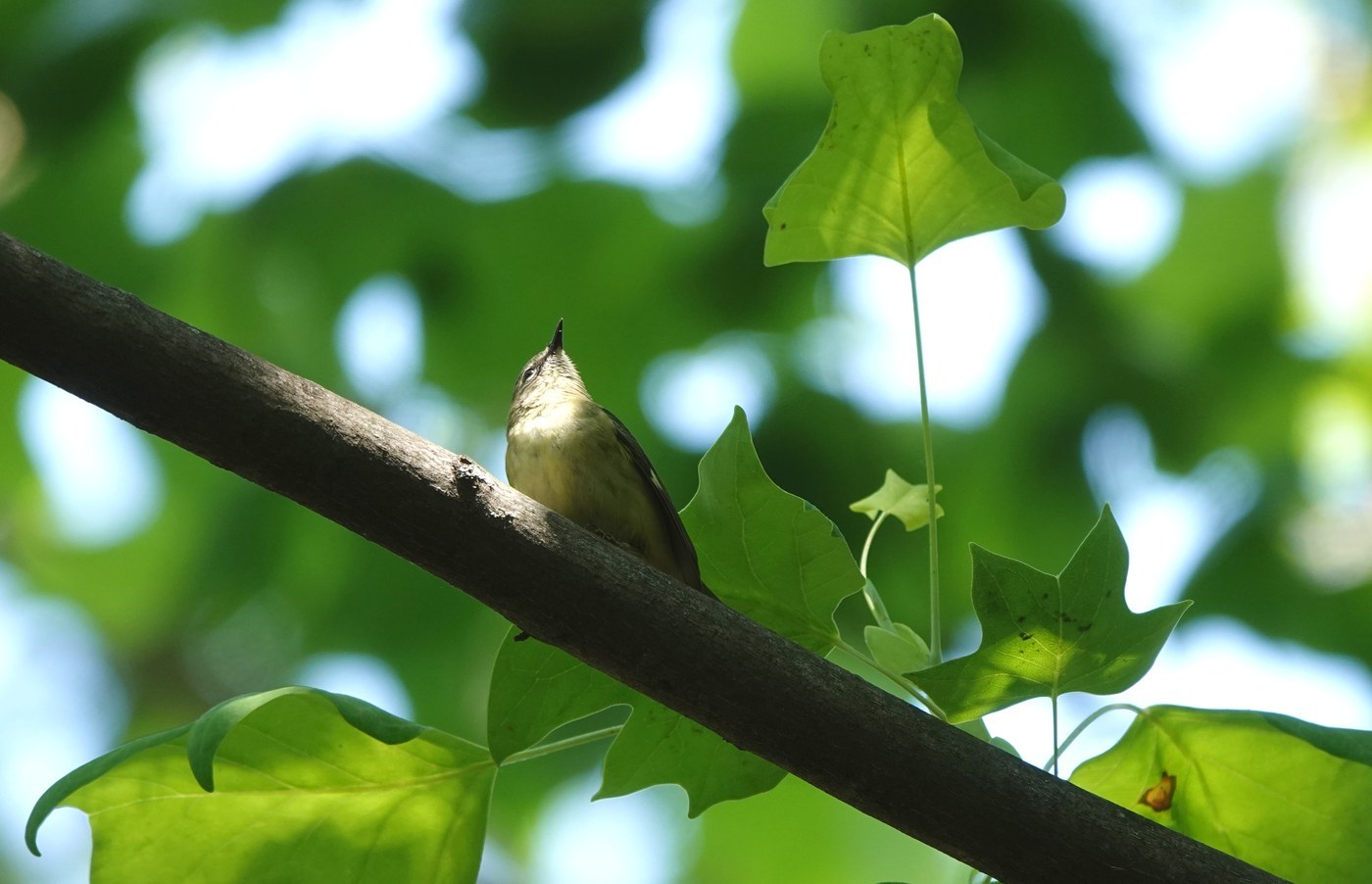
Black-throated Blue Warbler
Setophaga caerulescens
A strikingly two-toned warbler; males are deep slate-blue above and jet-black below with a white belly, while females are plain brownish-olive with a small white wing spot.
- Size
- 11-14 cm (4.3-5.5 in) long, 18-20 cm wingspan
- Habitat
- mature deciduous and mixed forests with a dense shrub understory
- Type
- songbird
Spotted a bird like this?
Identify any bird from a photo, free.
Overview
The Black-throated Blue Warbler shows one of the most extreme cases of sexual plumage difference among North American warblers, so much so that males and females were once thought to be separate species. Males are richly colored in deep slate-blue above, with a solid black face, throat, and sides contrasting sharply against a clean white belly.
Females look entirely different: plain olive-brown above and buffy below, with almost no bold markings except for a small, distinctive white square patch at the base of the primary feathers on the wing, sometimes called the 'handkerchief' spot, and a pale eyebrow stripe. This small white wing patch, present in both sexes, is a key identification feature, particularly useful for picking out the drab female.
How to identify it
Key Field Marks
- Male: deep slate-blue upperparts, black face/throat/sides, clean white belly
- Female: plain olive-brown above, buffy below, pale eyebrow stripe, no bold pattern
- Small white square patch at the base of the primaries, present in both sexes
- Dark eyes and a fairly stout bill for a warbler
Similar Species
No other warbler resembles the male's bold blue-black-and-white pattern. Female Black-throated Blue Warblers can be confused with other drab, brownish warblers or vireos, but the small white wing spot is diagnostic and shared by no similarly plain species, making it the most reliable mark for identifying females and immatures.
Habitat & range
Habitat
This species breeds in mature deciduous and mixed forests with a well-developed shrub understory, often including rhododendron or laurel thickets in the Appalachians, or hobblebush and similar shrubs farther north.
Range
Black-throated Blue Warblers breed in the northeastern United States, southeastern Canada, and south through the Appalachian Mountains. They winter in the Caribbean, particularly the Greater Antilles, and in parts of Central America.
Migration
This species is a medium-distance Neotropical migrant, wintering primarily on Caribbean islands rather than the mainland tropics used by many other warblers.
Behavior & voice
Behavior
Black-throated Blue Warblers forage at low to middle levels in dense understory shrubs, moving somewhat deliberately compared to more hyperactive warbler species, often staying within a few feet of the ground.
Voice
The song is a slow, buzzy, rising series of notes, often rendered as 'I-am-so-la-zee,' with a distinctly lazy, drawn-out quality. The call is a flat, dull 'tik.'
Feeding
It gleans insects and spiders from leaves and stems in the shrub layer and lower canopy, occasionally making short sallying flights.
Nesting & Breeding
The female builds a compact cup nest low in a dense shrub, often just a meter or two above the ground, using bark strips and plant down bound with spider silk. She lays 3-5 eggs, and the species shows strong site fidelity to breeding territories with dense understory.
Frequently asked questions
Why do male and female Black-throated Blue Warblers look so different?
This species shows extreme sexual dimorphism: males are deep slate-blue, black, and white, while females are plain olive-brown, a difference so striking that early observers classified them as separate species.
How do you identify a female Black-throated Blue Warbler?
Look for a plain olive-brown bird with a pale eyebrow stripe and, most importantly, a small white square patch at the base of the wing, a feature shared by both sexes and diagnostic for the species.
Where do Black-throated Blue Warblers breed?
They breed in mature deciduous and mixed forests with dense shrub understory in the northeastern United States, southeastern Canada, and the Appalachian Mountains.
Where do Black-throated Blue Warblers spend the winter?
Most winter in the Caribbean, especially the Greater Antilles, rather than on the Central or South American mainland used by many other warbler species.
What does a Black-throated Blue Warbler sound like?
Its song is a slow, buzzy, rising series often rendered as 'I-am-so-la-zee,' with a lazy, drawn-out quality.
Black-throated Blue Warbler guides
In-depth guides for identifying, finding, and understanding Black-throated Blue Warbler.
Other birds you may enjoy
Black Redstart
13-14.5 cm (5.1-5.7 in) long, 23-26 cm wingspan
Black-throated Sparrow
12-14 cm (4.7-5.5 in) long, about 19-20 cm (7.5-8 in) wingspan
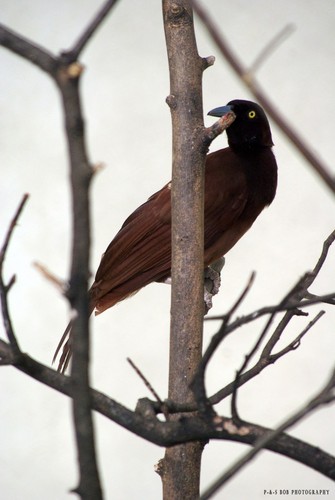
Greater Bird-of-paradise
Body about 43 cm; males with additional flank plumes up to 50 cm and long tail wires
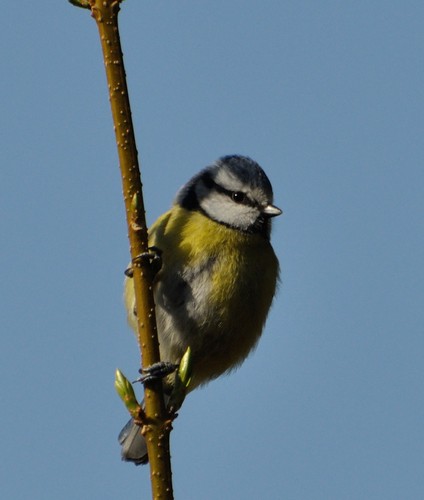
Blue Tit
11-12 cm (4.3-4.7 in) long, 17-20 cm wingspan
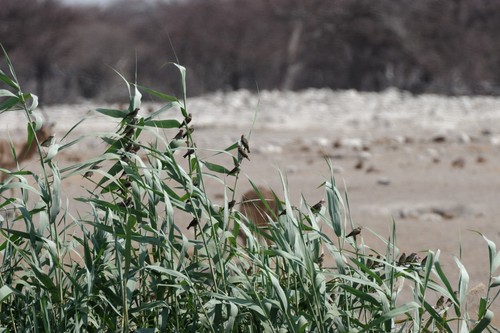
Red-billed Quelea
11.5–13 cm long, wingspan about 20–22 cm
White-plumed Antbird
13-14 cm (5-5.5 in) long
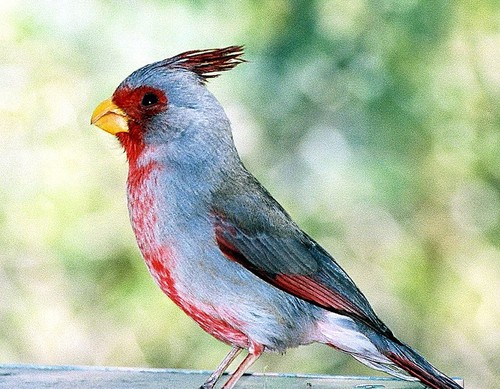
Pyrrhuloxia
19-22 cm (7.5-8.7 in) long, 30 cm wingspan
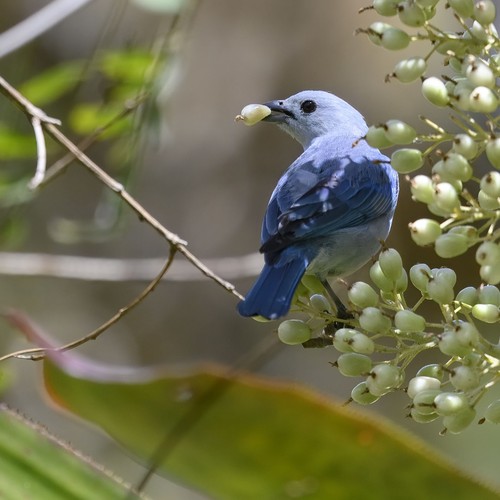
Blue-gray Tanager
16-18 cm (6-7 in) long
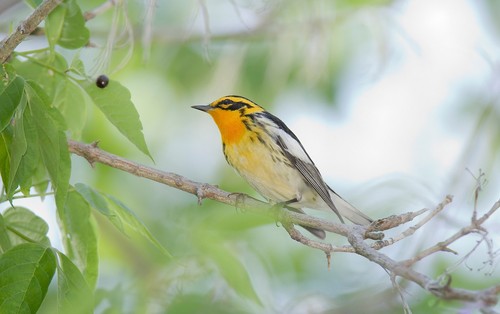
Blackburnian Warbler
11-13 cm (4.3-5.1 in) long, 20-22 cm wingspan
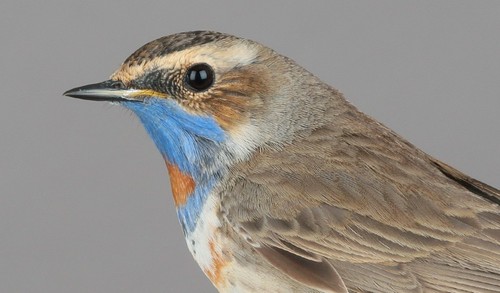
Bluethroat
13-14 cm (5.1-5.5 in) long, 20-22 cm wingspan
Eurasian Nuthatch
12-14.5 cm (4.7-5.7 in) long, 22.5-27 cm wingspan
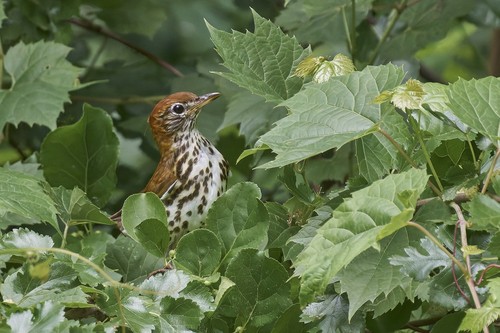
Wood Thrush
19-21 cm (7.5-8.3 in) long, about 33 cm (13 in) wingspan