
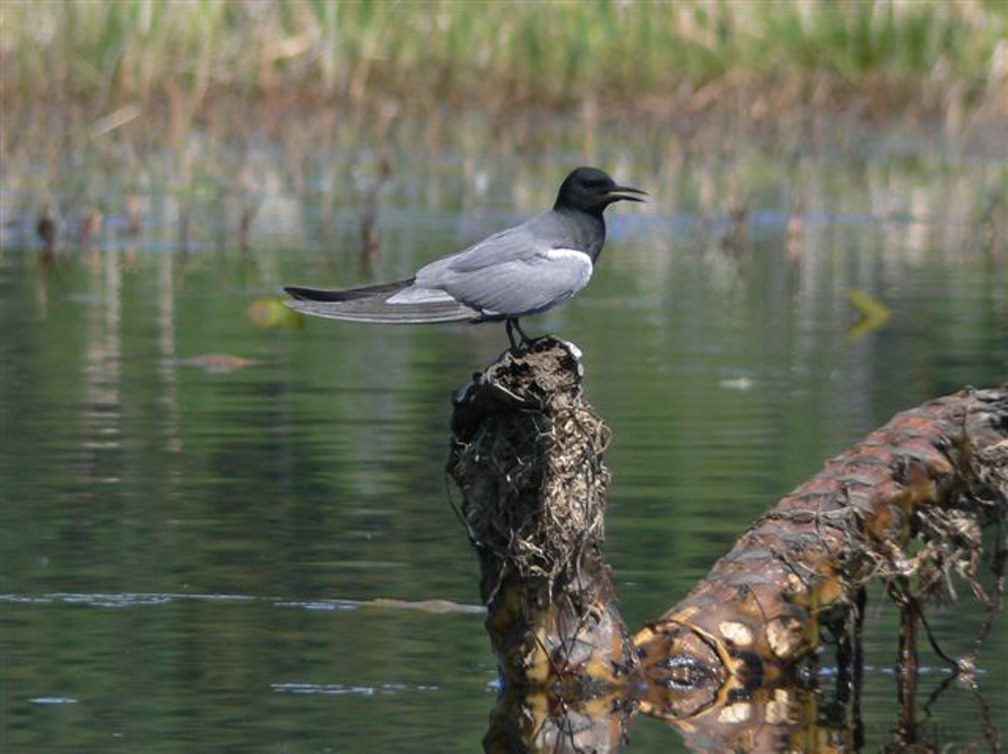
Black Tern
Chlidonias niger
A small, buoyant marsh tern that turns almost entirely sooty black in breeding plumage and feeds by dipping to the water surface rather than plunge-diving.
- Size
- 23-26 cm (9-10 in) long, 64-68 cm wingspan
- Habitat
- freshwater marshes and wetlands for breeding, coastal waters in winter
- Type
- seabird
Spotted a bird like this?
Identify any bird from a photo, free.
Overview
The Black Tern is a distinctive small tern of freshwater wetlands, easily recognized in summer by its striking black-and-grey plumage that sets it apart from the mostly white terns found along ocean coasts. It belongs to the group known as "marsh terns," which behave quite differently from typical sea terns.
Appearance
Breeding adults are largely sooty black on the head and underparts, with slate-grey wings and back and white undertail coverts. In non-breeding plumage and in juveniles, the bird becomes largely white below with a dark cap and a distinctive dark shoulder patch ("wrist mark").
How to identify it
Key field marks
- Overall black head and underparts in breeding plumage, unique among common terns
- Grey back and wings contrasting with the black body
- White undertail coverts even in breeding plumage
- Buoyant, erratic flight low over water, picking food from the surface rather than diving
- Small size and short, only slightly forked tail
Similar species
In non-breeding plumage the Black Tern resembles the Whiskered Tern and White-winged Tern, but shows a dark shoulder patch on the side of the breast and a less contrasting rump. Its buoyant, dipping feeding style over marshes also helps separate it from larger, plunge-diving sea terns.
Habitat & range
Habitat and range
Black Terns breed across freshwater marshes, wet meadows, and shallow lakes in North America, Europe, and Asia, requiring emergent vegetation such as reeds and cattails for nesting. After breeding, they become highly migratory, moving to coastal and estuarine waters.
North American breeders winter mainly along the Pacific coast of Central and South America, while Old World populations winter along the coasts of West Africa, often gathering in large flocks over productive coastal waters.
Behavior & voice
Behavior
Unlike ocean-going terns, Black Terns rarely plunge-dive; instead they fly low with a light, erratic, almost butterfly-like flight, dipping down to pick insects and small fish directly from the water's surface or snatching flying insects out of the air.
Voice
Calls include a sharp "kik" or "kreek," given in flight, especially near the breeding colony.
Nesting and breeding
Black Terns nest in loose colonies in marshes, often building a flimsy platform nest of plant material on floating vegetation or muskrat lodges just above the waterline. They typically lay two to three eggs, and populations have declined in many areas due to loss of wetland habitat.
Frequently asked questions
Why is the Black Tern black?
In breeding plumage its head and underparts turn sooty black, a striking contrast to the mostly white plumage of most other tern species.
How does the Black Tern feed?
It dips low over water to pick insects and small fish from the surface, or catches flying insects in the air, rather than plunge-diving like ocean terns.
Where does the Black Tern nest?
In freshwater marshes and wetlands with emergent vegetation, building a flimsy floating nest just above the water.
Is the Black Tern the same as other 'marsh terns'?
It belongs to the marsh tern group along with the Whiskered Tern and White-winged Tern, all of which share a similar dipping feeding style and freshwater breeding habitat.
Is the Black Tern declining?
It remains Least Concern globally, but many regional populations have declined due to wetland drainage and habitat loss.
Black Tern guides
In-depth guides for identifying, finding, and understanding Black Tern.
Other birds you may enjoy
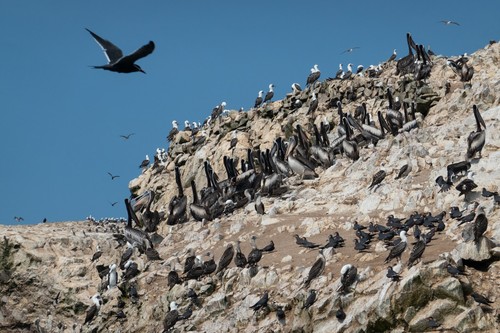
Peruvian Pelican
137-152 cm (54-60 in) long, up to 228 cm wingspan
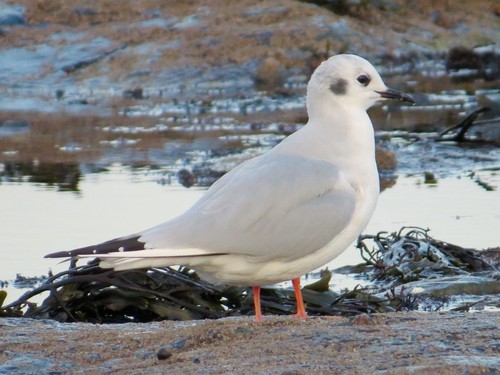
Bonaparte's Gull
28-33 cm (11-13 in) long, 76-84 cm wingspan
Brown Pelican
106-137 cm (42-54 in) long, 200-230 cm wingspan
Razorbill
37-39 cm (15-15.5 in) long, 63-68 cm wingspan
Common Gull
40-46 cm (16-18 in) long, 110-130 cm wingspan
Thick-billed Murre
40-48 cm (16-19 in) long, 65-75 cm wingspan
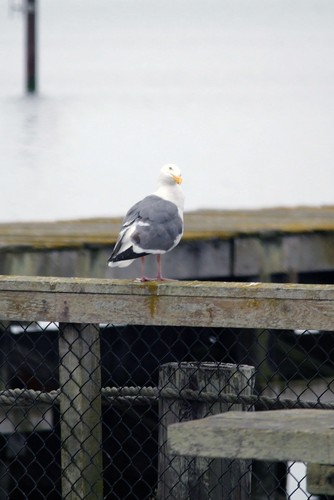
Western Gull
55-68 cm (22-27 in) long, 130-144 cm wingspan
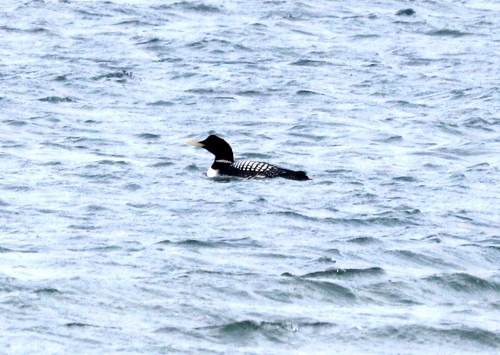
Yellow-billed Loon
76-97 cm (30-38 in) long, 135-152 cm wingspan
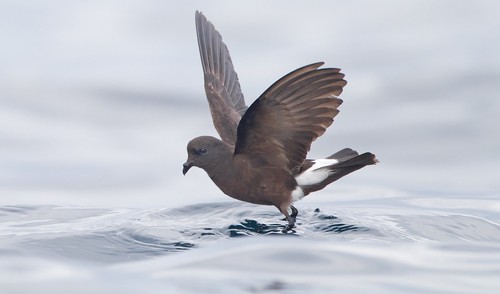
Wilson's Storm-Petrel
15-19 cm (6-7.5 in) long, wingspan 38-42 cm (15-16.5 in)
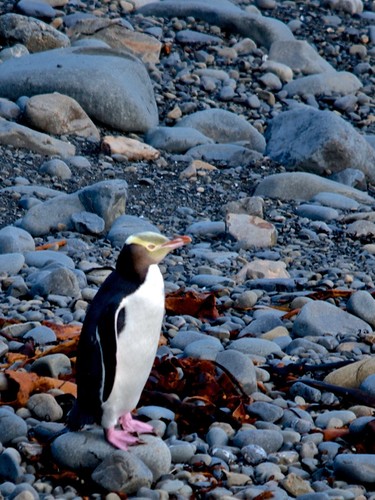
Yellow-eyed Penguin
62-79 cm (24-31 in) tall, 3-8.5 kg (6.6-18.7 lb)
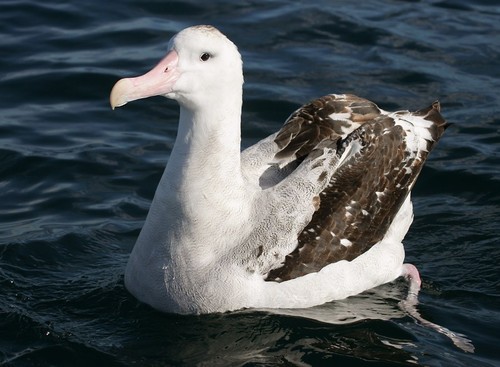
Wandering Albatross
107-135 cm (42-53 in) long, wingspan up to 3.5 m (11.5 ft)
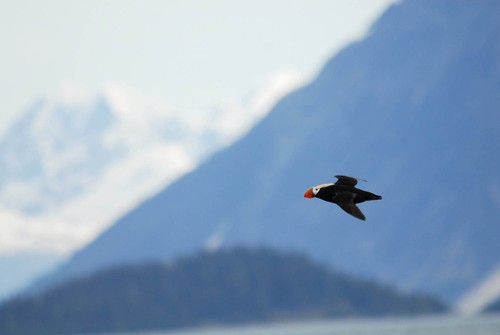
Tufted Puffin
35-41 cm (14-16 in) long, about 63-70 cm wingspan