
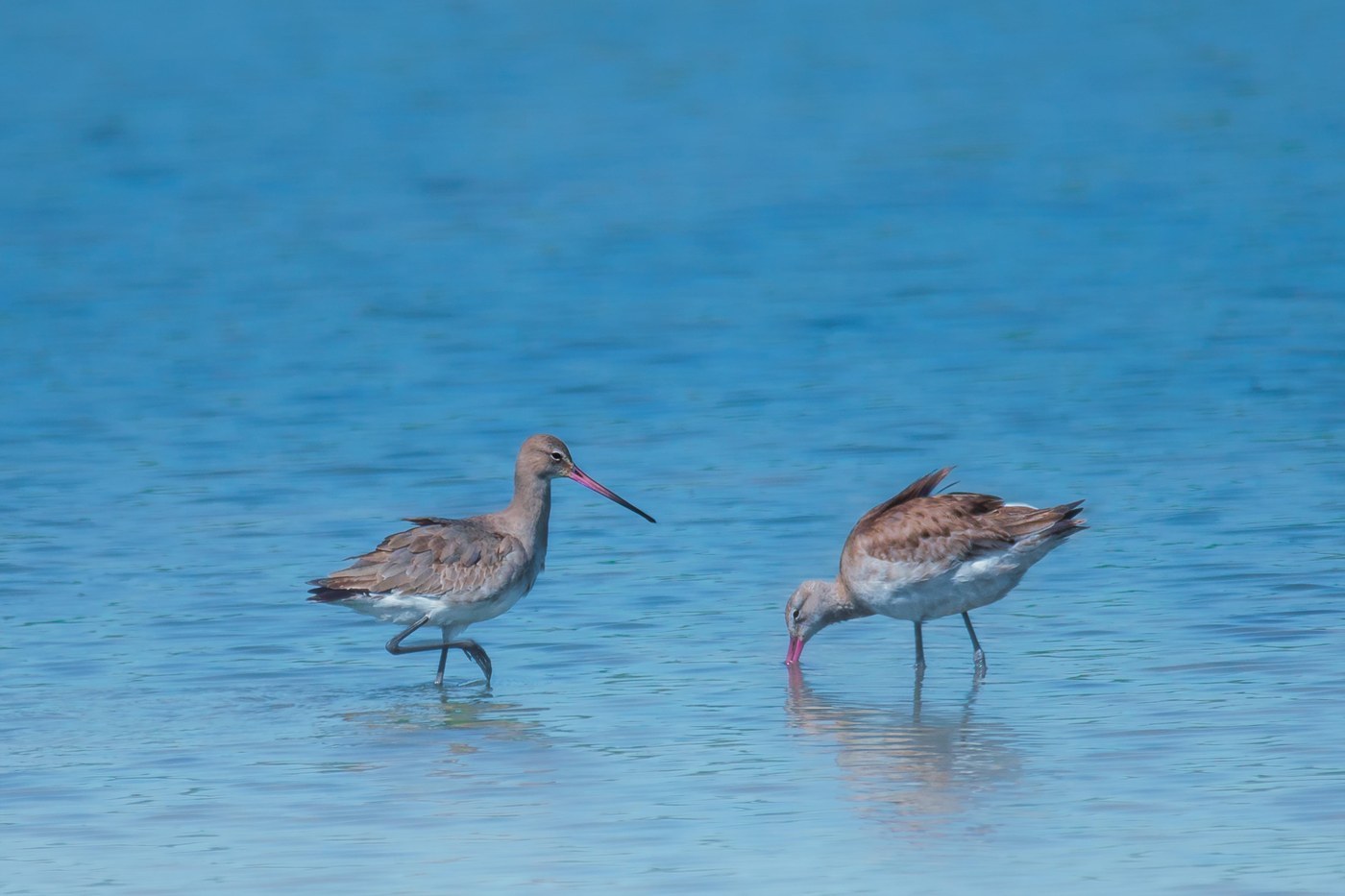
Black-tailed Godwit
Limosa limosa
A long-legged, long-billed godwit of European wet meadows, easily identified in flight by its bold white wing stripe and black tail band.
- Size
- 36-44 cm (14-17 in) long, 70-82 cm wingspan
- Habitat
- wet meadows and marshes (breeding); estuaries and floodplains (non-breeding)
- Type
- shorebird
Spotted a bird like this?
Identify any bird from a photo, free.
Overview
The Black-tailed Godwit is a tall, elegant shorebird with long legs, a long, straight bill, and an upright stance. Breeding adults show a rich chestnut-orange head, neck, and breast, with dark barring on the flanks and mottled brown upperparts; non-breeding birds are plainer gray-brown.
In flight it is unmistakable among godwits, showing a bold, broad white wing stripe and a solid black terminal tail band contrasting with a white base—features that make it easy to separate from other godwit species at a distance.
The species has suffered significant declines in parts of its breeding range due to agricultural intensification and drainage of wet grasslands, prompting conservation concern in several European countries.
How to identify it
Key field marks
- Long, straight bill (not obviously upturned, unlike other godwits)
- Bold, broad white wing stripe in flight
- Solid black tail band with white base—very distinctive in flight
- Breeding: chestnut-orange head, neck, and breast with barred flanks
Similar species
- Bar-tailed Godwit shows a finely barred tail and lacks the bold white wing stripe.
- Hudsonian Godwit has a narrower wing stripe and black underwing coverts.
- Marbled Godwit is warmer cinnamon-buff with no strong wing stripe.
Habitat & range
Black-tailed Godwits breed in wet grasslands, water meadows, and marshes across Iceland, western and central Europe, and parts of Asia. Outside the breeding season they winter on estuaries, floodplains, and coastal wetlands across western Europe, Africa, and South and Southeast Asia.
Populations have declined significantly in intensively farmed lowland Europe due to earlier mowing schedules, drainage, and habitat loss, though the Icelandic breeding population remains comparatively robust.
Behavior & voice
Voice
A loud, urgent, repeated call, often rendered as wicka-wicka-wicka, given during display flights and territorial defense.
Feeding
Probes soft mud, wet grassland soil, and shallow water for insects, worms, and mollusks, often wading up to its belly while feeding.
Nesting
Nests on the ground in a shallow scrape hidden among grass or sedge in wet meadows. Both parents share incubation and are known for spirited aerial displays and vigorous defense of the nest against predators.
Frequently asked questions
How do you identify a Black-tailed Godwit in flight?
Look for its bold white wing stripe and solid black terminal tail band with a white base—more contrasting than in other godwit species.
Why is the Black-tailed Godwit declining?
Drainage of wet meadows and earlier, more intensive mowing schedules in agricultural Europe have reduced suitable breeding habitat and nest success.
Where does the Black-tailed Godwit breed?
In wet grasslands and marshes across Iceland, parts of western and central Europe, and areas of Asia.
What does a Black-tailed Godwit eat?
Insects, worms, and mollusks probed from mud, wet soil, and shallow water.
Black-tailed Godwit guides
In-depth guides for identifying, finding, and understanding Black-tailed Godwit.
Other birds you may enjoy
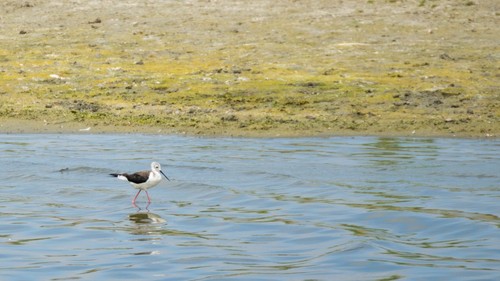
Black-winged Stilt
33-36 cm (13-14 in) long, wingspan 67-83 cm
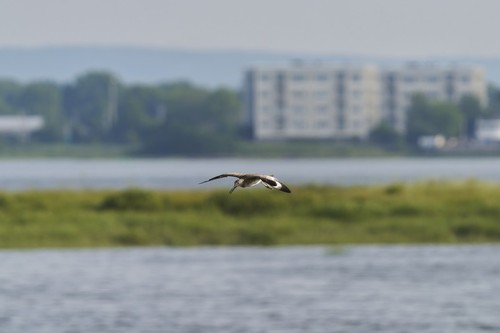
Willet
33-41 cm (13-16 in) long, 65-70 cm wingspan
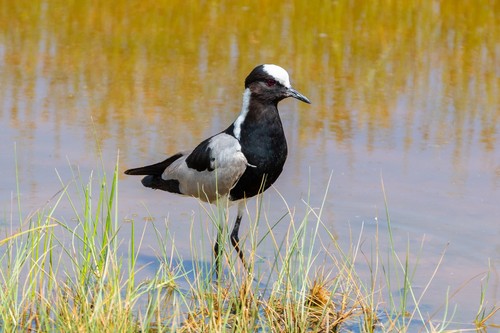
Blacksmith Lapwing
Body length about 30 cm; wingspan 55-65 cm
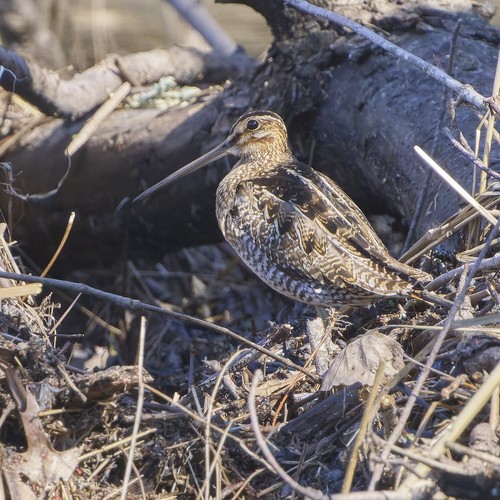
Wilson's Snipe
25-30 cm (10-12 in) long, 39-45 cm wingspan
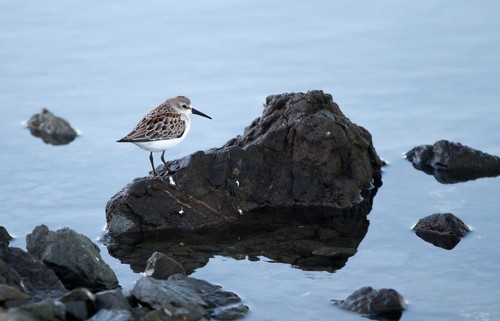
Western Sandpiper
14-17 cm (5.5-6.7 in) long, 28-37 cm wingspan
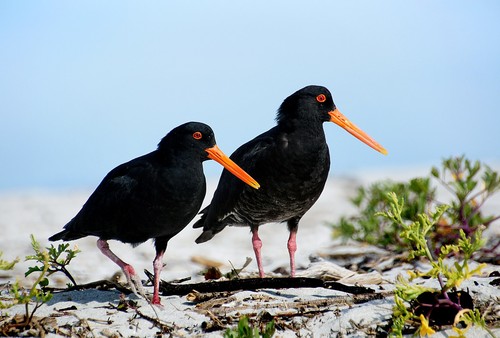
Variable Oystercatcher
46-49 cm (18-19 in) long
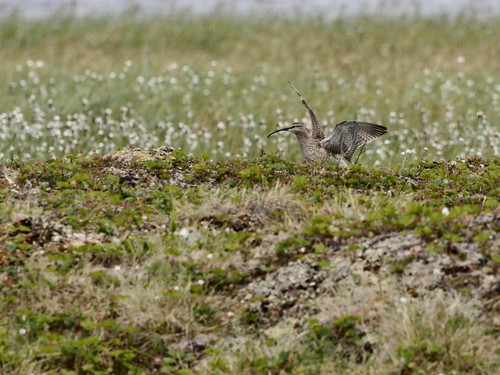
Whimbrel
40-46 cm (16-18 in) long, 76-89 cm wingspan
Wilson's Phalarope
22-24 cm (8.5-9.5 in) long, 37-43 cm wingspan
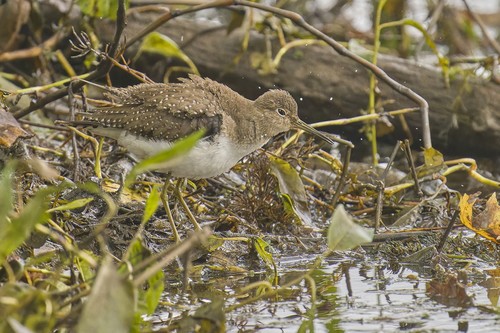
Solitary Sandpiper
19-23 cm (7.5-9 in) long, 50-56 cm wingspan
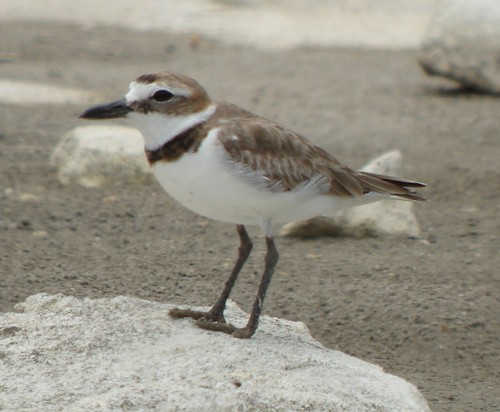
Wilson's Plover
17-19 cm (6.7-7.5 in) long, 45-50 cm wingspan
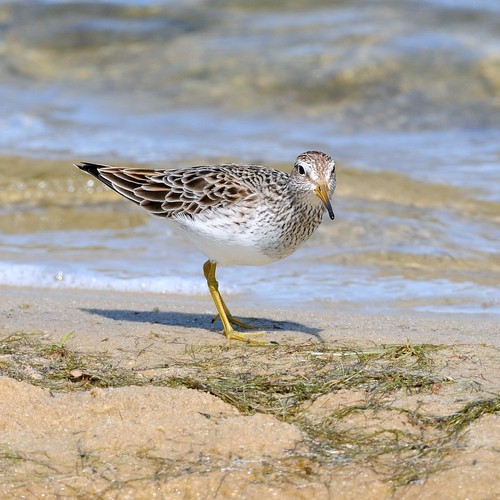
Pectoral Sandpiper
19-23 cm (7.5-9 in) long, 43-49 cm wingspan
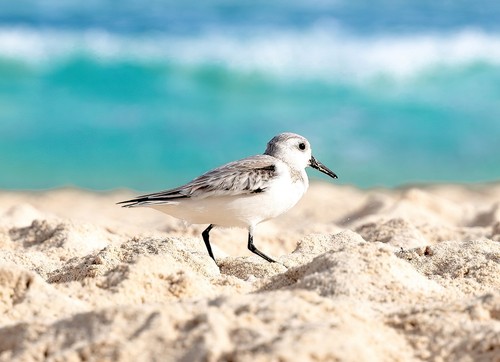
Sanderling
18-20 cm (7-8 in) long, 40-43 cm wingspan