
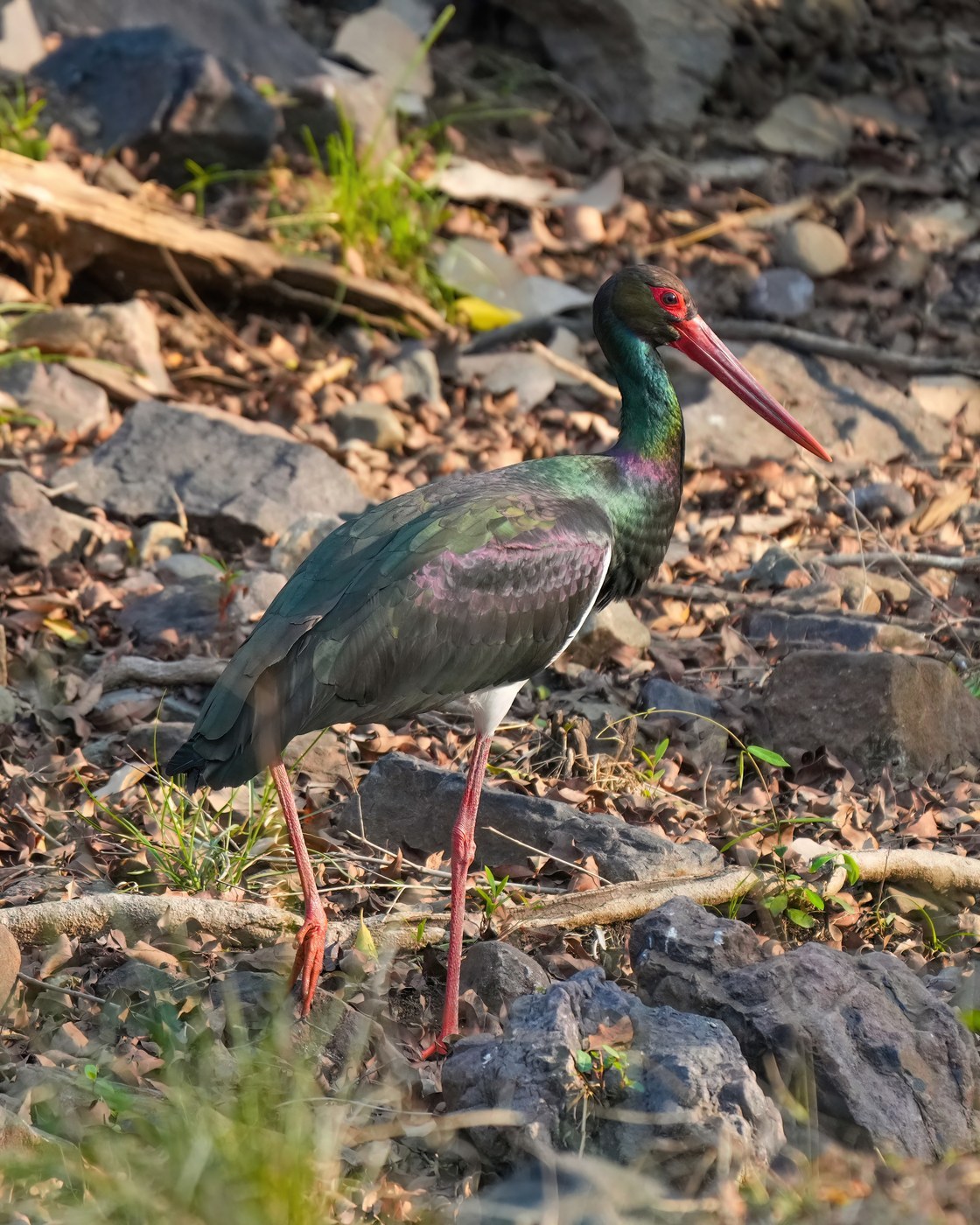
Black Stork
Ciconia nigra
A shy, glossy black-and-white stork of forested wetlands, far more secretive than its familiar cousin the White Stork.
- Size
- 95-100 cm (37-39 in) long, 145-155 cm wingspan
- Habitat
- mature forests near rivers, wetlands, and marshes
- Type
- wading-bird
Spotted a bird like this?
Identify any bird from a photo, free.
Overview
The Black Stork is a large wading bird with predominantly glossy black plumage showing green and purple iridescence, contrasting with a pure white belly and underwing. Its bill and legs are bright red, similar in color to the White Stork's, but its overall coloration and secretive habits make it a very different bird to encounter.
Unlike the closely associated-with-humans White Stork, the Black Stork is a shy woodland species that avoids populated areas, nesting in tall trees or on cliff ledges in remote forest close to water.
How to identify it
Key field marks
- Glossy black head, neck, back, and wings with a metallic green-purple sheen
- Sharply contrasting white belly and underwing coverts
- Long, straight red bill and red legs
- Flies with neck extended, showing a strong black-and-white wing pattern from below
Similar species
The White Stork is mostly white with black flight feathers, the reverse pattern of the Black Stork. Glossy Ibis is much smaller, with an overall dark, iridescent body and a thin, downcurved bill rather than a straight one. Cormorants are all-dark with hooked bills and swim low in water rather than wading.
Habitat & range
Black Storks breed in extensive, undisturbed forests near rivers, streams, lakes, and marshes across much of Europe and Asia, favoring areas with minimal human disturbance. They typically nest high in large trees, though some populations in Iberia and parts of Asia use cliff ledges.
The species is a long-distance migrant in its northern and central populations, wintering in sub-Saharan Africa or the Indian subcontinent, while some southern European and Iberian populations are partially resident. It is far less numerous and more thinly distributed than the White Stork throughout its range.
Behavior & voice
Black Storks forage alone or in pairs, wading slowly through shallow streams and pools to catch fish, amphibians, and aquatic insects, often in secluded spots away from open agricultural land favored by White Storks. They are wary birds that quickly abandon nest sites if disturbed by human activity.
Like other storks, they are mostly silent apart from bill-clattering displays at the nest, though they can give soft hissing or mewing calls. Pairs build a large stick nest in a tall tree or on a cliff ledge, often reusing the same site for years, and typically raise 2-4 chicks per season, with both parents sharing incubation and feeding duties.
Frequently asked questions
How is a Black Stork different from a White Stork?
The Black Stork has glossy black plumage with only a white belly, while the White Stork is mostly white with black flight feathers; the Black Stork is also far more secretive, avoiding towns and nesting in remote forest.
Where do Black Storks live?
They breed in undisturbed forests near water across much of Europe and Asia and winter mainly in sub-Saharan Africa or South Asia.
Why is the Black Stork rarely seen near people?
It is a shy species that avoids human disturbance, preferring quiet forest streams, marshes, and remote wetlands rather than farmland or towns.
What does a Black Stork eat?
It mainly eats fish and amphibians, along with insects, small reptiles, and occasionally small mammals, caught while wading in shallow water.
Black Stork guides
In-depth guides for identifying, finding, and understanding Black Stork.
Other birds you may enjoy
Demoiselle Crane
85-100 cm (33-39 in) long, 155-180 cm wingspan
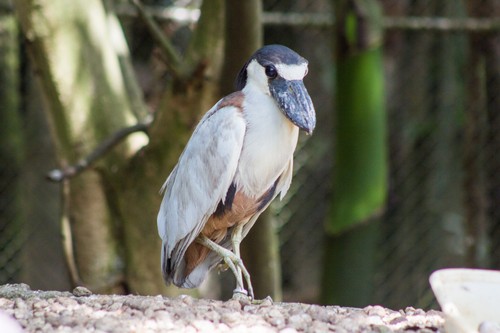
Boat-billed Heron
41-56 cm (16-22 in) long
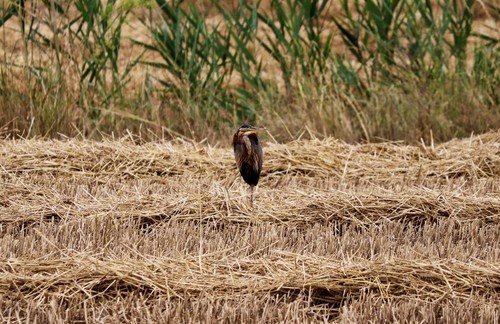
Purple Heron
78-90 cm (31-35 in) long, 120-152 cm wingspan
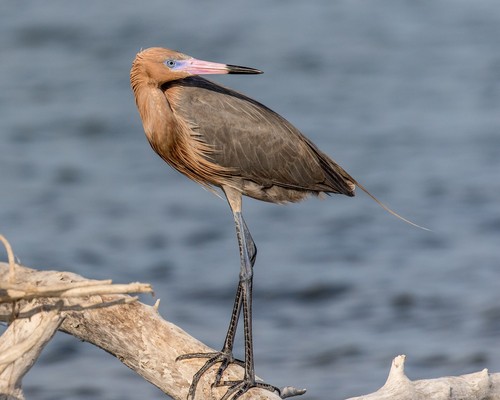
Reddish Egret
68-82 cm (27-32 in) long, 116-125 cm wingspan
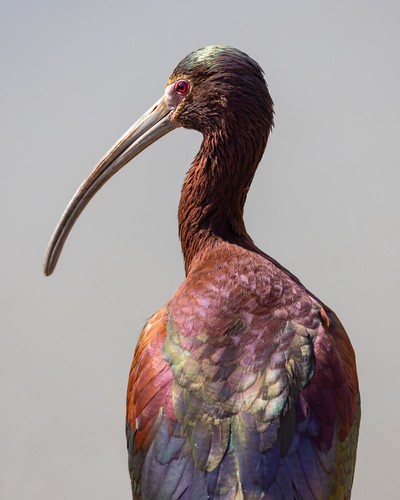
White-faced Ibis
46-56 cm (18-22 in) long, 88-93 cm wingspan
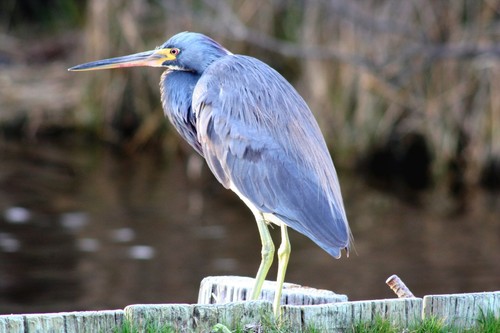
Tricolored Heron
61-76 cm (24-30 in) long, about 96 cm wingspan
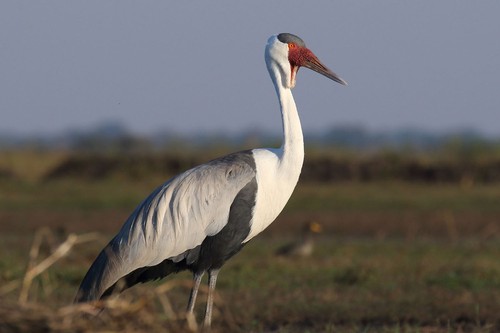
Wattled Crane
120-175 cm (47-69 in) tall, one of the tallest cranes, wingspan up to about 230 cm (7.5 ft)
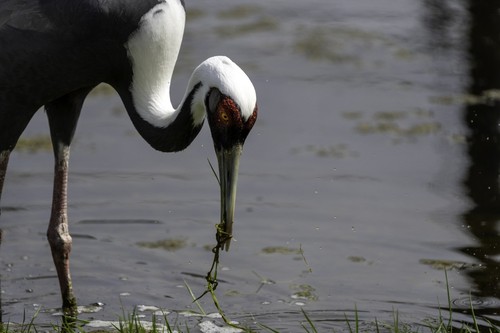
White-naped Crane
112-125 cm (44-49 in) long, 195-210 cm wingspan
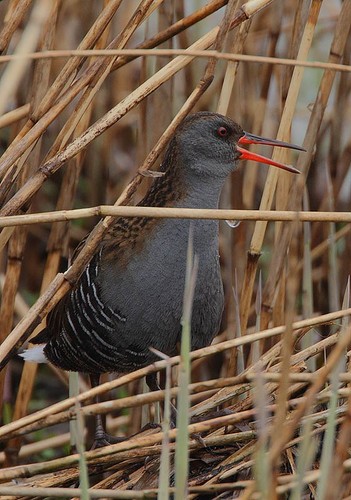
Water Rail
23-28 cm (9-11 in) long, wingspan 38-45 cm
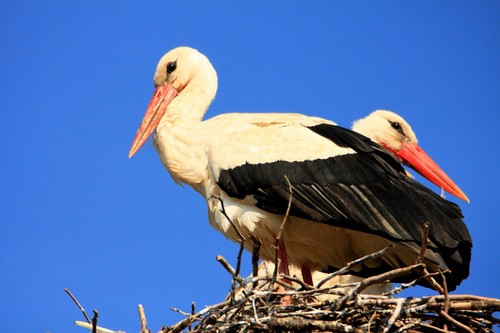
White Stork
100-125 cm (39-49 in) long, 155-215 cm wingspan
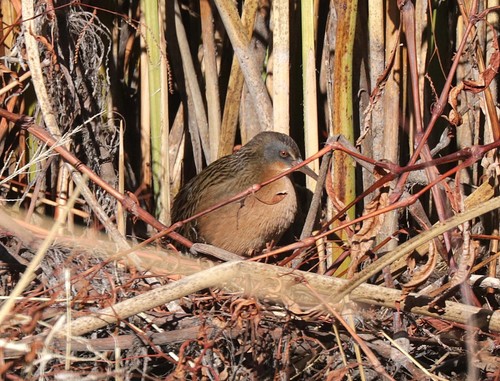
Virginia Rail
20-27 cm (8-11 in) long, wingspan 32-38 cm
Wattled Jacana
17-23 cm (7-9 in) long