
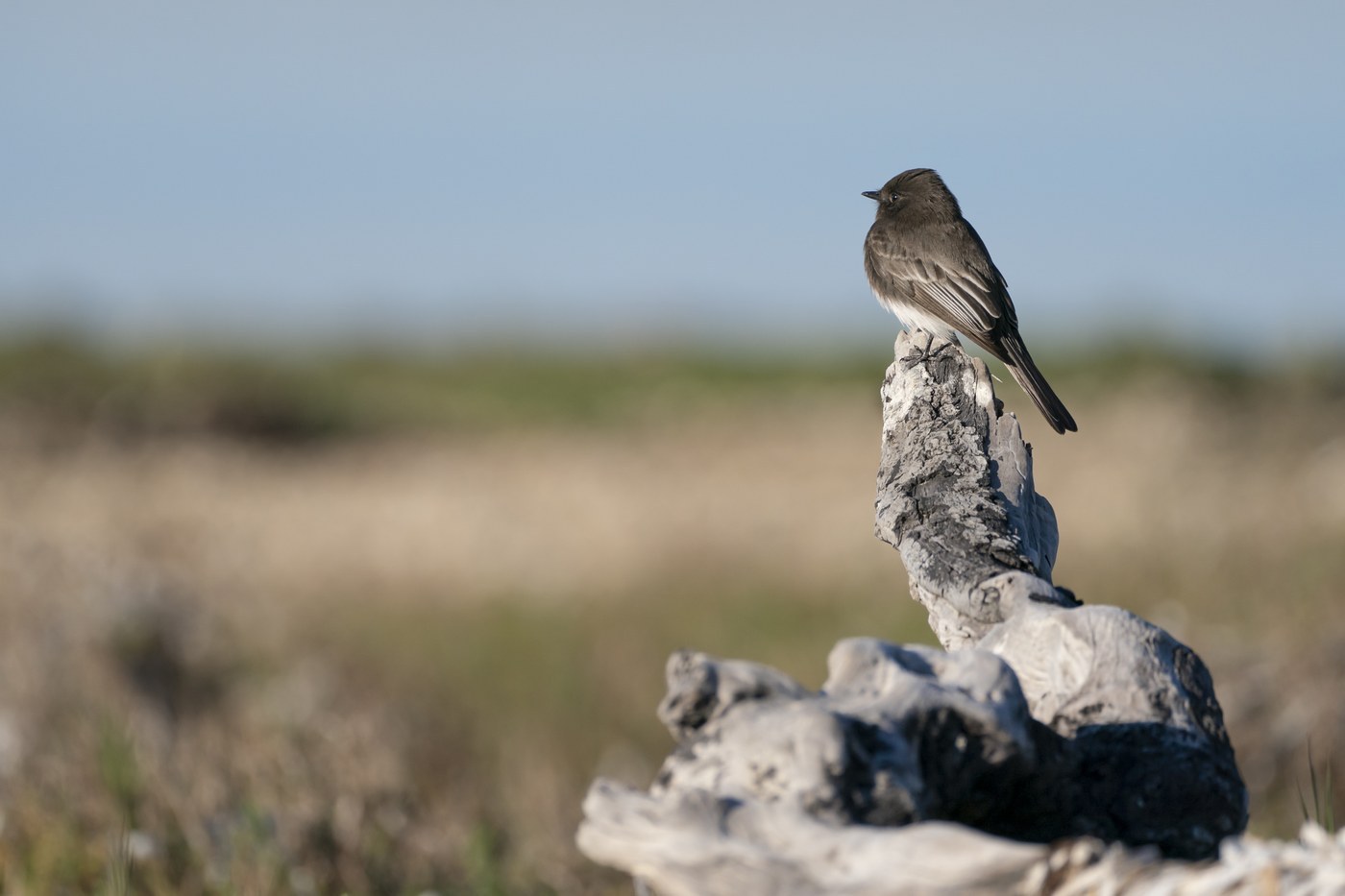
Black Phoebe
Sayornis nigricans
A sooty-black flycatcher with a crisp white belly that is almost always found perched near water, pumping its tail.
- Size
- 15-17 cm (6-6.7 in) long, 26-28 cm wingspan
- Habitat
- areas near water, including streams, ponds, and irrigation ditches, in the western U.S., Mexico, and Central/South America
- Type
- songbird
Spotted a bird like this?
Identify any bird from a photo, free.
Overview
The Black Phoebe is a distinctive, boldly two-toned flycatcher, sooty black to dark gray over the head, back, breast, and wings, sharply set off against a clean white belly and undertail. Almost invariably found near water, this species perches conspicuously on low branches, fence posts, or rocks near streams, ponds, and fountains, from which it darts out to catch insects.
Common and increasingly familiar around human development in the western United States, Black Phoebes readily nest on buildings, bridges, and other structures, especially near a reliable water source and mud supply.
How to identify it
Key Field Marks
- Sooty black to dark gray head, back, throat, and breast contrasting sharply with a clean white belly and undertail coverts
- Small white wing edging visible on some individuals
- Habitual tail-pumping while perched, similar to other phoebes
- Black bill and legs
Similar Species
- No other North American flycatcher shows this sharp black-and-white two-tone pattern, making the Black Phoebe essentially unmistakable within its range.
- Juveniles show cinnamon-buff wing bars but retain the same dark-and-white body pattern.
Habitat & range
Black Phoebes are closely tied to water, occurring along streams, rivers, ponds, canals, and even ornamental fountains and pools, from lowlands to mid-elevation foothills. Their range spans the western and southwestern United States (including California, Arizona, and the southern Rockies) south through Mexico and Central America into South America.
Most populations are non-migratory or make only short seasonal movements, and the species has expanded its range northward and into suburban settings in recent decades as available water sources and nest sites have increased.
Behavior & voice
Voice
Gives a thin, sharp tsip call and a song of alternating high and low phrases often rendered as pee-wee, pee-weet, repeated with variation.
Feeding
Sallies from a low perch near water to catch flying insects, often returning to the same perch, and also picks insects directly off the water's surface in a maneuver resembling a shorebird or swallow.
Nesting
Builds a mud-and-grass cup nest plastered to a vertical surface such as a rock ledge, culvert wall, or building eave, almost always near water for a reliable mud supply; pairs often raise multiple broods per season and may reuse the same nest site for years.
Frequently asked questions
How do I identify a Black Phoebe?
Look for a small flycatcher with a sooty black head, back, and breast sharply contrasting with a clean white belly, usually perched near water and pumping its tail.
Where do Black Phoebes typically live?
They are almost always found near water sources such as streams, ponds, irrigation canals, or fountains across the western U.S., Mexico, and parts of Central and South America.
Do Black Phoebes migrate?
Most populations are largely non-migratory, remaining on or near their territories year-round, though some make short seasonal movements.
What kind of nest does a Black Phoebe build?
It builds a mud-and-grass cup nest plastered against a vertical surface like a rock ledge, culvert, or building eave, typically close to water.
Black Phoebe guides
In-depth guides for identifying, finding, and understanding Black Phoebe.
Other birds you may enjoy
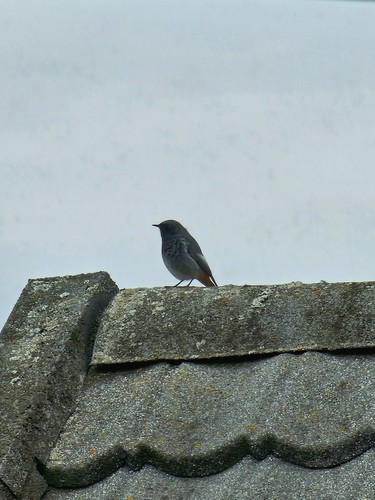
Black Redstart
13-14.5 cm (5.1-5.7 in) long, 23-26 cm wingspan
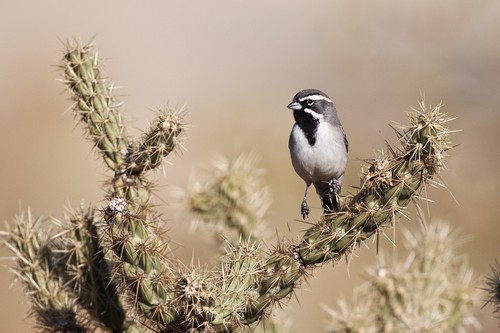
Black-throated Sparrow
12-14 cm (4.7-5.5 in) long, about 19-20 cm (7.5-8 in) wingspan
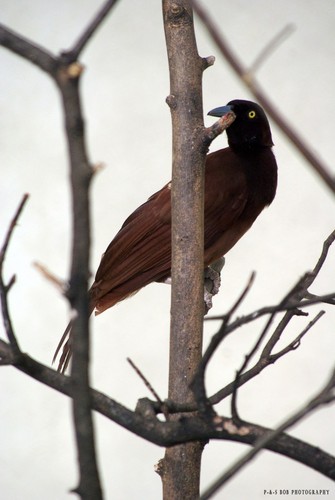
Greater Bird-of-paradise
Body about 43 cm; males with additional flank plumes up to 50 cm and long tail wires
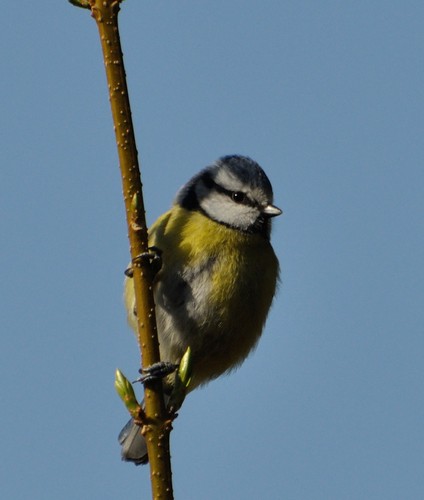
Blue Tit
11-12 cm (4.3-4.7 in) long, 17-20 cm wingspan
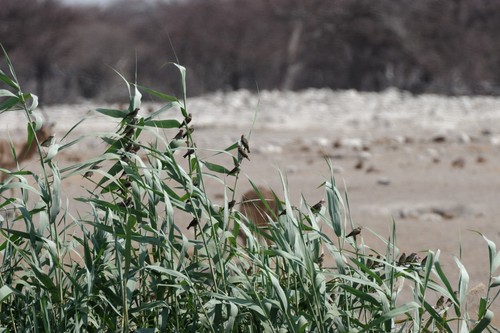
Red-billed Quelea
11.5–13 cm long, wingspan about 20–22 cm
White-plumed Antbird
13-14 cm (5-5.5 in) long
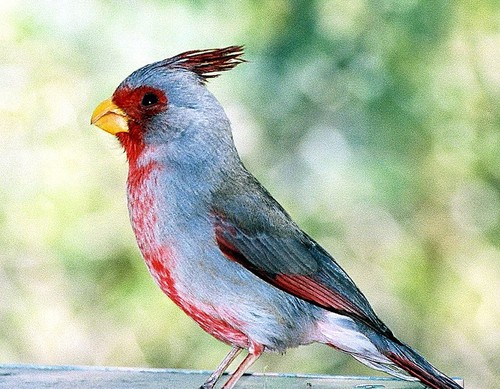
Pyrrhuloxia
19-22 cm (7.5-8.7 in) long, 30 cm wingspan
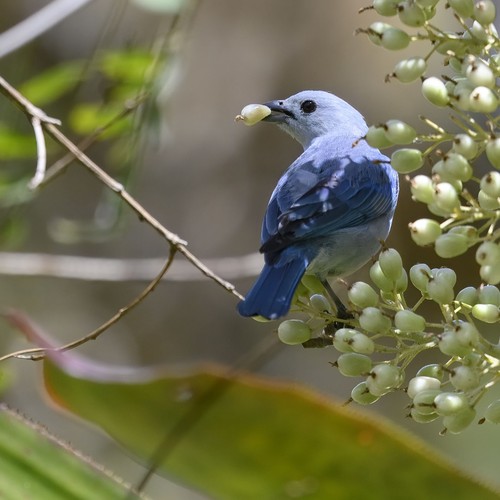
Blue-gray Tanager
16-18 cm (6-7 in) long
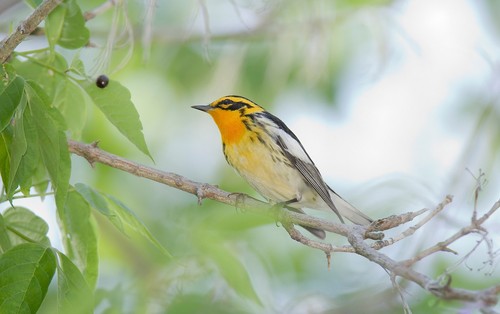
Blackburnian Warbler
11-13 cm (4.3-5.1 in) long, 20-22 cm wingspan
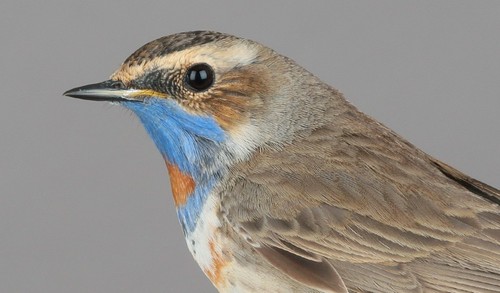
Bluethroat
13-14 cm (5.1-5.5 in) long, 20-22 cm wingspan
Eurasian Nuthatch
12-14.5 cm (4.7-5.7 in) long, 22.5-27 cm wingspan
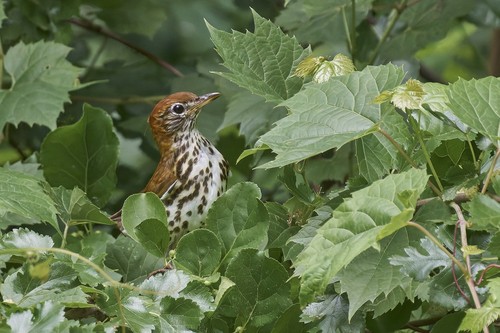
Wood Thrush
19-21 cm (7.5-8.3 in) long, about 33 cm (13 in) wingspan