
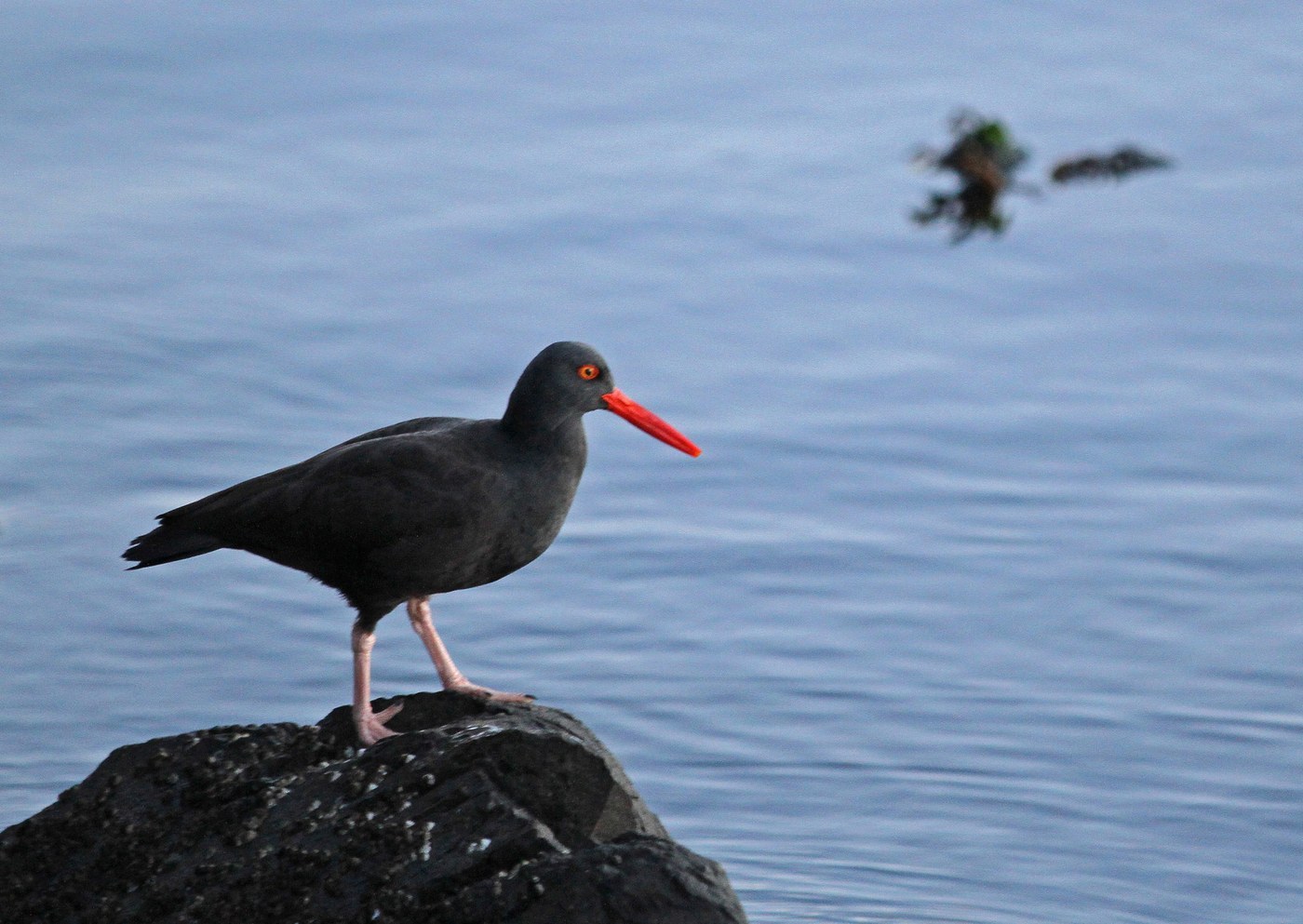
Black Oystercatcher
Haematopus bachmani
An all-black shorebird of rocky Pacific coastlines, with a long orange bill perfectly suited to prying limpets and mussels from rocks.
- Size
- 42-45 cm (17-18 in) long, wingspan 66-73 cm
- Habitat
- rocky shorelines and coastal islands along the Pacific coast of North America
- Type
- shorebird
Spotted a bird like this?
Identify any bird from a photo, free.
Overview
The Black Oystercatcher is a large, entirely sooty-black shorebird (with a slightly browner tinge on the belly) found exclusively along rocky Pacific coastlines. Its long, straight bill is a vivid orange-red, its legs pale pink, and its eye yellow with a reddish-orange eye-ring.
As a species that depends entirely on rocky intertidal habitat, it serves as a useful indicator of the health of that ecosystem along the North American west coast.
How to identify it
Key field marks
- Entirely black to blackish-brown plumage, no white anywhere
- Long, straight, bright orange bill
- Pale pink legs
- Yellow eye with a reddish-orange eye-ring
Similar species
The American Oystercatcher has a white belly and back and occupies a largely different range; no other Pacific coast shorebird shares the Black Oystercatcher's all-black plumage and bright orange bill.
Habitat & range
Habitat
Rocky shorelines, offshore rocks, and small islands.
Range and migration
Found along the Pacific coast of North America from the Aleutian Islands of Alaska south to Baja California. Largely non-migratory, with only local movement in winter.
Behavior & voice
Behavior
Forages almost exclusively on wave-washed rocky shores, strongly tied to rocky intertidal habitat and rarely found on sandy beaches.
Voice
Loud, piercing whistled calls.
Feeding
Mussels, limpets, chitons, and other invertebrates pried or pounded loose from rocks.
Nesting and breeding
Nests in a scrape on rocky ground or gravel near the shoreline, often on small offshore islands away from mammalian predators.
Frequently asked questions
Where do Black Oystercatchers live?
Rocky shorelines and coastal islands along the Pacific coast of North America, from Alaska to Baja California.
How can you identify a Black Oystercatcher?
Look for an entirely black body, a long bright orange bill, and pink legs on rocky shorelines.
What do Black Oystercatchers eat?
Mussels, limpets, chitons, and other invertebrates pried or pounded loose from rocks.
Do Black Oystercatchers migrate?
Most are largely non-migratory, staying near their rocky coastal habitat year-round with only local winter movements.
Are Black Oystercatchers considered an indicator species?
Yes, because they depend entirely on healthy rocky intertidal habitat, their presence and productivity are used to monitor the health of that ecosystem.
Black Oystercatcher guides
In-depth guides for identifying, finding, and understanding Black Oystercatcher.
Other birds you may enjoy
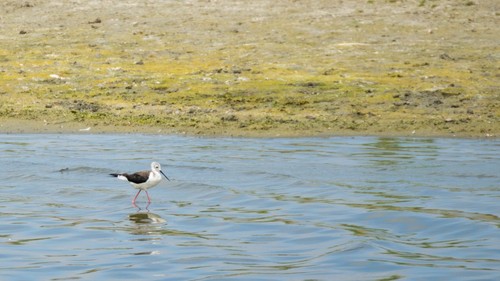
Black-winged Stilt
33-36 cm (13-14 in) long, wingspan 67-83 cm
Willet
33-41 cm (13-16 in) long, 65-70 cm wingspan
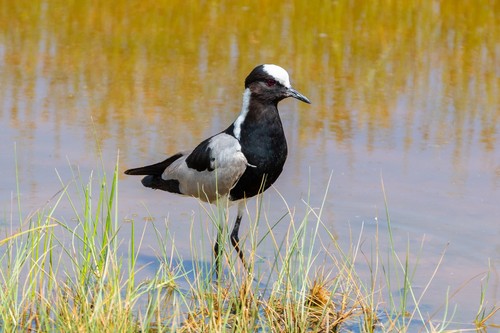
Blacksmith Lapwing
Body length about 30 cm; wingspan 55-65 cm
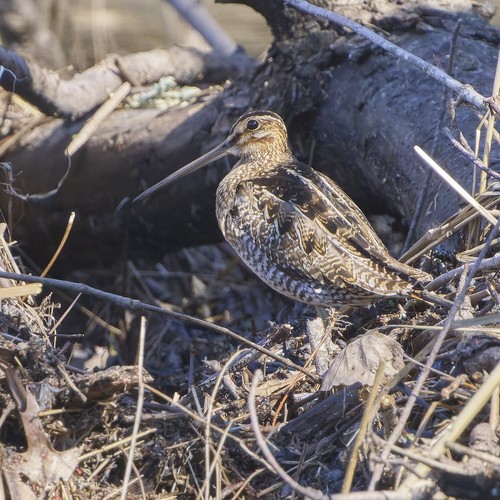
Wilson's Snipe
25-30 cm (10-12 in) long, 39-45 cm wingspan
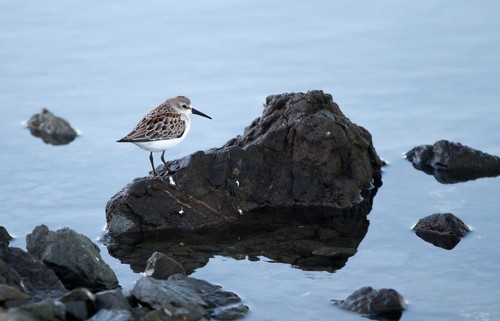
Western Sandpiper
14-17 cm (5.5-6.7 in) long, 28-37 cm wingspan
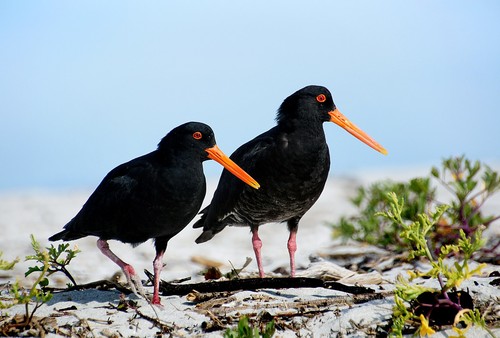
Variable Oystercatcher
46-49 cm (18-19 in) long
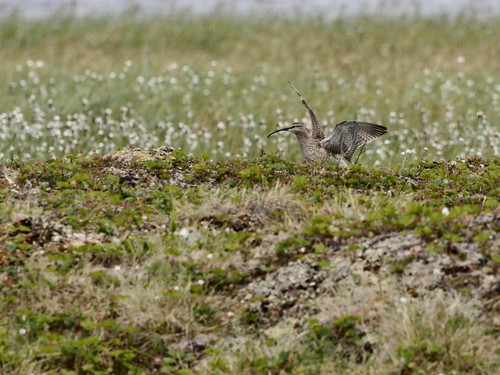
Whimbrel
40-46 cm (16-18 in) long, 76-89 cm wingspan
Wilson's Phalarope
22-24 cm (8.5-9.5 in) long, 37-43 cm wingspan
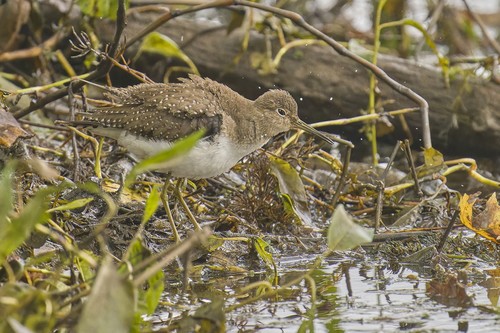
Solitary Sandpiper
19-23 cm (7.5-9 in) long, 50-56 cm wingspan
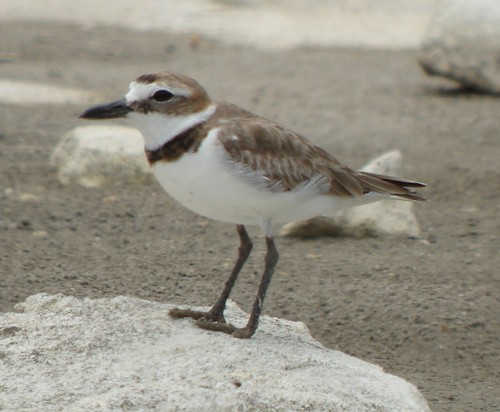
Wilson's Plover
17-19 cm (6.7-7.5 in) long, 45-50 cm wingspan
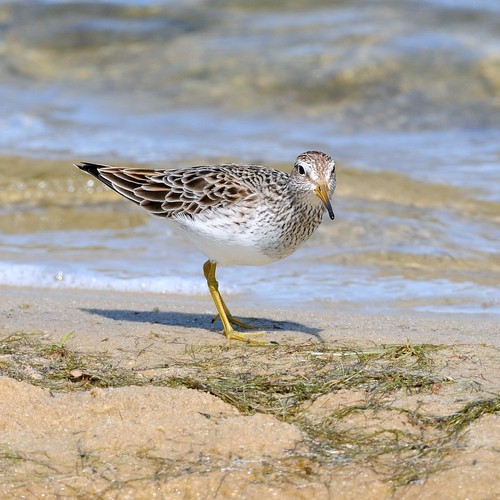
Pectoral Sandpiper
19-23 cm (7.5-9 in) long, 43-49 cm wingspan
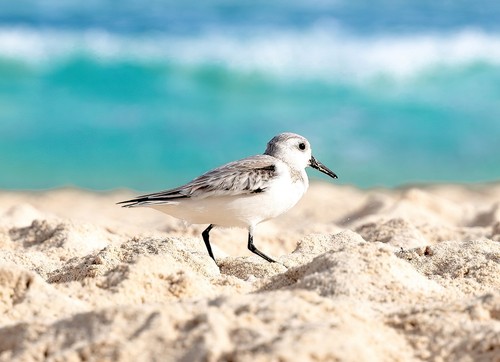
Sanderling
18-20 cm (7-8 in) long, 40-43 cm wingspan