
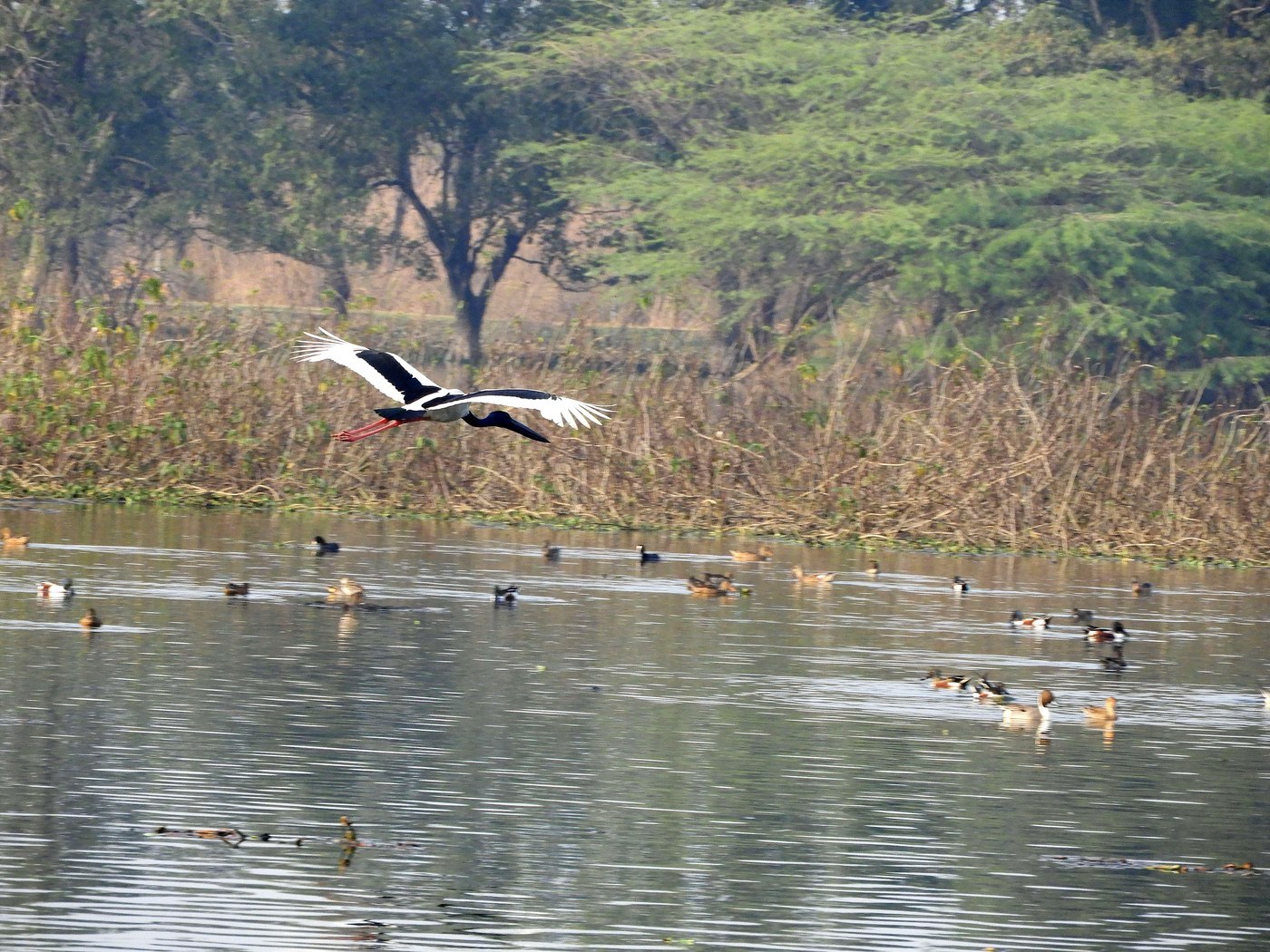
Black-necked Stork
Ephippiorhynchus asiaticus
A tall, striking black-and-white stork with an iridescent black head and neck, found from South Asia to northern Australia, where it is sometimes locally called 'Jabiru.'
- Size
- 110-150 cm (43-59 in) long, 195-230 cm wingspan
- Habitat
- wetlands, floodplains, and rice paddies of South and Southeast Asia and Australia
- Type
- wading-bird
Spotted a bird like this?
Identify any bird from a photo, free.
Overview
The Black-necked Stork is a large, elegant wading bird with a glossy black head, neck, and back that shimmer with green and purple iridescence in good light, contrasting sharply with white body plumage and wings. It has a long, straight, heavy black bill and long red legs.
The species occurs from India and Southeast Asia through to Australia and New Guinea, where in Australia it is often colloquially (though incorrectly, in strict taxonomic terms) called the 'Jabiru,' a name properly belonging to a distinct South American species.
How to identify it
Key field marks
- Glossy black head, neck, and back with white body and wings
- Long, straight, black bill
- Long red legs
- Females have yellow eyes; males have dark brown eyes (similar sexual dimorphism to the related Saddle-billed Stork)
Similar species
The Saddle-billed Stork of Africa is similar in shape but has a colorful black, red, and yellow bill rather than a plain black one, and the two species do not overlap in range. The Woolly-necked Stork is smaller with a white neck and a dark cap rather than a fully black neck.
Habitat & range
Black-necked Storks inhabit freshwater wetlands, floodplains, marshes, and rice paddies across South Asia, Southeast Asia, New Guinea, and northern and eastern Australia. They favor shallow, undisturbed wetlands with clear water.
The species is largely resident and typically found singly or in pairs rather than large flocks, defending territories around productive wetlands. It is classified as Near Threatened due to ongoing wetland drainage and degradation across much of its Asian range, though Australian populations remain comparatively secure.
Behavior & voice
This stork hunts by walking slowly through shallow water and striking rapidly at fish, crustaceans, and amphibians with its long bill; it sometimes uses its feet to disturb prey from cover. Pairs are usually seen together and defend a territory throughout the year.
Like most storks, it is largely silent, relying on bill-clattering for communication at the nest. Black-necked Storks build large stick nests high in trees near wetlands, typically raising 2-4 chicks, with both parents sharing incubation and feeding duties. Pairs are thought to form long-term bonds and often reuse the same nest site across years.
Frequently asked questions
Why is the Black-necked Stork sometimes called 'Jabiru' in Australia?
It is a local colloquial nickname, but the true Jabiru is a separate species (Jabiru mycteria) found only in the Americas; the Australian bird's correct name is Black-necked Stork.
Where is the Black-necked Stork found?
It ranges from India and Southeast Asia through New Guinea to northern and eastern Australia, inhabiting freshwater wetlands and floodplains.
How can you tell male and female Black-necked Storks apart?
Females have yellow eyes, while males have dark brown eyes; otherwise the sexes look similar.
Is the Black-necked Stork endangered?
It is listed as Near Threatened, mainly due to wetland loss across parts of its Asian range.
Black-necked Stork guides
In-depth guides for identifying, finding, and understanding Black-necked Stork.
Other birds you may enjoy
Demoiselle Crane
85-100 cm (33-39 in) long, 155-180 cm wingspan
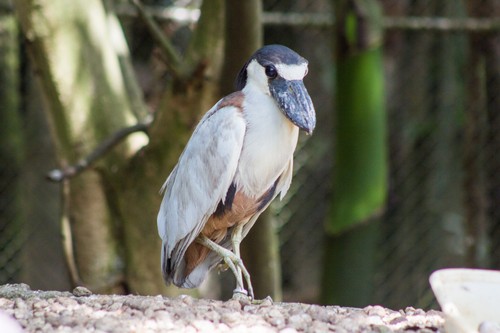
Boat-billed Heron
41-56 cm (16-22 in) long
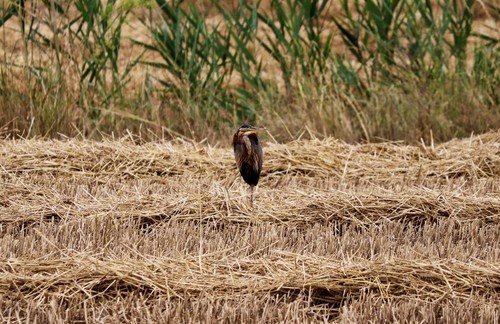
Purple Heron
78-90 cm (31-35 in) long, 120-152 cm wingspan
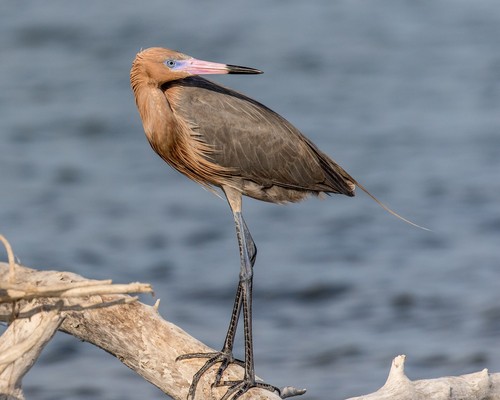
Reddish Egret
68-82 cm (27-32 in) long, 116-125 cm wingspan
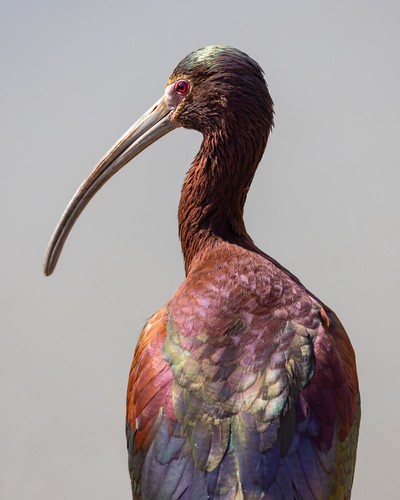
White-faced Ibis
46-56 cm (18-22 in) long, 88-93 cm wingspan
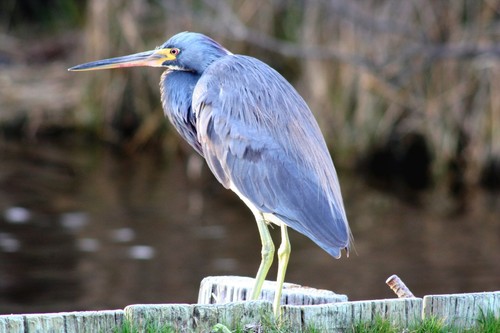
Tricolored Heron
61-76 cm (24-30 in) long, about 96 cm wingspan
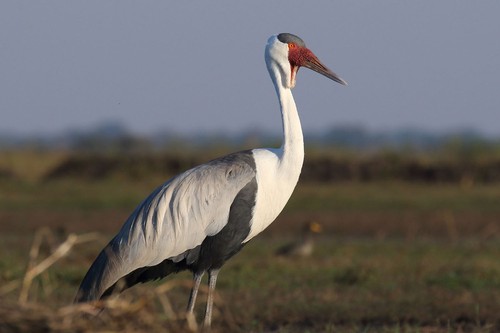
Wattled Crane
120-175 cm (47-69 in) tall, one of the tallest cranes, wingspan up to about 230 cm (7.5 ft)
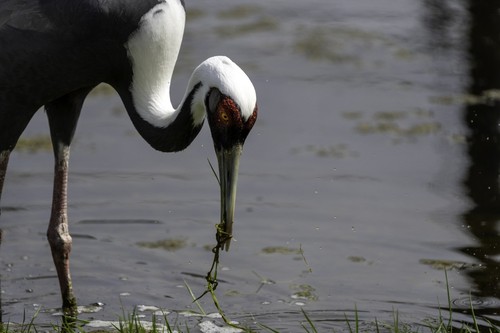
White-naped Crane
112-125 cm (44-49 in) long, 195-210 cm wingspan
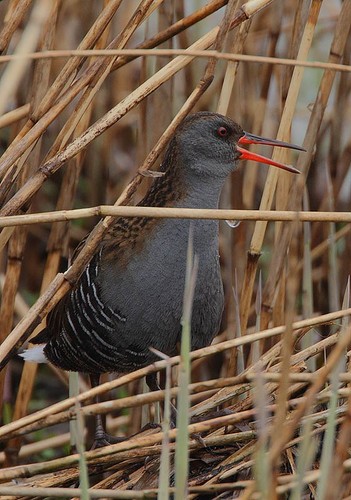
Water Rail
23-28 cm (9-11 in) long, wingspan 38-45 cm
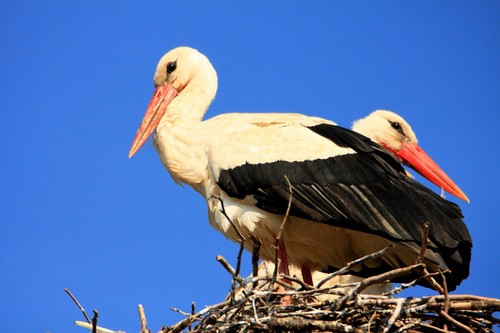
White Stork
100-125 cm (39-49 in) long, 155-215 cm wingspan
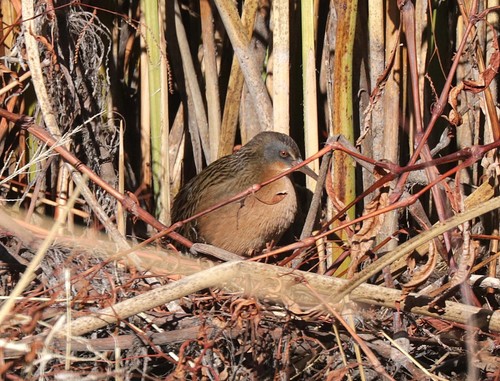
Virginia Rail
20-27 cm (8-11 in) long, wingspan 32-38 cm
Wattled Jacana
17-23 cm (7-9 in) long