
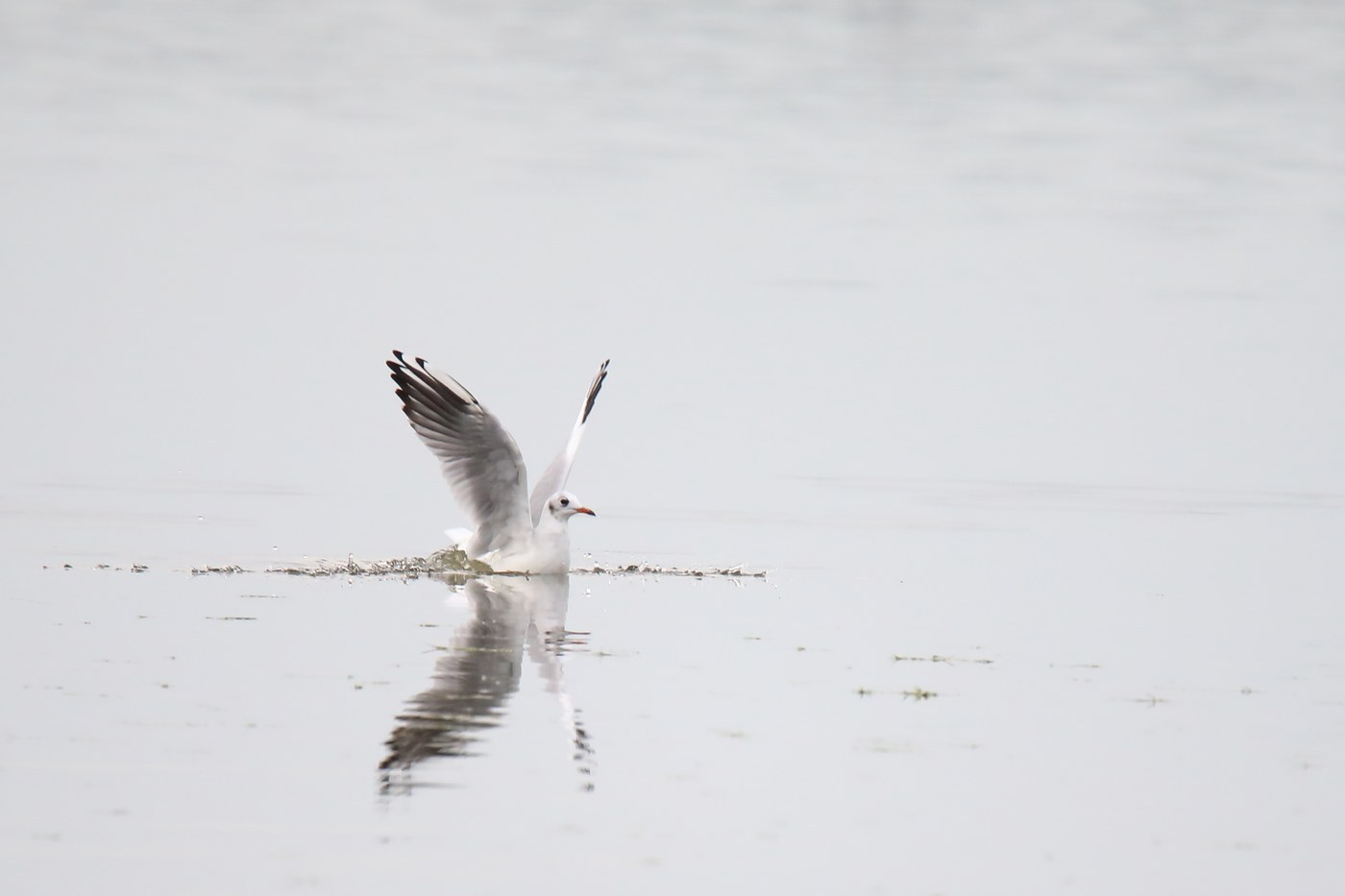
Black-headed Gull
Chroicocephalus ridibundus
An abundant Eurasian gull, despite its name actually sporting a chocolate-brown (not black) hood, and a rare but regular visitor to eastern North America.
- Size
- 35-39 cm (14-15 in) long, 94-105 cm wingspan
- Habitat
- lakes, coasts, farmland, and urban areas across Eurasia
- Type
- seabird
Spotted a bird like this?
Identify any bird from a photo, free.
Overview
The Black-headed Gull is one of the most familiar and widespread gulls across Europe and Asia, equally at home on inland lakes, farmland, and busy city parks as on the coast. Despite its name, the breeding-season hood is actually a rich chocolate-brown rather than true black, though it can appear dark at a distance.
The mantle and wings are pale gray, the underparts white, and the bill and legs a bright orange-red. A key field mark in flight is the bold white wedge along the leading edge of the outer wing, visible at considerable distance and useful for separating it from similar species. In winter, the hood is lost, leaving a white head with a small dark spot behind the eye.
In North America, the Black-headed Gull is a rare but increasingly regular visitor, most often found in fall and winter among flocks of Bonaparte's Gulls along the Atlantic coast and Great Lakes.
How to identify it
Key field marks
- Chocolate-brown hood in breeding plumage (not truly black)
- Bright orange-red bill and legs
- Bold white wedge on the leading edge of the outer wing, visible in flight
- Pale gray mantle, white underparts
- Small dark ear spot in winter plumage
Similar species
- Bonaparte's Gull: smaller, black (not red) bill, and lacks the leading-edge white wedge in the same bold form; often found alongside vagrant Black-headed Gulls.
- Laughing and Franklin's Gulls: both have dark bills and darker mantles, with different wingtip patterns.
- Little Gull: much smaller with a dark underwing.
Habitat & range
Habitat
Highly adaptable, using coastal wetlands, lakes, rivers, farmland, refuse sites, and urban parks; one of the most urban-tolerant gulls in Europe.
Range and migration
Breeds across temperate and northern Eurasia, from Iceland and the British Isles across Europe and Russia to eastern Asia. Northern populations migrate south to milder coasts and inland waters in winter, with some individuals regularly reaching the Atlantic coast of North America and, less often, the interior and Pacific coast.
Behavior & voice
Behavior
Gregarious and adaptable, Black-headed Gulls readily associate with other gull species, forage in flocks over farmland, and have become common scavengers in cities.
Voice
Calls include a harsh, grating "kree-ar" and various chattering notes given at breeding colonies.
Feeding
Omnivorous, taking insects, earthworms, small fish, and a wide variety of human food waste and refuse.
Nesting and breeding
Nests colonially, often in dense colonies on marshy ground, islands, or moorland, building a simple scrape lined with vegetation. Clutches typically contain two to three eggs, incubated by both parents for about three weeks.
Frequently asked questions
Is the Black-headed Gull's head actually black?
No, the breeding hood is chocolate-brown, though it can look blackish at a distance, which is how the species got its misleading name.
Is the Black-headed Gull found in North America?
It is a rare but regular visitor, especially along the Atlantic coast and Great Lakes, often found among flocks of Bonaparte's Gulls.
How do you tell Black-headed Gull from Bonaparte's Gull?
Black-headed Gull has a red bill and legs and a bold white leading-edge wedge on the wing, while Bonaparte's Gull has a black bill and orange-red legs.
What does the Black-headed Gull eat?
It is omnivorous, eating insects, earthworms, small fish, and readily scavenging refuse in urban and agricultural areas.
Where does the Black-headed Gull breed?
Across much of temperate and northern Eurasia, from Iceland and Britain eastward across Europe and Asia.
Black-headed Gull guides
In-depth guides for identifying, finding, and understanding Black-headed Gull.
Other birds you may enjoy
Peruvian Pelican
137-152 cm (54-60 in) long, up to 228 cm wingspan
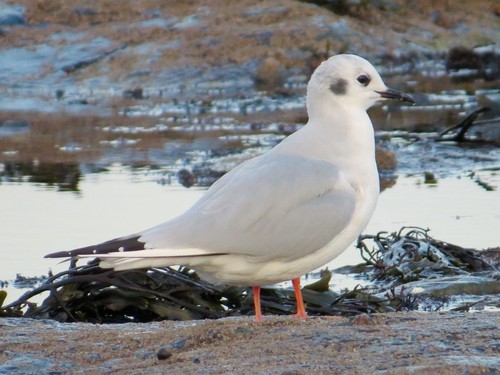
Bonaparte's Gull
28-33 cm (11-13 in) long, 76-84 cm wingspan
Brown Pelican
106-137 cm (42-54 in) long, 200-230 cm wingspan
Razorbill
37-39 cm (15-15.5 in) long, 63-68 cm wingspan
Common Gull
40-46 cm (16-18 in) long, 110-130 cm wingspan
Thick-billed Murre
40-48 cm (16-19 in) long, 65-75 cm wingspan
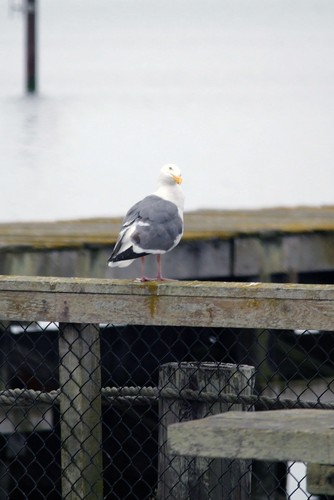
Western Gull
55-68 cm (22-27 in) long, 130-144 cm wingspan
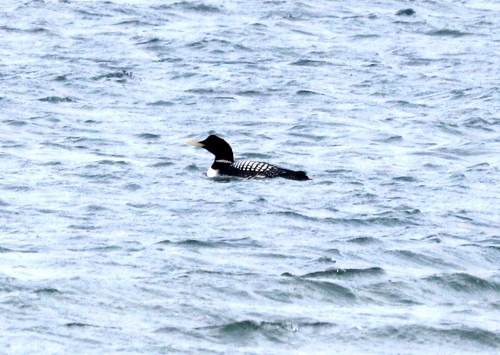
Yellow-billed Loon
76-97 cm (30-38 in) long, 135-152 cm wingspan
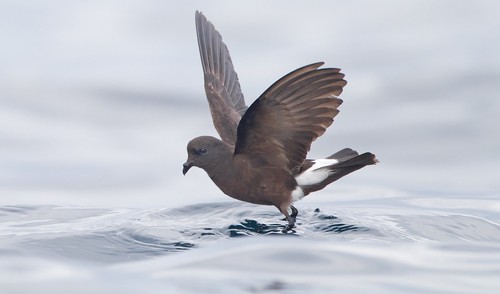
Wilson's Storm-Petrel
15-19 cm (6-7.5 in) long, wingspan 38-42 cm (15-16.5 in)
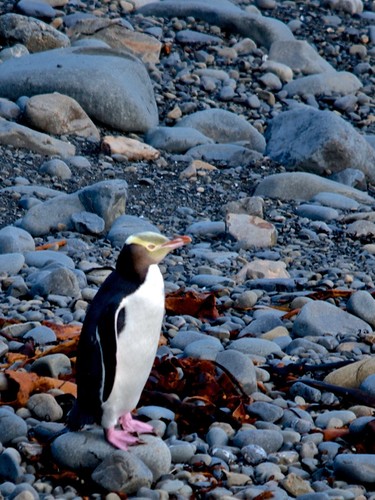
Yellow-eyed Penguin
62-79 cm (24-31 in) tall, 3-8.5 kg (6.6-18.7 lb)
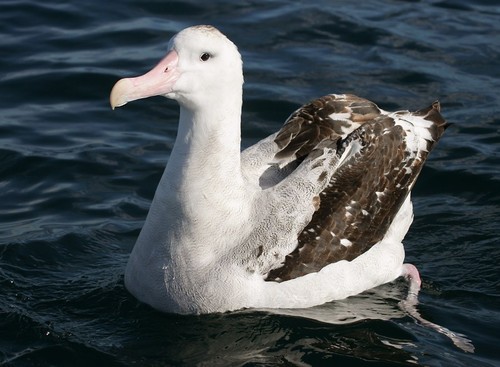
Wandering Albatross
107-135 cm (42-53 in) long, wingspan up to 3.5 m (11.5 ft)
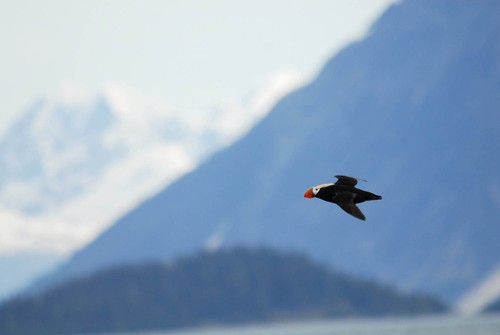
Tufted Puffin
35-41 cm (14-16 in) long, about 63-70 cm wingspan