
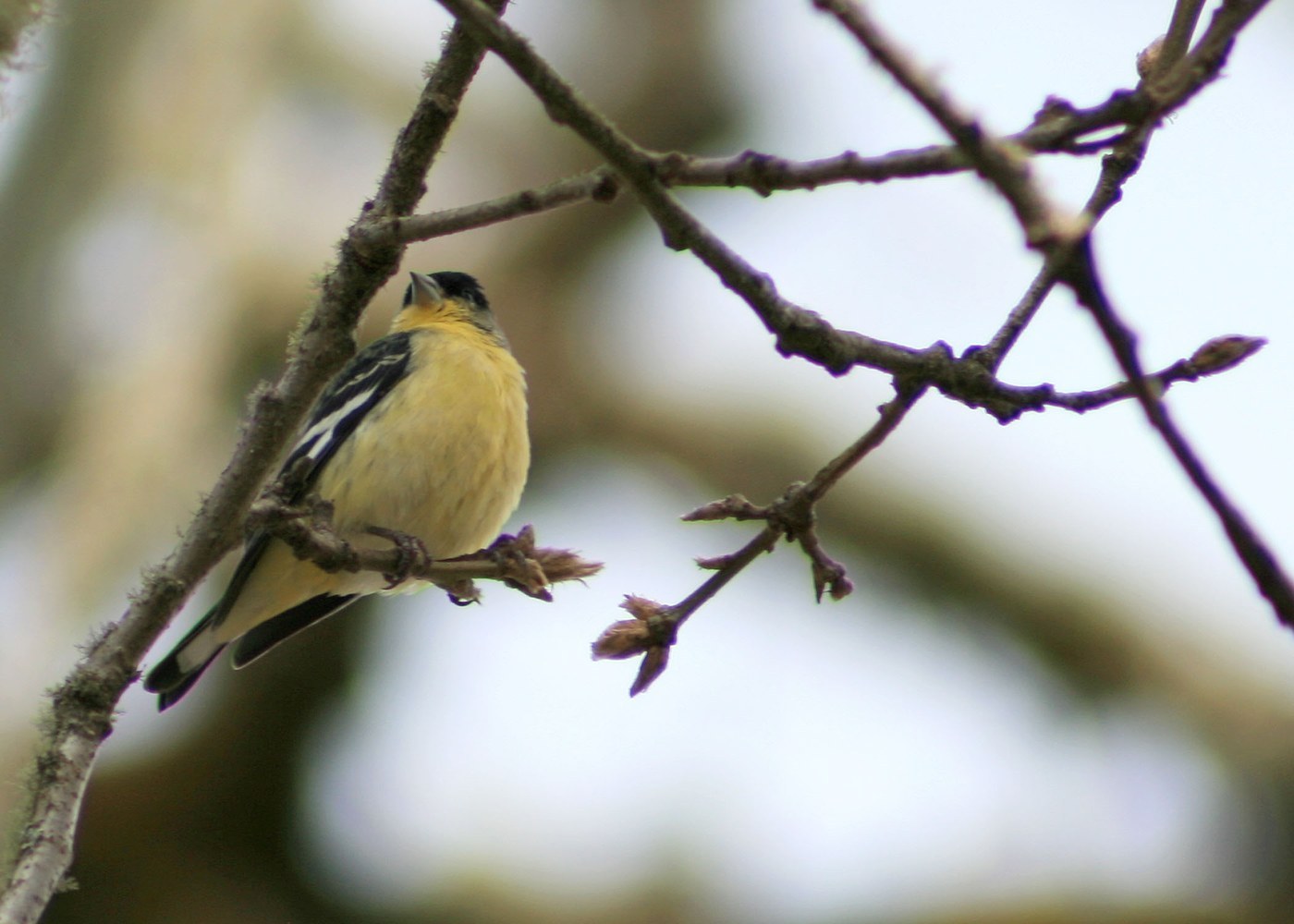
Black-headed Grosbeak
Pheucticus melanocephalus
The western counterpart to the Rose-breasted Grosbeak, with males showing warm cinnamon-orange underparts and a bold black-and-white patterned head.
- Size
- 18-22 cm (7-8.7 in) long, 30-33 cm wingspan
- Habitat
- deciduous and mixed woodlands, riparian groves, and forest edges in the west
- Type
- songbird
Spotted a bird like this?
Identify any bird from a photo, free.
Overview
The Black-headed Grosbeak is a robust, large-billed songbird that fills the western ecological role of the closely related Rose-breasted Grosbeak, with the two species hybridizing in a narrow overlap zone on the Great Plains. Adult males have a black head, black-and-white patterned wings and back, and warm cinnamon-orange underparts and nape, while females are streaky brown above with buffy-orange underparts, a bold white eyebrow stripe, and a much smaller, less contrasting bill pattern than the male.
One of the few North American birds able to safely eat toxic monarch butterflies, Black-headed Grosbeaks play a notable ecological role at monarch overwintering sites in Mexico, where they can consume large numbers of the cardenolide-laden insects that are poisonous to most other predators.
How to identify it
Key Field Marks
- Massive, thick, pale conical bill
- Adult male: black head, black-and-white patterned back and wings, cinnamon-orange underparts and collar
- Female/immature: streaky brown above, buffy-orange below, bold white eyebrow stripe, streaked flanks
- Yellow wing linings visible in flight (both sexes)
Similar Species
- Rose-breasted Grosbeak males have white (not cinnamon-orange) underparts with a rose-red breast patch; the species hybridize where ranges meet on the Great Plains.
- Female Black-headed Grosbeaks can resemble large sparrows or female orioles but have a much heavier bill and yellow wing linings.
Habitat & range
Habitat
Breeds in deciduous and mixed woodlands, riparian corridors, oak woodlands, and forest edges throughout the western United States.
Range
Breeds from British Columbia south through the western United States into Mexico. Winters primarily in Mexico, including at high-elevation fir forests that host overwintering monarch butterflies.
Migration
A medium- to long-distance migrant traveling between western breeding grounds and Mexican wintering areas each year.
Behavior & voice
Behavior
Black-headed Grosbeaks forage actively in the canopy and understory, and, notably, some individuals feed on toxic monarch butterflies at Mexican overwintering colonies, tolerating the cardenolide toxins that deter most other predators.
Voice
The song is a rich, rolling warble similar to an American Robin's but more fluid and continuous; the call is a sharp, distinctive "eek" similar to the Rose-breasted Grosbeak's.
Feeding
Feeds on insects, seeds, berries, and fruit; readily visits sunflower feeders and is one of the few birds able to eat monarch butterflies without harm.
Nesting & Breeding
Builds a loose cup nest of twigs and plant material in a shrub or tree. Both parents share incubation of 2-5 eggs and feeding duties, and males, like Rose-breasted Grosbeaks, occasionally sing from the nest.
Frequently asked questions
How is the Black-headed Grosbeak different from the Rose-breasted Grosbeak?
Male Black-headed Grosbeaks have cinnamon-orange underparts, while male Rose-breasted Grosbeaks have white underparts with a rose-red breast patch; the two species replace each other geographically and hybridize where their ranges meet.
Can Black-headed Grosbeaks really eat toxic monarch butterflies?
Yes, they are one of the few predators able to tolerate the cardenolide toxins in monarch butterflies and are known to feed on them at overwintering colonies in Mexico.
What does a female Black-headed Grosbeak look like?
Females are streaky brown above with buffy-orange underparts, a bold white eyebrow stripe, and a large pale bill, lacking the male's black head.
What does the Black-headed Grosbeak's call sound like?
It gives a sharp, squeaky "eek" call very similar to that of the closely related Rose-breasted Grosbeak.
Black-headed Grosbeak guides
In-depth guides for identifying, finding, and understanding Black-headed Grosbeak.
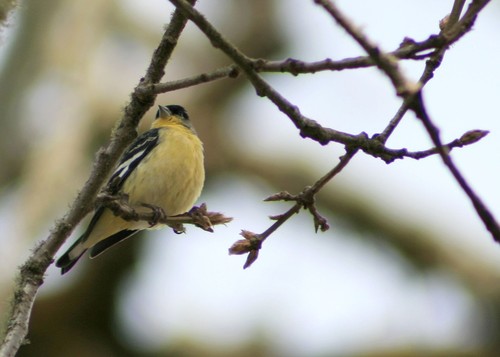
Black-headed Grosbeak identified by the community
Real birds identified with Bird Identifier.
Other birds you may enjoy
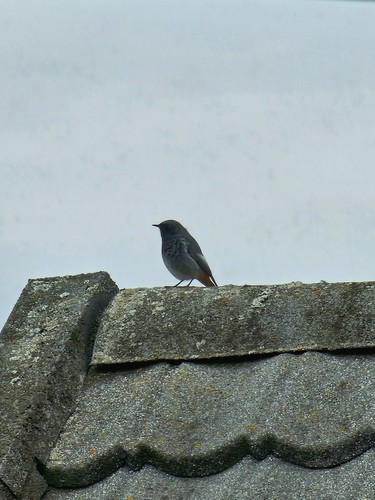
Black Redstart
13-14.5 cm (5.1-5.7 in) long, 23-26 cm wingspan
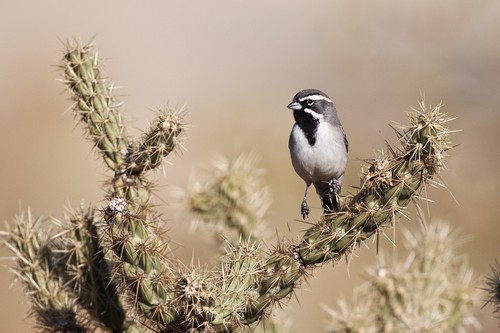
Black-throated Sparrow
12-14 cm (4.7-5.5 in) long, about 19-20 cm (7.5-8 in) wingspan
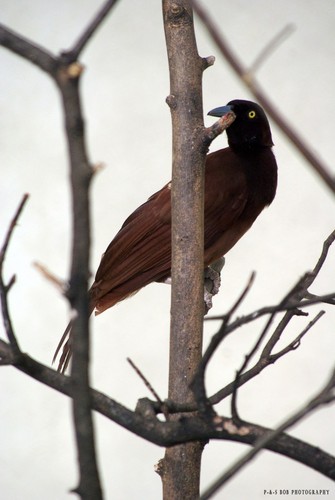
Greater Bird-of-paradise
Body about 43 cm; males with additional flank plumes up to 50 cm and long tail wires
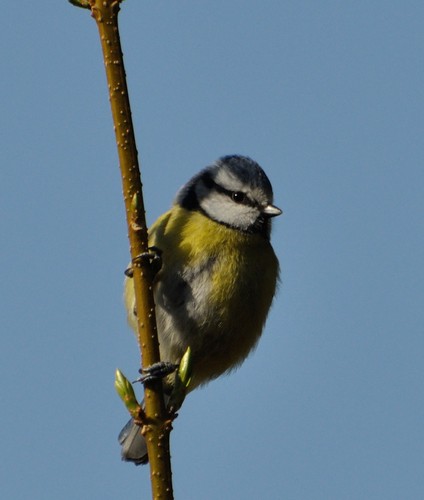
Blue Tit
11-12 cm (4.3-4.7 in) long, 17-20 cm wingspan
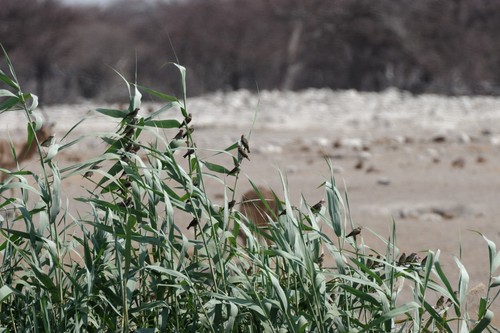
Red-billed Quelea
11.5–13 cm long, wingspan about 20–22 cm
White-plumed Antbird
13-14 cm (5-5.5 in) long
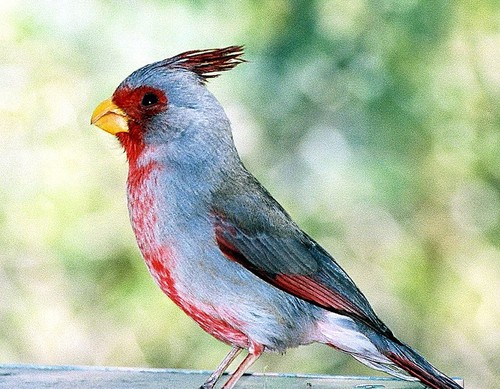
Pyrrhuloxia
19-22 cm (7.5-8.7 in) long, 30 cm wingspan
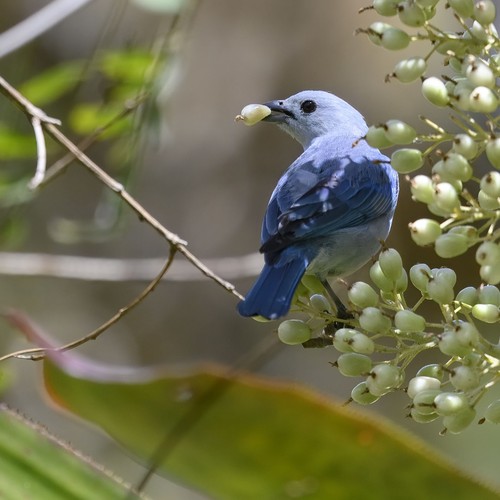
Blue-gray Tanager
16-18 cm (6-7 in) long
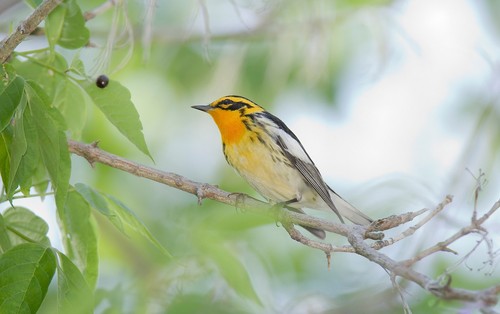
Blackburnian Warbler
11-13 cm (4.3-5.1 in) long, 20-22 cm wingspan
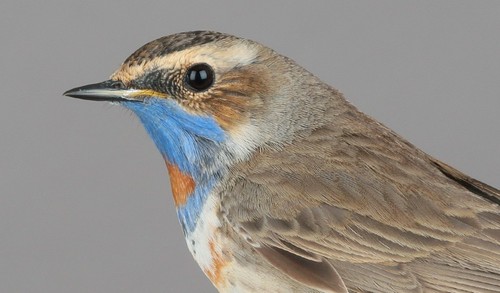
Bluethroat
13-14 cm (5.1-5.5 in) long, 20-22 cm wingspan
Eurasian Nuthatch
12-14.5 cm (4.7-5.7 in) long, 22.5-27 cm wingspan
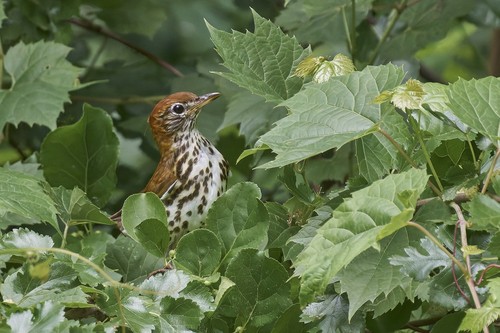
Wood Thrush
19-21 cm (7.5-8.3 in) long, about 33 cm (13 in) wingspan