
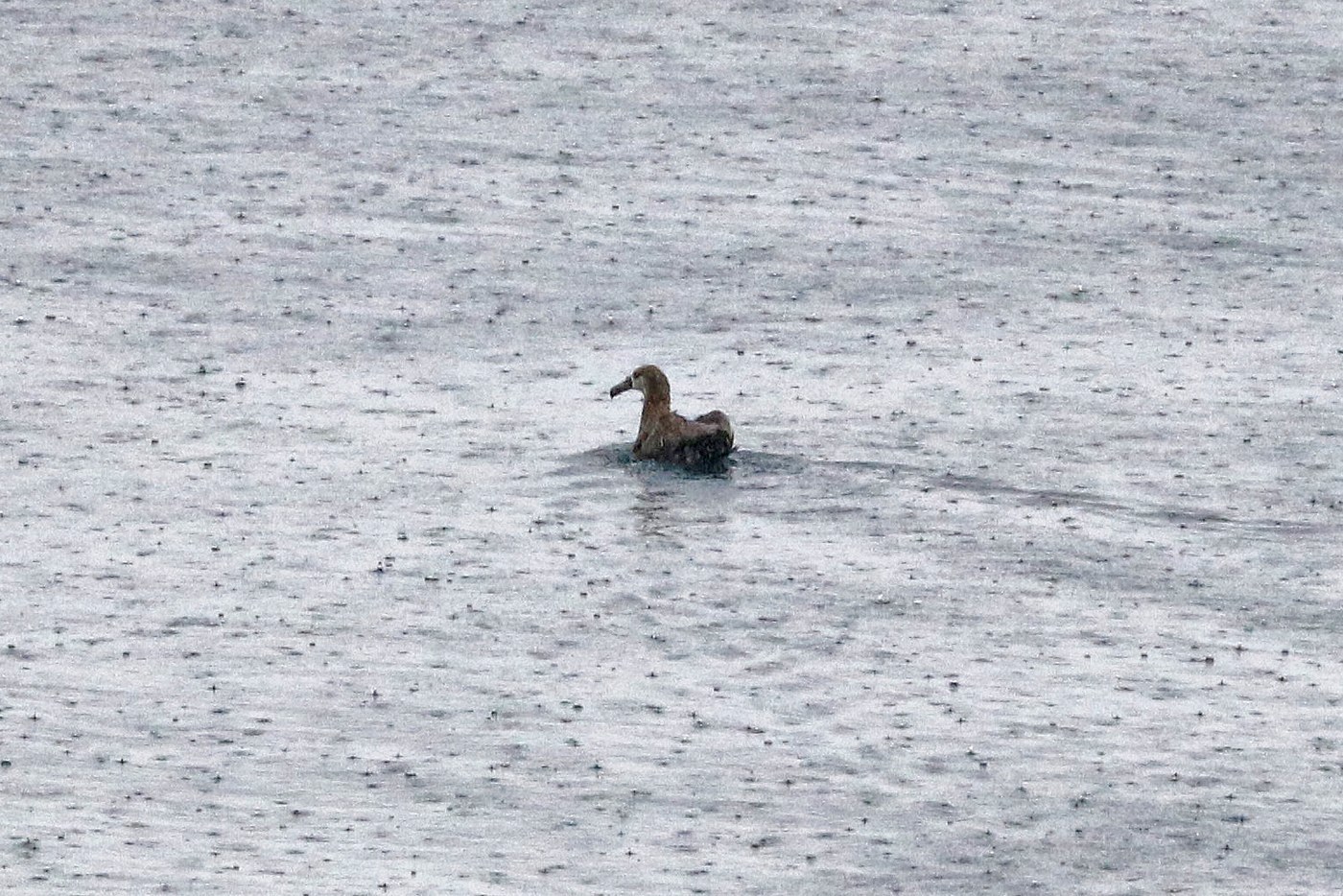
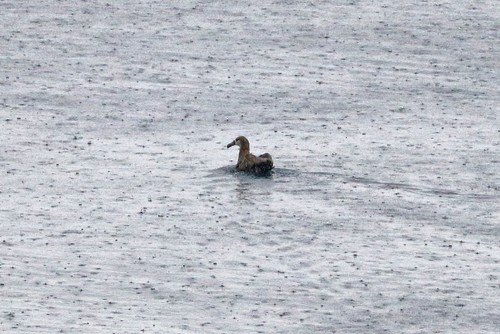
Black-footed Albatross
Phoebastria nigripes
A dark, sooty-brown albatross of the North Pacific that often nests alongside the Laysan Albatross and follows fishing vessels far from land.
- Size
- 68-74 cm (27-29 in) long, wingspan 193-216 cm (76-85 in)
- Habitat
- open North Pacific Ocean, breeding mainly on Hawaiian islands
- Type
- seabird
Spotted a bird like this?
Identify any bird from a photo, free.
Overview
The Black-footed Albatross is a medium-sized North Pacific albatross with almost entirely dark sooty-brown plumage, setting it apart from most other albatrosses' white-and-grey patterns. Some individuals show a paler, whitish area around the base of the bill and under the tail as they age.
This species breeds on many of the same low Pacific islands as the closely related Laysan Albatross, and the two are often seen mixed together at colonies and while foraging over the open ocean.
Black-footed Albatrosses are strong, wide-ranging fliers, regularly following fishing vessels far out at sea in search of scraps and bait, a behavior that has historically put them at risk from longline fishing hooks.
How to identify it
Key field marks
- Almost uniformly dark sooty-brown plumage overall
- Pale, whitish patch often visible at the base of the bill and around the eye
- Dark legs and feet, dark bill
Similar species
- Laysan Albatross has a white head and underparts, unlike the entirely dark plumage of the Black-footed Albatross, and the two often nest side by side.
- Sooty Albatross species of the Southern Hemisphere are also dark brown but occur in a completely different ocean region, so range prevents confusion.
Habitat & range
Black-footed Albatrosses breed mainly on low, sandy islands in the Northwestern Hawaiian Islands, particularly Midway Atoll and Laysan Island, with additional small colonies elsewhere in the Pacific. Nests are simple scrapes on open sandy or vegetated ground, often near Laysan Albatross nests.
Outside the breeding season, the species ranges widely across the North Pacific, including waters off the west coast of North America, following productive currents in search of food.
Behavior & voice
Voice
At colonies, Black-footed Albatrosses perform courtship displays with bill-clacking, head movements, and low moaning or whistling calls similar to those of the Laysan Albatross.
Feeding
They feed on flying fish eggs, squid, and small fish taken near the surface, and are well known for following fishing boats to scavenge bait and discarded catch.
Nesting and breeding
Pairs return to the same nest scrape each year, laying a single egg. Both parents share incubation and chick-feeding responsibilities, with chicks fledging after several months on the nesting island.
Frequently asked questions
How can you identify a Black-footed Albatross?
Look for its almost entirely dark sooty-brown plumage, distinguishing it from the white-headed Laysan Albatross it often nests alongside.
Where does the Black-footed Albatross breed?
It breeds mainly on low Pacific islands such as Midway Atoll and Laysan Island in the Northwestern Hawaiian Islands.
Why do Black-footed Albatrosses follow fishing boats?
They are attracted to bait and discarded fish scraps, a habit that has historically made them vulnerable to accidental hooking on longlines.
What do Black-footed Albatrosses eat?
They feed on flying fish eggs, squid, and small fish taken near the ocean surface.
Is the Black-footed Albatross related to the Laysan Albatross?
Yes, both belong to the genus Phoebastria and often breed on the same islands, though the Black-footed Albatross is much darker overall.
Black-footed Albatross guides
In-depth guides for identifying, finding, and understanding Black-footed Albatross.
Other birds you may enjoy
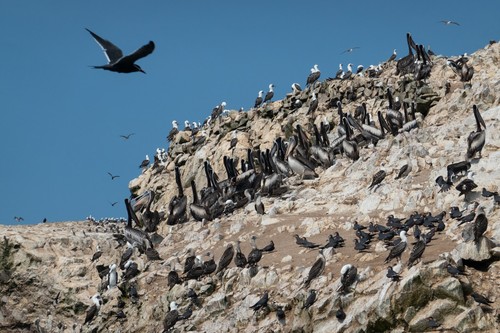
Peruvian Pelican
137-152 cm (54-60 in) long, up to 228 cm wingspan
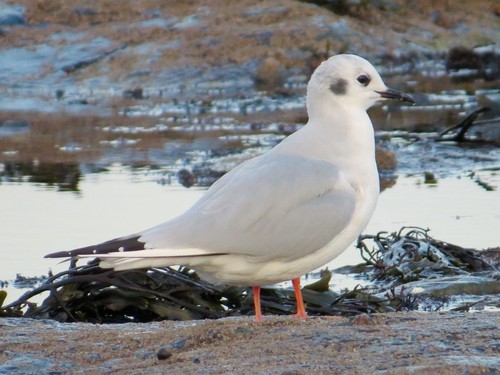
Bonaparte's Gull
28-33 cm (11-13 in) long, 76-84 cm wingspan
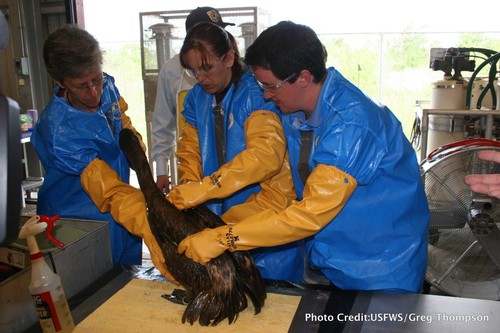
Brown Pelican
106-137 cm (42-54 in) long, 200-230 cm wingspan
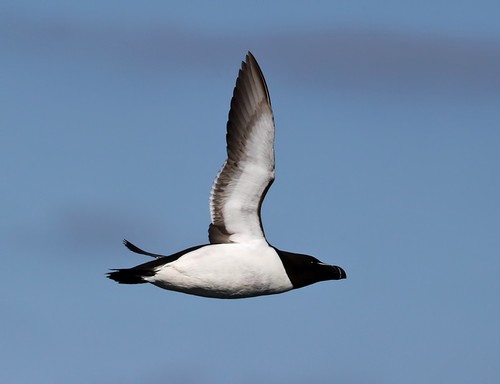
Razorbill
37-39 cm (15-15.5 in) long, 63-68 cm wingspan
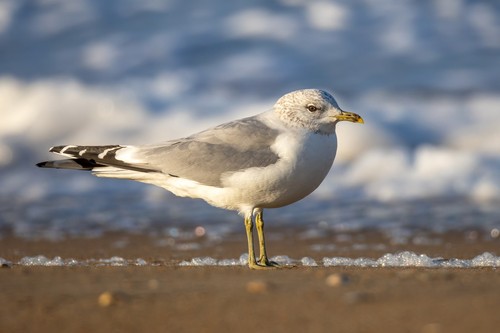
Common Gull
40-46 cm (16-18 in) long, 110-130 cm wingspan
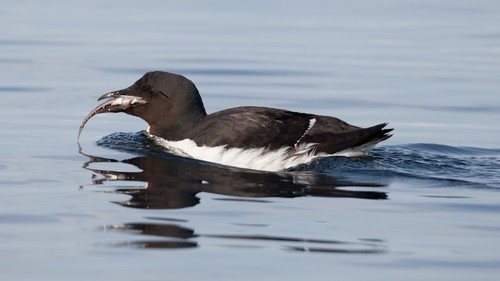
Thick-billed Murre
40-48 cm (16-19 in) long, 65-75 cm wingspan
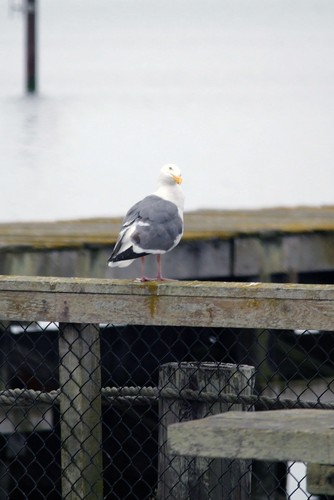
Western Gull
55-68 cm (22-27 in) long, 130-144 cm wingspan
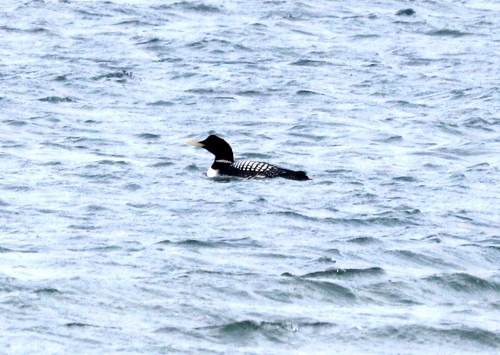
Yellow-billed Loon
76-97 cm (30-38 in) long, 135-152 cm wingspan
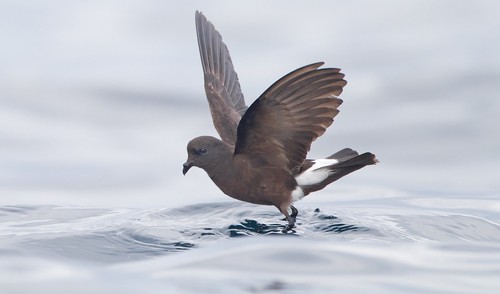
Wilson's Storm-Petrel
15-19 cm (6-7.5 in) long, wingspan 38-42 cm (15-16.5 in)
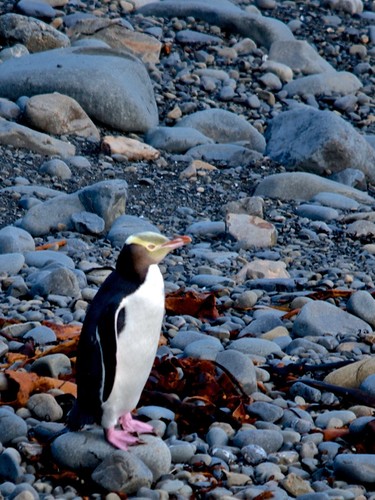
Yellow-eyed Penguin
62-79 cm (24-31 in) tall, 3-8.5 kg (6.6-18.7 lb)
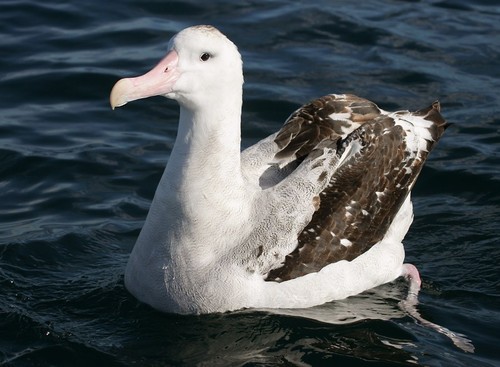
Wandering Albatross
107-135 cm (42-53 in) long, wingspan up to 3.5 m (11.5 ft)
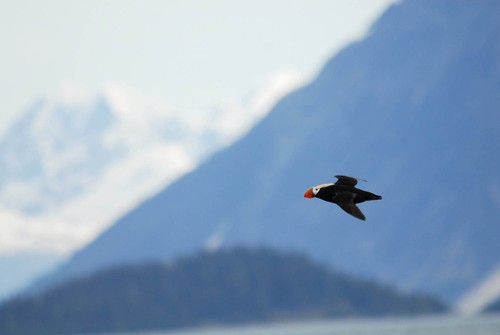
Tufted Puffin
35-41 cm (14-16 in) long, about 63-70 cm wingspan