
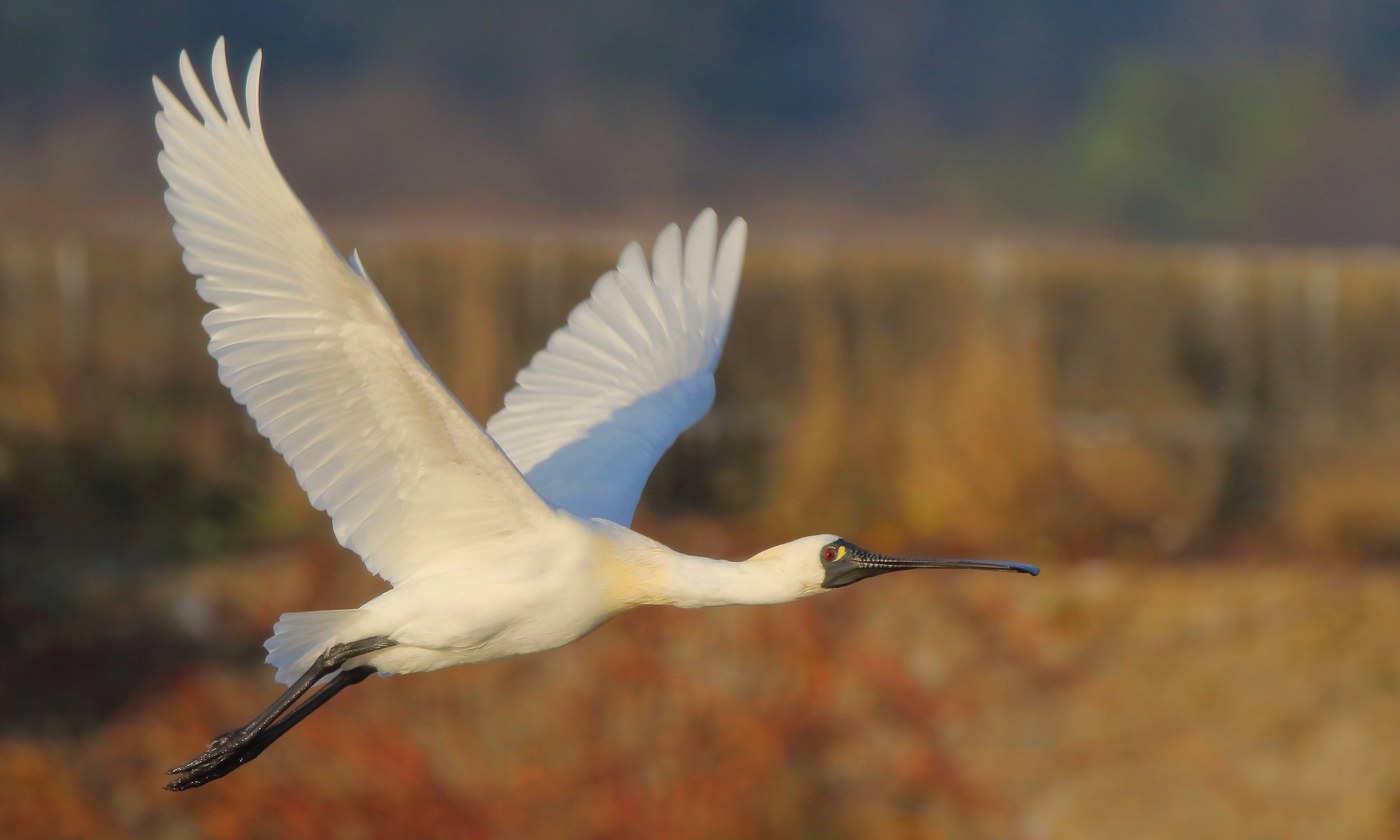
Black-faced Spoonbill
Platalea minor
One of the rarest spoonbills in the world, a white East Asian wading bird with a black spatulate bill that breeds on a handful of small islands off the Korean Peninsula.
- Size
- 60-78 cm (24-31 in) long, 95-115 cm wingspan
- Habitat
- tidal mudflats, estuaries, and coastal wetlands
- Type
- wading-bird
Spotted a bird like this?
Identify any bird from a photo, free.
Overview
The Black-faced Spoonbill is a white wading bird native to East Asia and is the rarest of the world's six spoonbill species. It has a flattened, spoon-shaped black bill and black facial skin that extends around the eyes like a mask, giving the species its name.
In breeding plumage, adults grow long, shaggy nape plumes and a buffy-yellow wash across the breast and crest. Outside the breeding season the plumage is plain white with the same distinctive dark bill and face.
How to identify it
Key field marks
- Medium-sized all-white spoonbill with a black, spatulate bill
- Black facial skin extending around the eye, giving a masked appearance
- Breeding adults show a shaggy nape crest and yellowish breast band
- Shorter, stockier bill than the similar Eurasian Spoonbill
Similar species
The Eurasian Spoonbill, which overlaps in parts of the wintering range, is larger with a longer bill that has a pale or yellow tip, and its facial skin is more restricted, not fully masking the eye. The Royal Spoonbill of Australasia does not overlap in range. White egrets lack the spatulate bill entirely.
Habitat & range
This species breeds almost exclusively on a small number of rocky islets off the west coast of the Korean Peninsula, particularly in the Yellow Sea. After breeding, it migrates south to winter in coastal wetlands of Taiwan, Hong Kong, mainland China, Vietnam, and Japan.
Because its breeding range is so restricted and its wintering sites concentrated in a few estuaries and tidal flats, the Black-faced Spoonbill is highly vulnerable to habitat loss from coastal development and land reclamation, which is the primary driver of its endangered status.
Behavior & voice
Like other spoonbills, it feeds by wading through shallow water and sweeping its bill side to side to detect prey by touch, often foraging in small groups at dawn and dusk. It roosts communally, often standing on one leg with the bill tucked under a wing.
Vocalizations are limited mostly to low grunting and bill-clattering at breeding colonies. Nests are built on rocky ledges or low vegetation on offshore islets, typically in small colonies, with both parents sharing incubation and chick care. Coordinated international conservation efforts, including winter censuses and protected wintering sites, have helped the global population slowly recover from a low of a few hundred birds in the 1990s.
Frequently asked questions
Why is the Black-faced Spoonbill endangered?
It breeds on only a small number of islets in the Yellow Sea and depends on a handful of coastal wintering sites, making it extremely vulnerable to habitat loss from land reclamation and coastal development.
Where does the Black-faced Spoonbill winter?
It winters mainly in coastal wetlands of Taiwan, Hong Kong, southern China, and Vietnam, with smaller numbers in Japan and South Korea.
How is it different from the Eurasian Spoonbill?
The Black-faced Spoonbill is smaller with a shorter bill and more extensive black facial skin that masks the eye, whereas the Eurasian Spoonbill has a longer bill often with a pale tip.
How many Black-faced Spoonbills are left?
Coordinated winter counts have recorded several thousand birds in recent years, a recovery from only a few hundred in the early 1990s, though the species remains Endangered.
Black-faced Spoonbill guides
In-depth guides for identifying, finding, and understanding Black-faced Spoonbill.
Other birds you may enjoy
Demoiselle Crane
85-100 cm (33-39 in) long, 155-180 cm wingspan
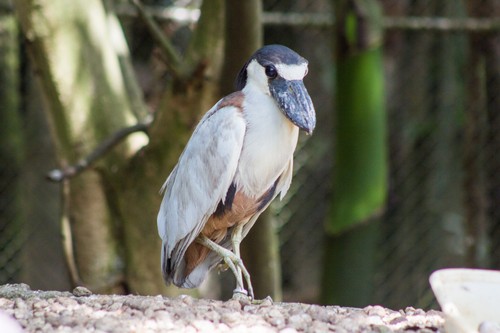
Boat-billed Heron
41-56 cm (16-22 in) long
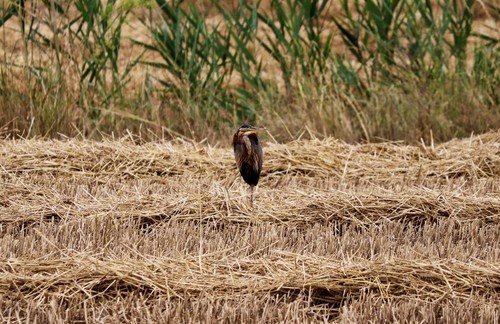
Purple Heron
78-90 cm (31-35 in) long, 120-152 cm wingspan
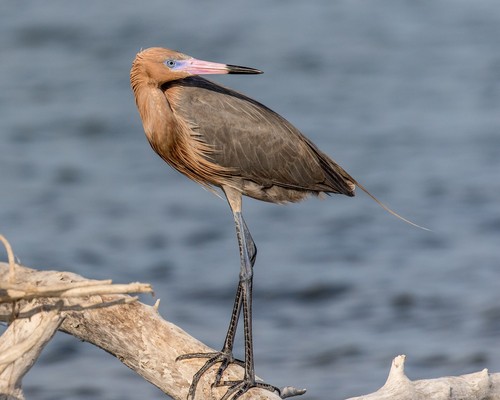
Reddish Egret
68-82 cm (27-32 in) long, 116-125 cm wingspan
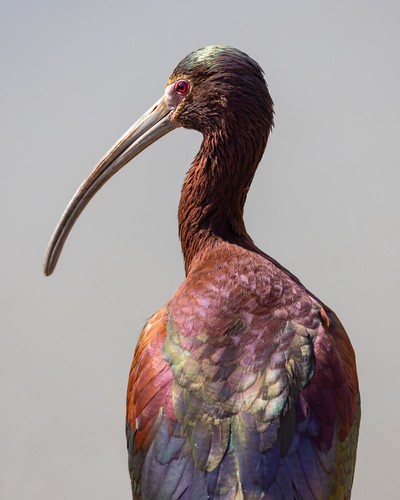
White-faced Ibis
46-56 cm (18-22 in) long, 88-93 cm wingspan
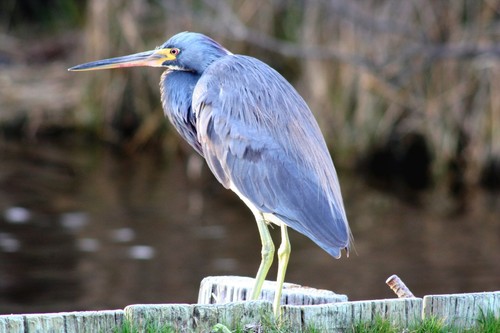
Tricolored Heron
61-76 cm (24-30 in) long, about 96 cm wingspan
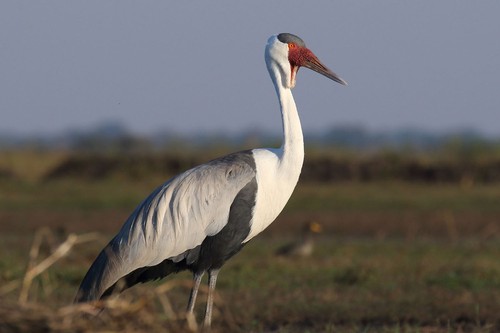
Wattled Crane
120-175 cm (47-69 in) tall, one of the tallest cranes, wingspan up to about 230 cm (7.5 ft)
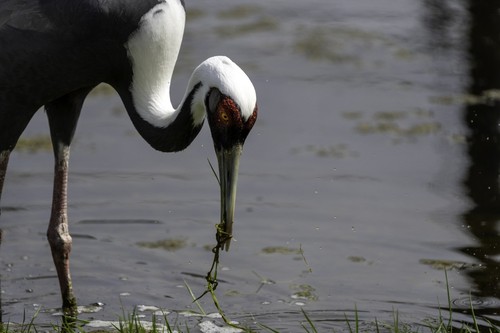
White-naped Crane
112-125 cm (44-49 in) long, 195-210 cm wingspan
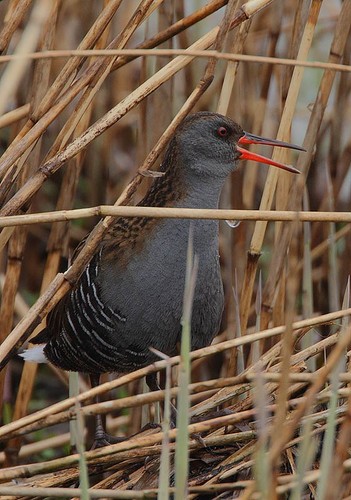
Water Rail
23-28 cm (9-11 in) long, wingspan 38-45 cm
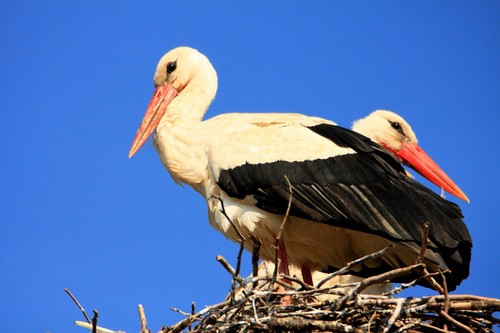
White Stork
100-125 cm (39-49 in) long, 155-215 cm wingspan
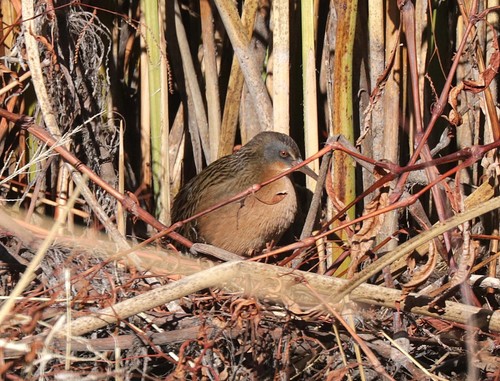
Virginia Rail
20-27 cm (8-11 in) long, wingspan 32-38 cm
Wattled Jacana
17-23 cm (7-9 in) long