
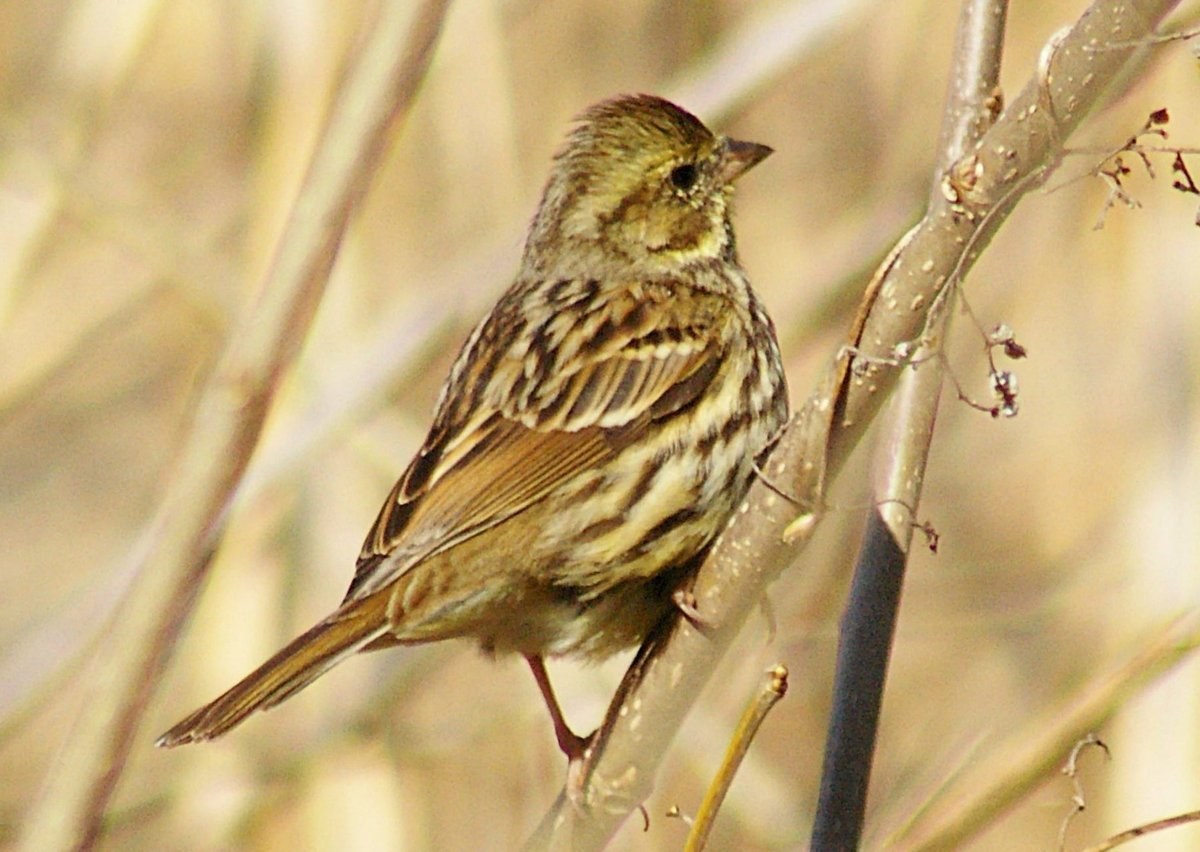
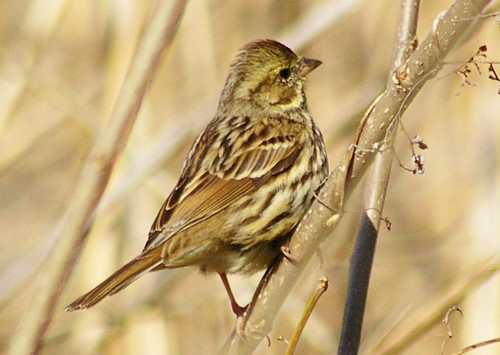
Black-faced Bunting
Emberiza spodocephala
A small bunting with an olive-grey head, a black face and throat in breeding males, and yellowish-olive underparts.
- Size
- 13-15 cm (5-6 in) long
- Habitat
- scrub, reedbeds, forest edge, and wetland margins
- Type
- songbird
Spotted a bird like this?
Identify any bird from a photo, free.
Overview
The Black-faced Bunting is a small, subtly colored bunting with an olive-grey hood in breeding males, dark lores and chin forming a black face patch, and a streaked, olive-brown back. The underparts are washed yellowish-olive, brightest on the belly, and become more subdued and streaked in non-breeding birds and females.
It tends to keep low and somewhat inconspicuous, favoring dense low cover near water or forest edges, and is more often detected by its sharp call notes than by sight as it moves through scrub and reeds.
How to identify it
Key field marks
- Olive-grey head and nape
- Black lores and chin forming a dark face patch in breeding males
- Streaked olive-brown back
- Yellowish-olive wash on the underparts
Similar species
- Meadow Bunting has a chestnut back and grey-and-black striped face pattern, quite different from the plainer olive-grey head of the Black-faced Bunting.
- Yellow-throated Bunting and other related buntings can show superficially similar coloring but differ in head pattern and range.
Habitat & range
Habitat
Uses scrub, reedbeds, forest edges, and wetland margins, generally favoring areas with dense low vegetation.
Range
Breeds across a broad swath of Russia, Mongolia, China, Korea, and Japan; winters further south across southern China and northern Southeast Asia.
Migration
A medium- to long-distance migrant across much of its range, moving south for the winter, though some southern populations are resident.
Behavior & voice
Behavior
Generally keeps low in dense cover, foraging on or near the ground and flushing into low vegetation when disturbed rather than flying far.
Voice
A sharp, ticking "tzip" call, and a simple, somewhat buzzy song given from low cover.
Feeding
Eats seeds for much of the year, supplemented with insects during the breeding season.
Nesting
Builds a cup nest low in dense vegetation or on the ground; lays 4-5 pale eggs with darker markings.
Frequently asked questions
How do you identify a Black-faced Bunting?
Look for an olive-grey head with black lores and chin in breeding males, a streaked olive-brown back, and yellowish-olive underparts.
Where does the Black-faced Bunting live?
It breeds across Russia, Mongolia, China, Korea, and Japan, and winters in southern China and northern Southeast Asia, favoring scrub and wetland margins.
What does a Black-faced Bunting eat?
Mainly seeds, with insects added during the breeding season.
Is the Black-faced Bunting easy to see?
It tends to stay low in dense cover and is often more easily detected by its sharp call note than by sight.
Black-faced Bunting guides
In-depth guides for identifying, finding, and understanding Black-faced Bunting.
Other birds you may enjoy
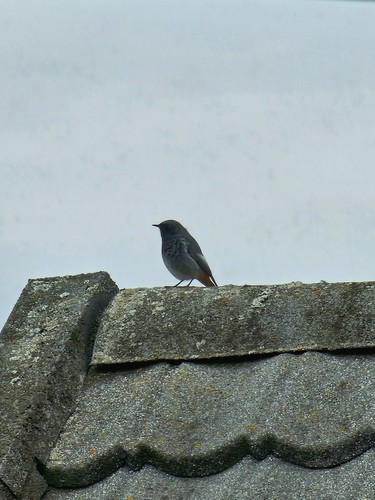
Black Redstart
13-14.5 cm (5.1-5.7 in) long, 23-26 cm wingspan
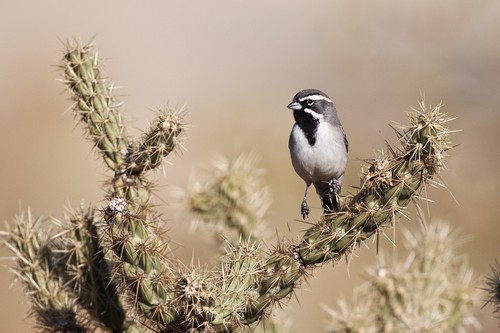
Black-throated Sparrow
12-14 cm (4.7-5.5 in) long, about 19-20 cm (7.5-8 in) wingspan
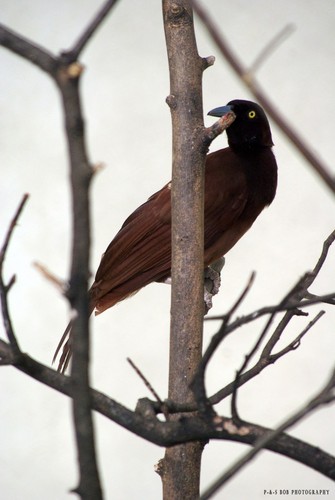
Greater Bird-of-paradise
Body about 43 cm; males with additional flank plumes up to 50 cm and long tail wires
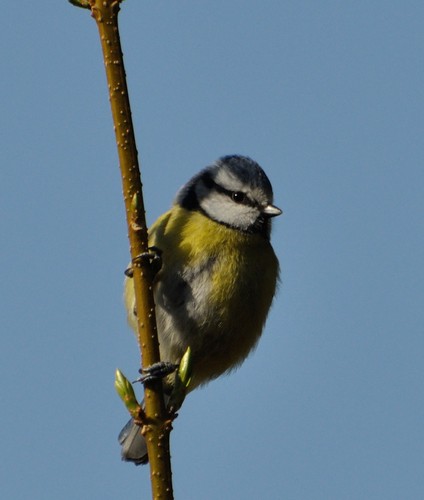
Blue Tit
11-12 cm (4.3-4.7 in) long, 17-20 cm wingspan
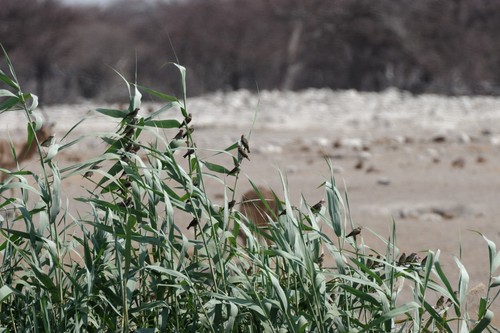
Red-billed Quelea
11.5–13 cm long, wingspan about 20–22 cm
White-plumed Antbird
13-14 cm (5-5.5 in) long
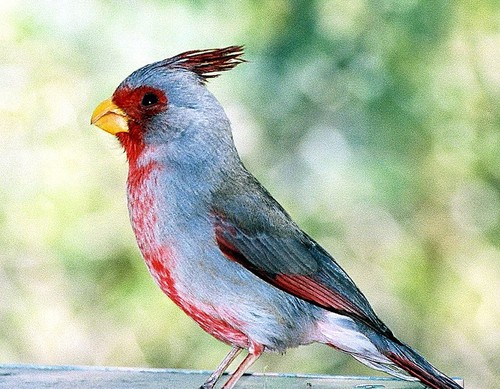
Pyrrhuloxia
19-22 cm (7.5-8.7 in) long, 30 cm wingspan
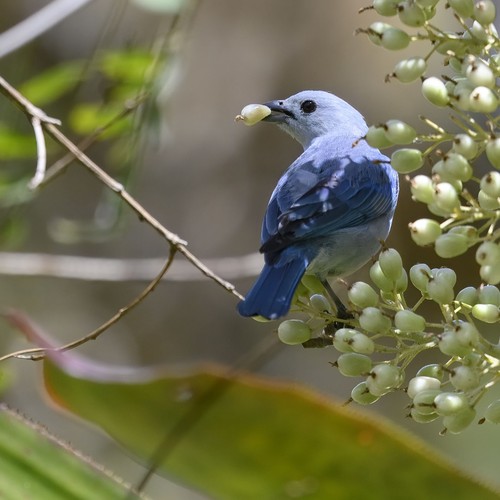
Blue-gray Tanager
16-18 cm (6-7 in) long
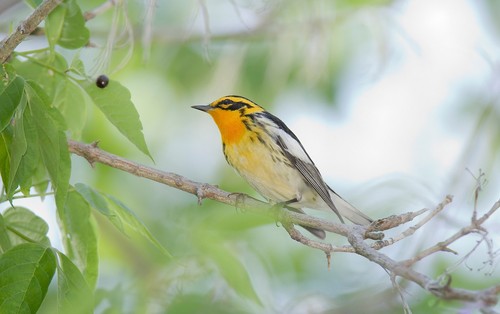
Blackburnian Warbler
11-13 cm (4.3-5.1 in) long, 20-22 cm wingspan
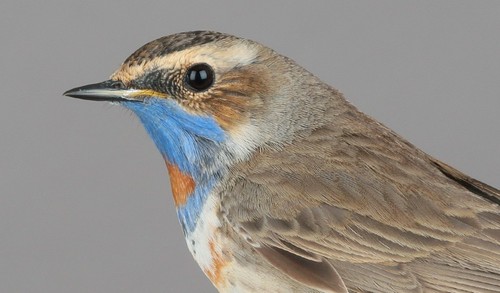
Bluethroat
13-14 cm (5.1-5.5 in) long, 20-22 cm wingspan
Eurasian Nuthatch
12-14.5 cm (4.7-5.7 in) long, 22.5-27 cm wingspan
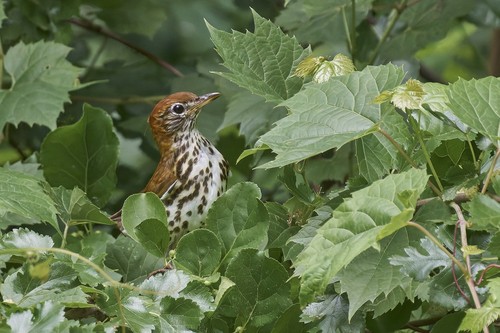
Wood Thrush
19-21 cm (7.5-8.3 in) long, about 33 cm (13 in) wingspan