
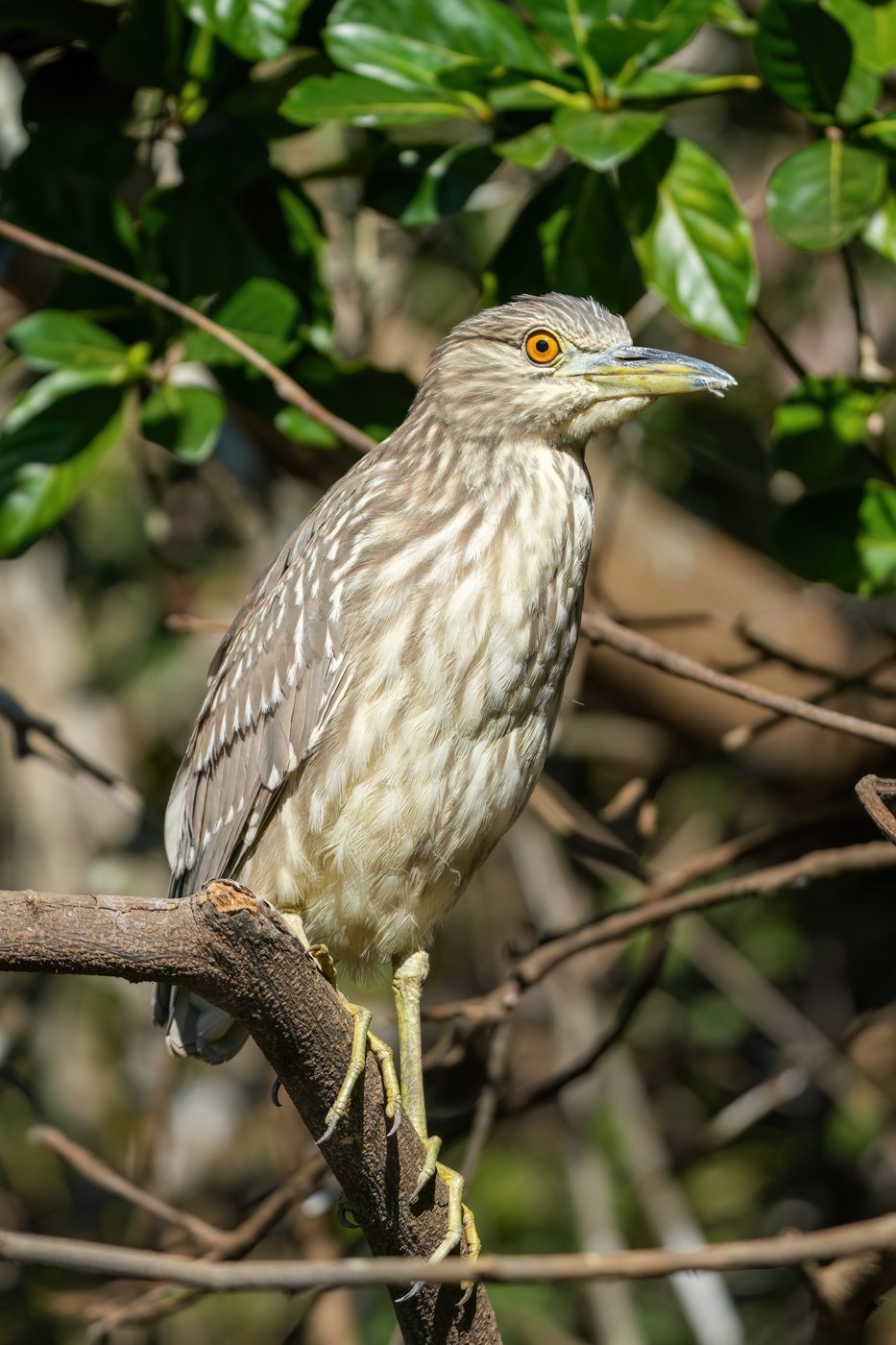
Black-crowned Night-Heron
Nycticorax nycticorax
A stocky, thick-necked heron active mainly at dusk and night, with a glossy black crown and back, pale grey wings, and striking red eyes.
- Size
- 58-65 cm (23-26 in) long, 105-112 cm wingspan
- Habitat
- wetlands, marshes, ponds, and riverbanks nearly worldwide
- Type
- wading-bird
Spotted a bird like this?
Identify any bird from a photo, free.
Overview
The Black-crowned Night-Heron is a compact, thick-necked heron with a glossy black cap and back contrasting against pale grey wings and a whitish underside. Adults have striking red eyes and, during the breeding season, grow two or three long, slender white plumes trailing from the back of the head. Juveniles look quite different, being brown and heavily streaked with white spots, resembling a large brown bittern.
As its name suggests, this species is primarily crepuscular and nocturnal, spending much of the day roosting quietly in trees before becoming active at dusk to forage.
How to identify it
Key field marks
- Glossy black crown and back contrasting with pale grey wings
- White underparts and red eyes
- Stocky, short-necked, hunched posture
- Juveniles: brown with heavy white spotting and streaking, lacking the adult's black-and-grey pattern
Similar species
- Yellow-crowned Night-Heron: adult has an entirely grey body with a black-and-white striped face and a yellowish crown, rather than the solid black cap of this species
- Green Heron (juvenile Black-crowned): larger and more heavily streaked than the smaller, chestnut-necked Green Heron
Juvenile night-herons of the two species are best separated by leg length and bill shape, with Yellow-crowned Night-Herons having longer legs and a stouter bill.
Habitat & range
Range and habitat
Black-crowned Night-Herons have one of the widest distributions of any heron, found on every continent except Australia and Antarctica, inhabiting freshwater and brackish marshes, ponds, riverbanks, and coastal wetlands.
Migration
Northern populations migrate south in winter to escape freezing conditions, while populations in warmer climates are generally resident, roosting communally in dense vegetation near foraging wetlands year-round.
Behavior & voice
Behavior
Largely nocturnal and crepuscular, Black-crowned Night-Herons spend daylight hours roosting quietly, often in large communal groups in trees, becoming active at dusk to fly out and forage individually along shorelines.
Voice
The most common call is a short, harsh "quawk," frequently given in flight, especially at dusk as birds leave the roost.
Feeding
They feed opportunistically on fish, amphibians, small mammals, insects, and occasionally the eggs or chicks of other colonial waterbirds, typically hunting by standing motionless at the water's edge and striking quickly.
Nesting and breeding
Black-crowned Night-Herons nest colonially, often in mixed colonies with other herons and egrets, building stick nests in trees or shrubs; both parents share incubation of three to five pale bluish-green eggs.
Frequently asked questions
Why is it called a night-heron?
It is primarily active at dusk and during the night, roosting quietly in trees during the day before flying out to forage after sunset.
What does a juvenile Black-crowned Night-Heron look like?
Juveniles are brown overall with heavy white spotting and streaking, quite different from the black-and-grey adult plumage, and are sometimes mistaken for bitterns.
How do you tell a Black-crowned from a Yellow-crowned Night-Heron?
Adult Black-crowned Night-Herons have a solid black crown and back with pale grey wings, while Yellow-crowned Night-Herons have an entirely grey body with a black-and-white striped face.
What do Black-crowned Night-Herons eat?
They eat a varied diet including fish, amphibians, small mammals, insects, and occasionally the eggs or young of other waterbirds.
Black-crowned Night-Heron guides
In-depth guides for identifying, finding, and understanding Black-crowned Night-Heron.
Other birds you may enjoy
Demoiselle Crane
85-100 cm (33-39 in) long, 155-180 cm wingspan
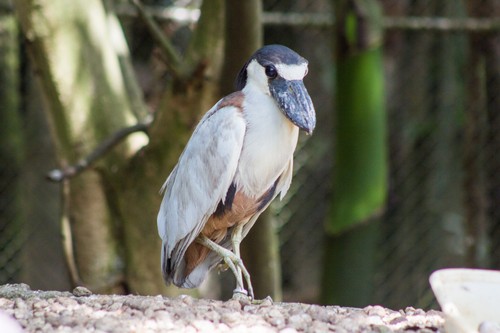
Boat-billed Heron
41-56 cm (16-22 in) long
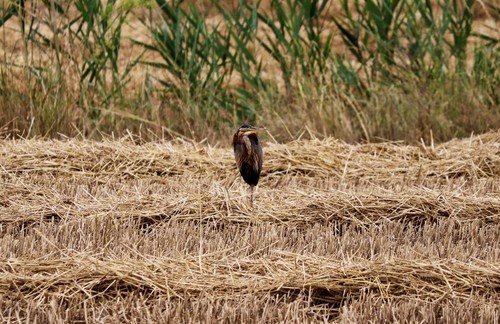
Purple Heron
78-90 cm (31-35 in) long, 120-152 cm wingspan
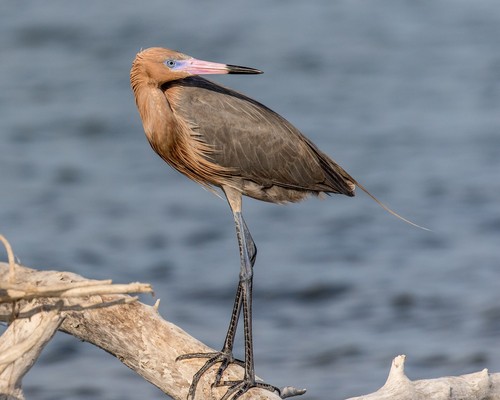
Reddish Egret
68-82 cm (27-32 in) long, 116-125 cm wingspan
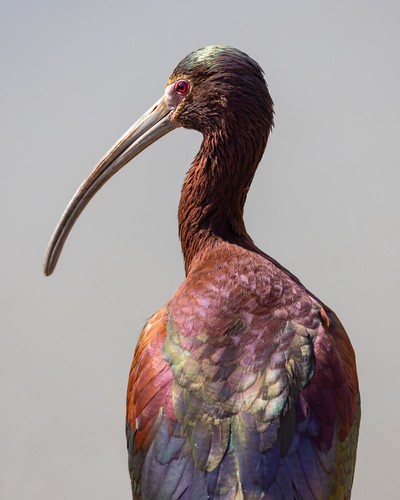
White-faced Ibis
46-56 cm (18-22 in) long, 88-93 cm wingspan
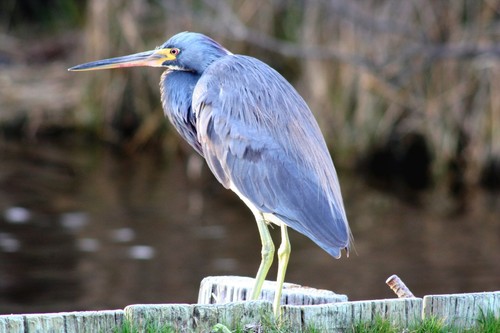
Tricolored Heron
61-76 cm (24-30 in) long, about 96 cm wingspan
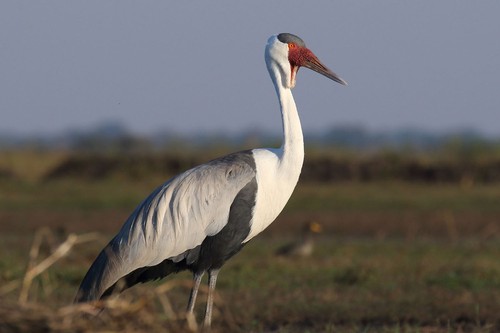
Wattled Crane
120-175 cm (47-69 in) tall, one of the tallest cranes, wingspan up to about 230 cm (7.5 ft)
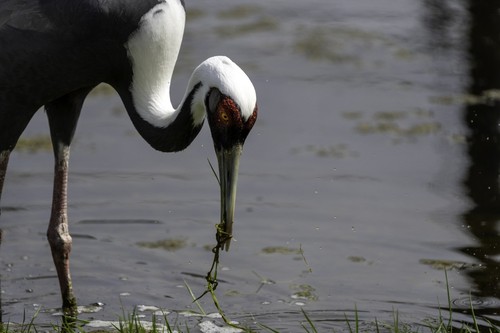
White-naped Crane
112-125 cm (44-49 in) long, 195-210 cm wingspan
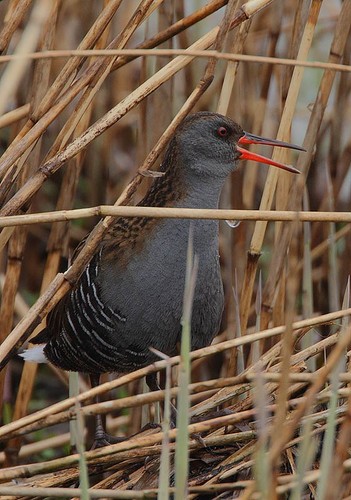
Water Rail
23-28 cm (9-11 in) long, wingspan 38-45 cm
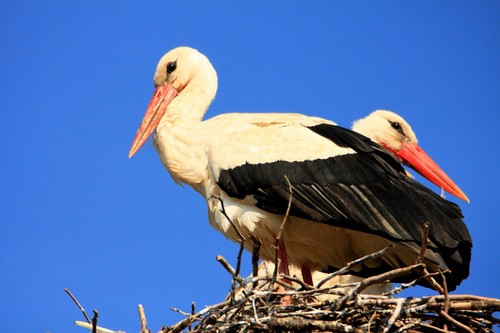
White Stork
100-125 cm (39-49 in) long, 155-215 cm wingspan
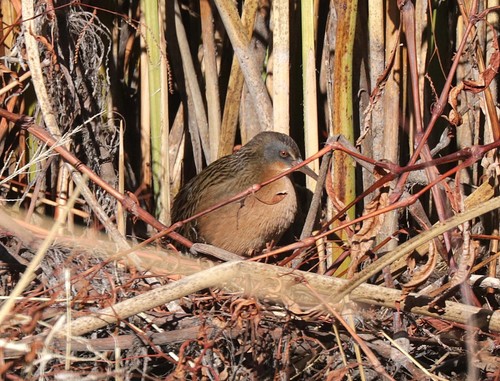
Virginia Rail
20-27 cm (8-11 in) long, wingspan 32-38 cm
Wattled Jacana
17-23 cm (7-9 in) long