
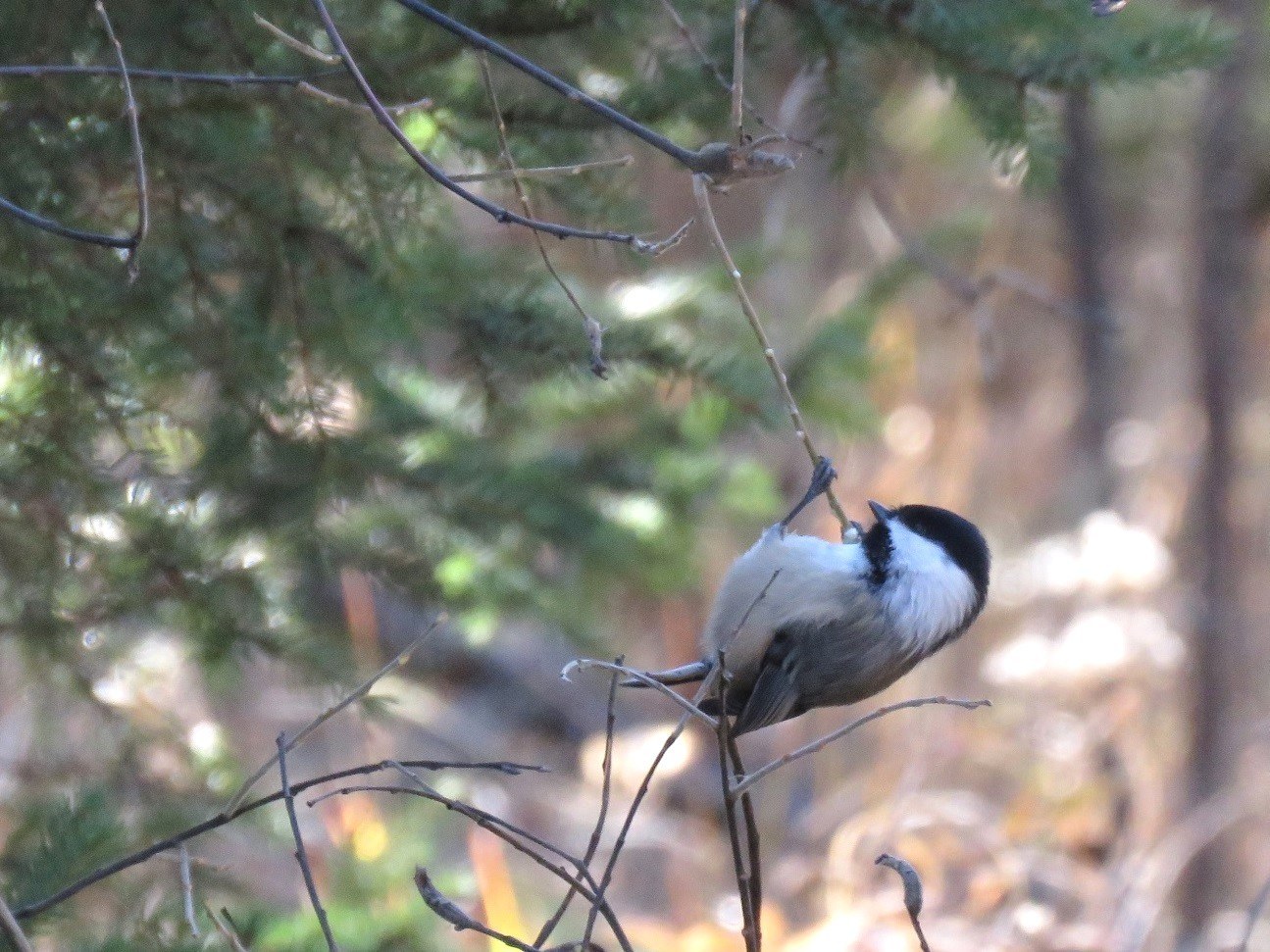
Black-capped Chickadee
Poecile atricapillus
A small, energetic bird with a black cap and bib, white cheeks, and gray back, known for its cheerful "chick-a-dee-dee" call.
- Size
- 12-15 cm (4.75-6 in) long, 16-21 cm (6-8 in) wingspan
- Habitat
- deciduous and mixed forests, woodland edges, parks, and gardens
- Type
- songbird
Spotted a bird like this?
Identify any bird from a photo, free.
Overview
The Black-capped Chickadee is a small, acrobatic songbird found across much of northern North America, well loved for its friendly, curious nature and cheerful calls. It has a black cap and bib contrasting sharply with bright white cheeks, a gray back, wings, and tail, and pale buffy-white underparts. The wing feathers show a fine white edging, giving the folded wing a slightly frosted look.
Chickadees are non-migratory in most of their range and are frequent visitors to backyard feeders, where they are famous for their tameness, sometimes even feeding from a person's hand.
How to identify it
Key Field Marks
- Black cap and black throat/bib separated by white cheeks
- Gray back, wings, and tail with white-edged wing feathers
- Buffy-white underparts, buffier on the flanks
- Small, round body with a relatively long tail
Similar Species
- Carolina Chickadee: nearly identical but slightly smaller with a less extensive white wing edging and a different, faster call; ranges meet in a narrow hybrid zone in the mid-Atlantic region and voice is the most reliable distinction.
- Boreal Chickadee: has a brown cap instead of black, and brownish flanks, found in more northern boreal forest.
- Mountain Chickadee (western mountains): shows a white eyebrow stripe through the black cap, absent in Black-capped Chickadee.
Habitat & range
Habitat
Black-capped Chickadees inhabit deciduous and mixed forests, woodland edges, willow and alder thickets, parks, and residential areas with trees, especially those offering natural cavities or dense cover.
Range
They are found across most of Canada and the northern half of the United States, from Alaska to the Atlantic coast, generally in cooler temperate and boreal climates.
Migration
Most Black-capped Chickadees are non-migratory, remaining on or near their territory year-round, though northern populations occasionally show irruptive movements south in years of poor food supply.
Behavior & voice
Behavior
Chickadees are active, acrobatic foragers, often hanging upside down from twigs while gleaning insects, and they form loose winter flocks with other small songbirds like nuthatches, titmice, and kinglets, often serving as the vocal leaders that alert the flock to predators.
Voice
The familiar call is the namesake "chick-a-dee-dee-dee," with the number of "dee" notes increasing with the level of perceived threat. The whistled song is a clear, two- or three-note "fee-bee" or "fee-bee-ee," descending in pitch.
Feeding
They eat a mix of insects, spiders, seeds, and berries, and are known for caching food items in bark crevices for later retrieval, aided by a remarkable spatial memory.
Nesting & Breeding
Chickadees nest in tree cavities, either natural or excavated by the pair in soft, rotten wood, or in nest boxes, lining the cavity with moss, fur, and plant down. They typically lay 6-8 eggs in a single brood per year.
Frequently asked questions
What does the chickadee's 'chick-a-dee-dee-dee' call mean?
Research has shown the number of "dee" notes at the end of the call correlates with the level of predator threat, with more "dee" notes signaling greater danger, making it a surprisingly sophisticated alarm system.
How can you tell Black-capped and Carolina Chickadees apart?
They look nearly identical, but Black-capped Chickadees have a bit more white edging on the wing feathers and a slower, lower "fee-bee" song, while Carolina Chickadees have a faster four-note song; voice is the most reliable way to distinguish them where ranges overlap.
Do chickadees remember where they hide food?
Yes, chickadees cache thousands of food items each fall and have an excellent spatial memory, aided by seasonal growth of the hippocampus, to relocate many of these caches later.
Are Black-capped Chickadees migratory?
Most are non-migratory residents that stay on their territory year-round, though occasional irruptive movements occur when food is scarce.
Where do Black-capped Chickadees nest?
They nest in tree cavities, either excavating their own in soft dead wood or using natural cavities and nest boxes, lined with soft materials like moss and fur.
Black-capped Chickadee guides
In-depth guides for identifying, finding, and understanding Black-capped Chickadee.
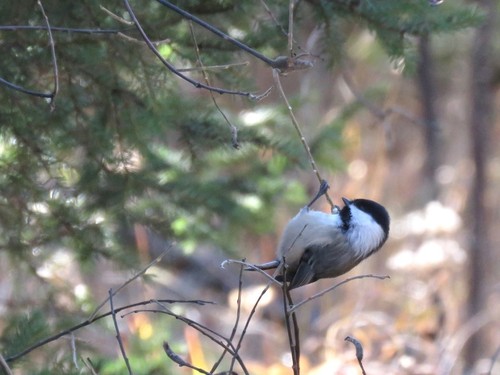
Other birds you may enjoy
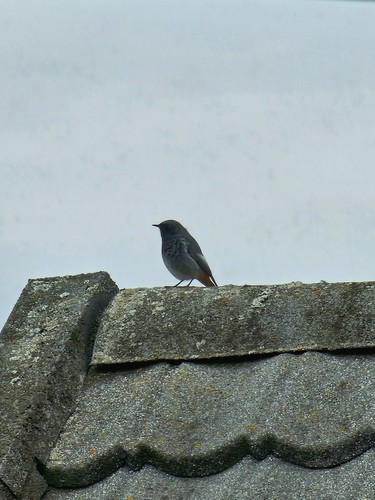
Black Redstart
13-14.5 cm (5.1-5.7 in) long, 23-26 cm wingspan
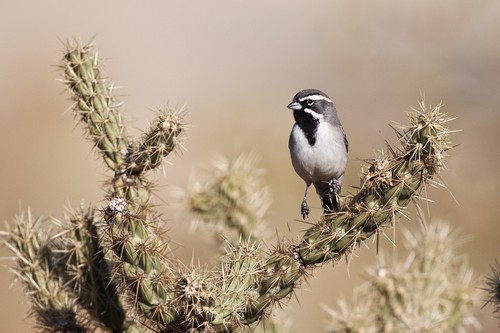
Black-throated Sparrow
12-14 cm (4.7-5.5 in) long, about 19-20 cm (7.5-8 in) wingspan
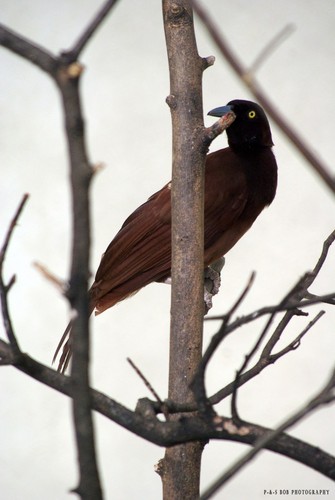
Greater Bird-of-paradise
Body about 43 cm; males with additional flank plumes up to 50 cm and long tail wires
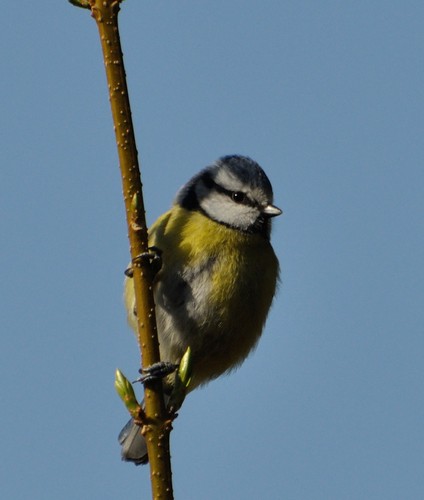
Blue Tit
11-12 cm (4.3-4.7 in) long, 17-20 cm wingspan

Red-billed Quelea
11.5–13 cm long, wingspan about 20–22 cm
White-plumed Antbird
13-14 cm (5-5.5 in) long
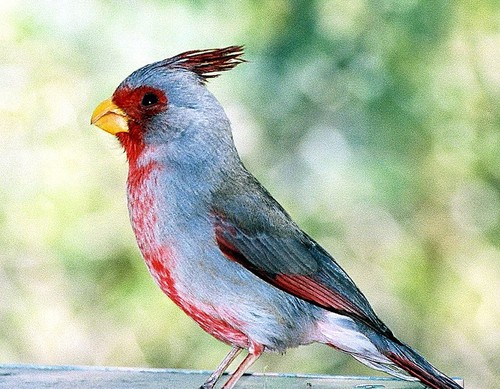
Pyrrhuloxia
19-22 cm (7.5-8.7 in) long, 30 cm wingspan
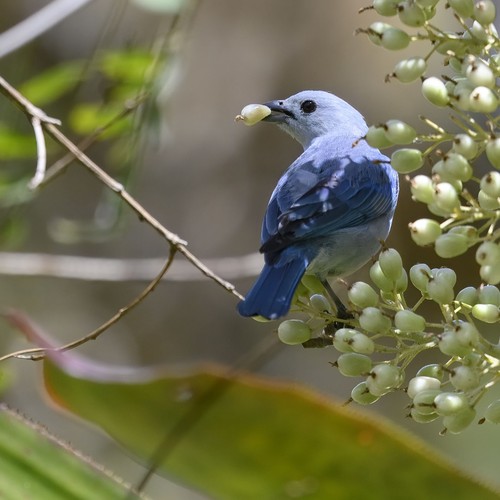
Blue-gray Tanager
16-18 cm (6-7 in) long
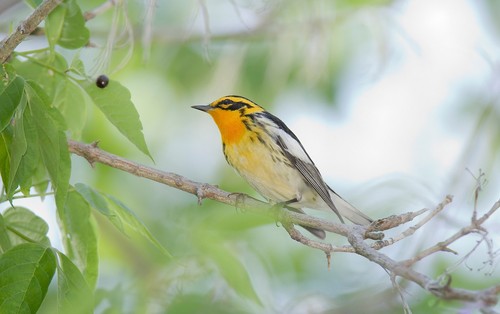
Blackburnian Warbler
11-13 cm (4.3-5.1 in) long, 20-22 cm wingspan
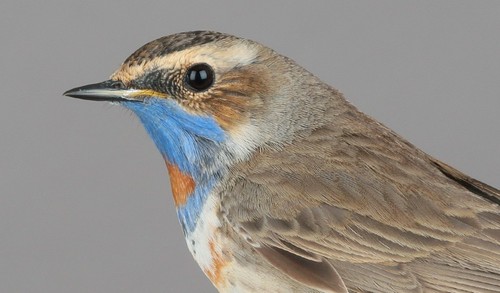
Bluethroat
13-14 cm (5.1-5.5 in) long, 20-22 cm wingspan
Eurasian Nuthatch
12-14.5 cm (4.7-5.7 in) long, 22.5-27 cm wingspan
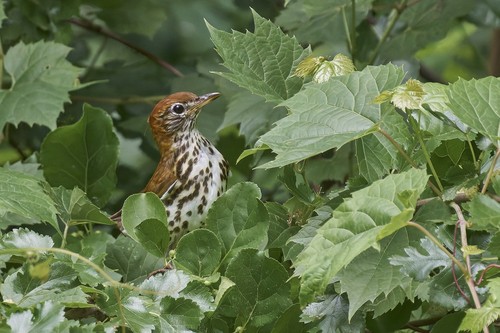
Wood Thrush
19-21 cm (7.5-8.3 in) long, about 33 cm (13 in) wingspan