
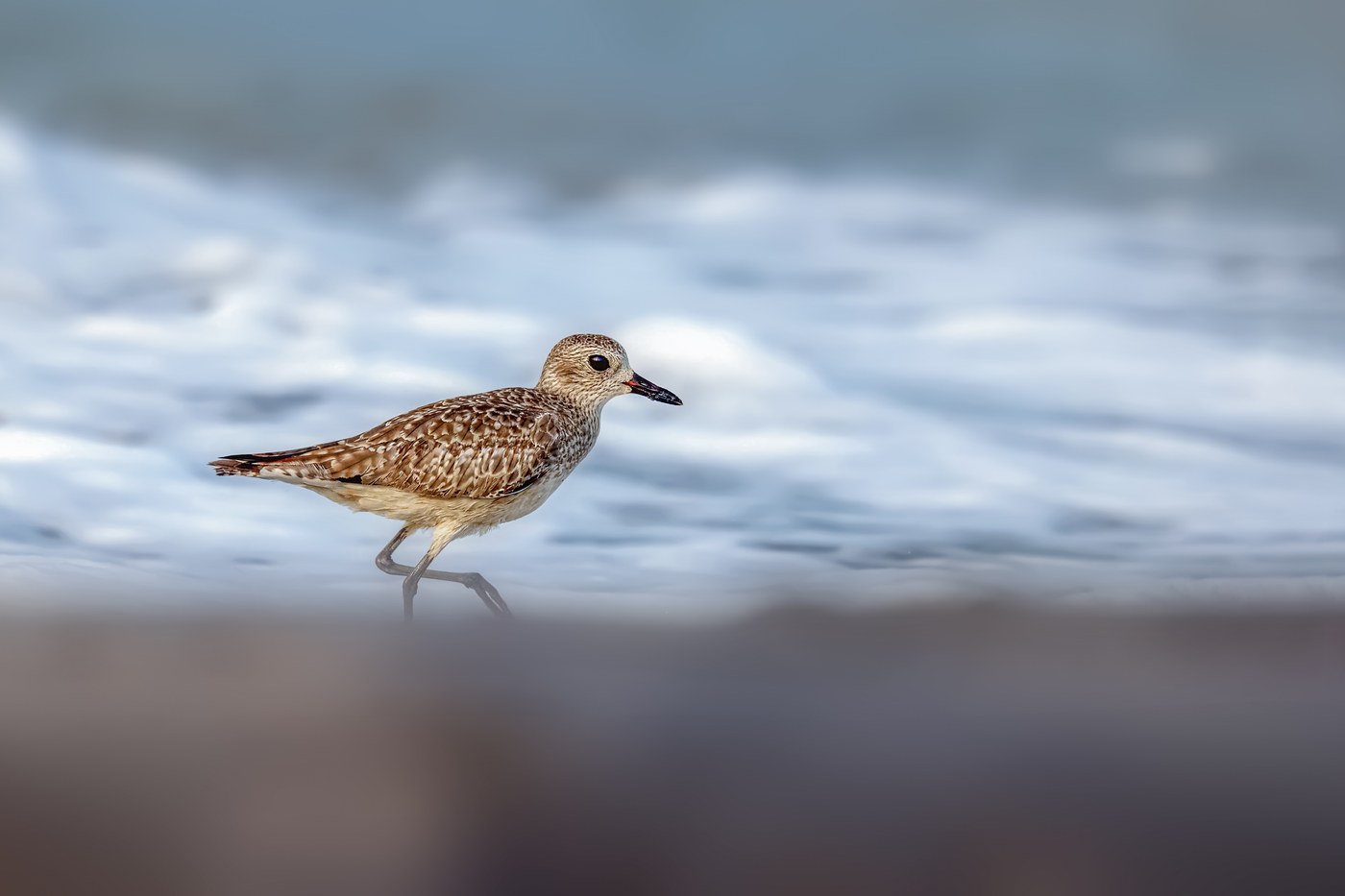
Black-bellied Plover
Pluvialis squatarola
A large, robust plover known as the Grey Plover in the Old World, striking in breeding plumage with a black face and belly and diagnostic black "wingpits" in flight.
- Size
- 27-32 cm (10.5-12.5 in) long, 71-83 cm wingspan
- Habitat
- Arctic tundra (breeding); coastal mudflats, beaches, and estuaries (non-breeding)
- Type
- shorebird
Spotted a bird like this?
Identify any bird from a photo, free.
Overview
The Black-bellied Plover (called Grey Plover outside North America) is the largest and bulkiest of the true plovers. In breeding plumage it is strikingly patterned, with a jet-black face, throat, and belly bordered by a broad white band running from the forehead down the sides of the neck to the flanks, set off against silvery, spangled black-and-white upperparts.
Outside the breeding season it becomes far plainer, with mottled gray-brown upperparts and pale, lightly streaked underparts, making it easy to overlook among mixed shorebird flocks.
It has a nearly worldwide coastal distribution outside the breeding season, being one of the most cosmopolitan of all shorebirds.
How to identify it
Key field marks
- Large, heavy-bodied plover with a short, stout black bill
- Breeding: black face, throat, and belly bordered by white; spangled silver-gray upperparts
- Non-breeding: plain mottled gray-brown above, whitish below
- Black axillaries ("wingpits") visible in flight at all seasons—the single best field mark
- Prominent white wing stripe and white rump/tail in flight
Similar species
- American, Pacific, and European Golden-Plovers are slimmer, more upright, and show gray or white (not black) axillaries and no white wing stripe.
- Non-breeding birds can resemble other large gray plovers but are distinguished by the black axillary patch in flight.
Habitat & range
Black-bellied Plovers breed on high Arctic tundra across northern North America and Eurasia. Outside the breeding season they winter on coastal mudflats, sandy beaches, and estuaries on nearly every continent, from temperate to tropical latitudes, making them one of the most widely distributed shorebirds in the world.
They undertake long migrations between Arctic breeding grounds and wintering coastlines that can span from the Americas to Africa, Asia, and Australia.
Behavior & voice
Voice
A mournful, three-note whistled call, often rendered tlee-oo-ee or pee-oo-wee, frequently heard from flocks on mudflats or in flight.
Feeding
Forages with the classic plover run-stop-peck technique, taking marine worms, small mollusks, and crustaceans from mud and sand; on tundra breeding grounds it also eats insects and some plant material.
Nesting
Nests in a shallow scrape on open tundra, often on slightly elevated, well-drained ground. Both sexes incubate, and adults defend the nest vigorously against Arctic predators such as foxes and jaegers.
Frequently asked questions
Why is it also called the Grey Plover?
Outside North America the species is known as the Grey Plover, reflecting its plain gray non-breeding plumage; in North America it is named for its striking black breeding belly.
How do you tell it apart from golden-plovers?
In flight, Black-bellied Plovers show black axillaries (wingpits) and a white wing stripe, while golden-plovers show gray or white axillaries and lack the wing stripe.
Where does the Black-bellied Plover breed?
On high Arctic tundra across northern North America and Eurasia, far from its coastal wintering grounds.
What does a Black-bellied Plover eat?
Mainly marine worms, small mollusks, and crustaceans on coastal mudflats, plus insects on its tundra breeding grounds.
Black-bellied Plover guides
In-depth guides for identifying, finding, and understanding Black-bellied Plover.
Other birds you may enjoy
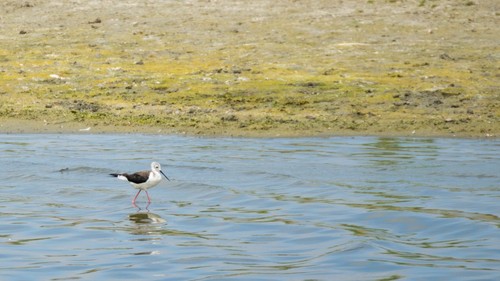
Black-winged Stilt
33-36 cm (13-14 in) long, wingspan 67-83 cm
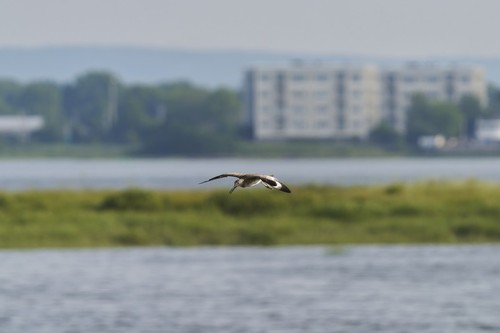
Willet
33-41 cm (13-16 in) long, 65-70 cm wingspan
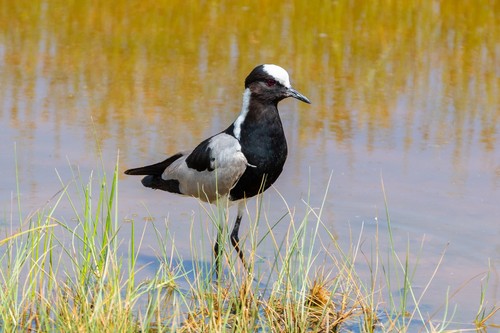
Blacksmith Lapwing
Body length about 30 cm; wingspan 55-65 cm
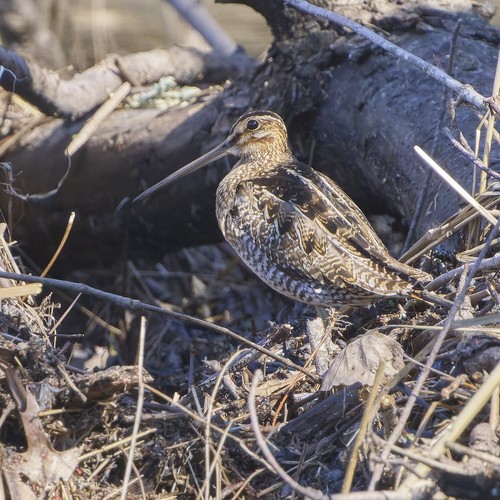
Wilson's Snipe
25-30 cm (10-12 in) long, 39-45 cm wingspan
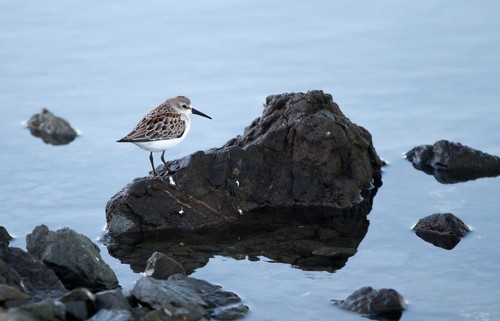
Western Sandpiper
14-17 cm (5.5-6.7 in) long, 28-37 cm wingspan
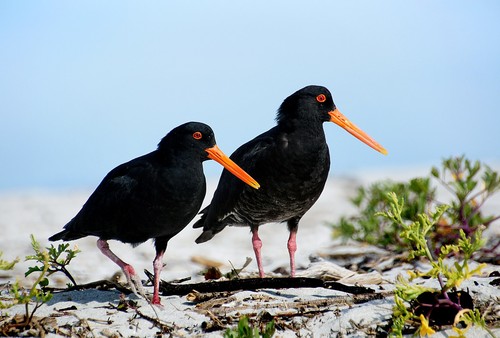
Variable Oystercatcher
46-49 cm (18-19 in) long
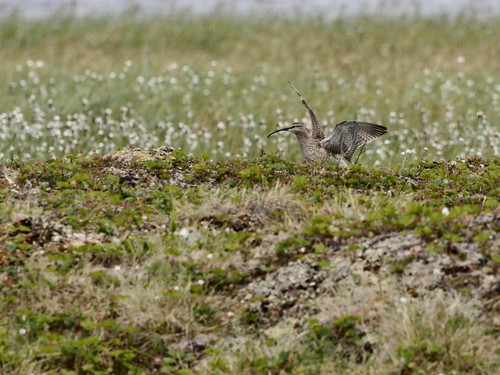
Whimbrel
40-46 cm (16-18 in) long, 76-89 cm wingspan
Wilson's Phalarope
22-24 cm (8.5-9.5 in) long, 37-43 cm wingspan
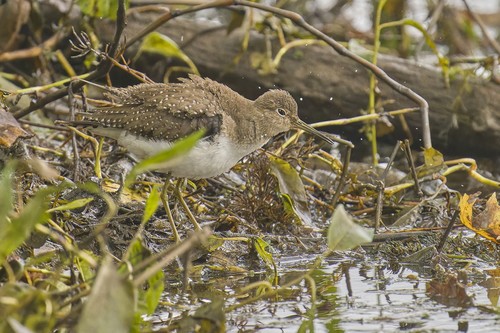
Solitary Sandpiper
19-23 cm (7.5-9 in) long, 50-56 cm wingspan
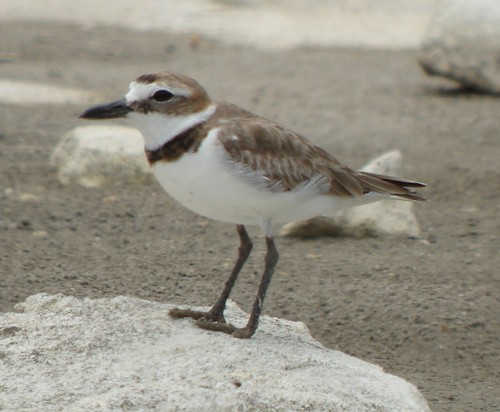
Wilson's Plover
17-19 cm (6.7-7.5 in) long, 45-50 cm wingspan
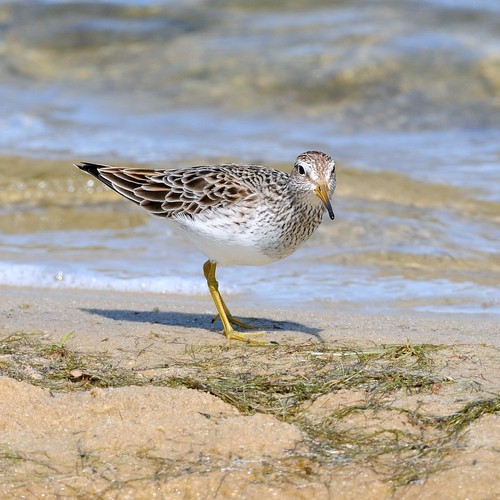
Pectoral Sandpiper
19-23 cm (7.5-9 in) long, 43-49 cm wingspan
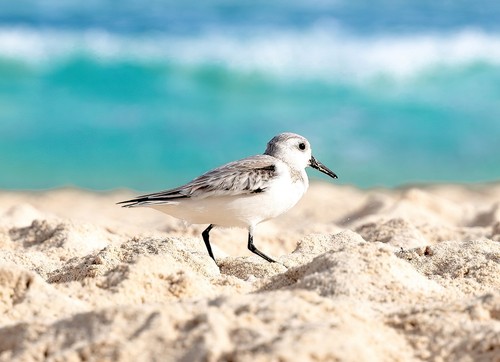
Sanderling
18-20 cm (7-8 in) long, 40-43 cm wingspan