
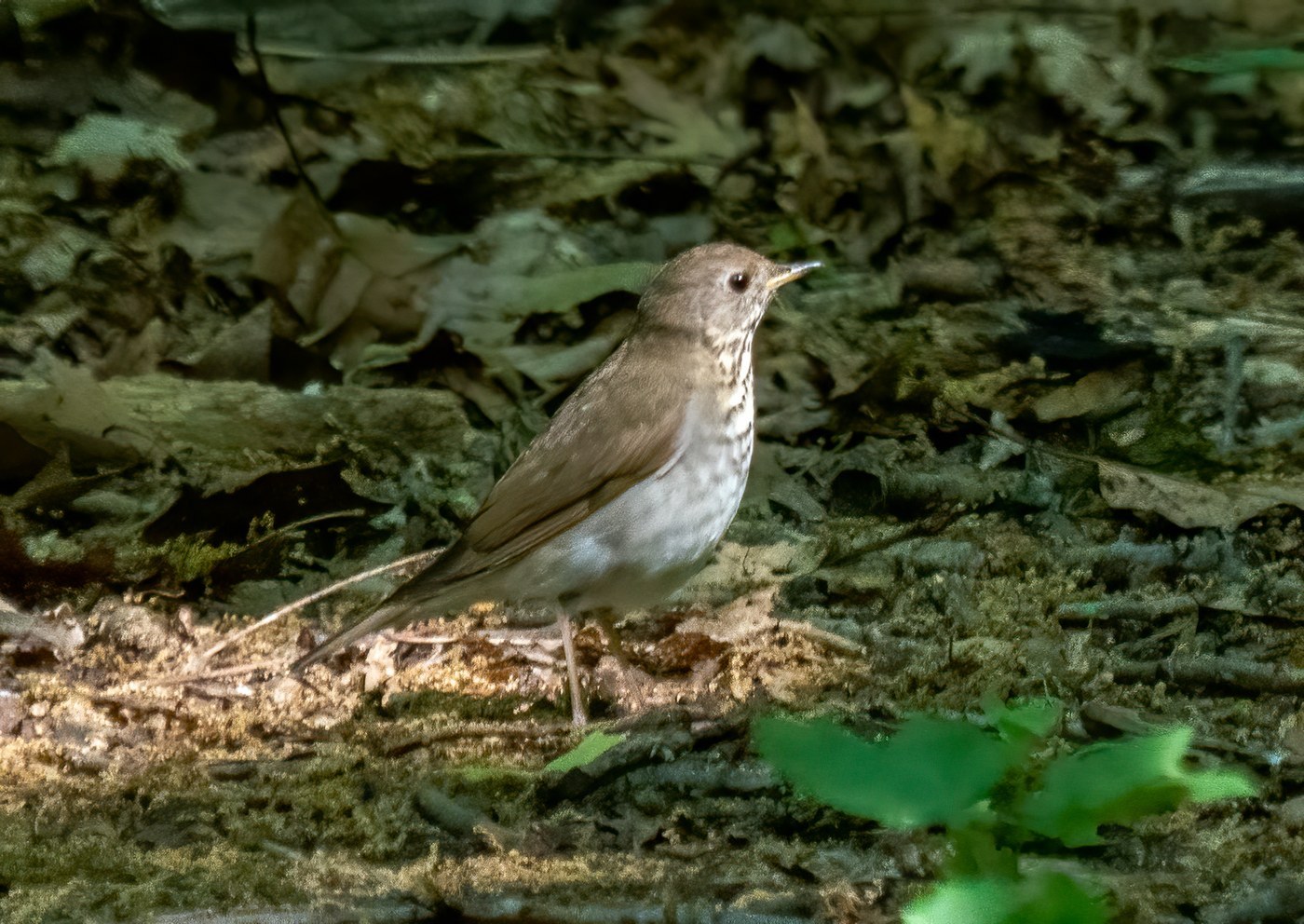
Bicknell's Thrush
Catharus bicknelli
A rare, high-elevation thrush of northeastern mountaintop spruce forests, nearly identical to Gray-cheeked Thrush but with a much smaller, more threatened range.
- Size
- 16-18 cm (6.3-7 in) long
- Habitat
- high-elevation montane spruce-fir forest for breeding; forest in the Caribbean during winter
- Type
- songbird
Spotted a bird like this?
Identify any bird from a photo, free.
Overview
Bicknell's Thrush is one of North America's rarest and most range-restricted breeding songbirds, nesting almost exclusively in dense, stunted spruce-fir forest on mountaintops in the northeastern United States and adjacent Canada. It was only recognized as a species distinct from the Gray-cheeked Thrush in the early 1990s, and the two remain extremely difficult to tell apart in the field.
Compared to Gray-cheeked Thrush, Bicknell's is slightly smaller and shows warmer brown tones, with somewhat more contrast between a reddish-brown tail and the duller back, plus a hint of yellow at the base of the lower bill.
How to identify it
Key field marks
- Small, compact Catharus thrush
- Warm brown upperparts with a reddish-brown tail showing modest contrast with the back
- Faint grayish eyering
- Yellowish base to the lower mandible (variable)
Similar species
- Gray-cheeked Thrush: essentially identical in the field; slightly larger, colder gray-brown with less tail-back contrast, and breeds in subarctic taiga rather than montane spruce forest. Voice and precise location/elevation are the most reliable clues.
- Swainson's Thrush: buffy face and eyering, unlike Bicknell's grayer face.
Habitat & range
Habitat
Bicknell's Thrush is a habitat specialist of dense, stunted, high-elevation spruce-fir forest, generally found only above roughly 900 m (3,000 ft) on mountains, often in areas subject to fir waves and dense regenerating growth.
Range
The breeding range is tiny and fragmented, limited to mountaintops in the northeastern United States (White Mountains of New Hampshire, Green Mountains of Vermont, Adirondacks of New York, parts of Maine) and adjacent Quebec and the Maritime provinces of Canada. It winters almost entirely on a few Caribbean islands, especially Hispaniola.
Migration
Bicknell's Thrush is a medium-distance migrant, but its extremely narrow wintering range concentrated in Caribbean montane forest, combined with ongoing deforestation there, makes it especially vulnerable to habitat loss on both ends of its migration.
Behavior & voice
Behavior
Bicknell's Thrushes forage on and near the ground within dense montane forest, taking insects and other invertebrates along with fruit, and are notoriously secretive and difficult to observe well even where present.
Voice
The song is very similar to Gray-cheeked Thrush's thin, downward-spiraling phrases, but often described as slightly more variable and complex; the flight call also closely resembles that of Gray-cheeked Thrush, making voice alone an imperfect distinguishing tool.
Nesting
Nests are built low in dense spruce or fir saplings within the stunted montane forest, constructed as compact cups of twigs and moss. Females lay 3-4 pale blue eggs, and the species' restricted breeding and wintering habitats make it a species of significant conservation concern.
Frequently asked questions
Is Bicknell's Thrush endangered?
It is classified as Vulnerable due to its extremely small, fragmented breeding range on northeastern mountaintops and its concentrated, threatened wintering range in Caribbean montane forest.
How is Bicknell's Thrush different from Gray-cheeked Thrush?
They are nearly identical; Bicknell's is slightly smaller and warmer brown with a bit more contrast between the tail and back, and it breeds in montane spruce-fir forest in the Northeast rather than subarctic taiga farther north.
Where does Bicknell's Thrush breed?
It breeds only in high-elevation, stunted spruce-fir forest on mountaintops in the northeastern US and adjacent Canada, including the White Mountains, Green Mountains, and Adirondacks.
Where does Bicknell's Thrush winter?
It winters almost entirely in the Caribbean, especially in the mountain forests of Hispaniola.
Bicknell's Thrush guides
In-depth guides for identifying, finding, and understanding Bicknell's Thrush.
Other birds you may enjoy
Black Redstart
13-14.5 cm (5.1-5.7 in) long, 23-26 cm wingspan
Black-throated Sparrow
12-14 cm (4.7-5.5 in) long, about 19-20 cm (7.5-8 in) wingspan
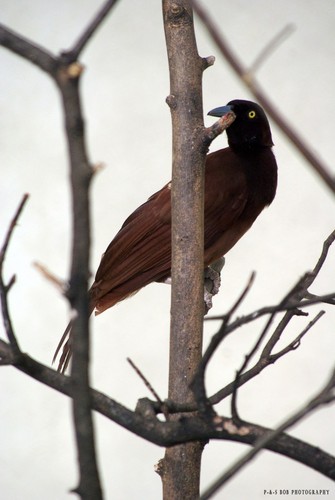
Greater Bird-of-paradise
Body about 43 cm; males with additional flank plumes up to 50 cm and long tail wires
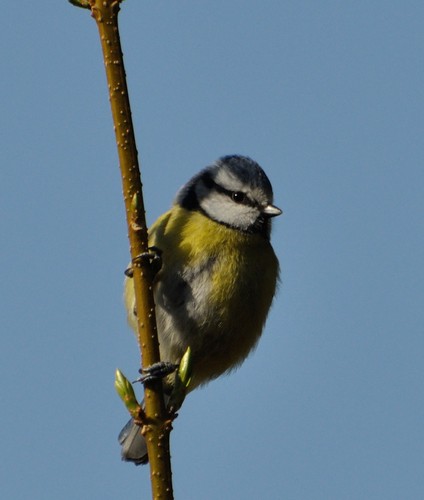
Blue Tit
11-12 cm (4.3-4.7 in) long, 17-20 cm wingspan
Red-billed Quelea
11.5–13 cm long, wingspan about 20–22 cm
White-plumed Antbird
13-14 cm (5-5.5 in) long
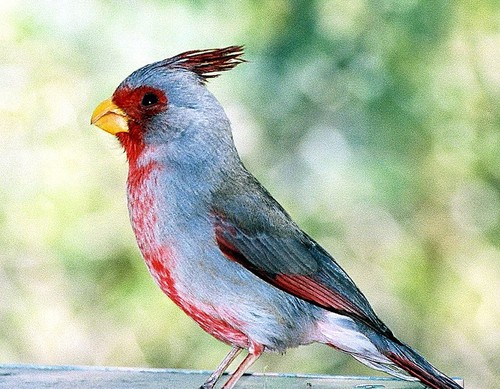
Pyrrhuloxia
19-22 cm (7.5-8.7 in) long, 30 cm wingspan
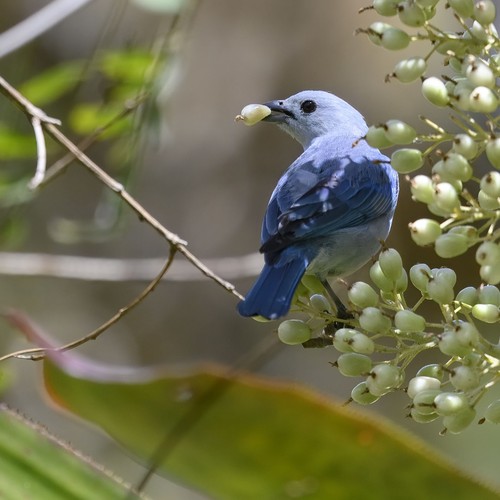
Blue-gray Tanager
16-18 cm (6-7 in) long
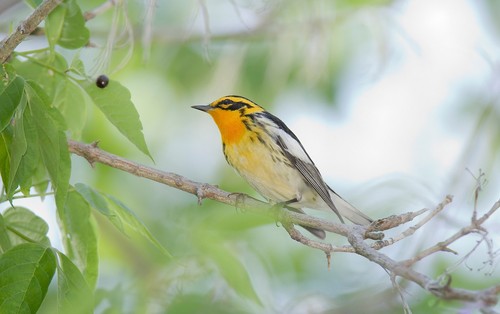
Blackburnian Warbler
11-13 cm (4.3-5.1 in) long, 20-22 cm wingspan
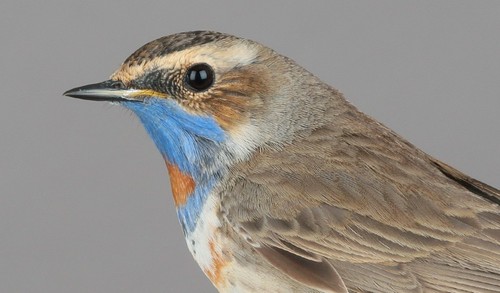
Bluethroat
13-14 cm (5.1-5.5 in) long, 20-22 cm wingspan
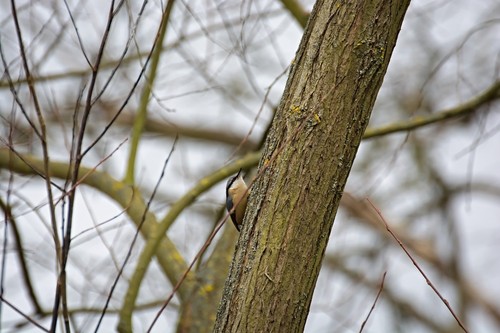
Eurasian Nuthatch
12-14.5 cm (4.7-5.7 in) long, 22.5-27 cm wingspan
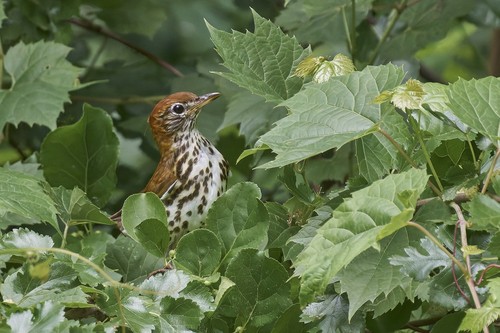
Wood Thrush
19-21 cm (7.5-8.3 in) long, about 33 cm (13 in) wingspan