
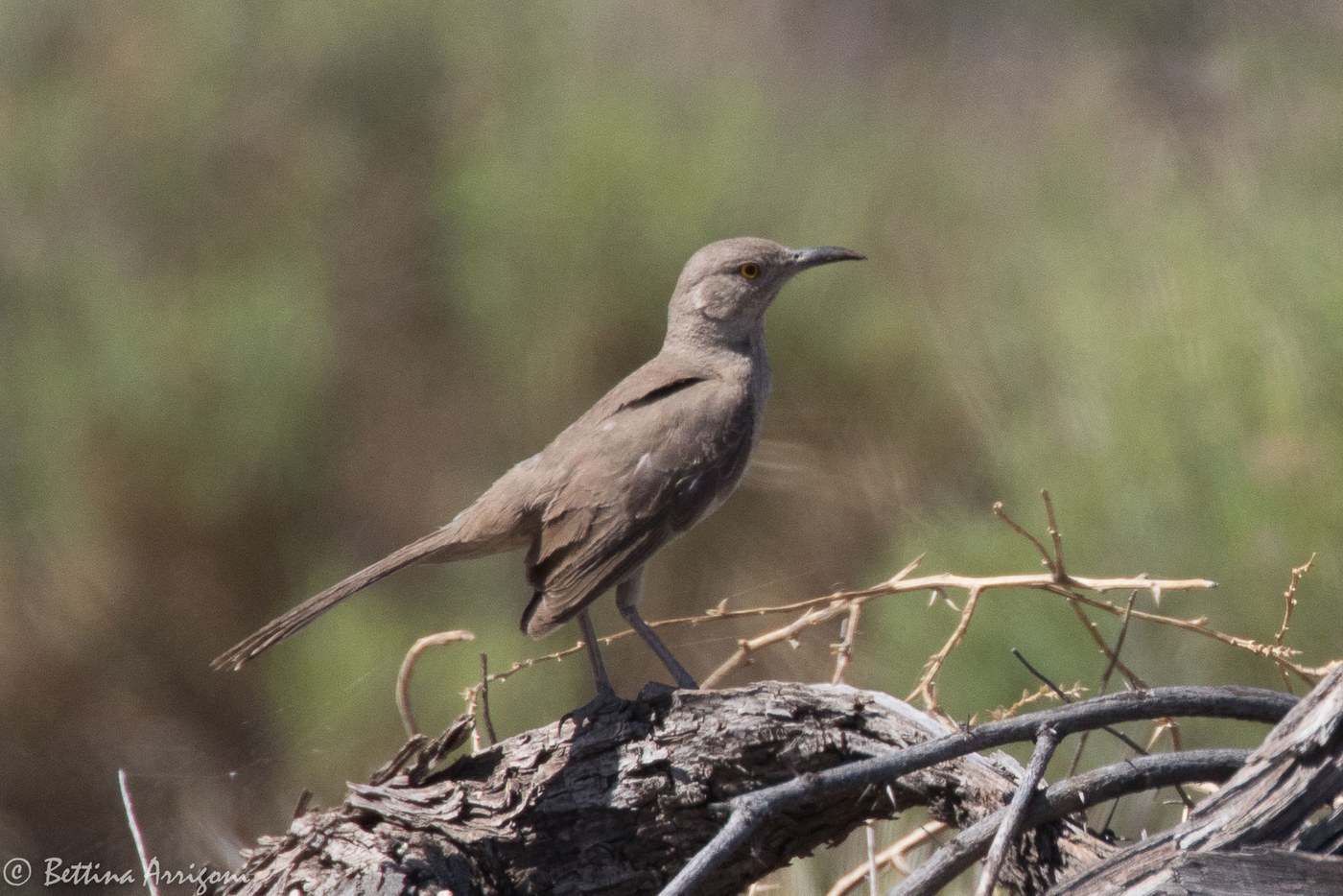
Bendire's Thrasher
Toxostoma bendirei
A pale-eyed desert thrasher with a shorter, straighter bill than its relatives, and distinct arrowhead-shaped breast spots.
- Size
- 24-26 cm (9.5-10 in) long
- Habitat
- desert grassland and scrub with scattered cactus and yucca
- Type
- songbird
Spotted a bird like this?
Identify any bird from a photo, free.
Overview
Bendire's Thrasher is one of the least common and less conspicuous thrashers of the southwestern deserts, closely resembling the more familiar Curve-billed Thrasher but differing in subtle but useful ways. It favors open desert grassland with scattered cactus and yucca rather than the denser cactus stands preferred by Curve-billed Thrasher.
Plumage is grayish-brown overall, with pale yellowish eyes and a shorter, straighter bill than most other thrashers, plus small, neat, arrowhead-shaped spots forming rows across the breast.
How to identify it
Key field marks
- Shorter, straighter bill than Curve-billed Thrasher
- Pale yellowish eyes
- Small, distinct, arrowhead-shaped breast spots arranged in rows
- Grayish-brown upperparts
Similar species
Curve-billed Thrasher has a longer, more strongly downcurved bill, orange-red eyes, and fainter, more diffuse breast spotting. Sage Thrasher is smaller with heavier, bolder overall streaking and bright yellow eyes. Careful attention to bill shape and eye color separates Bendire's from its similar relatives.
Habitat & range
Habitat
Bendire's Thrashers favor open desert grassland and scrub with scattered cactus, yucca, and mesquite, generally more open habitat than the dense cactus stands used by Curve-billed Thrasher.
Range
The species breeds in the southwestern United States, primarily in Arizona with smaller numbers in adjacent New Mexico, southeastern California, and southern Nevada, extending into northern Mexico.
Migration
Bendire's Thrashers are largely resident, though some populations may shift locally or withdraw somewhat in winter, and the species' overall range and numbers appear to be contracting in parts of its distribution.
Behavior & voice
Behavior
Bendire's Thrashers forage on the ground, probing soil and leaf litter for insects, and also eat seeds and berries; they tend to be somewhat less bold and conspicuous than Curve-billed Thrasher.
Voice
The song is a long, warbling series of musical phrases, generally softer and less harsh than some other thrasher songs; the call is a distinctive low "chuck" or soft whistled note.
Nesting
Nests are built low in cactus, yucca, or thorny shrubs, constructed as a compact cup. Females lay 2-4 pale blue-green eggs, typically with fine speckling.
Frequently asked questions
How do you tell Bendire's Thrasher from Curve-billed Thrasher?
Bendire's has a shorter, straighter bill, paler yellowish eyes, and small, distinct arrowhead-shaped breast spots, while Curve-billed has a longer, more strongly curved bill, orange-red eyes, and fainter, more diffuse spotting.
Is Bendire's Thrasher rare?
It is uncommon and classified as Near Threatened, with a relatively small and somewhat declining population concentrated mainly in Arizona.
Where does Bendire's Thrasher live?
It lives in open desert grassland and scrub with scattered cactus and yucca in the southwestern United States, mainly Arizona, and northern Mexico.
What does Bendire's Thrasher eat?
It eats insects found by foraging on the ground, along with seeds and berries.
Bendire's Thrasher guides
In-depth guides for identifying, finding, and understanding Bendire's Thrasher.
Other birds you may enjoy
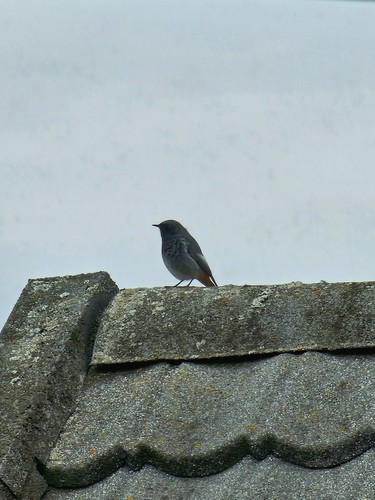
Black Redstart
13-14.5 cm (5.1-5.7 in) long, 23-26 cm wingspan
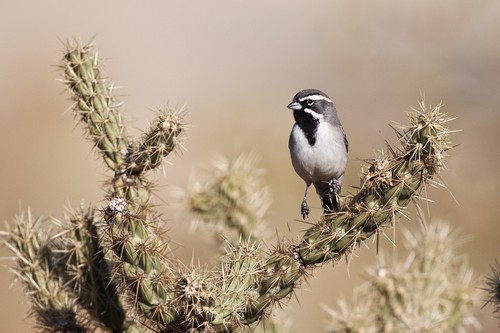
Black-throated Sparrow
12-14 cm (4.7-5.5 in) long, about 19-20 cm (7.5-8 in) wingspan
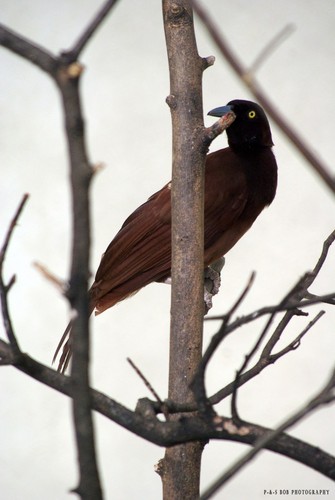
Greater Bird-of-paradise
Body about 43 cm; males with additional flank plumes up to 50 cm and long tail wires
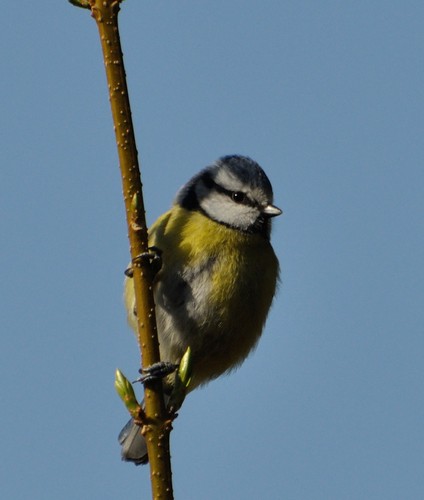
Blue Tit
11-12 cm (4.3-4.7 in) long, 17-20 cm wingspan
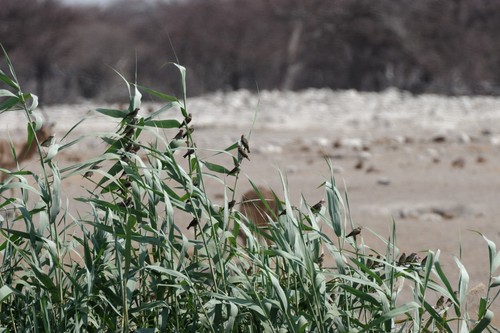
Red-billed Quelea
11.5–13 cm long, wingspan about 20–22 cm
White-plumed Antbird
13-14 cm (5-5.5 in) long
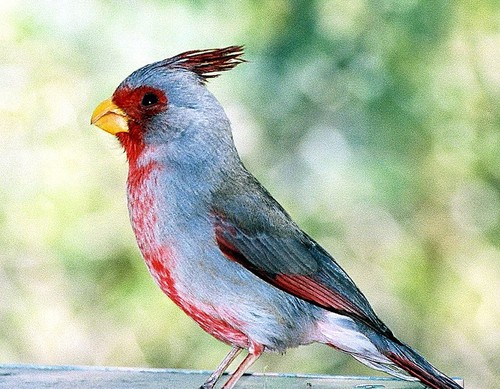
Pyrrhuloxia
19-22 cm (7.5-8.7 in) long, 30 cm wingspan
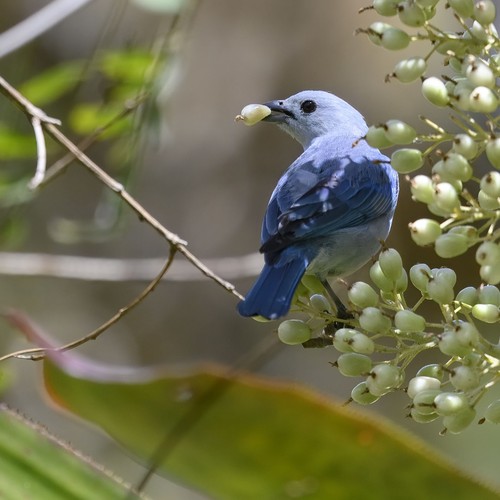
Blue-gray Tanager
16-18 cm (6-7 in) long
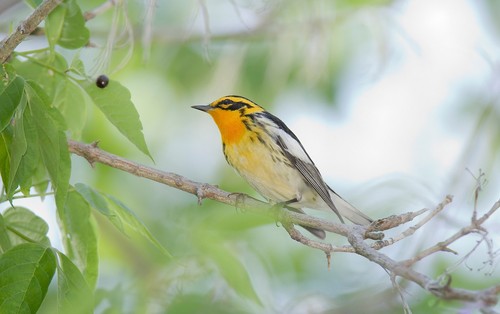
Blackburnian Warbler
11-13 cm (4.3-5.1 in) long, 20-22 cm wingspan
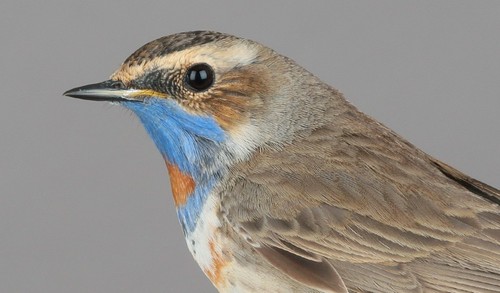
Bluethroat
13-14 cm (5.1-5.5 in) long, 20-22 cm wingspan
Eurasian Nuthatch
12-14.5 cm (4.7-5.7 in) long, 22.5-27 cm wingspan
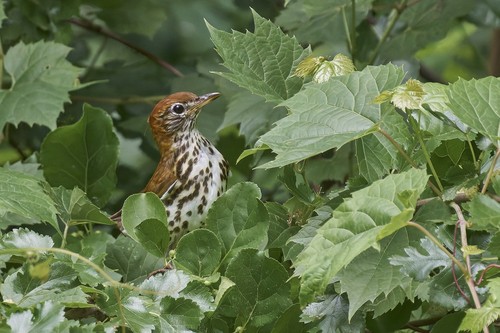
Wood Thrush
19-21 cm (7.5-8.3 in) long, about 33 cm (13 in) wingspan