
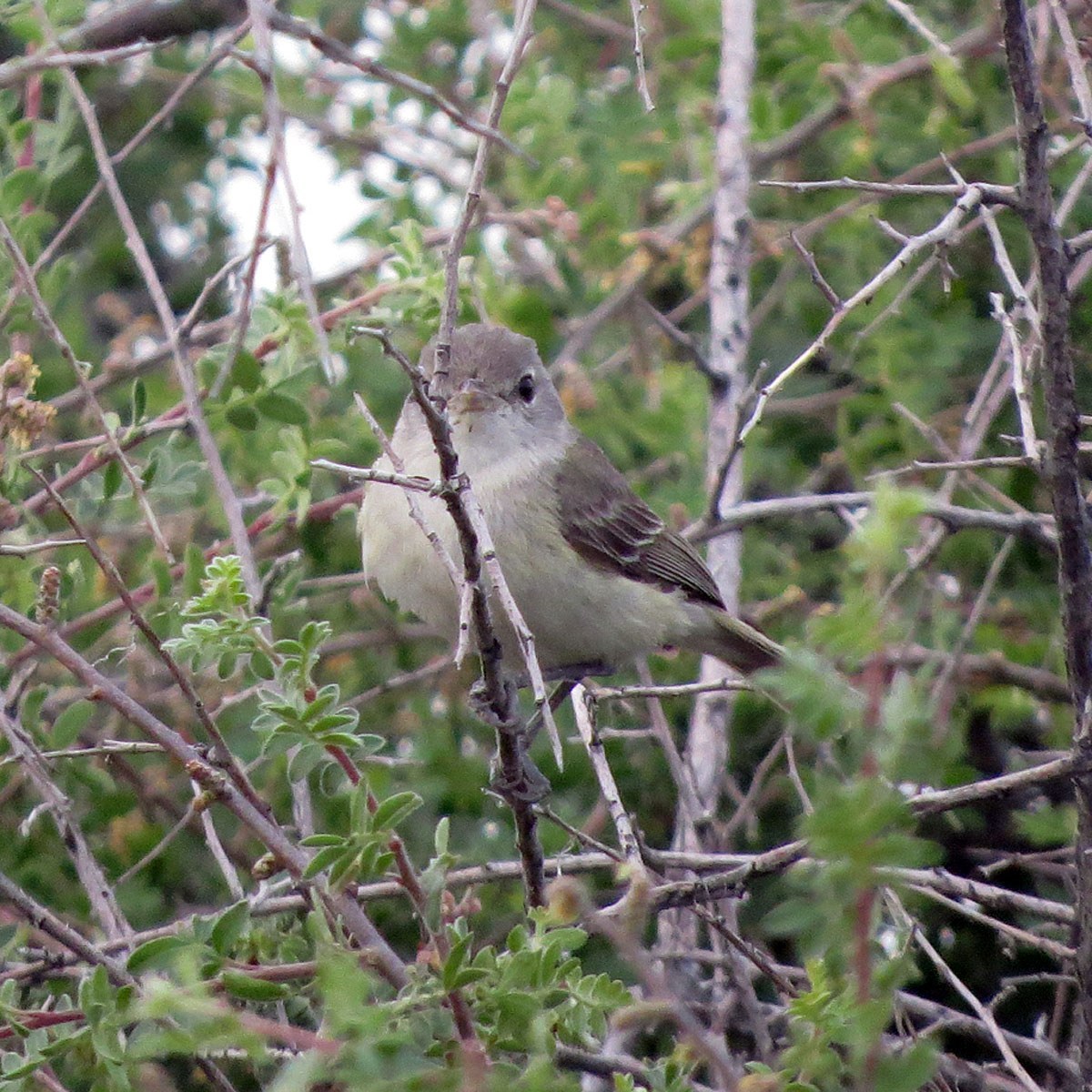
Bell's Vireo
Vireo bellii
A small, drab, hyperactive vireo of dense willow and mesquite thickets, known for its fast, chattering, question-and-answer song.
- Size
- 11-12 cm (4.5 in) long, 17-19 cm wingspan
- Habitat
- dense riparian shrub thickets, willow stands, and mesquite in the central and southwestern US
- Type
- songbird
Spotted a bird like this?
Identify any bird from a photo, free.
Overview
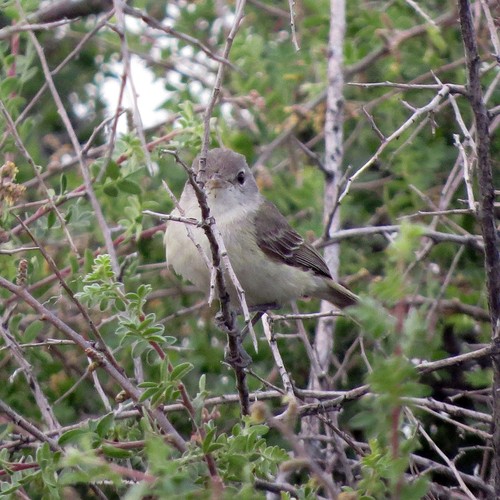
Bell's Vireo is a small, plain, energetic bird of dense riparian shrub habitat, appearing grayish-olive above and pale whitish-yellow below, with faint spectacles and one or two indistinct wing bars—subtle enough that plumage alone is rarely diagnostic. Coloring varies across its range, with western populations grayer and eastern populations showing more yellow-green.
It is a notorious skulker, staying low and hidden in dense willow, mesquite, and other shrubby tangles, and is usually detected first by its fast, chattering song rather than by sight. One subspecies, the "Least Bell's Vireo" of California, suffered severe population declines from habitat loss and cowbird parasitism and remains a species of significant conservation concern in that region even as the species overall is not threatened.
How to identify it
Key field marks
- Small size, drab grayish-olive to yellowish-olive plumage
- Faint spectacles, one or two indistinct white wing bars
- Dark eye, fairly plain face
Similar species
- White-eyed Vireo: bolder yellow spectacles, pale iris, brighter overall.
- Warbling Vireo: larger, plainer face without wing bars, different habitat (canopy vs. dense low thickets).
- Ruby-crowned Kinglet: constantly flicks its wings, has a thinner bill, and lacks the vireo's more deliberate foraging style.
Habitat & range
Range and habitat
Bell's Vireo breeds across the central and southwestern United States and northern Mexico, strongly tied to dense riparian shrub thickets—willow, mesquite, and other low, tangled vegetation along streams and washes.
Migration
Migrates to winter in Mexico and Central America. The California population ("Least Bell's Vireo") has been the focus of intensive habitat restoration efforts due to historic riparian habitat loss.
Behavior & voice
Behavior
Stays low and largely hidden within dense shrub thickets, foraging actively but rarely venturing into the open; often detected by voice before it is seen.
Voice
A fast, scratchy, chattering song delivered in a rising-and-falling question-and-answer pattern, often rendered as "cheedle cheedle chee? cheedle cheedle chew!"
Feeding
Mostly insects and spiders gleaned from dense foliage close to the ground.
Nesting and breeding
Builds a hanging cup nest low in a shrub, typically less than 2 m off the ground. The female incubates 3-4 eggs for about 2 weeks; nests are frequently parasitized by Brown-headed Cowbirds.
Frequently asked questions
What does a Bell's Vireo sound like?
It gives a fast, scratchy, chattering song that sounds like it is asking and answering a question, often written as 'cheedle cheedle chee? cheedle cheedle chew!'
Where does Bell's Vireo live?
In dense riparian shrub thickets—willow, mesquite, and similar tangled vegetation—across the central and southwestern United States.
Is Bell's Vireo endangered?
The species overall is not threatened, but the California subspecies known as the Least Bell's Vireo suffered severe declines from habitat loss and cowbird parasitism and remains a serious conservation concern in that state.
How do you identify a Bell's Vireo?
It is small, drab, and plain—grayish-olive to yellowish above and pale below—with faint spectacles and one or two weak wing bars; it's often easier to identify by its distinctive chattering song than by sight.
Bell's Vireo guides
In-depth guides for identifying, finding, and understanding Bell's Vireo.
Other birds you may enjoy
Black Redstart
13-14.5 cm (5.1-5.7 in) long, 23-26 cm wingspan
Black-throated Sparrow
12-14 cm (4.7-5.5 in) long, about 19-20 cm (7.5-8 in) wingspan
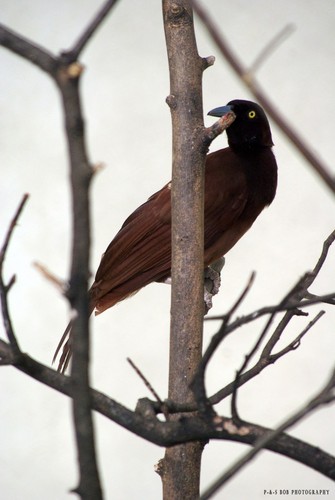
Greater Bird-of-paradise
Body about 43 cm; males with additional flank plumes up to 50 cm and long tail wires
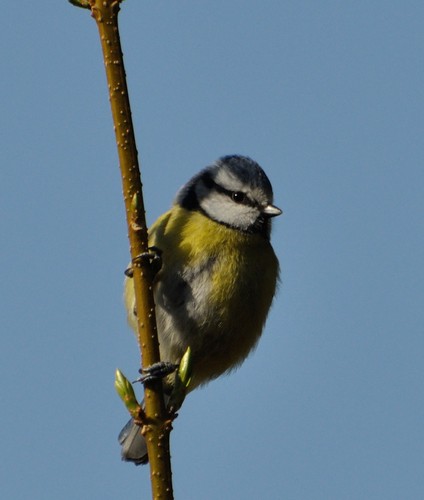
Blue Tit
11-12 cm (4.3-4.7 in) long, 17-20 cm wingspan
Red-billed Quelea
11.5–13 cm long, wingspan about 20–22 cm
White-plumed Antbird
13-14 cm (5-5.5 in) long
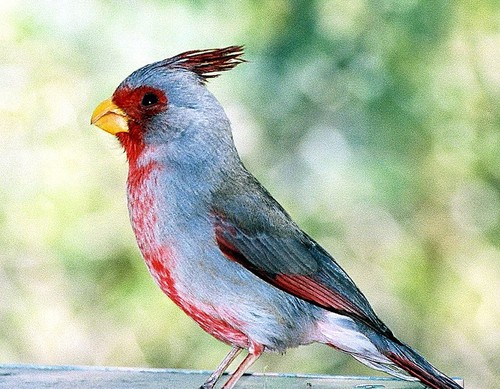
Pyrrhuloxia
19-22 cm (7.5-8.7 in) long, 30 cm wingspan
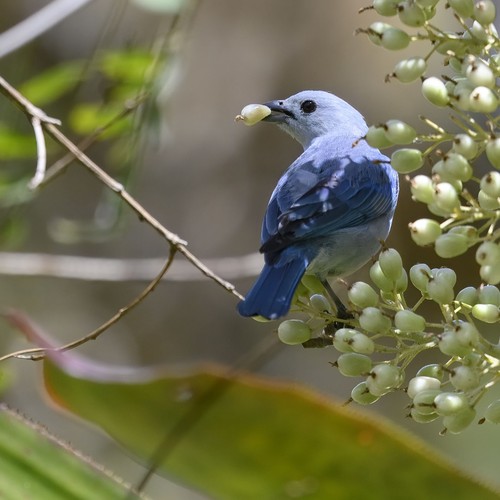
Blue-gray Tanager
16-18 cm (6-7 in) long
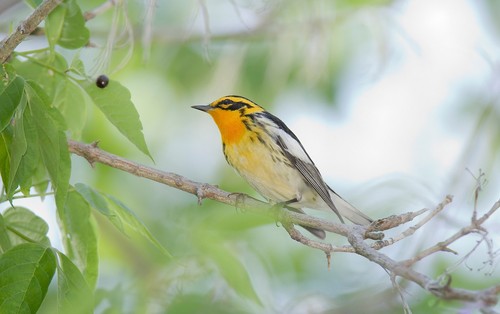
Blackburnian Warbler
11-13 cm (4.3-5.1 in) long, 20-22 cm wingspan
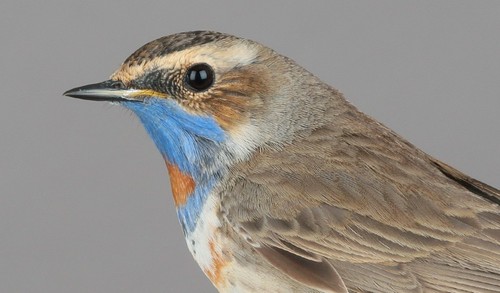
Bluethroat
13-14 cm (5.1-5.5 in) long, 20-22 cm wingspan
Eurasian Nuthatch
12-14.5 cm (4.7-5.7 in) long, 22.5-27 cm wingspan
Wood Thrush
19-21 cm (7.5-8.3 in) long, about 33 cm (13 in) wingspan