
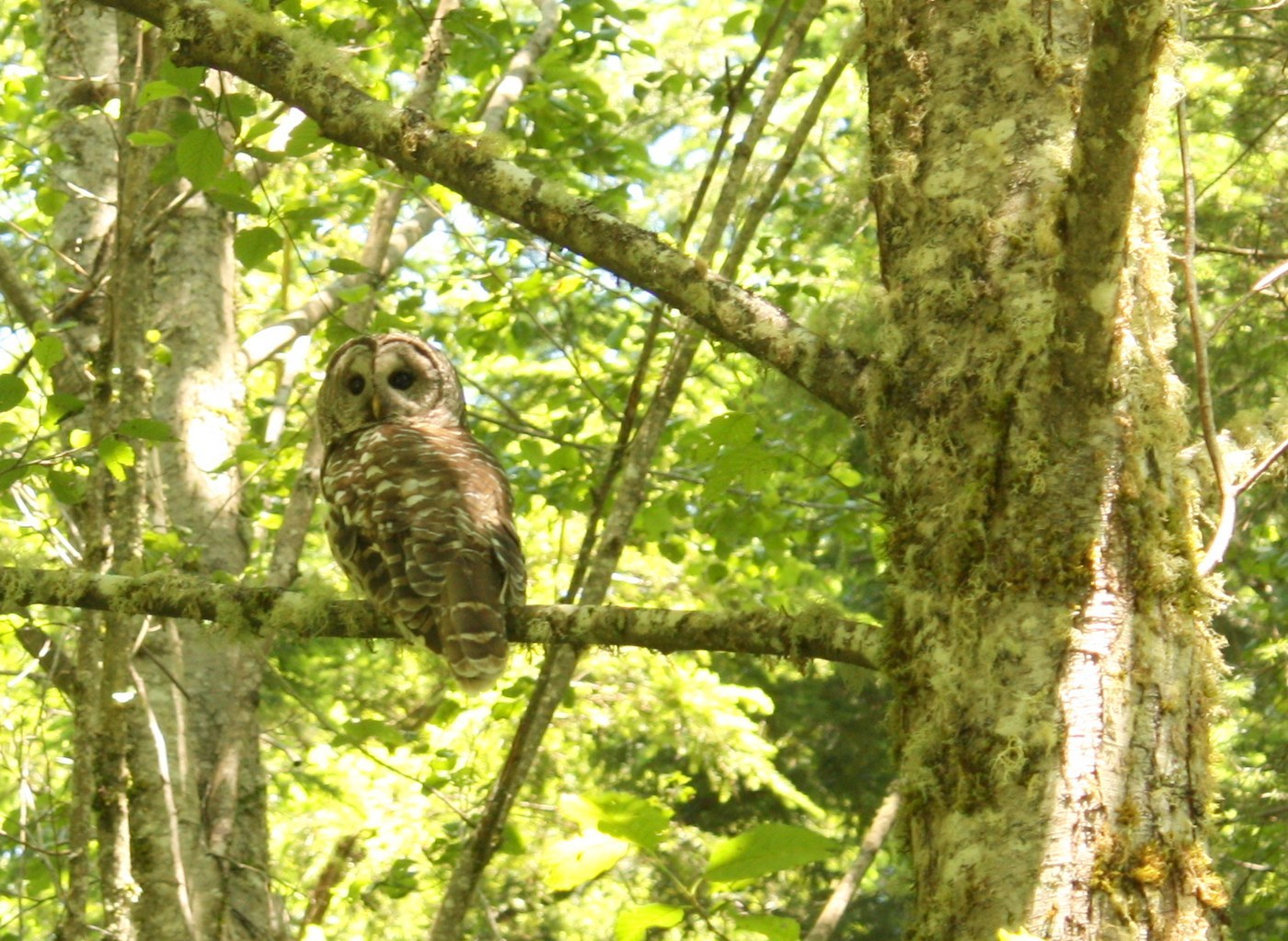
Barred Owl
Strix varia
A large, dark-eyed forest owl known for its distinctive 'who-cooks-for-you' call and vertically streaked belly.
- Size
- 43-50 cm (17-20 in) long, 96-125 cm (38-49 in) wingspan
- Habitat
- mature forests, swamps, and riparian woodlands
- Type
- owl
Spotted a bird like this?
Identify any bird from a photo, free.
Overview
The Barred Owl is a large, round-headed owl without ear tufts, easily recognized by its dark brown eyes (most North American owls have yellow eyes), and a plumage pattern of horizontal barring across the upper breast that transitions to vertical brown streaking on the belly. Its overall grayish-brown, mottled plumage helps it blend seamlessly into the mature forest canopy it favors.
This owl is best known for its distinctive, rhythmic call, often phonetically rendered as "who cooks for you, who cooks for you all," one of the most recognizable owl vocalizations in North America.
How to identify it
Key Field Marks
- Large, round head with no ear tufts
- Dark brown (not yellow) eyes, distinctive among large North American owls
- Horizontal barring across the upper chest transitioning to vertical streaking on the belly
- Mottled grayish-brown overall plumage
Similar Species
- Great Horned Owl: has prominent ear tufts and yellow eyes, easily distinguishing it from the Barred Owl.
- Spotted Owl: closely related and similar in shape, but shows spotting rather than streaking on the underparts and is found in old-growth forests of the West; the two species can hybridize where ranges overlap.
Habitat & range
Range
Barred Owls are found throughout much of eastern North America, and have expanded significantly westward through Canada into the Pacific Northwest and California over the past century, an expansion of conservation concern for the closely related Spotted Owl.
Habitat
They favor mature forests, especially those with a mix of deciduous and coniferous trees, along with wooded swamps and riparian corridors, requiring large trees with cavities for nesting.
Behavior & voice
Voice
The classic call, "who cooks for you, who cooks for you all," is an eight-note hooting phrase, but Barred Owls also produce a wide range of other calls, including loud caterwauling and gurgling sounds, especially when a pair duets or interacts with other owls.
Hunting
They hunt mainly at night from a perch, dropping down on small mammals, birds, amphibians, and even crayfish or fish caught at the water's edge, using silent flight to approach prey undetected.
Nesting
Barred Owls nest in large tree cavities or old stick nests built by other large birds, typically laying two to three eggs, and are known for strong site fidelity, often using the same territory for many years.
Frequently asked questions
What does the Barred Owl's call sound like?
Its classic call is often described as sounding like "who cooks for you, who cooks for you all," a rhythmic eight-note hooting phrase.
How can you tell a Barred Owl from a Great Horned Owl?
The Barred Owl has no ear tufts and dark brown eyes, while the Great Horned Owl has prominent ear tufts and yellow eyes.
Why is the Barred Owl's range expansion a concern?
As Barred Owls have expanded into the Pacific Northwest, they compete with and sometimes displace or hybridize with the closely related, more habitat-specialized Spotted Owl.
What do Barred Owls eat?
A broad diet of small mammals, birds, amphibians, and invertebrates such as crayfish, reflecting their adaptability to wooded and wetland habitats.
Barred Owl guides
In-depth guides for identifying, finding, and understanding Barred Owl.
Other birds you may enjoy
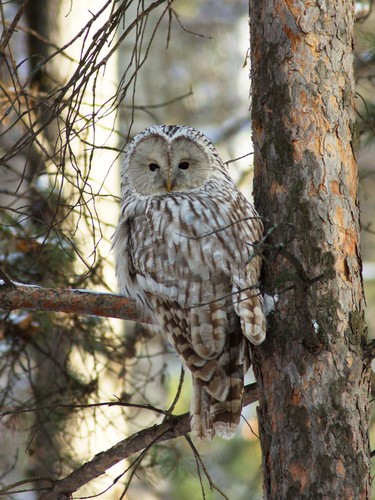
Ural Owl
50-62 cm long, wingspan about 1.0-1.3 m
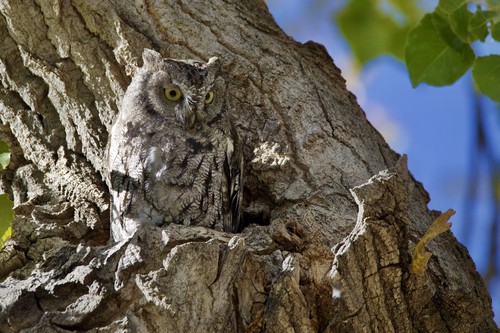
Western Screech-Owl
19-25 cm (7.5-10 in) long, about 55 cm (21.5 in) wingspan
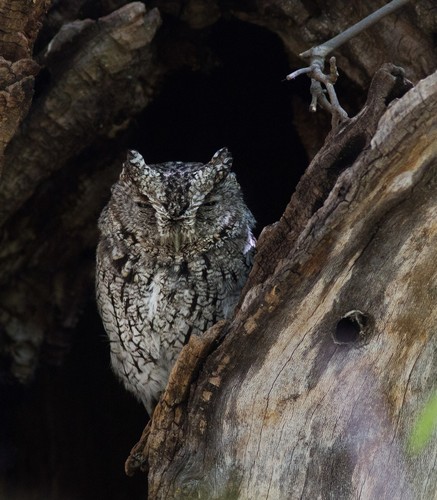
Whiskered Screech-Owl
17-19 cm (6.7-7.5 in) long, 43 cm wingspan
Tawny Owl
37-43 cm (15-17 in) long, 81-96 cm wingspan
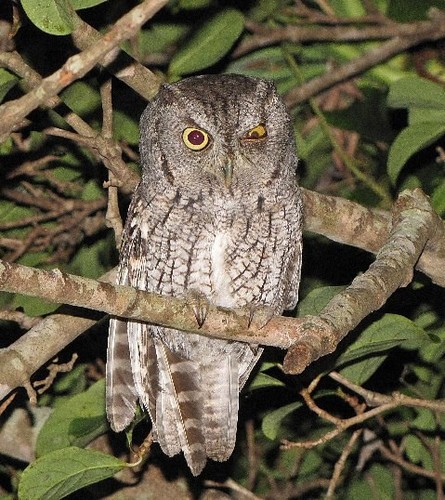
Screech Owl
16-25 cm long, wingspan about 46-61 cm
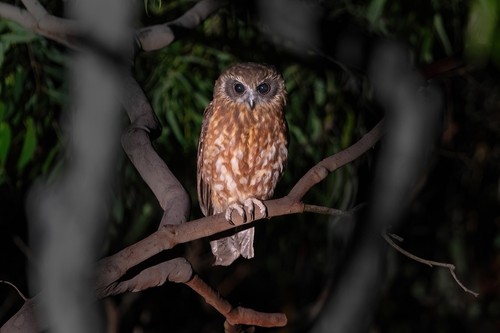
Southern Boobook
27-36 cm (11-14 in) long
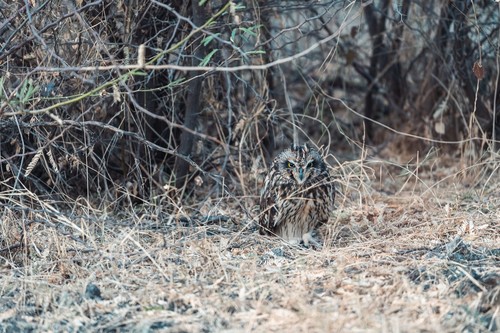
Short-eared Owl
34-42 cm (13-17 in) long, 85-110 cm wingspan
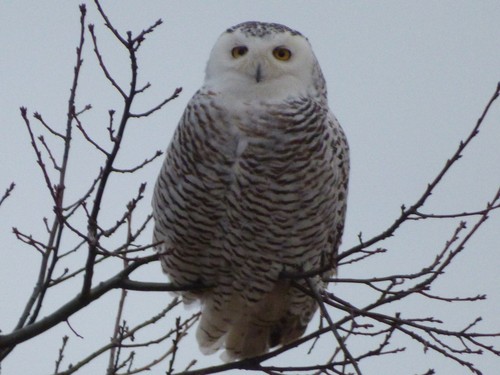
Snowy Owl
52-71 cm (20-28 in) long, 125-150 cm (49-59 in) wingspan
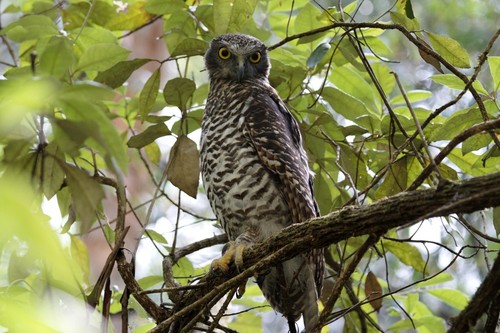
Powerful Owl
60-65 cm (24-26 in) long, 112-135 cm (44-53 in) wingspan
Northern Saw-whet Owl
18-21 cm (7-8.5 in) long, 42-56 cm (17-22 in) wingspan
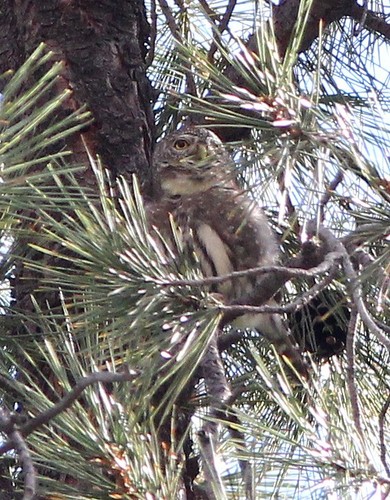
Northern Pygmy-Owl
16-18 cm (6.3-7.1 in) long, 35-39 cm wingspan
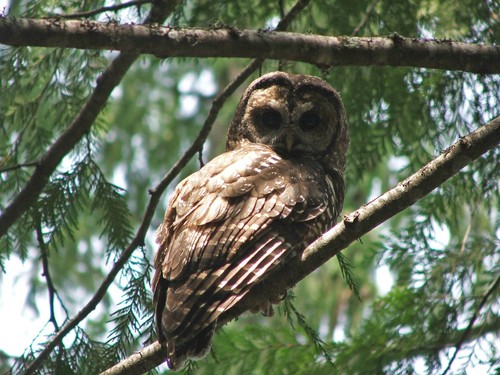
Spotted Owl
43-48 cm (17-19 in) long, 100-114 cm wingspan