
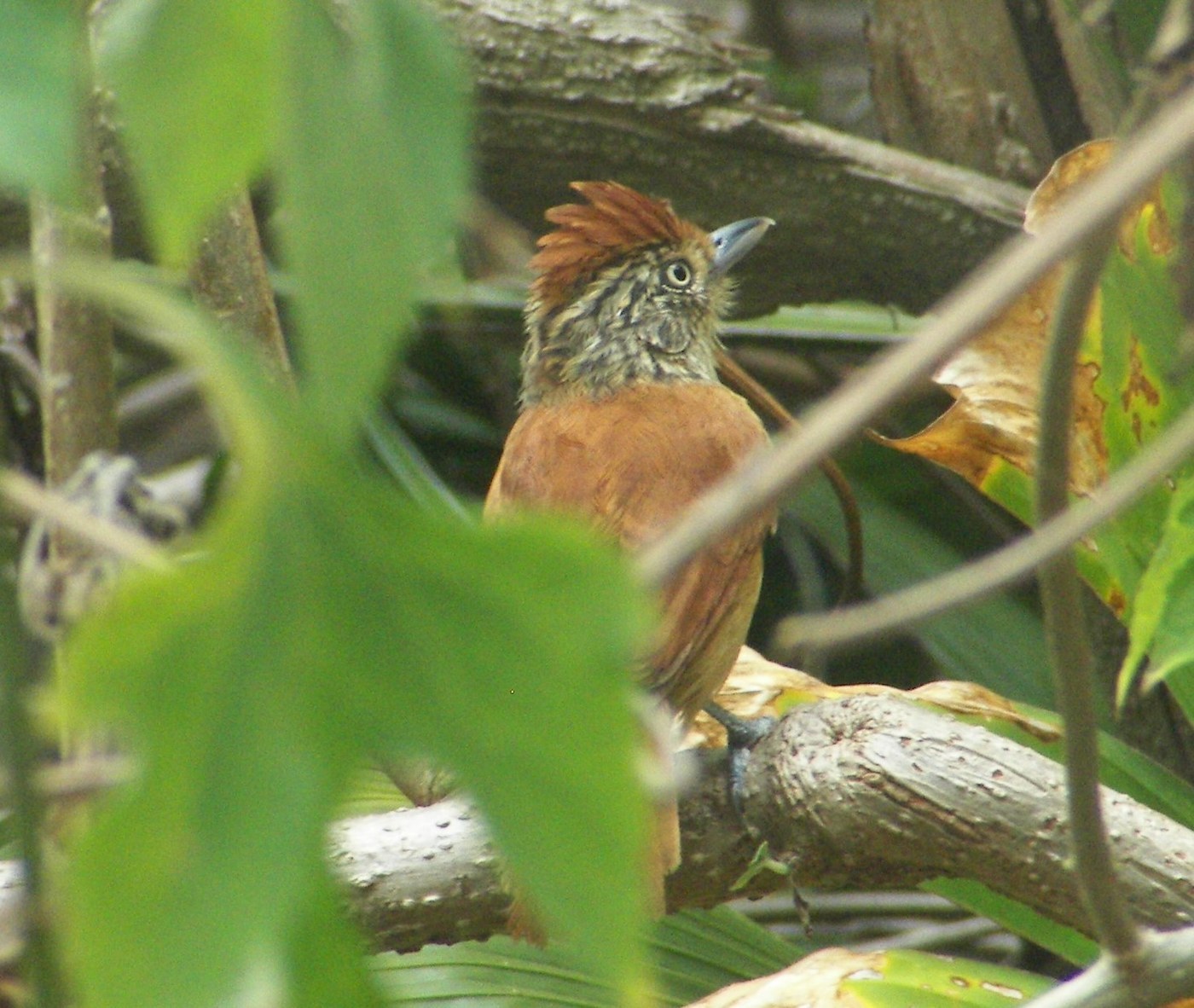
Barred Antshrike
Thamnophilus doliatus
A boldly black-and-white barred antbird of Central and South American scrub, best known for its harsh, accelerating laughing call.
- Size
- 15-17 cm (6-6.5 in) long
- Habitat
- scrubby second growth, forest edge, thickets, hedgerows, and gardens
- Type
- songbird
Spotted a bird like this?
Identify any bird from a photo, free.
Overview
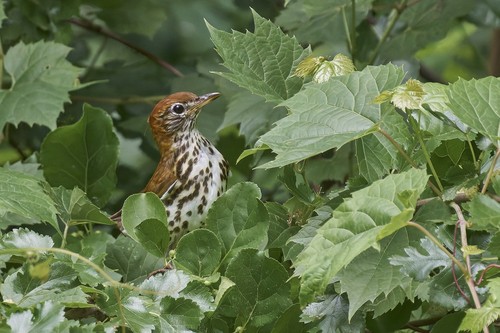
The Barred Antshrike is one of the most widespread and familiar members of the antbird family (Thamnophilidae), found from Mexico south through Central America into much of South America and Trinidad. It is strikingly dimorphic: the male is boldly patterned in black-and-white bars over almost the entire body, with a shaggy, often raised black crest. The female is quite different, with warm rufous-chestnut upperparts, buffy-orange underparts, and a black-and-white streaked face and crown, giving the pair a look of belonging to two different species when seen together.
Despite the name, Barred Antshrikes are not habitual ant-followers; the "antshrike" name reflects family membership rather than diet. They are birds of edges and disturbed habitat rather than deep forest interior, which has helped them thrive alongside human land use.
How to identify it
Key field marks
- Male: entirely barred black-and-white above and below; long, shaggy black crest, often raised; heavy, hook-tipped black bill.
- Female: rich rufous-chestnut crown and upperparts; buffy-orange underparts; black-and-white streaked face and throat.
- Medium-sized for an antbird, with a fairly long tail often held cocked or flicked.
Similar species
No other widespread antshrike shows the male's complete, fine black-and-white barring combined with a shaggy crest. Female Barred Antshrikes can suggest other rufous antbirds but the streaked face is distinctive. In areas of overlap, other Thamnophilus antshrikes lack the full barred pattern or have plainer gray tones.
Habitat & range
Barred Antshrikes favor brushy second growth, forest edges, overgrown pastures, hedgerows, riparian thickets, and gardens with dense cover, generally avoiding tall closed-canopy forest. They range from sea level up to around 1,800-2,000 m in places.
The species occurs from northern Mexico through Central America and across much of South America east of the Andes to Argentina, plus Trinidad and Tobago. Populations are largely resident, though some local movements occur in response to habitat changes; the species has expanded with agricultural clearing in many regions.
Behavior & voice
Voice
The signature call is a loud, nasal, accelerating series of notes that builds and ends with an emphatic downslurred note, often rendered as "cah-cah-cah-cah-cah-CAH!" — a sound many describe as laughing or clucking. Pairs frequently duet.
Feeding
Barred Antshrikes glean and sally for insects and spiders in dense low-to-mid-story tangles, working through vine tangles and shrubby thickets rather than following army ants.
Nesting and breeding
Pairs are territorial and monogamous, building an open cup nest suspended from a forked branch low in dense vegetation. Both sexes share incubation and chick-rearing duties. Males raise and fan the shaggy crest during territorial and courtship displays.
Frequently asked questions
Why do male and female Barred Antshrikes look so different?
They are strongly sexually dimorphic: males are barred black-and-white while females are rufous with a streaked face, a common pattern in antbirds that helps pairs recognize each other.
Do Barred Antshrikes follow army ant swarms?
No, despite the family name they are not habitual ant-followers; they forage independently in dense scrub and edge habitat.
Where are Barred Antshrikes found?
From Mexico through Central America and across much of South America to Argentina, including Trinidad, in scrubby edge and second-growth habitats.
What does a Barred Antshrike sound like?
A loud, accelerating, nasal series of notes ending in an emphatic note, often described as a laughing or clucking rattle.
Barred Antshrike guides
In-depth guides for identifying, finding, and understanding Barred Antshrike.
Other birds you may enjoy
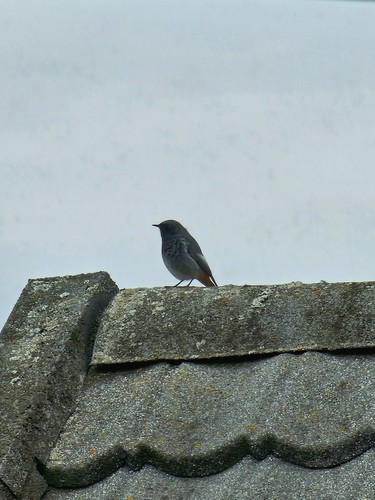
Black Redstart
13-14.5 cm (5.1-5.7 in) long, 23-26 cm wingspan
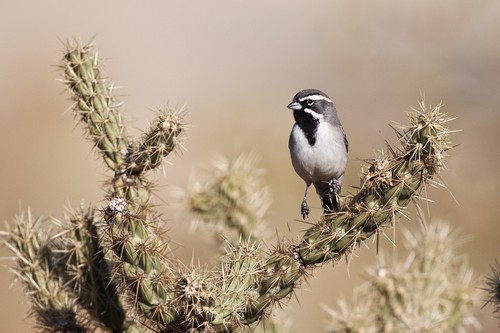
Black-throated Sparrow
12-14 cm (4.7-5.5 in) long, about 19-20 cm (7.5-8 in) wingspan
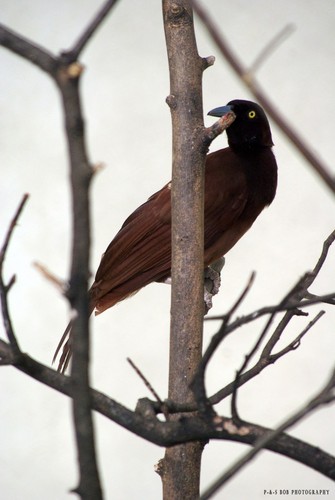
Greater Bird-of-paradise
Body about 43 cm; males with additional flank plumes up to 50 cm and long tail wires
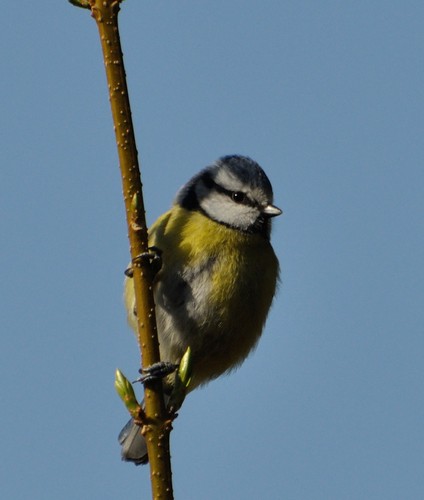
Blue Tit
11-12 cm (4.3-4.7 in) long, 17-20 cm wingspan
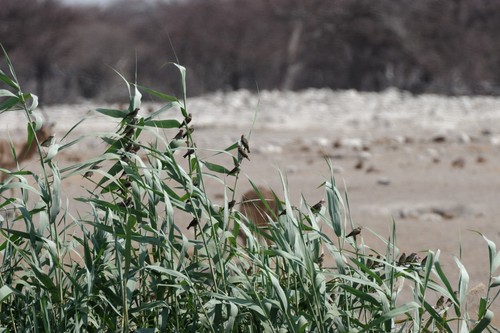
Red-billed Quelea
11.5–13 cm long, wingspan about 20–22 cm
White-plumed Antbird
13-14 cm (5-5.5 in) long
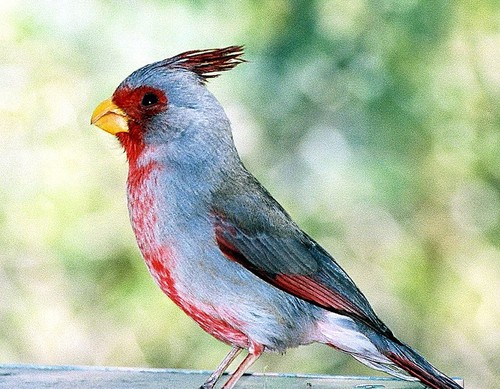
Pyrrhuloxia
19-22 cm (7.5-8.7 in) long, 30 cm wingspan
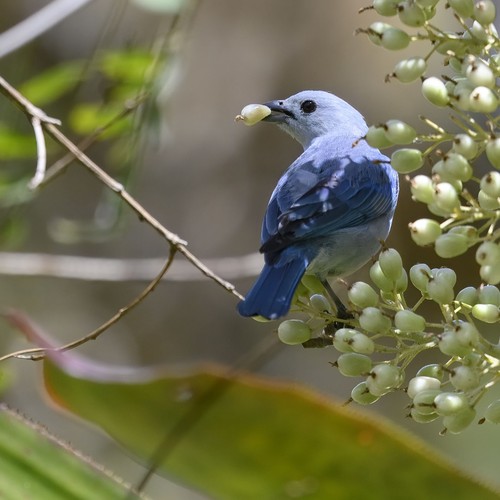
Blue-gray Tanager
16-18 cm (6-7 in) long
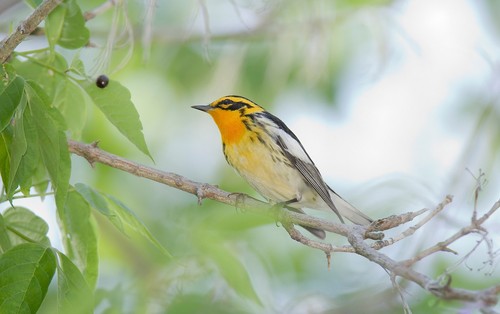
Blackburnian Warbler
11-13 cm (4.3-5.1 in) long, 20-22 cm wingspan
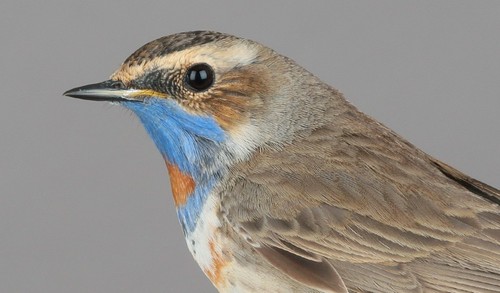
Bluethroat
13-14 cm (5.1-5.5 in) long, 20-22 cm wingspan
Eurasian Nuthatch
12-14.5 cm (4.7-5.7 in) long, 22.5-27 cm wingspan
Wood Thrush
19-21 cm (7.5-8.3 in) long, about 33 cm (13 in) wingspan