
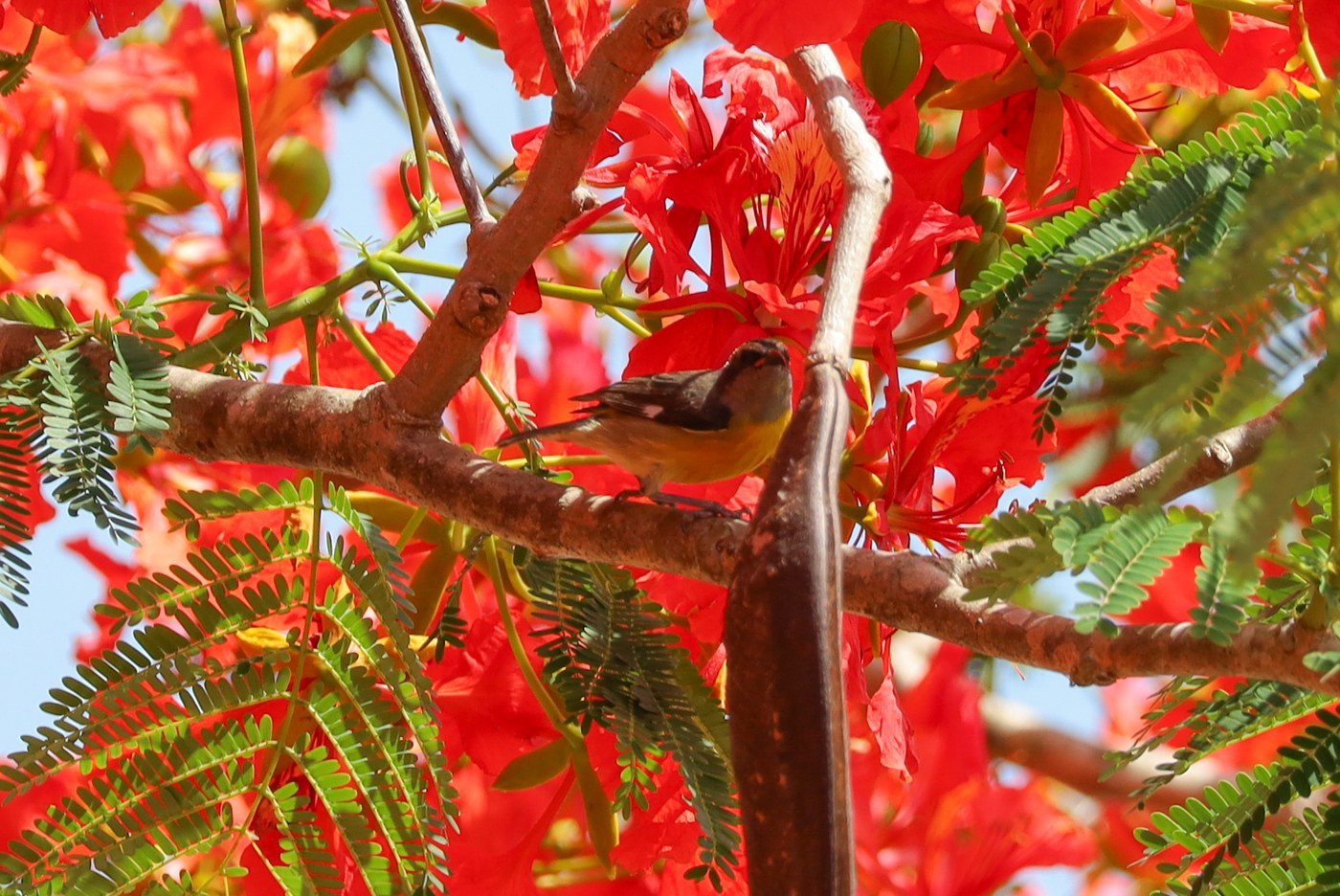
Bananaquit
Coereba flaveola
A tiny, tame, constantly active nectar-feeder with a thin curved bill, gray-black upperparts, a bold white eyebrow stripe, and bright yellow underparts.
- Size
- 10-11 cm (4-4.3 in) long
- Habitat
- gardens, forest edge, scrub, and mangroves, from Mexico through South America and across the Caribbean
- Type
- songbird
Spotted a bird like this?
Identify any bird from a photo, free.
Overview
The Bananaquit is one of the most familiar and widespread small birds of the American tropics, instantly recognizable by its perky, energetic behavior and distinctive markings. Adults have dark gray to blackish upperparts, a bold white stripe running from the bill over the eye, a gray throat, and bright yellow underparts and rump, with a small white wing patch often visible.
Its most distinctive feature is a thin, sharply decurved bill, perfectly adapted for piercing the base of flowers to reach nectar, a technique known as 'nectar robbing' since it often bypasses pollination in the process. The species is so distinct that it is placed in its own family, Coerebidae, separate from the true tanagers.
Remarkably tame and adaptable, Bananaquits thrive in gardens and disturbed habitats as readily as in natural forest edge, and their constant chattering and quick, restless movements make them one of the most conspicuous small birds throughout much of their range.
How to identify it
Key field marks
- Dark gray-black upperparts and bright yellow underparts and rump
- Bold white eyebrow stripe (supercilium)
- Thin, sharply decurved bill
- Small white patch at the base of the primaries, visible in flight or at rest
Similar species
No other widespread species combines the Bananaquit's white eyebrow, yellow underparts, and fine curved bill; its small size, constant activity, and tameness around gardens and feeders further aid identification. Some female warblers can show superficially similar yellow underparts but lack the decurved bill and white brow stripe.
Habitat & range
Habitat
Bananaquits occupy an extraordinarily wide range of habitats, from gardens, parks, and scrub to forest edge, mangroves, and plantations, generally avoiding only unbroken dense forest interior.
Range
The species is found from Mexico through Central America and across most of tropical South America, as well as throughout much of the Caribbean, though notably absent from Cuba.
Migration
Bananaquits are non-migratory residents throughout their range, defending small feeding territories year-round in many populations.
Behavior & voice
Behavior
Bananaquits are notably bold, active, and often quite tame around humans, readily visiting gardens, feeders, and hummingbird feeders for sugar water, and they are known to build unusual sleeping or roosting nests distinct from their breeding nests.
Voice
The voice is a thin, high-pitched, buzzy, and variable series of wheezy notes and trills, given frequently throughout the day, distinctive though not particularly musical.
Feeding
It feeds primarily on nectar, obtained by piercing the base of flowers with its curved bill, and also eats small fruits and insects, making it a generalist forager well suited to varied habitats.
Nesting and breeding
Bananaquits build a distinctive globular, domed nest with a side entrance, woven from grasses and plant fibers and placed in a shrub or low tree; pairs often build extra dummy or roosting nests in addition to the breeding nest.
Frequently asked questions
How do you identify a Bananaquit?
Look for dark gray upperparts, bright yellow underparts and rump, a bold white eyebrow stripe, and a thin, downward-curved bill.
What does the Bananaquit eat?
Mainly nectar pierced from the base of flowers, plus small fruits and insects.
Where does the Bananaquit live?
It is very widespread, found from Mexico through Central and South America and across most of the Caribbean, though not on Cuba.
What kind of nest does a Bananaquit build?
A distinctive domed, globular nest with a side entrance, and pairs often build extra roosting nests as well as a breeding nest.
Is the Bananaquit a type of tanager?
It is closely related to tanagers but distinctive enough to be placed in its own family, Coerebidae.
Bananaquit guides
In-depth guides for identifying, finding, and understanding Bananaquit.
Other birds you may enjoy
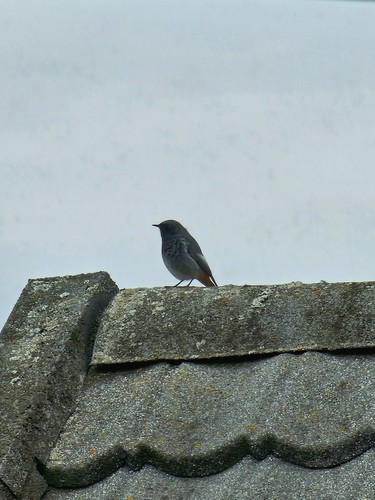
Black Redstart
13-14.5 cm (5.1-5.7 in) long, 23-26 cm wingspan
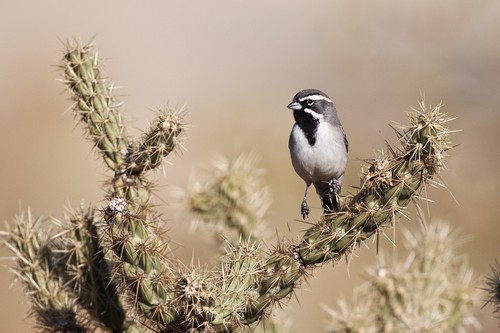
Black-throated Sparrow
12-14 cm (4.7-5.5 in) long, about 19-20 cm (7.5-8 in) wingspan
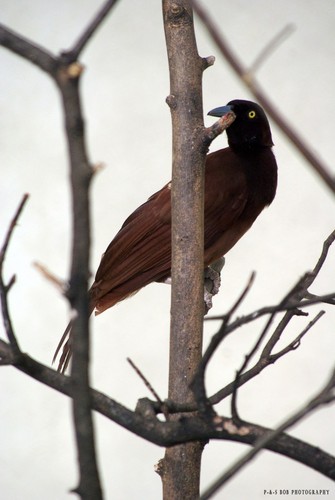
Greater Bird-of-paradise
Body about 43 cm; males with additional flank plumes up to 50 cm and long tail wires
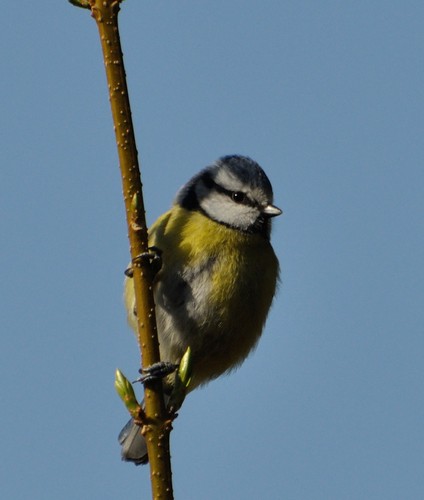
Blue Tit
11-12 cm (4.3-4.7 in) long, 17-20 cm wingspan
Red-billed Quelea
11.5–13 cm long, wingspan about 20–22 cm
White-plumed Antbird
13-14 cm (5-5.5 in) long
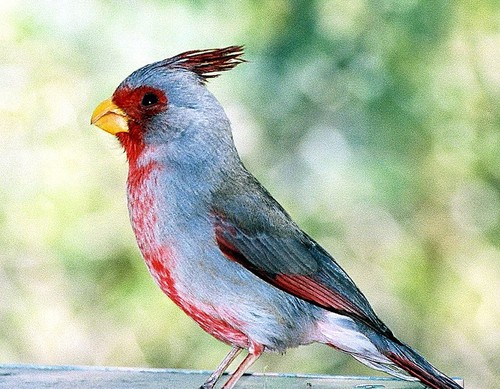
Pyrrhuloxia
19-22 cm (7.5-8.7 in) long, 30 cm wingspan
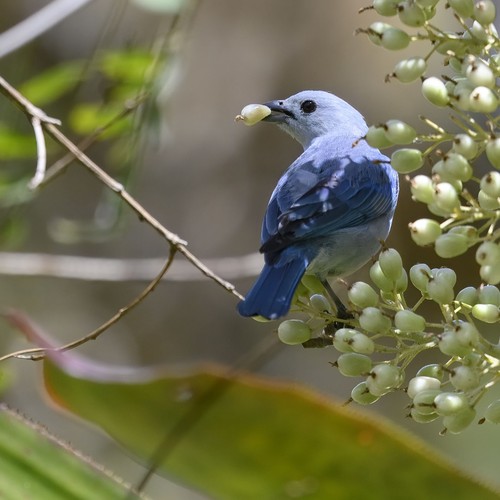
Blue-gray Tanager
16-18 cm (6-7 in) long
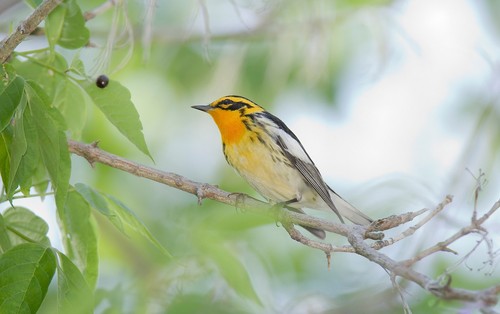
Blackburnian Warbler
11-13 cm (4.3-5.1 in) long, 20-22 cm wingspan
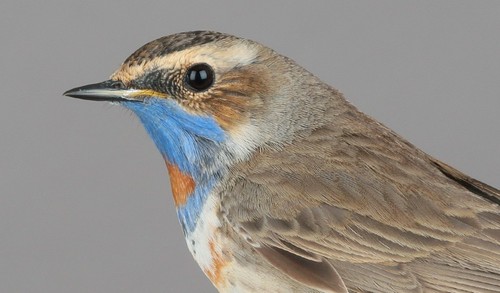
Bluethroat
13-14 cm (5.1-5.5 in) long, 20-22 cm wingspan
Eurasian Nuthatch
12-14.5 cm (4.7-5.7 in) long, 22.5-27 cm wingspan
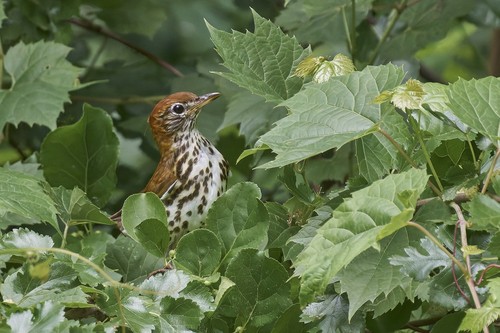
Wood Thrush
19-21 cm (7.5-8.3 in) long, about 33 cm (13 in) wingspan