
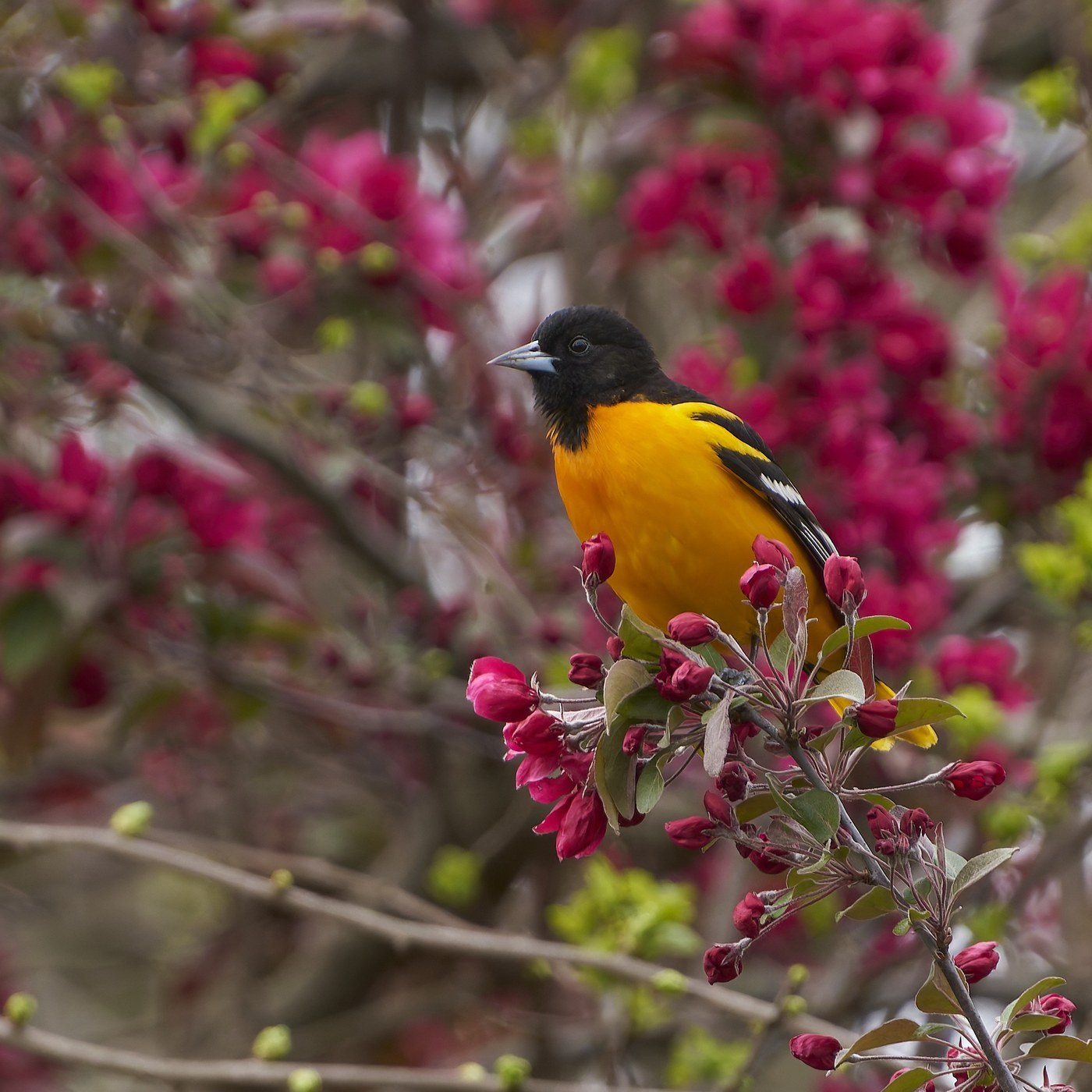
Baltimore Oriole
Icterus galbula
A brilliant flame-orange and black songbird of eastern North America, named for the heraldic colors of Lord Baltimore, known for its hanging pouch nest.
- Size
- 18-22 cm (7-8.7 in) long, 23-32 cm wingspan
- Habitat
- open deciduous woodlands, riverside groves, orchards, and shade trees in parks and neighborhoods
- Type
- songbird
Spotted a bird like this?
Identify any bird from a photo, free.
Overview
The Baltimore Oriole is one of the most vividly colored songbirds of eastern North America, with adult males showing a solid black hood and back set against a blazing flame-orange breast, rump, and shoulder patch, plus bold white wingbars. The combination of orange and black recalls the coat of arms of Lord Baltimore, for whom the bird and the city are both named.
Females and immature males are more subdued, typically yellow-orange to olive-yellow below with grayish-brown upperparts and less contrast, though variation is considerable. Orioles are members of the blackbird family and share their relatives' strong, sharply pointed bills.
How to identify it
Key field marks
- Adult male: solid black head, back, and tail with vivid orange underparts, rump, and shoulder patch
- White wingbar and white edges on the flight feathers
- Female/immature: yellow-orange to olive below, grayish-brown above, more muted overall
- Long, sharply pointed, slightly downcurved bill
Similar species
- Orchard Oriole is smaller and darker, with adult males showing deep chestnut (not orange) underparts.
- Bullock's Oriole, found farther west with limited range overlap, has an orange face with a black eyeline and larger white wing patch; the two species hybridize where ranges meet in the Great Plains.
Habitat & range
Baltimore Orioles breed across the eastern and central United States and southern Canada, favoring open deciduous woodlands, riverside groves, orchards, and tall shade trees in parks, farms, and suburban neighborhoods. They are absent from dense unbroken forest, preferring edges and scattered large trees.
The species is a long-distance migrant, wintering from Mexico and the Caribbean south through Central America and into northern South America, where it also feeds heavily on nectar and fruit.
Behavior & voice
Baltimore Orioles forage actively in the tree canopy, gleaning caterpillars and other insects from leaves, and are also drawn to nectar, ripe fruit, and sugar-water or jelly feeders, especially during spring migration. They move deliberately through foliage rather than flitting rapidly.
The song is a series of rich, clear, flutey whistled notes, variable between individuals, often described as sounding like a cheerful, somewhat disjointed tune; calls include a sharp, chattering rattle. The species builds one of the most remarkable nests among North American songbirds: a deep, hanging pouch woven from plant fibers, grass, and sometimes string, suspended from the tips of slender outer branches, usually high in a tree. Females do most of the weaving, and clutches typically contain four to five eggs.
Frequently asked questions
How do you identify a Baltimore Oriole?
Adult males have a solid black head and back with bright orange underparts, rump, and shoulder patch, plus white wingbars; females and young males are duller yellow-orange with grayish-brown upperparts.
What is the difference between a Baltimore Oriole and a Bullock's Oriole?
Baltimore Orioles have a solid black hood, while Bullock's Orioles (found farther west) have an orange face crossed by a black eyeline, plus a larger white wing patch.
What does a Baltimore Oriole eat?
Mainly insects and caterpillars during the breeding season, plus nectar and ripe fruit, especially dark-colored fruit, throughout the year.
What kind of nest does a Baltimore Oriole build?
A distinctive hanging, sock-like pouch woven from plant fibers and grass, suspended from the slender outer branches of a tall tree.
Do Baltimore Orioles migrate?
Yes, they are long-distance migrants that winter from Mexico and the Caribbean south through Central America into northern South America.
Baltimore Oriole guides
In-depth guides for identifying, finding, and understanding Baltimore Oriole.
Other birds you may enjoy
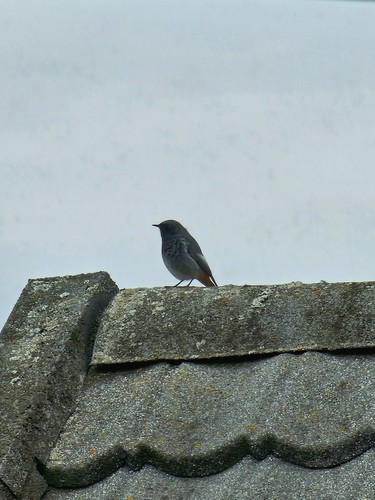
Black Redstart
13-14.5 cm (5.1-5.7 in) long, 23-26 cm wingspan
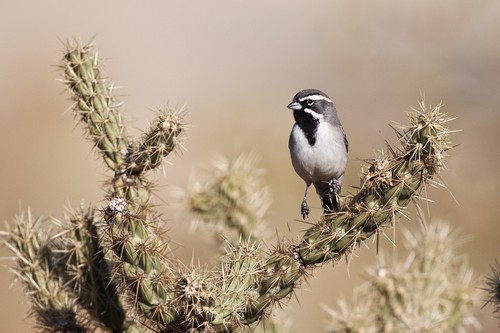
Black-throated Sparrow
12-14 cm (4.7-5.5 in) long, about 19-20 cm (7.5-8 in) wingspan
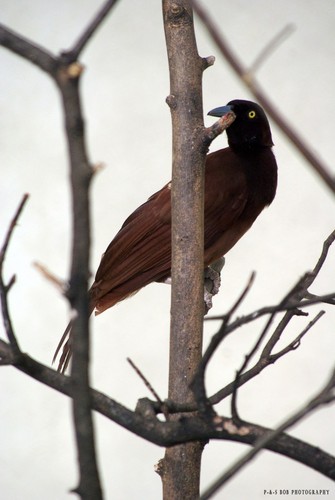
Greater Bird-of-paradise
Body about 43 cm; males with additional flank plumes up to 50 cm and long tail wires
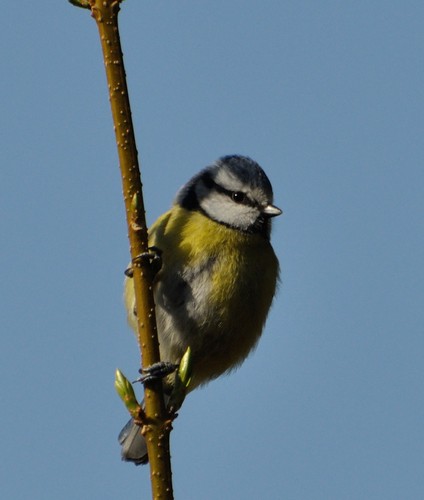
Blue Tit
11-12 cm (4.3-4.7 in) long, 17-20 cm wingspan

Red-billed Quelea
11.5–13 cm long, wingspan about 20–22 cm
White-plumed Antbird
13-14 cm (5-5.5 in) long
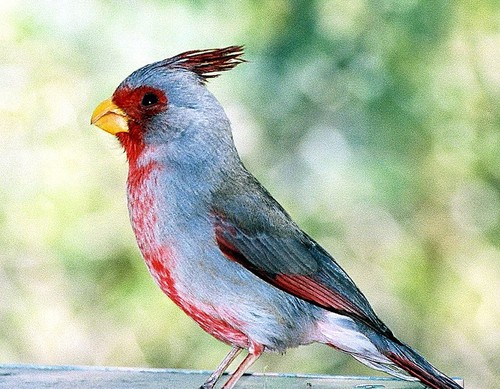
Pyrrhuloxia
19-22 cm (7.5-8.7 in) long, 30 cm wingspan
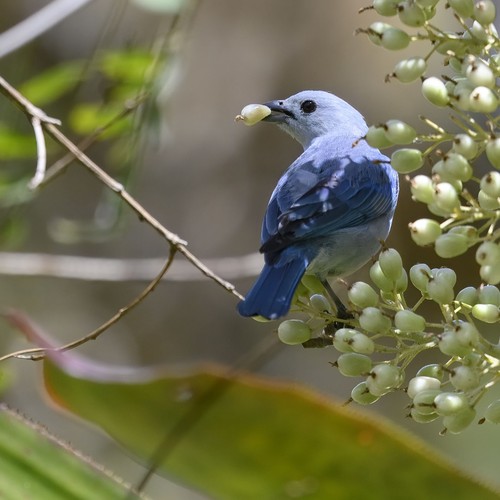
Blue-gray Tanager
16-18 cm (6-7 in) long
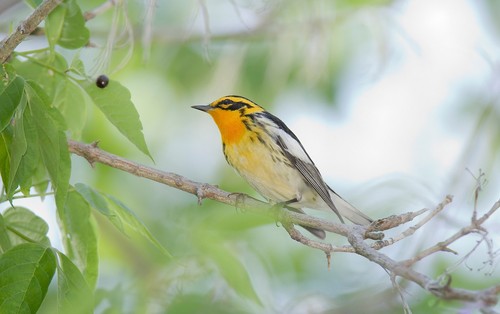
Blackburnian Warbler
11-13 cm (4.3-5.1 in) long, 20-22 cm wingspan
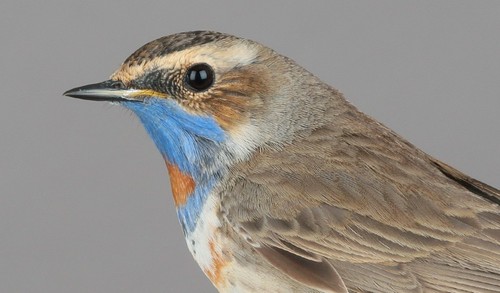
Bluethroat
13-14 cm (5.1-5.5 in) long, 20-22 cm wingspan
Eurasian Nuthatch
12-14.5 cm (4.7-5.7 in) long, 22.5-27 cm wingspan
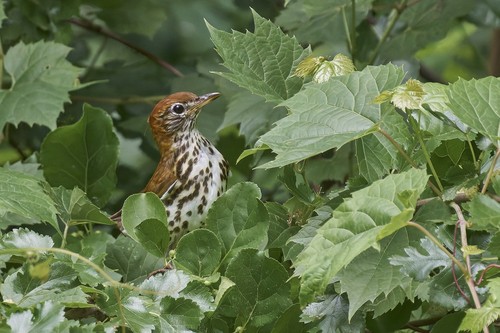
Wood Thrush
19-21 cm (7.5-8.3 in) long, about 33 cm (13 in) wingspan