
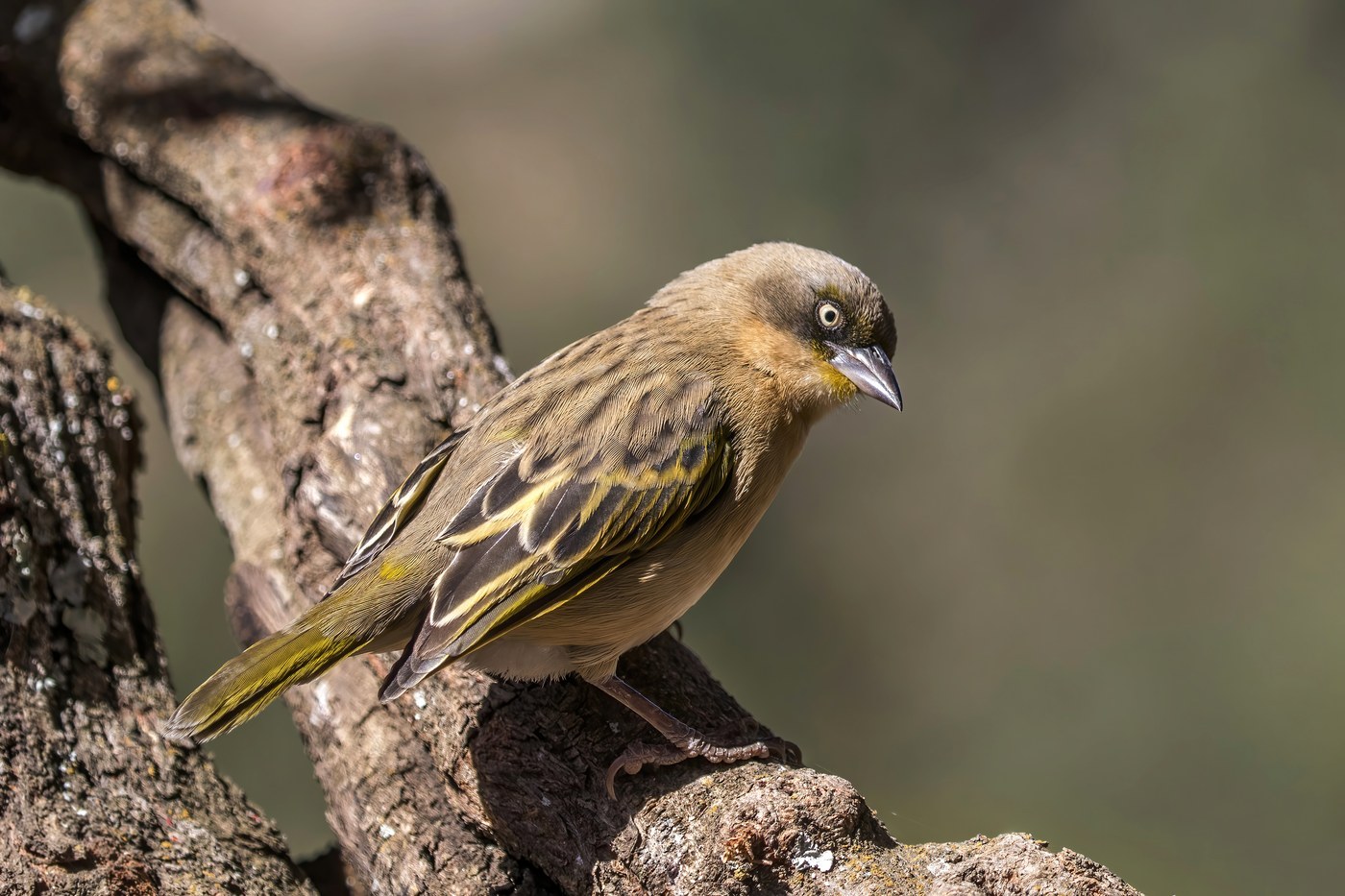
Baglafecht Weaver
Ploceus baglafecht
A common East African highland weaver with a variable black-and-yellow head pattern that differs by region.
- Size
- About 14-15 cm long
- Habitat
- Highland forest edges, gardens, farmland, and towns at 1,000-3,000 m elevation
- Type
- songbird
Spotted a bird like this?
Identify any bird from a photo, free.
Overview
The Baglafecht Weaver is a small, familiar weaver of the East African highlands, ranging from Ethiopia and Sudan south through Kenya, Uganda, Rwanda, Burundi, and into Tanzania, Malawi, and eastern DR Congo. It is one of the most frequently seen weavers around gardens, farmland edges, and forest margins in the highlands.
Plumage is bright yellow below and olive-yellow above, with a pale eye and a black area on the head that varies geographically from a small black mask around the eye to a full black cap and hindneck. Wings show a neat pattern of black feathers edged with yellow.
Several subspecies exist, and their differing head patterns caused early ornithologists to describe some as separate species (such as Reichenow's Weaver), though they are now usually treated as one variable species.
How to identify it
Key field marks
- Bright yellow underparts and olive-yellow back
- Pale, whitish-yellow eye, conspicuous at close range
- Black facial mask or hood, extent varies by subspecies/region
- Black wings edged neatly in yellow
- Stocky weaver bill, grey to blackish
Similar species
- Village Weaver and other Ploceus weavers are larger, more heavily built, with darker eyes and different head patterns without the pale eye.
- Spectacled Weaver has a black eye-stripe rather than a full black hood and a darker eye.
- Female and non-breeding birds are duller but retain the diagnostic pale eye, which is the most reliable mark across all forms.
Habitat & range
Range
Found in the highlands of northeastern and eastern Africa, from Ethiopia and South Sudan south through Kenya and Uganda to Rwanda, Burundi, Tanzania, Malawi, Zambia, and eastern DR Congo.
Habitat
Prefers montane and submontane habitats: forest edges, clearings, gardens, parks, cultivated land, and urban and suburban areas at elevations roughly between 1,000 and 3,000 m. It readily adapts to human-modified landscapes and is a common garden bird in cities such as Nairobi and Addis Ababa.
Movements
Generally resident and non-migratory, though some local altitudinal movement may occur.
Behavior & voice
Behavior
Active and often tame, foraging in small groups or pairs in trees, shrubs, and garden vegetation. It moves through foliage gleaning insects and will also visit flowering plants for nectar.
Voice
Gives a variety of harsh chattering and wheezy notes, along with a squeaky, buzzy song typical of weavers, often delivered while perched near the nest.
Feeding
Forages for insects and spiders among leaves and branches, and supplements its diet with nectar and soft fruit.
Nesting and breeding
Builds a neat, kidney- or oval-shaped woven nest with a downward-facing entrance, typically suspended from a thin branch or under eaves. Nests may be placed singly or in loose groups rather than dense colonies. Breeding often coincides with the rainy season, and the male performs display behavior at the nest to attract a mate.
Frequently asked questions
How do you identify a Baglafecht Weaver?
Look for a small weaver with bright yellow underparts, an olive-yellow back, black wings edged in yellow, and a distinctive pale, whitish eye set against a black facial mask or hood.
Where does the Baglafecht Weaver live?
It lives in the highlands of East and Northeast Africa, from Ethiopia south to Malawi and eastern DR Congo, favoring forest edges, gardens, and farmland above 1,000 m elevation.
Why does the head pattern vary so much?
Several geographic subspecies exist with different amounts of black on the head, ranging from a small mask to a full black hood; these were once considered separate species.
What does a Baglafecht Weaver eat?
It eats insects and spiders gleaned from foliage, along with nectar and small fruits.
Is the Baglafecht Weaver colonial like other weavers?
It nests singly or in loose, small groups rather than the large dense colonies typical of some other Ploceus weavers.
Baglafecht Weaver guides
In-depth guides for identifying, finding, and understanding Baglafecht Weaver.
Other birds you may enjoy
Black Redstart
13-14.5 cm (5.1-5.7 in) long, 23-26 cm wingspan
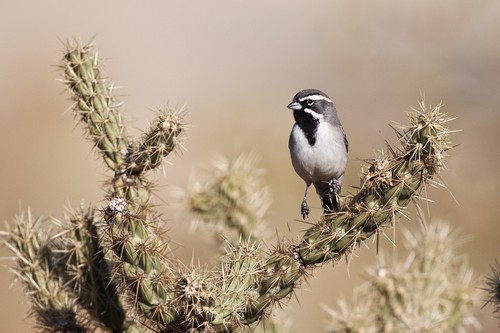
Black-throated Sparrow
12-14 cm (4.7-5.5 in) long, about 19-20 cm (7.5-8 in) wingspan
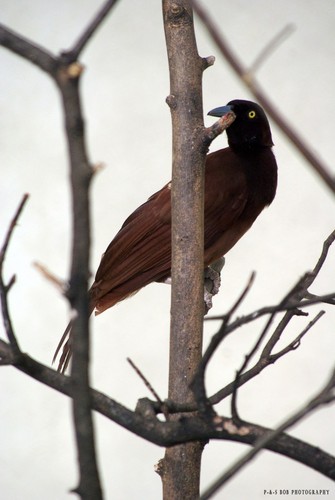
Greater Bird-of-paradise
Body about 43 cm; males with additional flank plumes up to 50 cm and long tail wires
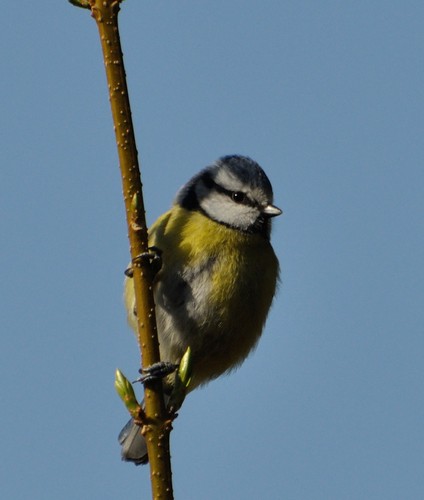
Blue Tit
11-12 cm (4.3-4.7 in) long, 17-20 cm wingspan
Red-billed Quelea
11.5–13 cm long, wingspan about 20–22 cm
White-plumed Antbird
13-14 cm (5-5.5 in) long
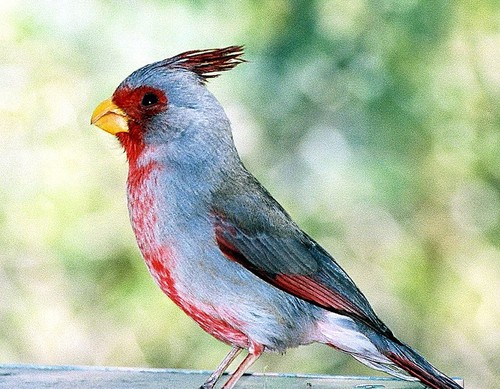
Pyrrhuloxia
19-22 cm (7.5-8.7 in) long, 30 cm wingspan
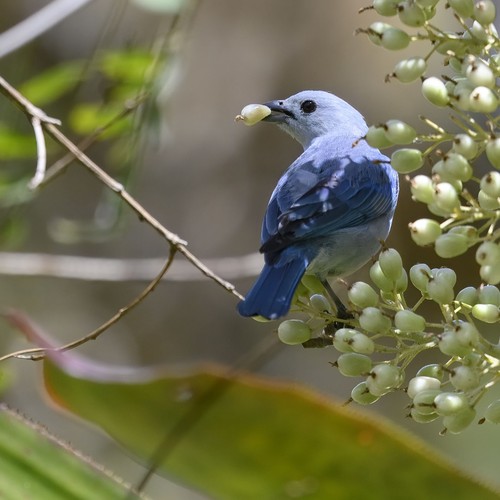
Blue-gray Tanager
16-18 cm (6-7 in) long
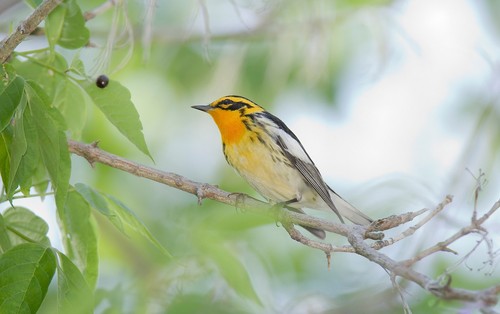
Blackburnian Warbler
11-13 cm (4.3-5.1 in) long, 20-22 cm wingspan
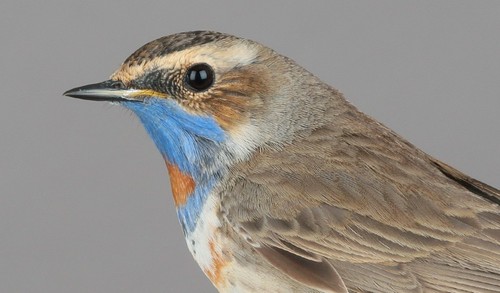
Bluethroat
13-14 cm (5.1-5.5 in) long, 20-22 cm wingspan
Eurasian Nuthatch
12-14.5 cm (4.7-5.7 in) long, 22.5-27 cm wingspan
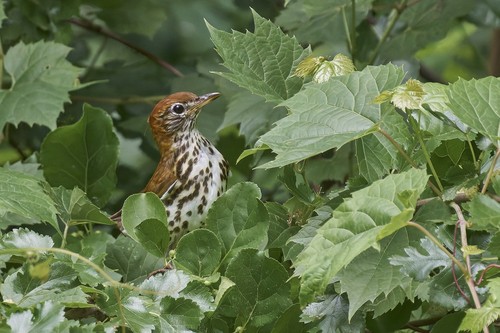
Wood Thrush
19-21 cm (7.5-8.3 in) long, about 33 cm (13 in) wingspan