
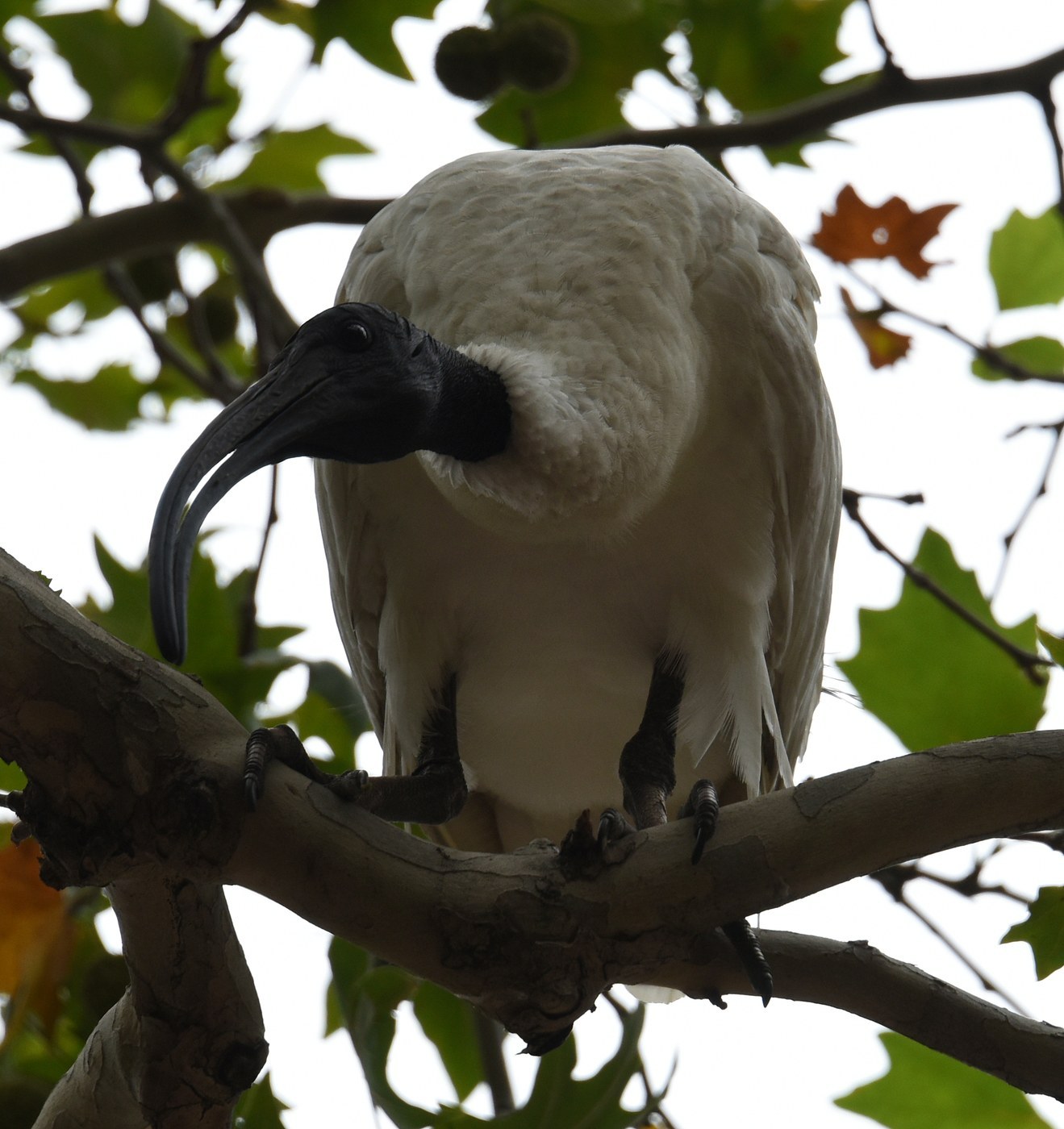
Australian White Ibis
Threskiornis molucca
A large white ibis with a bare black head, once a rural wetland bird, now an iconic and highly adaptable scavenger in Australian cities.
- Size
- 65-75 cm (26-30 in) long, 110-125 cm wingspan
- Habitat
- wetlands, urban parks, and refuse sites across eastern and northern Australia
- Type
- wading-bird
Spotted a bird like this?
Identify any bird from a photo, free.
Overview
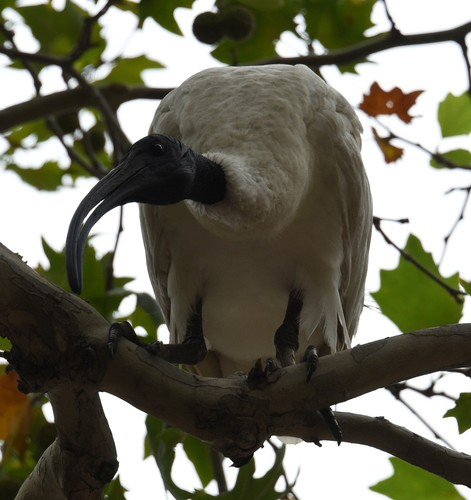
The Australian White Ibis is a large wading bird with white body plumage, a bare black featherless head and neck, and a long, down-curved black bill. Black plumes trail from the rear of the wings, and the wingtips show black in flight, much like its close African relative the Sacred Ibis.
Historically a wetland species, this ibis has become famous in recent decades for adapting to city life, where it forages boldly in parks, rubbish bins, and outdoor dining areas, earning it the widely used nickname "bin chicken" in Australian popular culture.
How to identify it
Key field marks
- White body with bare black head and neck
- Long, down-curved black bill
- Black wingtips and trailing plume tuft over the tail
- Bold, confiding behavior around humans in urban areas
Similar species
The Straw-necked Ibis shares the bare black head but has a glossy black back rather than white, and shows straw-like feathers on the neck. The Sacred Ibis of Africa is nearly identical in appearance but does not occur in Australia.
Habitat & range
Habitat
Originally a bird of wetlands, floodplains, and mudflats, it has increasingly colonized urban parks, golf courses, and refuse sites across much of its range.
Range and migration
It is found across eastern, northern, and southwestern Australia, extending into New Guinea and eastern Indonesia; Australian populations are largely resident with local movements tied to wetland conditions and urban food availability.
Behavior & voice
Behavior
Highly social and increasingly urbanized, Australian White Ibis forage in flocks, are bold around people, and have adapted remarkably well to city environments, sometimes to the point of nuisance behavior around food waste.
Voice
Low grunting and croaking calls, given mainly at breeding colonies or when disturbed.
Feeding
In natural habitats it probes mud and shallow water for insects and crustaceans; in urban settings it has become an opportunistic scavenger of human food scraps and rubbish.
Nesting and breeding
Colonial nester, building stick nests in trees, reeds, or on the ground on islands, often in large mixed colonies; clutches typically contain 2-3 eggs.
Frequently asked questions
Why is the Australian White Ibis called 'bin chicken'?
It has become a common urban scavenger that forages in rubbish bins and around outdoor dining areas, earning this popular nickname.
Is the Australian White Ibis the same as the Sacred Ibis?
It is a separate but very closely related species, formerly considered a subspecies of the African Sacred Ibis.
Where do Australian White Ibis live?
Across eastern, northern, and southwestern Australia, in both natural wetlands and increasingly in cities.
What do Australian White Ibis eat?
Naturally insects and crustaceans, but urban birds also scavenge a wide variety of human food waste.
Australian White Ibis guides
In-depth guides for identifying, finding, and understanding Australian White Ibis.
Other birds you may enjoy
Demoiselle Crane
85-100 cm (33-39 in) long, 155-180 cm wingspan
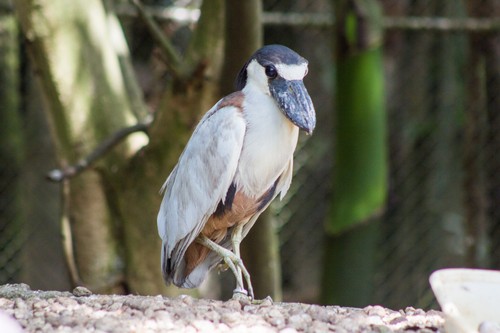
Boat-billed Heron
41-56 cm (16-22 in) long
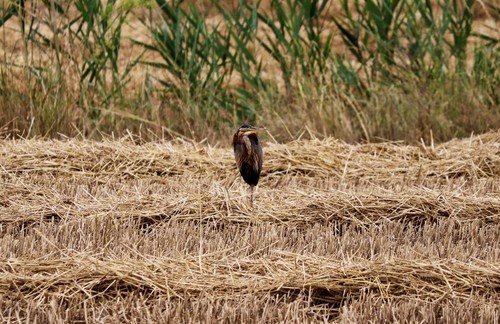
Purple Heron
78-90 cm (31-35 in) long, 120-152 cm wingspan
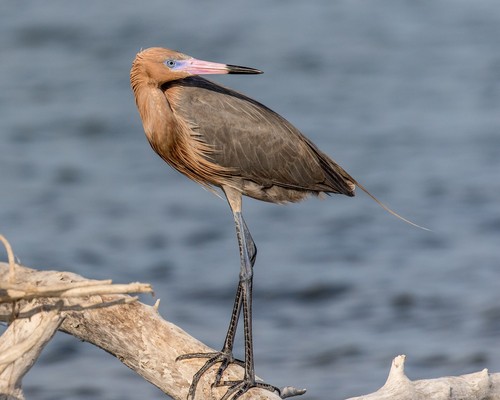
Reddish Egret
68-82 cm (27-32 in) long, 116-125 cm wingspan
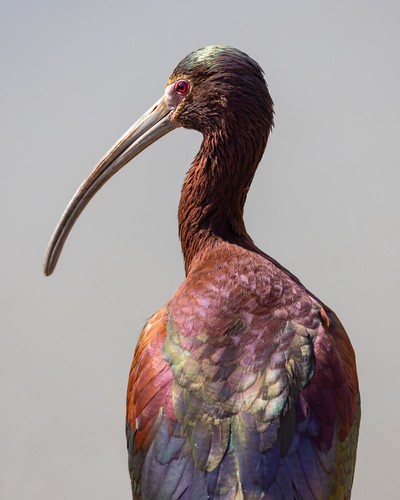
White-faced Ibis
46-56 cm (18-22 in) long, 88-93 cm wingspan
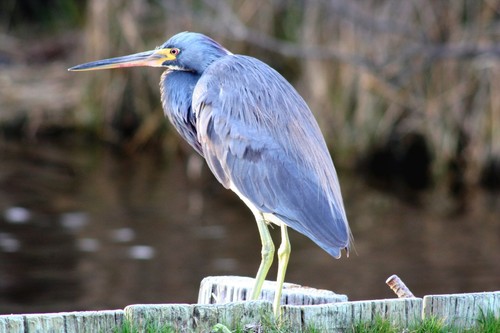
Tricolored Heron
61-76 cm (24-30 in) long, about 96 cm wingspan
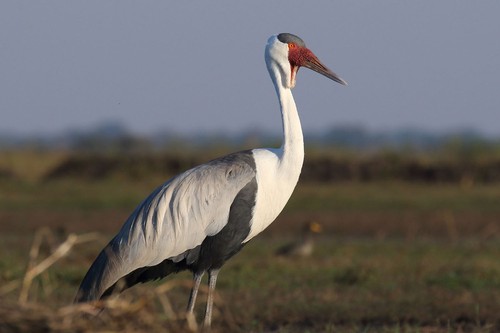
Wattled Crane
120-175 cm (47-69 in) tall, one of the tallest cranes, wingspan up to about 230 cm (7.5 ft)
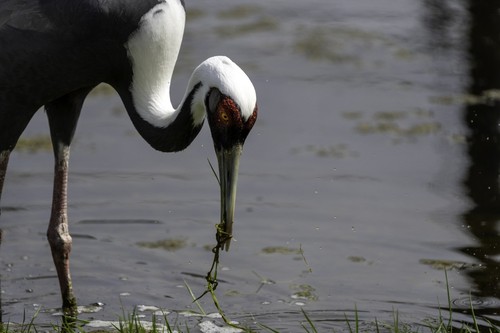
White-naped Crane
112-125 cm (44-49 in) long, 195-210 cm wingspan
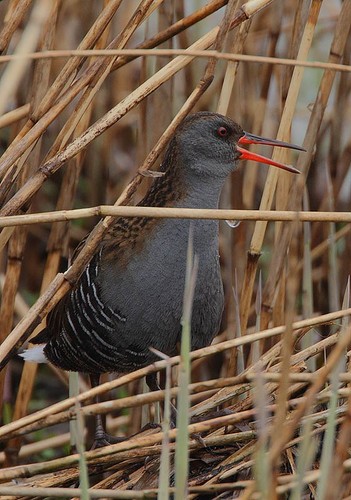
Water Rail
23-28 cm (9-11 in) long, wingspan 38-45 cm
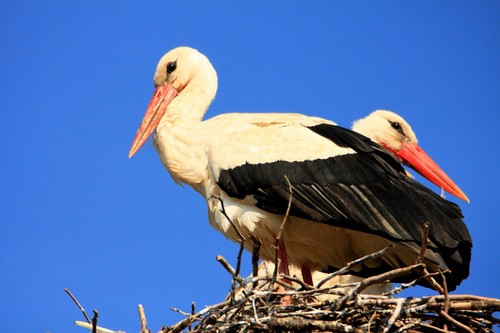
White Stork
100-125 cm (39-49 in) long, 155-215 cm wingspan
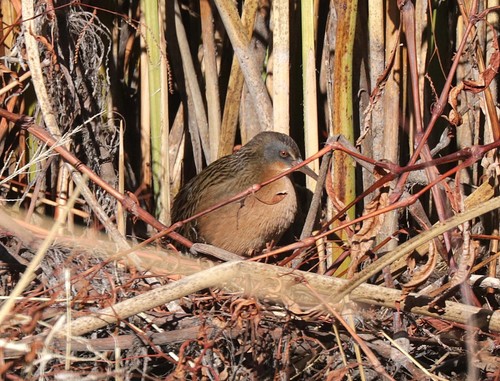
Virginia Rail
20-27 cm (8-11 in) long, wingspan 32-38 cm
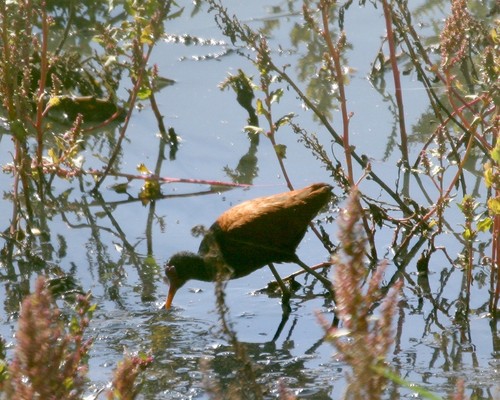
Wattled Jacana
17-23 cm (7-9 in) long