
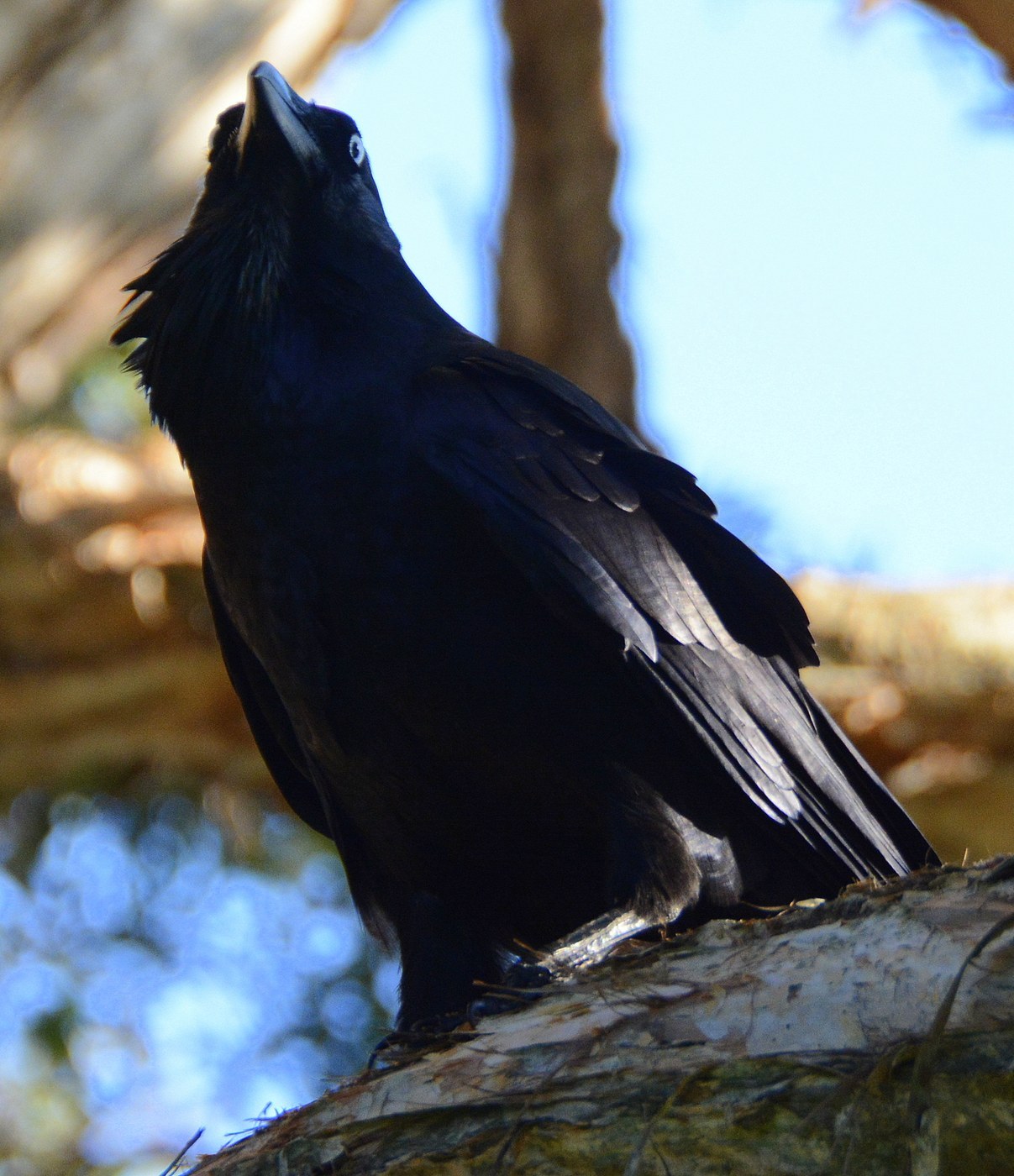
Australian Raven
Corvus coronoides
A large, all-black Australian corvid best distinguished from similar crows and ravens by its long, wailing call and shaggy throat feathers.
- Size
- 48-53 cm (19-21 in) long, around 100 cm wingspan
- Habitat
- woodlands, farmland, and urban areas across southern and eastern Australia
- Type
- songbird
Spotted a bird like this?
Identify any bird from a photo, free.
Overview
The Australian Raven is a large, entirely glossy black bird, one of several very similar corvid species found across Australia that can be genuinely difficult to tell apart on plumage alone. It has a heavy black bill, black legs, and a pale, whitish iris in adults (juveniles have a dark eye that lightens with age).
A key distinguishing feature is the long, shaggy throat hackles that become raised and clearly visible when the bird calls, a feature more pronounced than in some of Australia's other corvid species. Its long, mournful, drawn-out call is often the easiest way to confirm identification in the field.
How to identify it
Key field marks
- Entirely glossy black plumage
- Heavy black bill
- Pale, whitish eye in adults
- Long, shaggy throat hackles, raised prominently during calling
- Distinctive long, wailing call with a descending, fading final note
Similar species
Australia has several very similar all-black corvids, including the Little Raven, Forest Raven, Torresian Crow, and Little Crow, whose ranges overlap in various regions. These species are extremely difficult to separate visually and are most reliably distinguished by voice, throat hackle length, and range, since the Australian Raven's call is longer and more mournful with a distinctive fading final note compared to the shorter calls of crow species.
Habitat & range
Habitat
Australian Ravens occupy open woodland, farmland, coastal areas, and urban environments, including city parks, rubbish tips, and roadsides.
Range
The species occurs across much of southern and eastern Australia, including southwestern Western Australia, South Australia, Victoria, New South Wales, and southern Queensland.
Migration
Sedentary, with resident pairs defending territories year-round, though non-breeding immature birds may form loose, nomadic flocks.
Behavior & voice
Behavior
Australian Ravens are intelligent, opportunistic birds, often seen foraging alone, in pairs, or in loose groups, and are quick to exploit new food sources including roadkill and human refuse.
Voice
The call is a long, drawn-out, wailing "aaah-aaah-aaaaah," with a distinctively fading, descending final note, quite different from the shorter, harsher calls of other Australian corvid species.
Feeding
Diet is broadly omnivorous, including carrion, insects, small reptiles and mammals, eggs and nestlings of other birds, grain, and discarded food.
Nesting and breeding
Nests are large stick platforms built high in trees. Clutches typically contain four to five bluish-green eggs with darker markings, incubated by the female, with the male provisioning her and later helping feed the chicks.
Frequently asked questions
How do you tell an Australian Raven from a crow?
The most reliable way is by voice: the Australian Raven gives a long, mournful, wailing call with a fading final note, while Australian crow species have shorter, harsher calls; ravens also typically show longer throat hackles.
What do Australian Ravens eat?
They are omnivorous, eating carrion, insects, small animals, eggs and nestlings, grain, and human food scraps.
Are Australian Ravens intelligent?
Yes, like other corvids they are highly intelligent and adaptable, readily exploiting new and varied food sources.
Where do Australian Ravens live?
They are found across southern and eastern Australia in woodland, farmland, and urban areas.
Australian Raven guides
In-depth guides for identifying, finding, and understanding Australian Raven.
Other birds you may enjoy
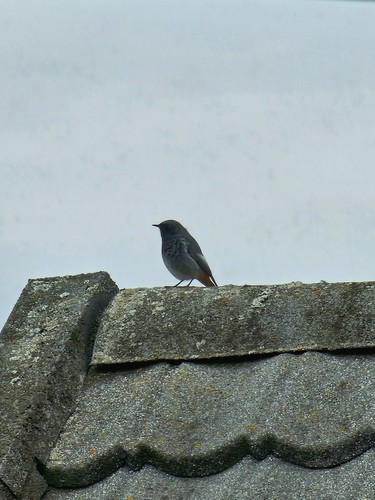
Black Redstart
13-14.5 cm (5.1-5.7 in) long, 23-26 cm wingspan
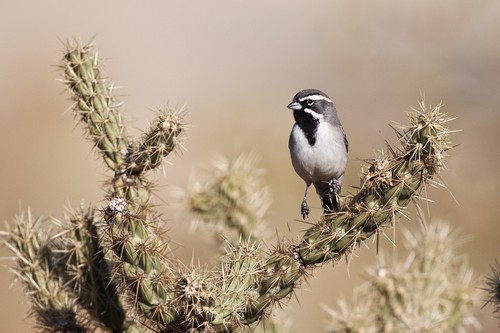
Black-throated Sparrow
12-14 cm (4.7-5.5 in) long, about 19-20 cm (7.5-8 in) wingspan
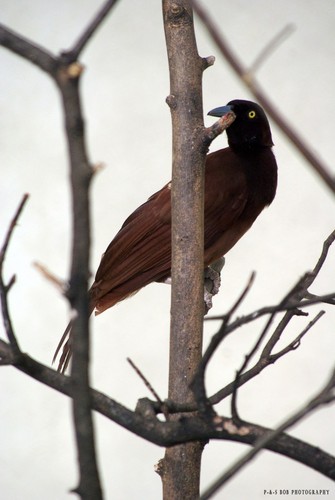
Greater Bird-of-paradise
Body about 43 cm; males with additional flank plumes up to 50 cm and long tail wires
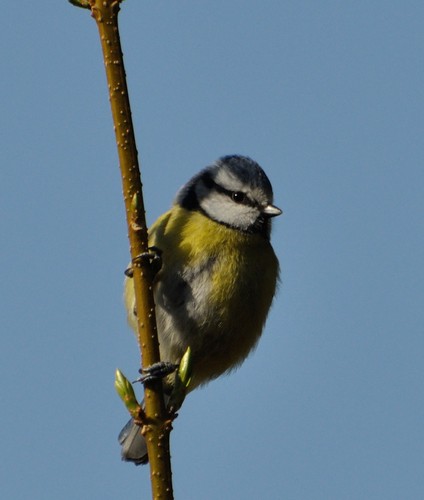
Blue Tit
11-12 cm (4.3-4.7 in) long, 17-20 cm wingspan
Red-billed Quelea
11.5–13 cm long, wingspan about 20–22 cm
White-plumed Antbird
13-14 cm (5-5.5 in) long
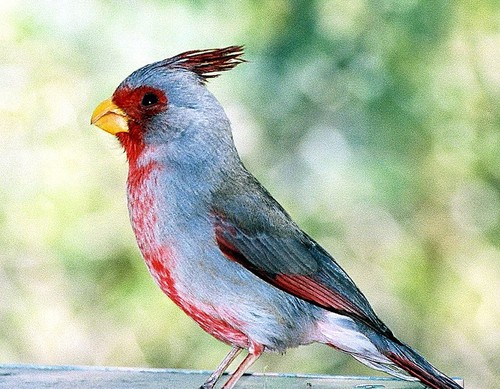
Pyrrhuloxia
19-22 cm (7.5-8.7 in) long, 30 cm wingspan
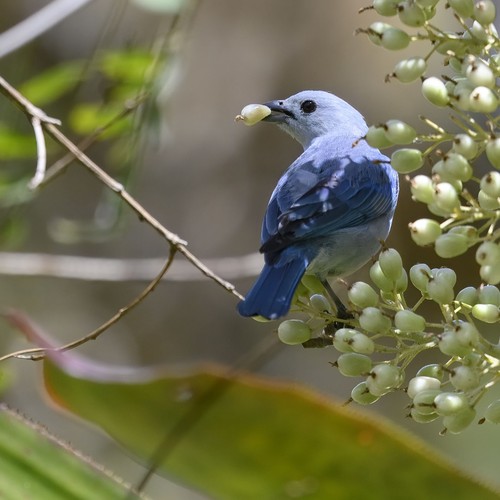
Blue-gray Tanager
16-18 cm (6-7 in) long
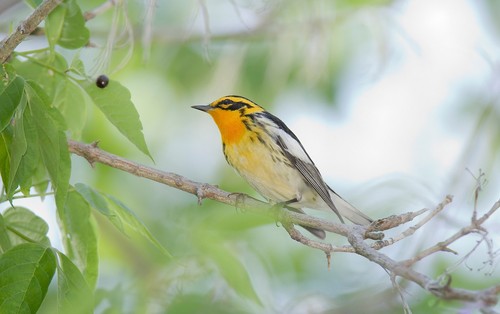
Blackburnian Warbler
11-13 cm (4.3-5.1 in) long, 20-22 cm wingspan
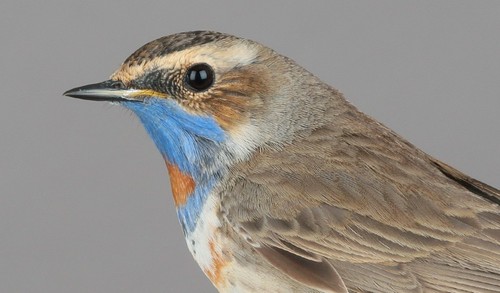
Bluethroat
13-14 cm (5.1-5.5 in) long, 20-22 cm wingspan
Eurasian Nuthatch
12-14.5 cm (4.7-5.7 in) long, 22.5-27 cm wingspan
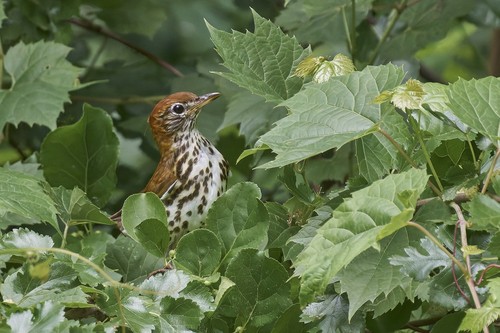
Wood Thrush
19-21 cm (7.5-8.3 in) long, about 33 cm (13 in) wingspan