
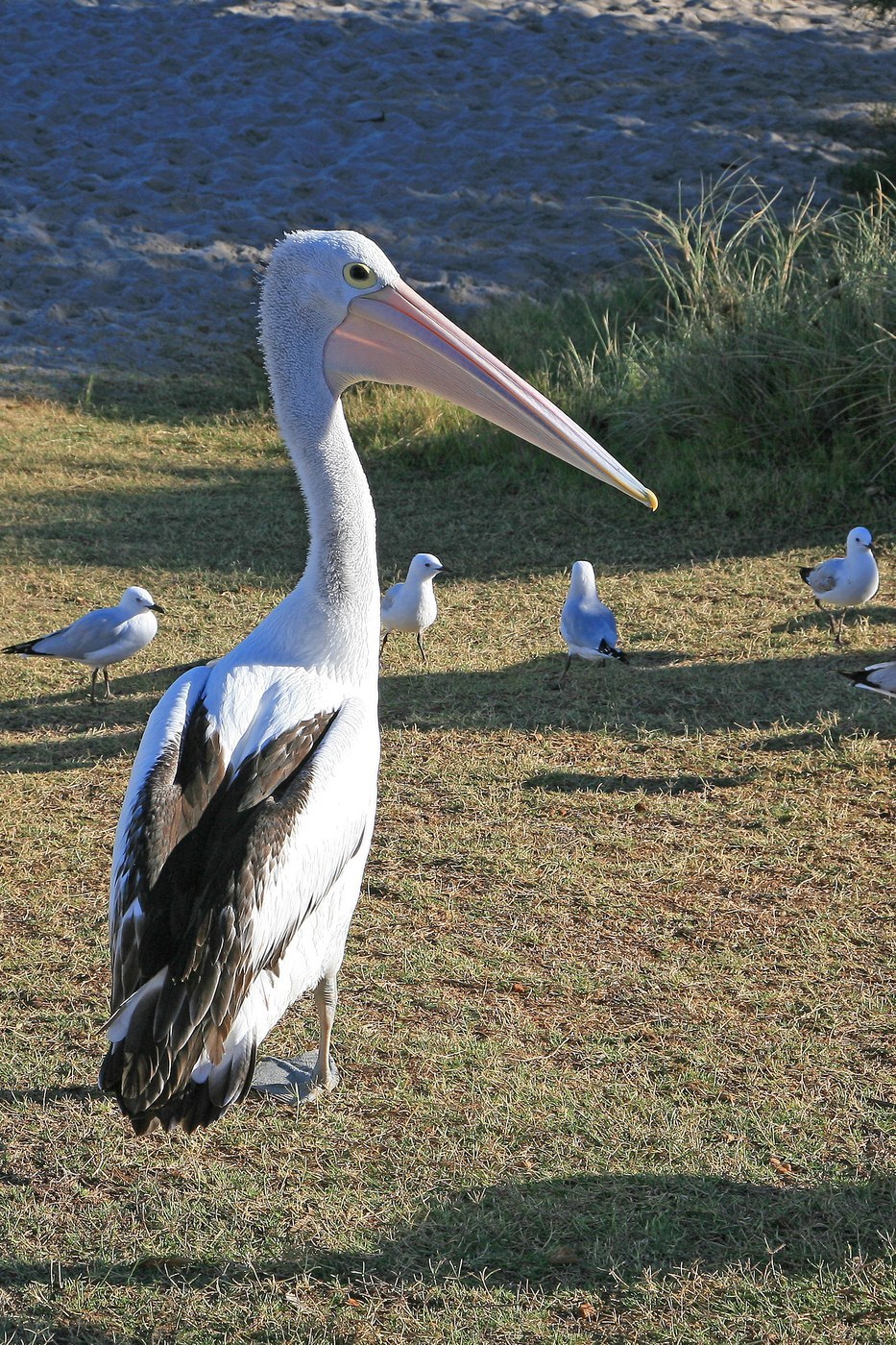
Australian Pelican
Pelecanus conspicillatus
A large black-and-white pelican with the longest bill of any bird in the world, wandering widely across Australia's inland waterways in response to rainfall and flooding.
- Size
- 160-190 cm (63-75 in) long, 230-260 cm wingspan
- Habitat
- wetlands, lakes, rivers, and coastlines across Australia and New Guinea
- Type
- seabird
Spotted a bird like this?
Identify any bird from a photo, free.
Overview
The Australian Pelican is a distinctive black-and-white waterbird found throughout Australia and parts of New Guinea, notable for possessing the longest bill of any bird species. It is a highly nomadic bird, capable of covering vast distances in search of suitable wetland conditions.
Appearance
Adults have predominantly white body plumage with black wings and tail, and an enormous pale pink bill and pouch that can appear almost luminous, especially during courtship displays when the colors intensify.
How to identify it
Key field marks
- Enormous pale pink bill, the longest of any bird species
- White body plumage contrasting with black wings and tail
- Large size and heavy build
- Soaring flight on broad black-and-white wings
Similar species
The Australian Pelican is unmistakable within its range, being the only pelican species found in Australia; its black-and-white pattern and huge pink bill separate it from any other large waterbird there.
Habitat & range
Habitat and range
Australian Pelicans occur throughout Australia and parts of New Guinea and nearby islands, inhabiting a wide range of wetlands including coastal bays, estuaries, rivers, and inland lakes, including temporary lakes that fill after heavy rain.
The species is highly nomadic rather than strictly migratory, moving opportunistically over huge distances to exploit flooded inland areas when conditions are favorable, sometimes appearing suddenly at remote desert lakes after rain.
Behavior & voice
Behavior
Australian Pelicans forage mainly by swimming and scooping fish and crustaceans into their large pouches, sometimes cooperating in groups to herd fish, similar to other large pelican species.
Voice
Adults are mostly silent, though low grunting sounds may be given near breeding colonies; chicks produce begging calls.
Nesting and breeding
Breeding is closely tied to water availability, with large colonies sometimes forming rapidly on islands in flooded inland lakes following major rainfall events. Two eggs are typically laid in a simple ground scrape, and successful breeding can be irregular, occurring in boom years when inland wetlands fill.
Frequently asked questions
Does the Australian Pelican really have the longest bill of any bird?
Yes, its bill is recognized as the longest of any living bird species, sometimes exceeding 40-50 cm (16-20 in) in length.
Where do Australian Pelicans live?
Across a wide range of wetlands throughout Australia and parts of New Guinea, including coasts, rivers, and inland lakes.
Why do Australian Pelicans sometimes appear in the desert?
They are highly nomadic and can travel huge distances to reach temporary inland lakes that fill after heavy rainfall, sometimes breeding there in large numbers.
What do Australian Pelicans eat?
Mainly fish and crustaceans, caught by swimming and scooping prey into their large pouches.
Australian Pelican guides
In-depth guides for identifying, finding, and understanding Australian Pelican.
Other birds you may enjoy
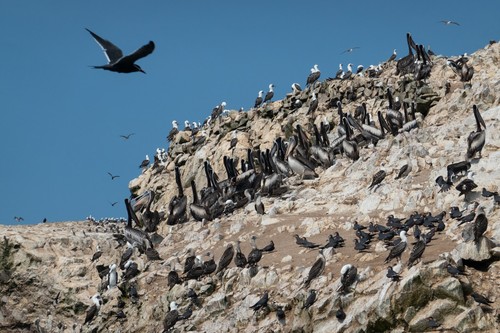
Peruvian Pelican
137-152 cm (54-60 in) long, up to 228 cm wingspan
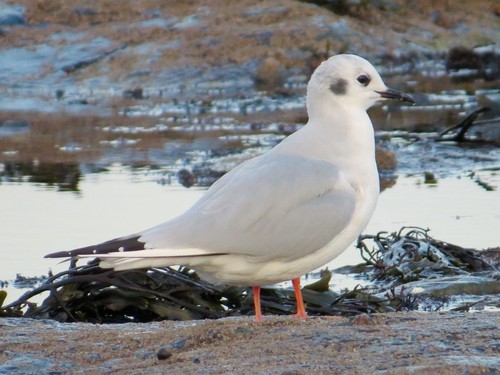
Bonaparte's Gull
28-33 cm (11-13 in) long, 76-84 cm wingspan
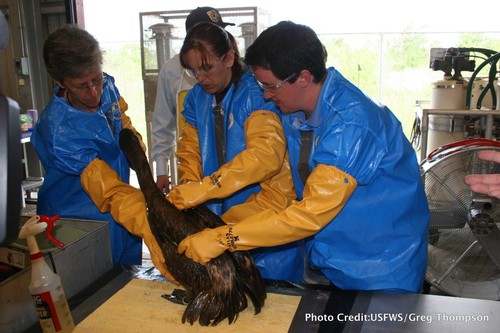
Brown Pelican
106-137 cm (42-54 in) long, 200-230 cm wingspan
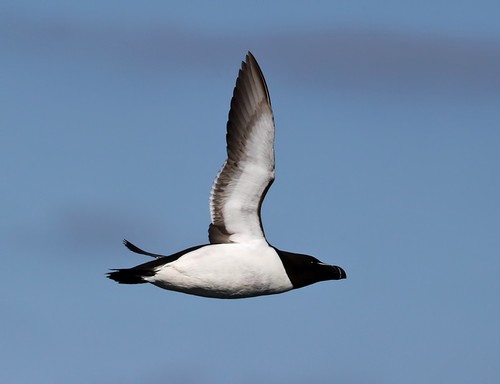
Razorbill
37-39 cm (15-15.5 in) long, 63-68 cm wingspan
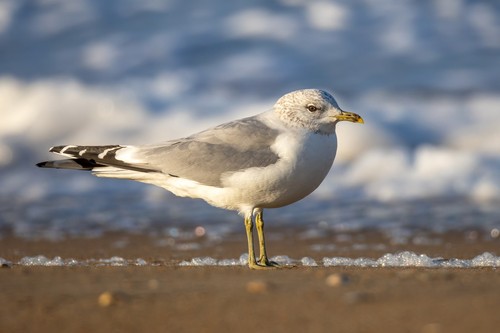
Common Gull
40-46 cm (16-18 in) long, 110-130 cm wingspan
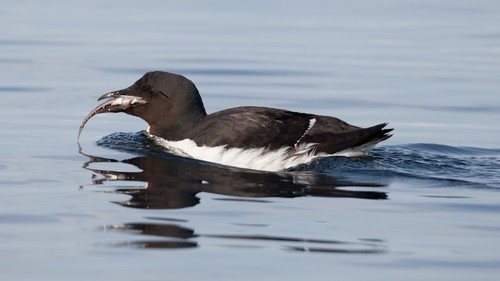
Thick-billed Murre
40-48 cm (16-19 in) long, 65-75 cm wingspan
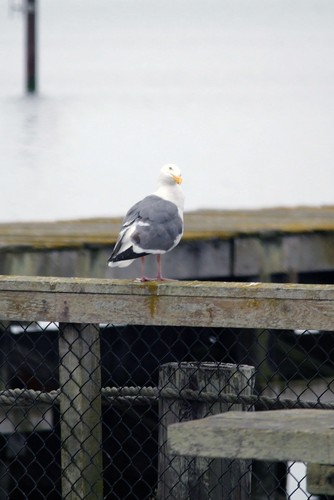
Western Gull
55-68 cm (22-27 in) long, 130-144 cm wingspan
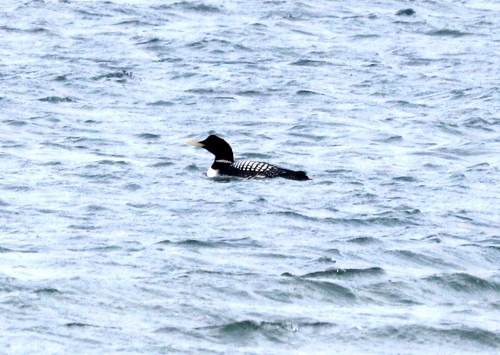
Yellow-billed Loon
76-97 cm (30-38 in) long, 135-152 cm wingspan
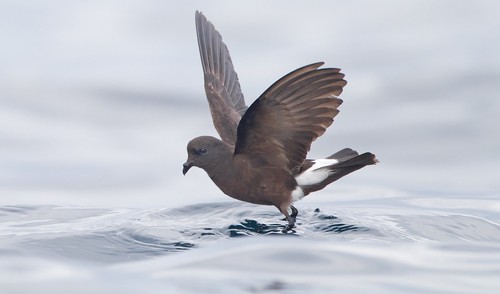
Wilson's Storm-Petrel
15-19 cm (6-7.5 in) long, wingspan 38-42 cm (15-16.5 in)
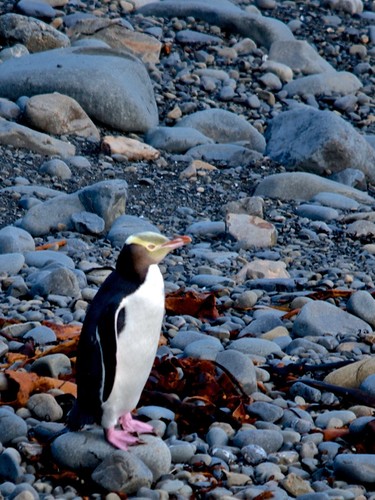
Yellow-eyed Penguin
62-79 cm (24-31 in) tall, 3-8.5 kg (6.6-18.7 lb)
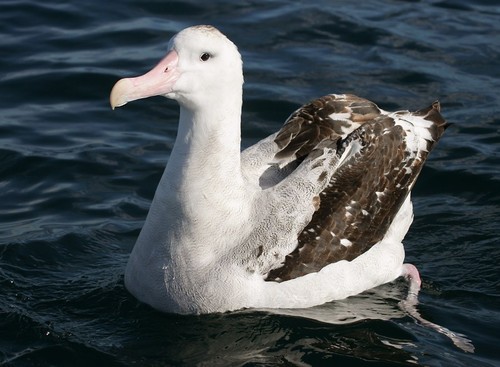
Wandering Albatross
107-135 cm (42-53 in) long, wingspan up to 3.5 m (11.5 ft)
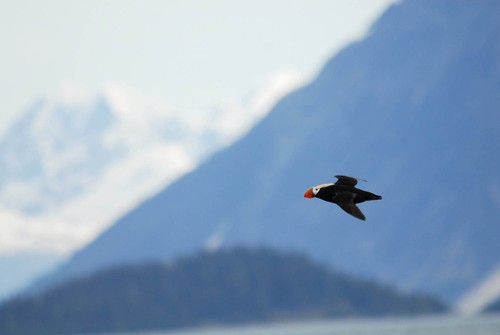
Tufted Puffin
35-41 cm (14-16 in) long, about 63-70 cm wingspan