
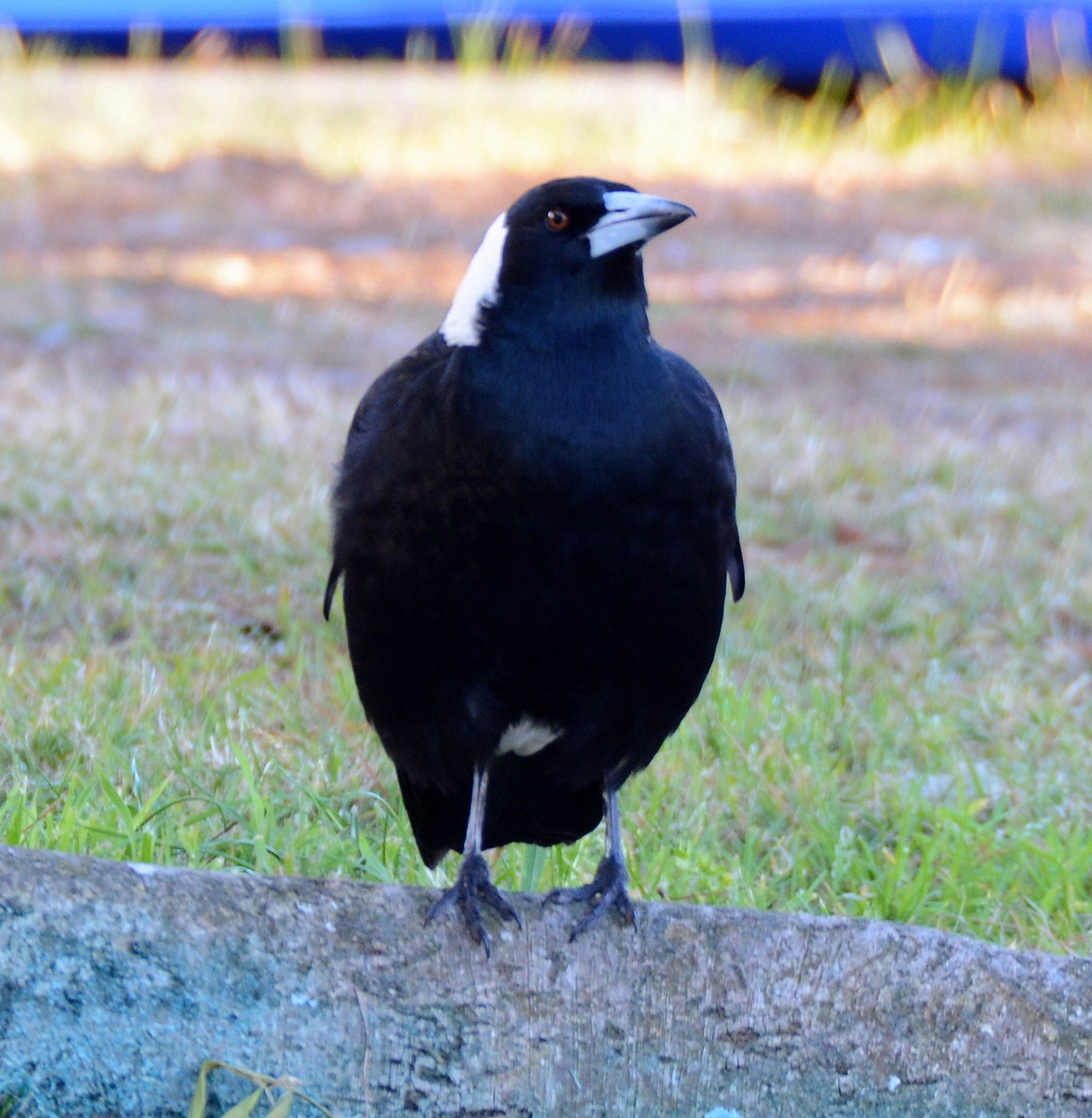
Australian Magpie
Gymnorhina tibicen
A familiar, boldly black-and-white Australian bird famed for its rich, warbling song and territorial swooping during the breeding season.
- Size
- 37-43 cm (15-17 in) long
- Habitat
- open woodlands, farmland, parks, playing fields, and suburban gardens throughout Australia
- Type
- songbird
Spotted a bird like this?
Identify any bird from a photo, free.
Overview
The Australian Magpie is a large, confident, black-and-white songbird found across nearly every habitat type in Australia, from remote farmland to city parks. Its plumage is a bold combination of glossy black and white, with the exact pattern varying by subspecies: some populations show an entirely black back (black-backed forms), while others have a white back and nape (white-backed forms), with several intergrade forms in between.
A sturdy, straight, pale grey-blue bill with a black tip and reddish eyes complete the magpie's confident, upright appearance. Despite the name, it is not closely related to the magpies of the Northern Hemisphere, which are corvids; the Australian Magpie belongs to its own family of butcherbirds and allies.
How to identify it
Key field marks
- Bold black-and-white plumage, pattern varying regionally (black-backed vs white-backed forms)
- Sturdy, straight, pale grey bill with a dark tip
- Reddish-brown eyes
- Upright stance and confident, walking gait on open ground
- Large size compared to most other black-and-white Australian birds
Similar species
- Magpie-lark: much smaller, with a slimmer bill and different black-and-white facial pattern.
- Pied Currawong: mostly black with limited white in the wings and tail, yellow eye, more slender bill.
- Pied Butcherbird: smaller, with a black hood and heavier hooked bill adapted for a carnivorous diet.
Habitat & range
Habitat
Australian Magpies thrive in open woodland, farmland, parks, sporting fields, golf courses, and suburban gardens, wherever there is a mix of open ground for foraging and trees for nesting and roosting.
Range
The species is found across almost the entire Australian mainland and Tasmania, largely absent only from the most densely forested regions and the driest deserts; it has also been introduced to New Zealand and parts of Fiji.
Migration
Sedentary, with established territorial groups defending the same area year-round, though non-breeding immature birds may form nomadic flocks.
Behavior & voice
Behavior
Australian Magpies live in cooperative territorial groups and are highly intelligent, capable of recognizing individual human faces and forming long-term social bonds. They are famous, and sometimes feared, for swooping people who approach nest sites during the breeding season, a behavior carried out mainly by a small proportion of territorial males.
Voice
The song is a rich, complex, warbling and carolling series of flute-like notes, often performed by multiple birds in a group in loose duet or chorus, and considered one of the most musical bird songs in Australia.
Feeding
Most feeding occurs on open ground, where magpies probe and dig for insect larvae, worms, and other invertebrates using their strong bill; they also take some seeds, grain, and occasionally small vertebrates.
Nesting and breeding
Nests are bulky stick structures built high in trees, defended vigorously by the resident group. Clutches typically contain three to five blue-green, blotched eggs, incubated by the female, with the whole group assisting in feeding and defending the chicks once hatched.
Frequently asked questions
Why do Australian Magpies swoop people?
During the breeding season, a small proportion of territorial male magpies swoop people who come near their nest to defend their eggs or chicks; most magpies never swoop and the behavior stops once chicks fledge.
Are Australian Magpies related to European magpies?
No, despite the shared name and black-and-white coloring, the Australian Magpie is not a corvid; it belongs to a separate family related to butcherbirds.
What do Australian Magpies eat?
Mainly insects, larvae, and other invertebrates dug from the ground, along with some seeds, grain, and occasionally small vertebrates.
Why do Australian Magpies sing so much?
Their rich, warbling carolling song is used for territorial defense and social bonding within the group, and can be heard year-round, often at dawn.
How can you tell black-backed and white-backed magpies apart?
Black-backed forms have an entirely black back, while white-backed forms show white across the back and nape; several intermediate populations occur where the forms meet.
Australian Magpie guides
In-depth guides for identifying, finding, and understanding Australian Magpie.
Other birds you may enjoy
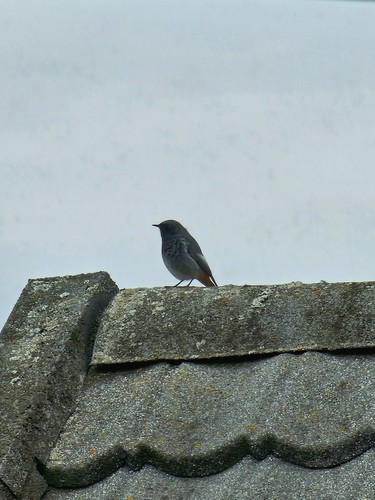
Black Redstart
13-14.5 cm (5.1-5.7 in) long, 23-26 cm wingspan
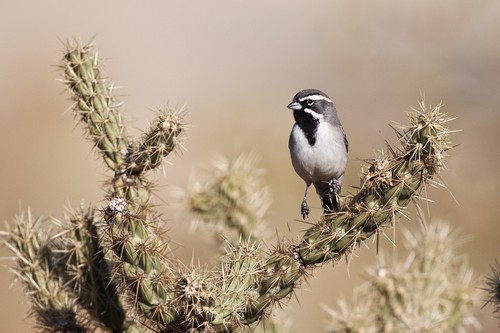
Black-throated Sparrow
12-14 cm (4.7-5.5 in) long, about 19-20 cm (7.5-8 in) wingspan
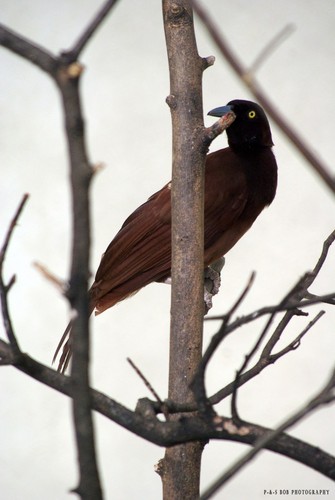
Greater Bird-of-paradise
Body about 43 cm; males with additional flank plumes up to 50 cm and long tail wires
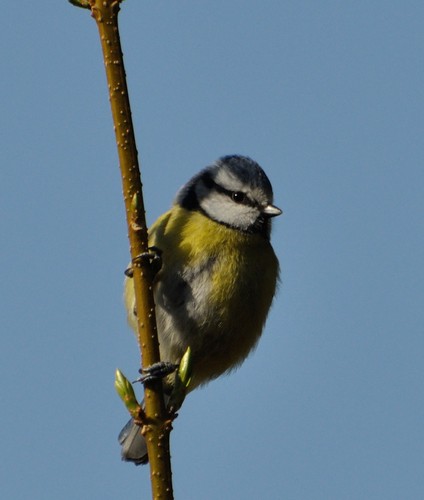
Blue Tit
11-12 cm (4.3-4.7 in) long, 17-20 cm wingspan
Red-billed Quelea
11.5–13 cm long, wingspan about 20–22 cm
White-plumed Antbird
13-14 cm (5-5.5 in) long
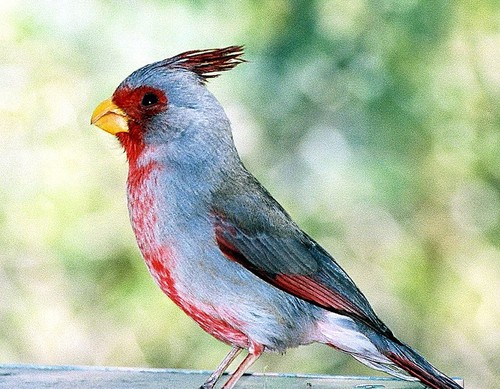
Pyrrhuloxia
19-22 cm (7.5-8.7 in) long, 30 cm wingspan
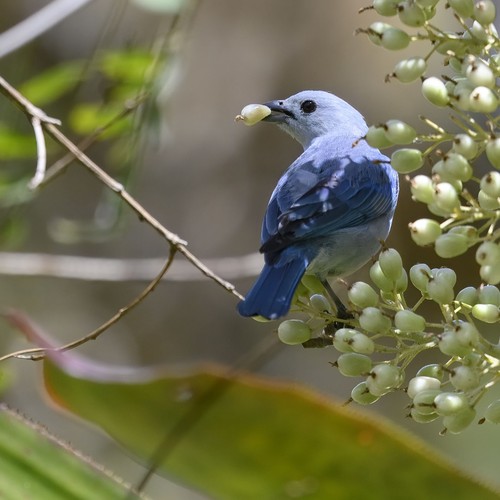
Blue-gray Tanager
16-18 cm (6-7 in) long
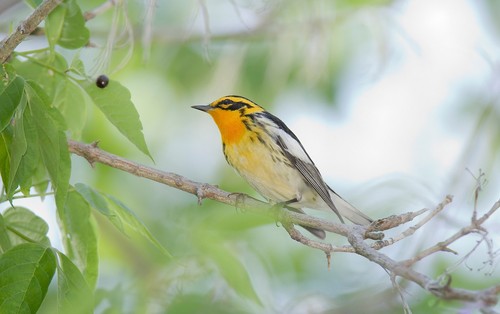
Blackburnian Warbler
11-13 cm (4.3-5.1 in) long, 20-22 cm wingspan
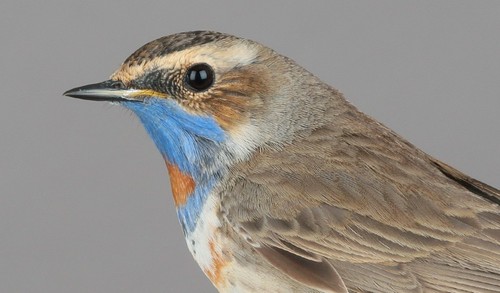
Bluethroat
13-14 cm (5.1-5.5 in) long, 20-22 cm wingspan
Eurasian Nuthatch
12-14.5 cm (4.7-5.7 in) long, 22.5-27 cm wingspan
Wood Thrush
19-21 cm (7.5-8.3 in) long, about 33 cm (13 in) wingspan