
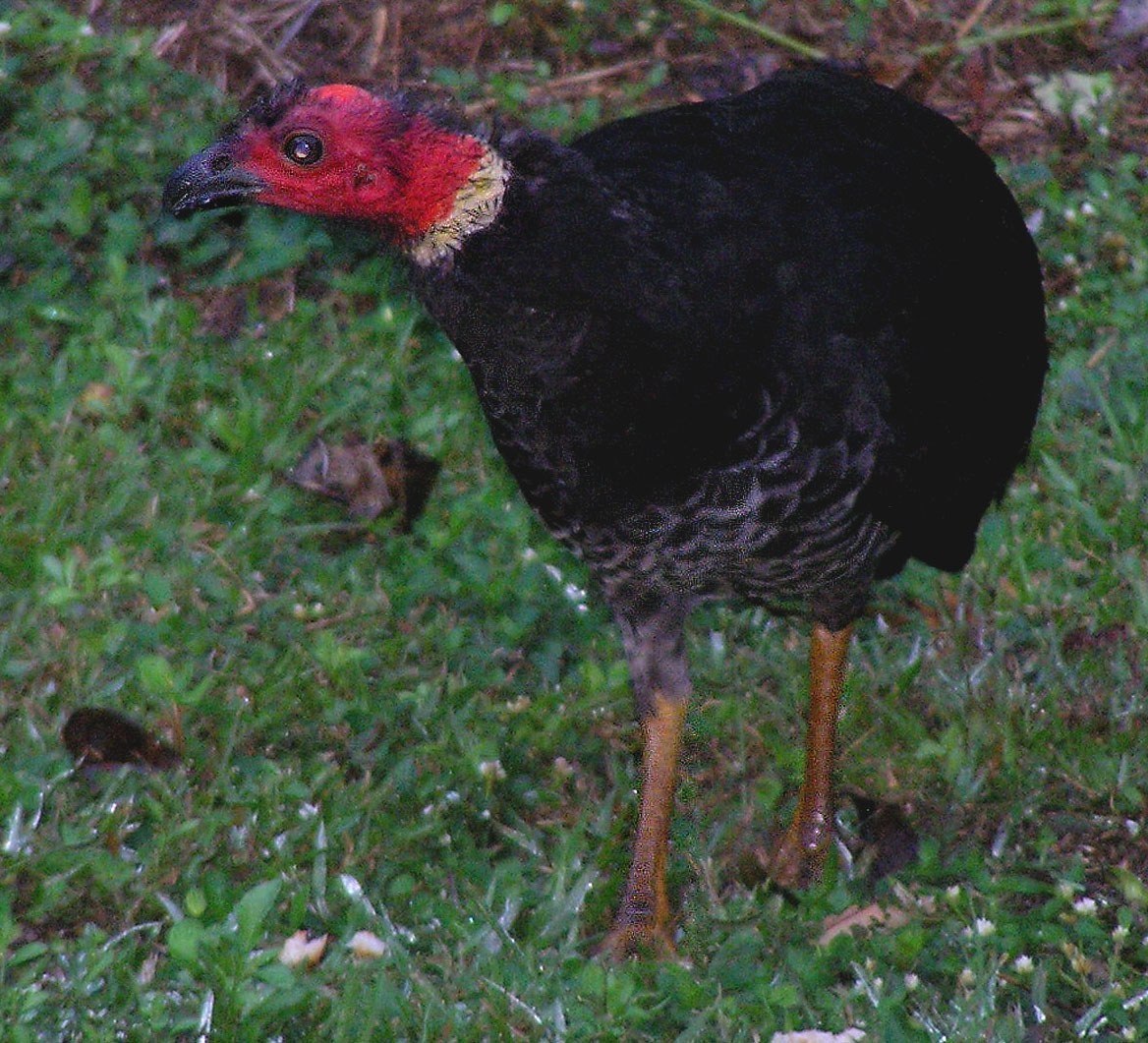
Australian Brushturkey
Alectura lathami
A large, black-bodied mound-building bird with a bare red head and neck and a yellow throat wattle, well known for the huge leaf-litter mounds it builds to incubate its eggs.
- Size
- 60-75 cm (24-30 in) long
- Habitat
- rainforest, wet eucalypt forest, and suburban gardens
- Type
- gamebird
Spotted a bird like this?
Identify any bird from a photo, free.
Overview
The Australian Brushturkey is a large, ground-dwelling bird with glossy black-brown body plumage, long legs, and a bare, wrinkled red head and neck. A pendulous folded wattle of skin hangs at the throat, typically bright yellow in most populations though color can vary geographically. Despite the name, it is not closely related to true turkeys but belongs to the megapode family, birds known for incubating their eggs using heat generated by decomposing vegetation rather than by sitting on them.
Males build and tend enormous mounds of leaf litter and soil, sometimes several meters across and over a meter high, using their large feet to rake material together and regulate the internal temperature by adding or removing material. The species has become increasingly common and bold in suburban gardens along the east coast, where it can be a familiar, if sometimes unwelcome, presence for its habit of scratching up freshly planted garden beds.
How to identify it
Key field marks
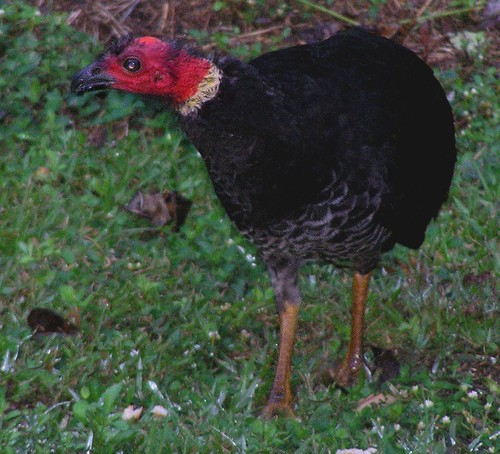
- Bare, wrinkled red skin covering the head and neck
- Yellow folded wattle hanging at the throat (color can vary by region)
- Glossy blackish-brown body plumage with a laterally flattened tail often held raised
- Large, powerful feet adapted for raking leaf litter
Similar species
- Malleefowl is smaller, fully feathered on the head with mottled camouflage plumage, and found in drier mallee habitat rather than rainforest.
- No other Australian bird shares the combination of an all-black body with a bare red head and neck.
Habitat & range
Habitat
Inhabits rainforest, wet eucalypt forest, and vine scrub, and has become common in suburban gardens and parks in parts of its range, particularly in southeastern Queensland and coastal New South Wales.
Range
Found along the east coast of Australia from Cape York in far north Queensland south to around the Illawarra region of New South Wales.
Migration
Non-migratory and largely sedentary, though individuals may wander locally, especially young birds dispersing from natal territories.
Behavior & voice
Behavior
Males spend much of the breeding season constructing and maintaining incubation mounds, raking huge quantities of leaf litter into a pile and monitoring its internal temperature with sensitive tissue in the bill; females visit multiple mounds to lay eggs, and chicks hatch fully independent, needing no parental care.
Voice
Generally quiet, giving occasional low grunts, clucks, and booming calls, especially around the mound during the breeding season.
Feeding
Forages on the ground by raking through leaf litter for fallen fruit, seeds, and invertebrates such as insects and worms.
Nesting
Does not build a conventional nest; instead, eggs are buried within a large mound of composting leaf litter and soil, with heat from decomposition (and sun exposure) incubating the eggs, tended and regulated by the male.
Frequently asked questions
Why does the Australian Brushturkey build a huge mound?
It is a megapode, a group of birds that incubate their eggs using heat from decomposing leaf litter rather than body heat; the male builds and carefully regulates the temperature of the mound to incubate the buried eggs.
Do baby brushturkeys need their parents after hatching?
No, chicks hatch fully feathered and independent, digging their way out of the mound and requiring no further parental care.
Is the Australian Brushturkey related to true turkeys?
No, despite the name it is a megapode, more closely related to malleefowl and other mound-building birds than to true turkeys.
Where do Australian Brushturkeys live?
Along the east coast of Australia from Cape York in Queensland to coastal New South Wales, in rainforest, wet forest, and increasingly in suburban gardens.
Australian Brushturkey guides
In-depth guides for identifying, finding, and understanding Australian Brushturkey.
Other birds you may enjoy
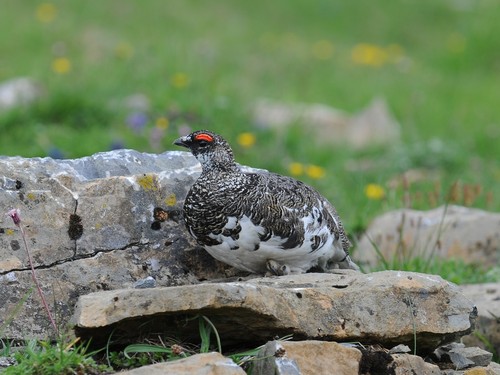
Rock Ptarmigan
34-36 cm (13-14 in) long
Congo Peafowl
Males about 64-70 cm long; females slightly smaller; no elaborate train
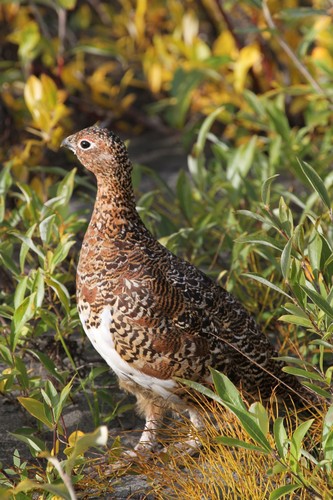
Willow Ptarmigan
37-42 cm (15-16.5 in) long
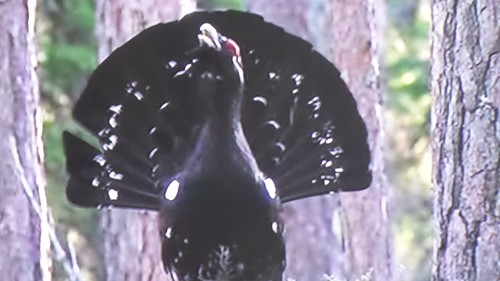
Western Capercaillie
male 74-90 cm (29-35 in), female 54-64 cm; male wingspan up to 125-130 cm
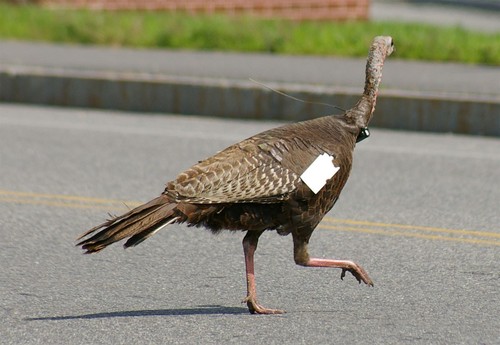
Wild Turkey
males 100-125 cm (39-49 in) long; females smaller, around 76-95 cm (30-37 in)
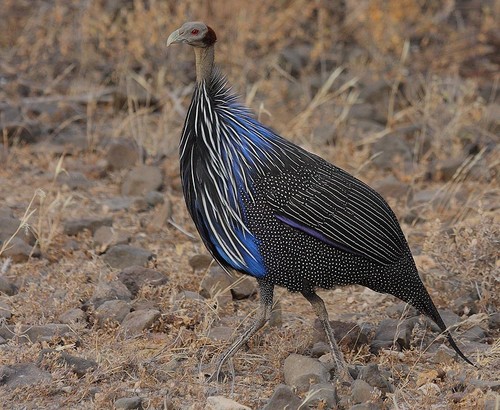
Vulturine Guineafowl
Length 61-71 cm, the largest guineafowl species, with a notably long neck and tail
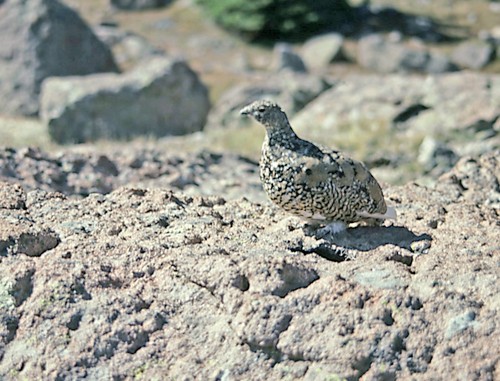
White-tailed Ptarmigan
30-33 cm (12-13 in) long; the smallest ptarmigan species
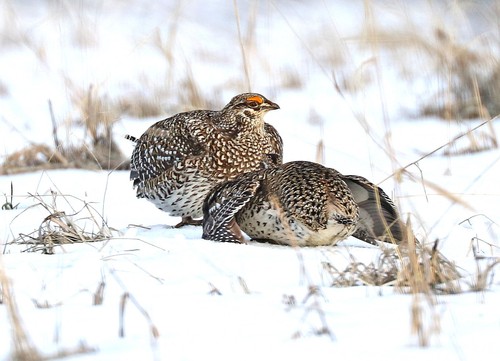
Sharp-tailed Grouse
38-48 cm (15-19 in) long
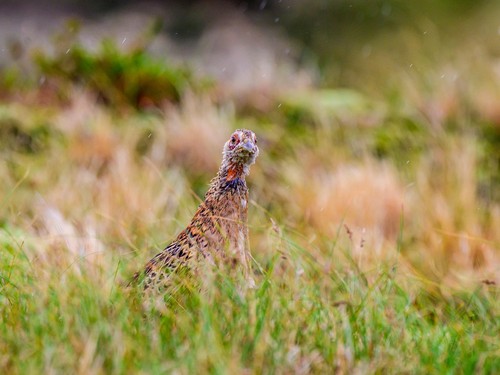
Ring-necked Pheasant
males 76-90 cm (30-35 in) long including a long tail; females smaller, 55-65 cm (22-26 in)
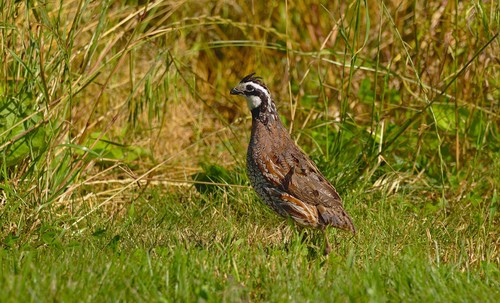
Northern Bobwhite
24-28 cm (9.5-11 in) long, 33-38 cm wingspan
Red-legged Partridge
32-34 cm (13 in) long, 47-50 cm wingspan
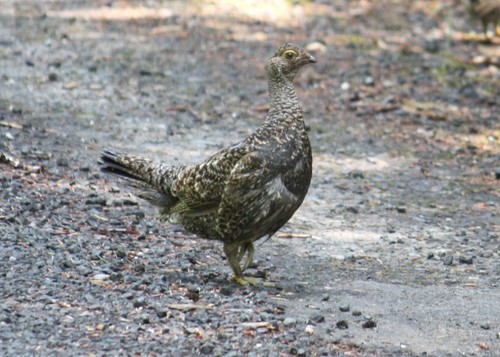
Sooty Grouse
43-48 cm (17-19 in) long; males larger than females